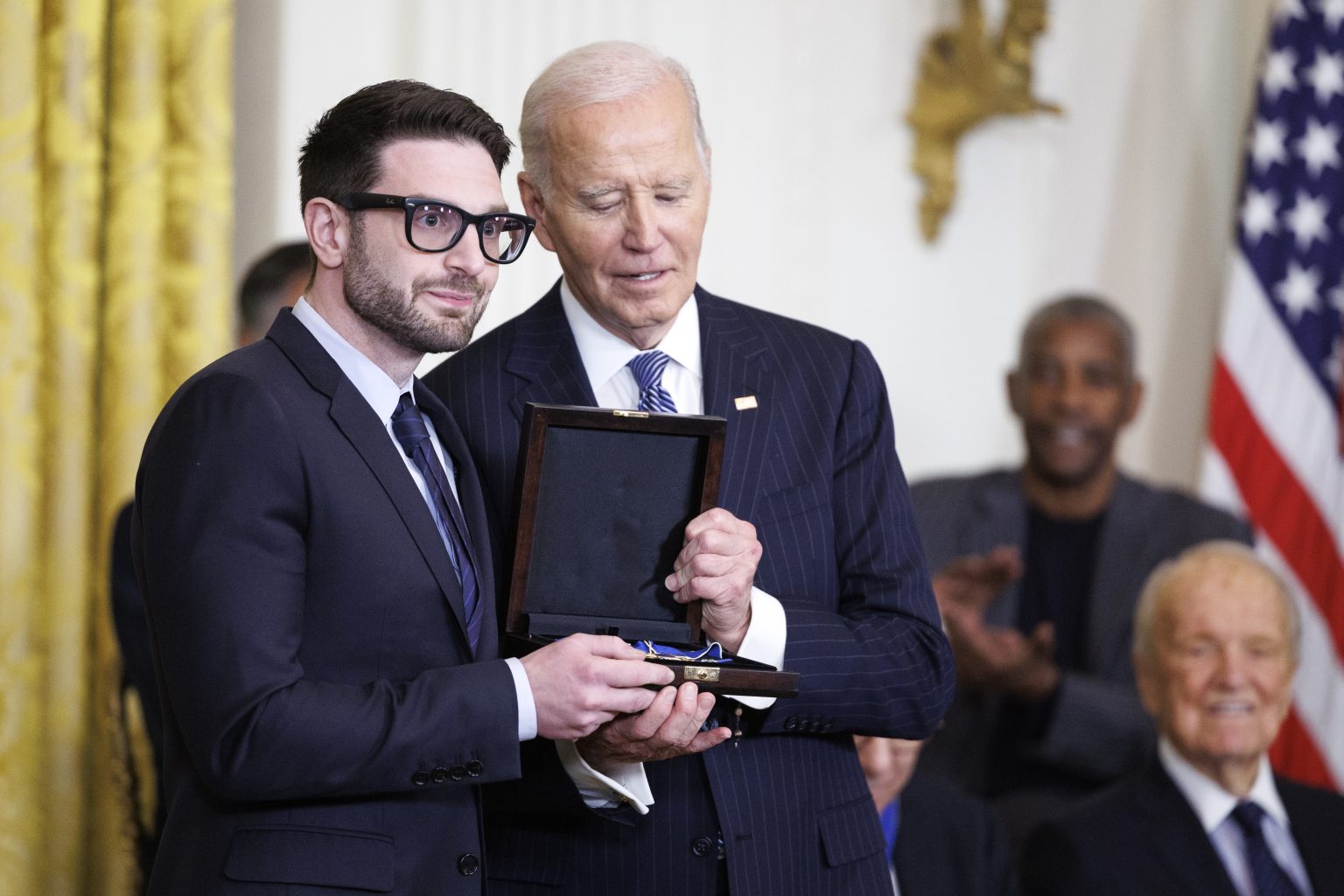
Who Is Alex Soros: A Brief Look at the Philanthropist and Investor
Alexander Soros is a prominent American philanthropist and the current chair of the Open Society Foundations (OSF), the global network of foundations founded by his father, George Soros. Beyond his leadership in the philanthropic secto...
Alexander Soros is a prominent American philanthropist and the current chair of the Open Society Foundations (OSF), the global network of foundations founded by his father, George Soros. Beyond his leadership in the philanthropic sector, he is an active investor, a political strategist, and a significant figure in international civil society, overseeing a massive endowment dedicated to funding democratic initiatives and human rights organizations worldwide.
Contents
Early Life and Academic Background
Born in 1985 in New York, Alexander Soros is the son of George Soros and Susan Weber. Raised primarily in Katonah, New York, he was exposed early to the intellectual and political environments that would define his later career. His academic path reflects a deep interest in history and political philosophy, subjects he pursued at elite institutions.
He earned his undergraduate degree from New York University and later pursued a doctorate in history at the University of California, Berkeley, which he completed in 2014. His academic focus on European history and his research into political thought provided a foundational framework for his approach to philanthropy. Rather than immediately joining his father’s operations, he spent years refining his expertise, an approach that allowed him to develop an independent intellectual identity before stepping into the family's professional sphere.
Transition to Philanthropic Leadership
The transition of leadership at the Open Society Foundations was a process that spanned several years. For a significant period, Alexander Soros served on the foundation’s board of directors, gaining operational knowledge and building relationships with grantees and global stakeholders. In 2023, it was formally announced that he would succeed his father as the head of the organization.
This leadership role is significant given the scale of the OSF. The organization serves as a major private funder for civil society groups, independent media, and projects focused on justice, education, and public health in over 120 countries. As chair, Alexander Soros is responsible for steering the strategic vision of an organization that manages billions of dollars in assets, balancing traditional philanthropic goals with the complexities of current geopolitical shifts.
Investment Philosophy and Economic Involvement
While he is most visible in the public eye for his philanthropic work, Alexander Soros is also an investor. His approach to finance is distinct from the high-frequency or speculative models often associated with his father’s early career. Instead, his investment activities are often viewed through the lens of long-term stability and thematic growth.
His involvement in the investment firm Soros Fund Management—which serves as the primary investment vehicle for the family’s assets—highlights his role as a steward of capital. Unlike individual retail investing, his perspective is rooted in managing institutional wealth that supports large-scale global programs. He has publicly supported the integration of social and environmental governance (ESG) principles into investment strategies, arguing that modern capital markets must account for the social stability of the regions in which they operate.
Strategic Interests and Political Engagement
Alexander Soros’s political engagement is a subject of significant scrutiny and discussion. He frequently meets with world leaders, policymakers, and activists to discuss issues ranging from immigration reform and climate change to the protection of democratic institutions. His strategic focus is largely centered on maintaining liberal democratic norms, a mission he has described as a response to the rise of authoritarianism in various parts of the world.
Key Areas of Focus
- Democratic Resilience: Funding initiatives that protect electoral integrity and combat political polarization.
- Human Rights: Supporting grassroots organizations that advocate for marginalized groups and civil liberties.
- Climate Change: Investing in and funding projects aimed at sustainable development and the energy transition.
- Education: Supporting educational access and academic freedom through scholarship programs and institutional grants.
Comparison of Professional Roles
The professional life of Alexander Soros is bifurcated between the non-profit management of foundations and the management of private wealth. The following table outlines how his responsibilities differ across these domains.
| Domain | Primary Objective | Key Activities | Stakeholders |
|---|---|---|---|
| Philanthropy | Social impact and systemic change | Grantmaking, advocacy, coalition building | Non-profits, NGOs, governments |
| Investment | Asset preservation and growth | Strategic allocation, risk management | Family office, institutional partners |
| Policy Engagement | Advancing civil society | Dialogue with policymakers, public advocacy | Elected officials, think tanks |
The Scale of Open Society Foundations
The Open Society Foundations represents one of the largest philanthropic efforts in history. Under the guidance of Alexander Soros, the organization continues to adapt to an era of rapid technological and geopolitical change. This involves not only managing the distribution of funds but also navigating the public relations challenges inherent in leading a highly visible and often controversial institution. Critics often focus on the organization's influence, while supporters credit it with being a crucial lifeline for democratic movements in restrictive environments.
Addressing Common Questions
Is Alexander Soros the sole decision-maker for the foundations?
No, the Open Society Foundations operates with a vast network of boards, regional directors, and expert panels. While he holds the chair position and sets the overall strategic direction, the decision-making process for individual grants is highly decentralized.
What is the primary difference between his approach and his father’s?
While both prioritize open society ideals, Alexander Soros has demonstrated an interest in incorporating more digital-first advocacy and addressing contemporary issues like climate change and the impact of artificial intelligence on democracy more explicitly than his father did in the earlier stages of the foundation.
How does he handle public criticism?
Alexander Soros maintains a consistent public presence on social media and through official channels, often addressing criticism by framing it as the cost of advocating for unpopular or challenging causes. He emphasizes the importance of transparency and staying focused on the foundation's stated mission.
Does he manage the Soros family fortune directly?
He is a key figure within the family office, but the management of the fortune is carried out by a team of professional investment managers and advisors. His role is to ensure that the investment strategies align with the family’s values and long-term financial security.
How does his educational background influence his work?
His doctorate in history provides him with a framework for understanding how societies collapse or evolve. He frequently references historical precedents when discussing current political events, suggesting that his academic training informs his cautious approach to geopolitical stability.
Next Steps and Considerations
For those observing the work of Alexander Soros, the focus should remain on the long-term outcomes of the Open Society Foundations’ grant programs and the shifting priorities of their strategic investments. To stay informed about his activities, stakeholders often monitor official releases from the Open Society Foundations and verified reports from major global news organizations. Engaging with these resources allows for a clearer understanding of how his dual roles as investor and philanthropist intersect with global political and economic trends.
Image Gallery