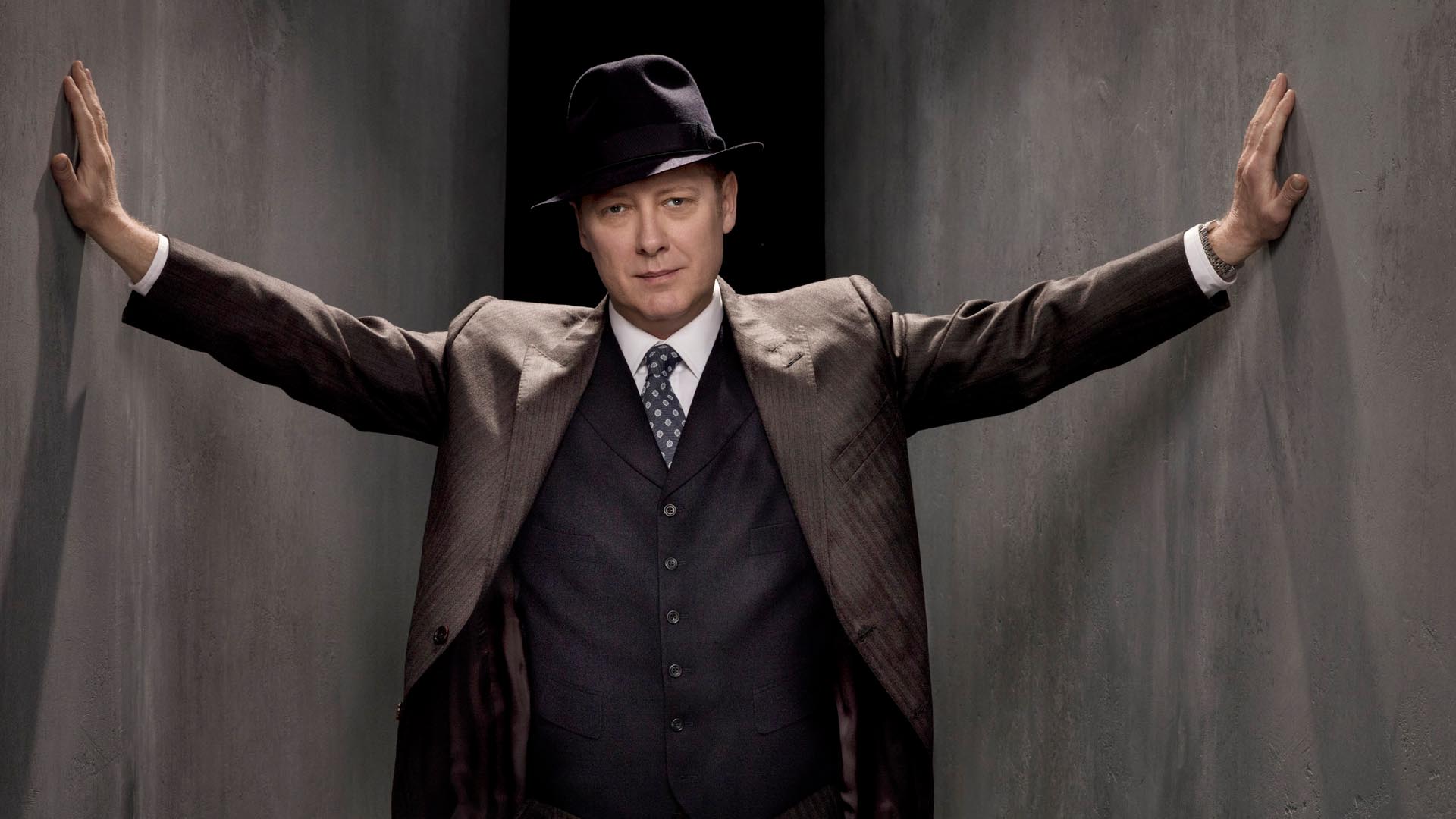
Why James Spader as Raymond "Red" Reddington in The Blacklist Matters
James Spader’s portrayal of Raymond "Red" Reddington in NBC’s The Blacklist redefined the broadcast television antihero by blending theatrical eccentricity, high-stakes criminality, and deep emotional vulnerability. Across ten seasons...
James Spader’s portrayal of Raymond "Red" Reddington in NBC’s The Blacklist redefined the broadcast television antihero by blending theatrical eccentricity, high-stakes criminality, and deep emotional vulnerability. Across ten seasons and 218 episodes, Spader transformed a standard crime procedural into a multi-layered character study, demonstrating how star power and distinct voice acting can sustain network television in the streaming era.
Contents
The Evolution of Raymond Reddington: Redefining Network Television’s Antihero
When The Blacklist premiered in September 2013, prime-time television was saturated with morally ambiguous protagonists. cable network hits like Breaking Bad, Mad Men, and The Sopranos had popularized the dark, brooding antihero driven by tragic flaws, self-destruction, or suburban desperation. Broadcast networks frequently attempted to replicate this formula, often producing cynical leads who lacked genuine warmth or theatrical flair.
James Spader’s Raymond Reddington broke this mold completely. Rather than presenting Reddington as a tortured, humorless criminal mastermind, Spader created a character who took immense joy in life despite living in a underworld of violence and betrayal. Reddington was an unapologetic gourmet, a lover of classical art, a master storyteller, and an international fugitive with a deeply personal, albeit mysterious, moral compass.
Broadcast Antihero Landscape (2010s)
- Brooding / Self-Destructive: Tortured motivations, somber tone (Cable Model)
- The Reddington Model: Joyful hedonism, polite brutality, theatrical storytelling (Network Broadcast Hybrid)
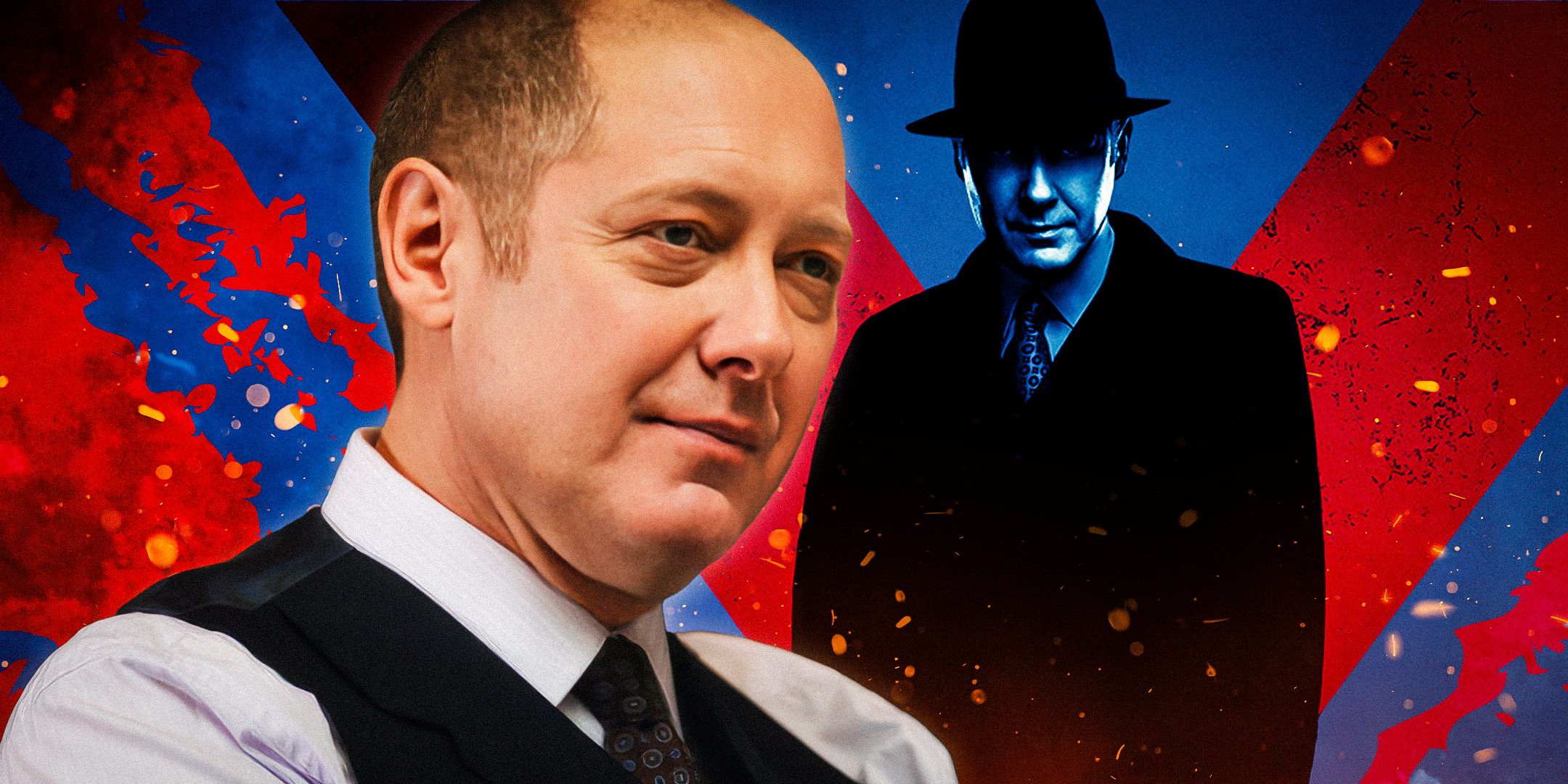
Reddington’s violence was rarely gratuitous; it was executed with polite precision, often immediately preceded or followed by an anecdote about a vintage wine, an old friend in Istanbul, or a philosophical reflection on human nature. This contrast between ruthless efficiency and refined courtliness created a distinct television archetype: the gentleman criminal who operates with complete autonomy. Spader’s ability to navigate between lighthearted charm and terrifying lethality gave The Blacklist a narrative versatility that sustained the series across a decade of television evolution.
James Spader’s Signature Acting Craft and Dialogue Delivery
The structural success of The Blacklist relied heavily on Spader’s technical acting choices. Many procedural dramas struggle with repetitive episodic formulas—catching a "villain of the week"—but Spader elevated routine expository scenes into dramatic set pieces through his unique vocal cadence and physical presence.
1. Rhythmic Speech and Use of Pauses
Spader did not deliver dialogue at the standard pace of network procedurals. Instead, he introduced deliberate pauses, unexpected vocal inflections, and mid-sentence shifts in pitch. This technique forced viewers—and on-screen characters—to listen closely, transforming simple intelligence debriefings into dramatic monologues.
2. The Anecdotal Monologue as a Narrative Weapon
A hallmark of Reddington's character was his tendency to launch into detailed, seemingly unrelated personal stories during life-or-death situations. Whether negotiating with an armed cartel leader or interrogating a corrupt official, Spader performed these monologues with warm nostalgia. The device served three key functions:
- Disarming Adversaries: It established total psychological dominance over opponents by showing Reddington was completely unbothered by threats.
- World-Building: It expanded the narrative universe off-screen, implying decades of rich, unfilmed history across global subcultures.
- Pacing Control: It interrupted high-tension action beats with reflective, lyrical prose, giving the episode structural contrast.
3. Physicality and Wardrobe Integration
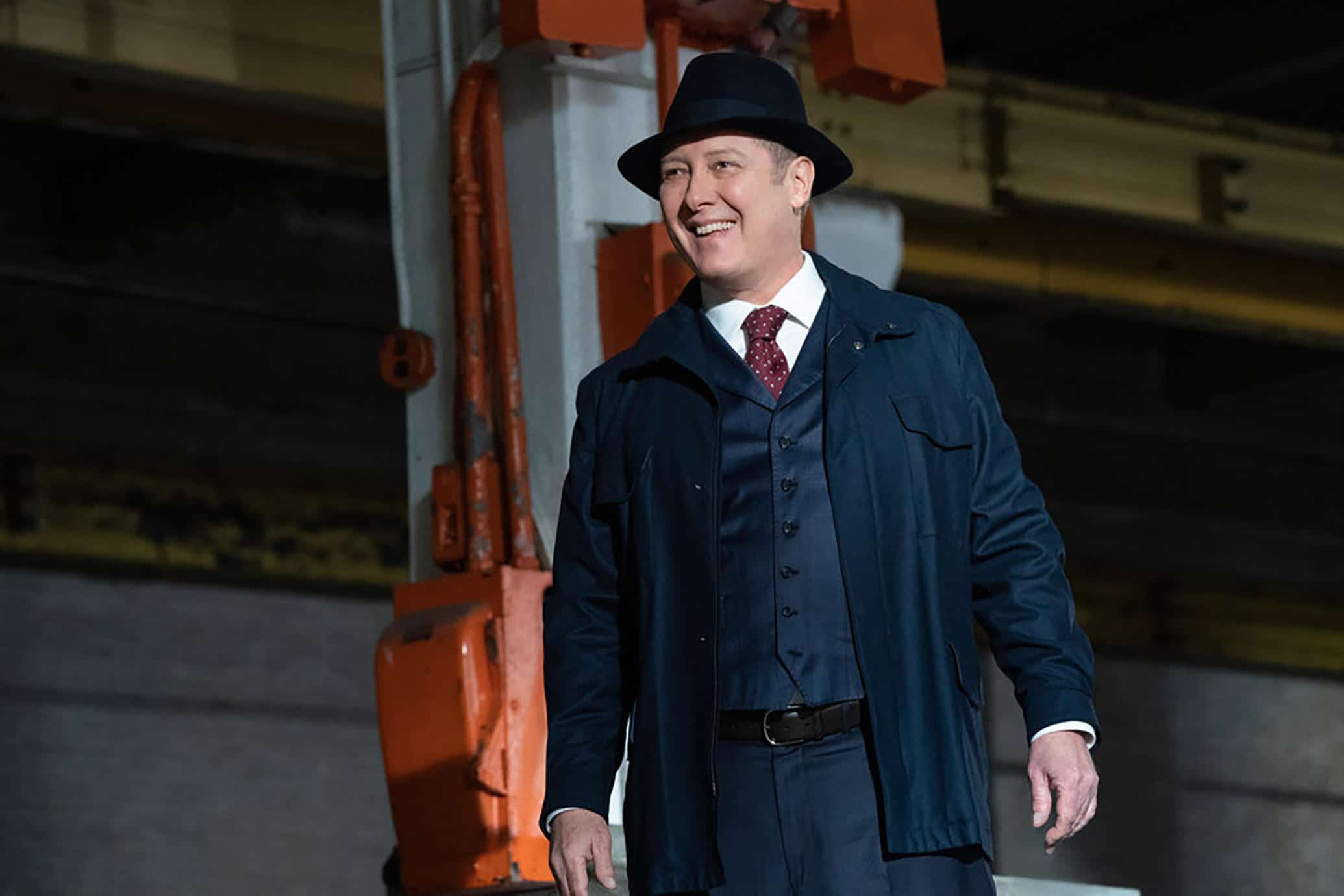
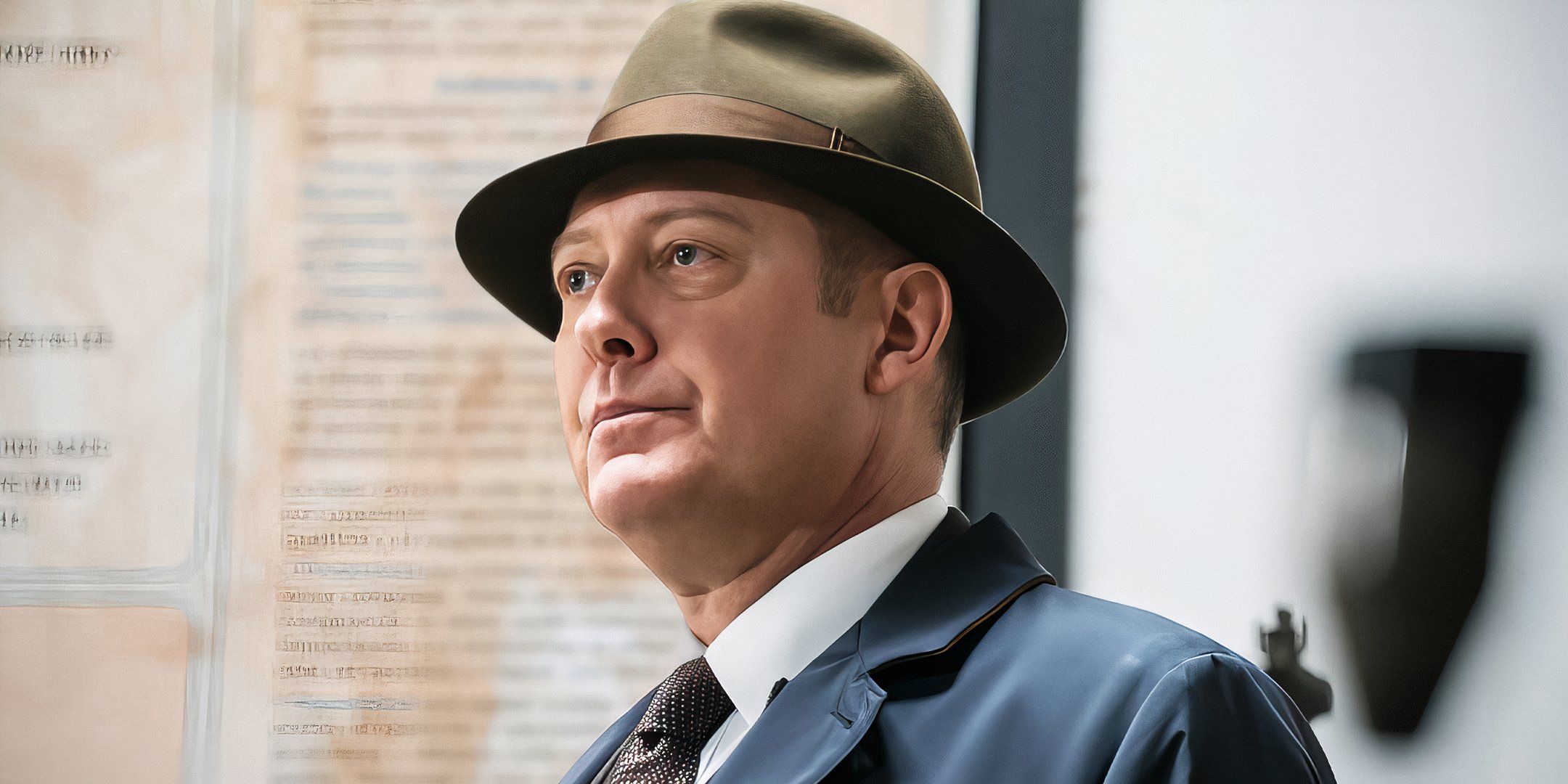
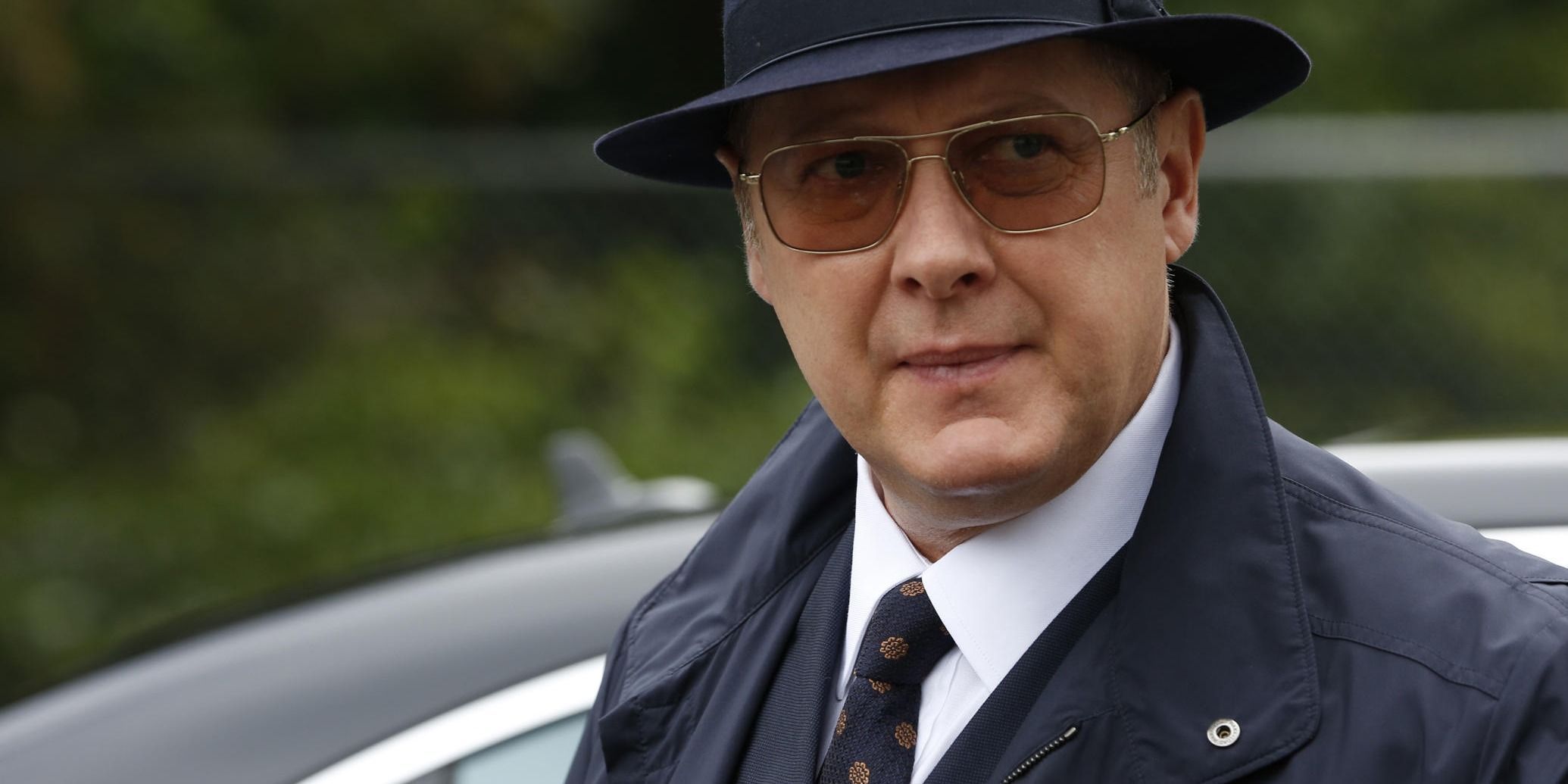
Spader worked closely with the show’s costume design team to define Reddington's signature aesthetic: tailored three-piece suits, trench coats, and fedora hats. Rather than wearing the costume as mere wardrobe, Spader incorporated these items into his physical performance. The tilting of a fedora brim, the unbuttoning of a suit jacket before sitting, or the careful handling of a teacup became non-verbal signals that communicated Reddington's emotional state and authority.
Sustaining Network Broadcast Drama in the Streaming Era
The Blacklist launched during a structural transition in the entertainment industry. As viewer habits shifted from linear network broadcast schedules (NBC, CBS, ABC, FOX) to subscription video-on-demand (SVOD) platforms like Netflix, traditional 22-episode broadcast seasons faced steep viewership declines.
Spader’s performance played a central role in making The Blacklist one of the few broadcast dramas to thrive simultaneously on linear TV and global streaming platforms.
Traditional Broadcast Model
- Weekly Network Airing (NBC)
- Local Syndication / DVD Sales
Hybrid Streaming Model (The Blacklist)
- Linear Network Premiere (Ad Revenue)
- Global Netflix SVOD Licensing (Subscription Cash Flow)
- Long-Tail SVOD Binging Driven by Lead Performance
The Netflix Licensing Model
In 2014, Netflix acquired the SVOD rights to The Blacklist for a reported fee of nearly $2 million per episode—one of the highest licensing deals for a network drama at the time. Global audiences who did not watch the weekly NBC broadcasts discovered the show on streaming, where Spader’s magnetic performance proved ideally suited for binge-watching. The character’s charm and long-term narrative mysteries (such as Reddington's true identity and his exact relationship to Elizabeth Keen) kept viewers invested over hundreds of hours.
Executive Producer Involvement
Recognizing the necessity of maintaining character consistency over hundreds of episodes, Spader took on an executive producer role on The Blacklist. His involvement extended into script revisions, dialogue adjustments, and guest star casting, ensuring that Reddington never degenerated into a conventional TV detective or standard villain. This creative oversight preserved the show’s tone through showrunner changes and cast departures over its 10-season run.
Core Character Relationships and Structural Dynamics
While Spader served as the central engine of The Blacklist, the character of Raymond Reddington required effective dramatic foils to ground his larger-than-life presence.
- Raymond "Red" Reddington (James Spader)
- Elizabeth Keen (Megan Boone)
- Psychological Anchor
- Central Mystery
- Harold Cooper & FBI Task Force
- Institutional Counter
- Lawful vs. Chaos
- Dembe Zuma (Hisham Tawfiq)
- Moral Compass & Absolute Loyalty
- Elizabeth Keen (Megan Boone)
The Red-Elizabeth Keen Dynamic
The emotional core of the series rested on the mysterious connection between Reddington and FBI profiler Elizabeth Keen (played by Megan Boone). Reddington’s unconditional, protective love for Keen contrasted sharply with his deceptive nature and willingness to withhold crucial truths. Spader played this dynamic with subtle restraint; his eyes often communicated grief and affection that his spoken words actively denied.
The Contrast with Harold Cooper and the FBI Task Force
Reddington’s relationship with FBI Assistant Director Harold Cooper (Harry Lennix) provided the show’s socio-political tension. Cooper represented institutional law and order bound by federal regulations, while Reddington represented pragmatic, extrajudicial results. Spader’s interactions with the Task Force highlighted the hypocrisy of law enforcement agencies that were willing to partner with a criminal mastermind to catch even worse offenders.
Dembe Zuma: The Moral Anchor
Reddington’s relationship with his bodyguard and confidant, Dembe Zuma (Hisham Tawfiq), offered a quiet counterweight to Spader’s theatricality. Dembe was often the only person capable of challenging Reddington’s moral choices. Spader’s performance shifted in these scenes, dropping the flamboyant facade to reveal a deeply tired, introspective man burdened by his own criminal empire.
Comparative Analysis: Reddington’s Impact on Modern Crime Television
To understand why Spader’s performance matters, it helps to examine how Reddington compares to other prominent television crime protagonists of the 21st century across narrative, commercial, and artistic dimensions.
| Character / Show | Network / Format | Key Performance Characteristics | Commercial & Cultural Significance |
|---|---|---|---|
| Raymond Reddington(James Spader, The Blacklist) | NBC / Broadcast-Streaming Hybrid (218 episodes) | Theatrical monologues, polite brutality, hedonistic warmth, eccentric mannerisms. | Proved that a character-driven antihero could sustain 10 seasons of 22-episode broadcast TV and massive global streaming syndication. |
| Walter White(Bryan Cranston, Breaking Bad) | AMC / Cable (62 episodes) | Tragic descent, escalating hubris, terrifying coldness, domestic deception. | Set the standard for serialized dark antihero transformations in prestige cable drama. |
| Patrick Jane(Simon Baker, The Mentalist) | CBS / Network Broadcast (151 episodes) | Playful observation, lighthearted trickery, underlying obsession with vengeance. | Represented the traditional procedural mentalist archetype; lighter and less violent than Reddington. |
| Sherlock Holmes(Benedict Cumberbatch, Sherlock) | BBC / Limited Series (13 episodes) | Hyper-fast deduction, arrogant social detachment, high intellectual velocity. | Modernized classic detective tropes in short-form, high-budget event television. |
Lessons for Television Writing and Performance
James Spader’s ten-year tenure as Raymond Reddington offers several clear takeaways for screenwriters, directors, and television producers working in high-volume episodic drama:
- Avoid Over-Explaining Character Motivations Immediately: Reddington’s enduring appeal was sustained by deliberate ambiguity. Spader allowed key motivations to remain mysterious for years, keeping the audience focused on the present moment rather than demanding instant resolution.
- Elevate Procedural Expository Dialogue Through Performance: Procedural television requires substantial exposition to explain case details. Spader proved that framing factual explanations as personal stories, philosophical musings, or dry comedy prevents narrative fatigue.
- Commit to Distinct Physical and Vocal Choices: Generic characters blend into the background of peak television content. Spader’s decision to adopt specific speech rhythms, wardrobe elements, and physical gestures made Reddington instantly recognizable in short clips, trailers, and global dubbed markets.
- Balance Dark Antihero Traits with Genuine Charm: Purely dark or cynical characters can become exhausting over long seasons. Injecting Reddington with a love for literature, fine food, humor, and deep personal loyalties made him an agreeable companion for viewers over 200+ episodes.
Frequently Asked Questions
Why did James Spader take the role of Raymond Reddington in The Blacklist?
Spader was drawn to the script’s unique blend of action, mystery, and dark humor, as well as the open-ended nature of Reddington's character. He saw an opportunity to bring a theatrical, unpredictable antihero to network television, and the high-volume episode format allowed him to develop the character over several years.
Did James Spader improvise Raymond Reddington’s monologues?
While most of Reddington’s monologues were written by the show’s writing staff led by creator Jon Bokenkamp and showrunner John Eisendrath, Spader was heavily involved in refining the dialogue. As an executive producer, he frequently tweaked phrasing, pacing, and word choices during rehearsals to match his character’s specific vocal rhythm.
How many seasons did James Spader play Raymond Reddington?
James Spader played Raymond Reddington for 10 seasons, spanning 218 episodes on NBC from September 2013 through the series finale in July 2023.
Was James Spader nominated for awards for his performance in The Blacklist?
Yes, James Spader received two Golden Globe Award nominations for Best Actor in a Television Series – Drama (in 2014 and 2015) for his performance as Raymond Reddington, along with multiple Saturn Award nominations.
How did Spader’s performance impact The Blacklist's commercial success?
Spader’s performance was the primary anchor for international distribution and secondary market streaming deals. Netflix's record-setting acquisition of global streaming rights for nearly $2 million per episode in 2014 was heavily driven by the global popularity of Spader's character, ensuring the show remained financially lucrative throughout its ten-year broadcast run.
The Lasting Legacy of Spader’s Reddington
James Spader’s work on The Blacklist stands as a masterclass in long-form television acting. By choosing to play Raymond Reddington with theatrical joy, precise vocal rhythm, and layered vulnerability rather than standard broadcast cynicism, Spader created one of the most memorable television characters of the 2010s and 2020s. For creators and actors looking to sustain long-running character arcs across both traditional broadcast and modern streaming platforms, Spader’s performance remains a definitive benchmark for how to balance episodic procedural demands with deep artistic commitment.
Image Gallery