Implementing Advanced Logistics in 2026: A Strategic Framework for Supply Chain Transformation
Advanced logistics is the integration of autonomous systems, artificial intelligence, and real-time data orchestration to optimize the movement and storage of goods. In 2026, it focuses on transitioning from reactive supply chains to p...
Advanced logistics is the integration of autonomous systems, artificial intelligence, and real-time data orchestration to optimize the movement and storage of goods. In 2026, it focuses on transitioning from reactive supply chains to predictive, self-healing networks that prioritize speed, cost-efficiency, and environmental sustainability to meet complex global consumer demands.
Contents
The landscape of global commerce has shifted significantly. No longer defined merely by the physical movement of freight, advanced logistics now represents a high-tech discipline where data is as valuable as the cargo itself. As businesses navigate the complexities of 2026, understanding the pillars of this evolution—ranging from generative AI in routing to the maturation of "Lights-Out" warehousing—is essential for maintaining a competitive edge.
The Core Pillars of Advanced Logistics in 2026
To understand advanced logistics, one must look beyond traditional Third-Party Logistics (3PL). We are now firmly in the era of Logistics 5.0, which emphasizes the synergy between human creativity and technological precision. This evolution is built upon four primary pillars:
1. Artificial Intelligence and Hyper-Predictive Analytics
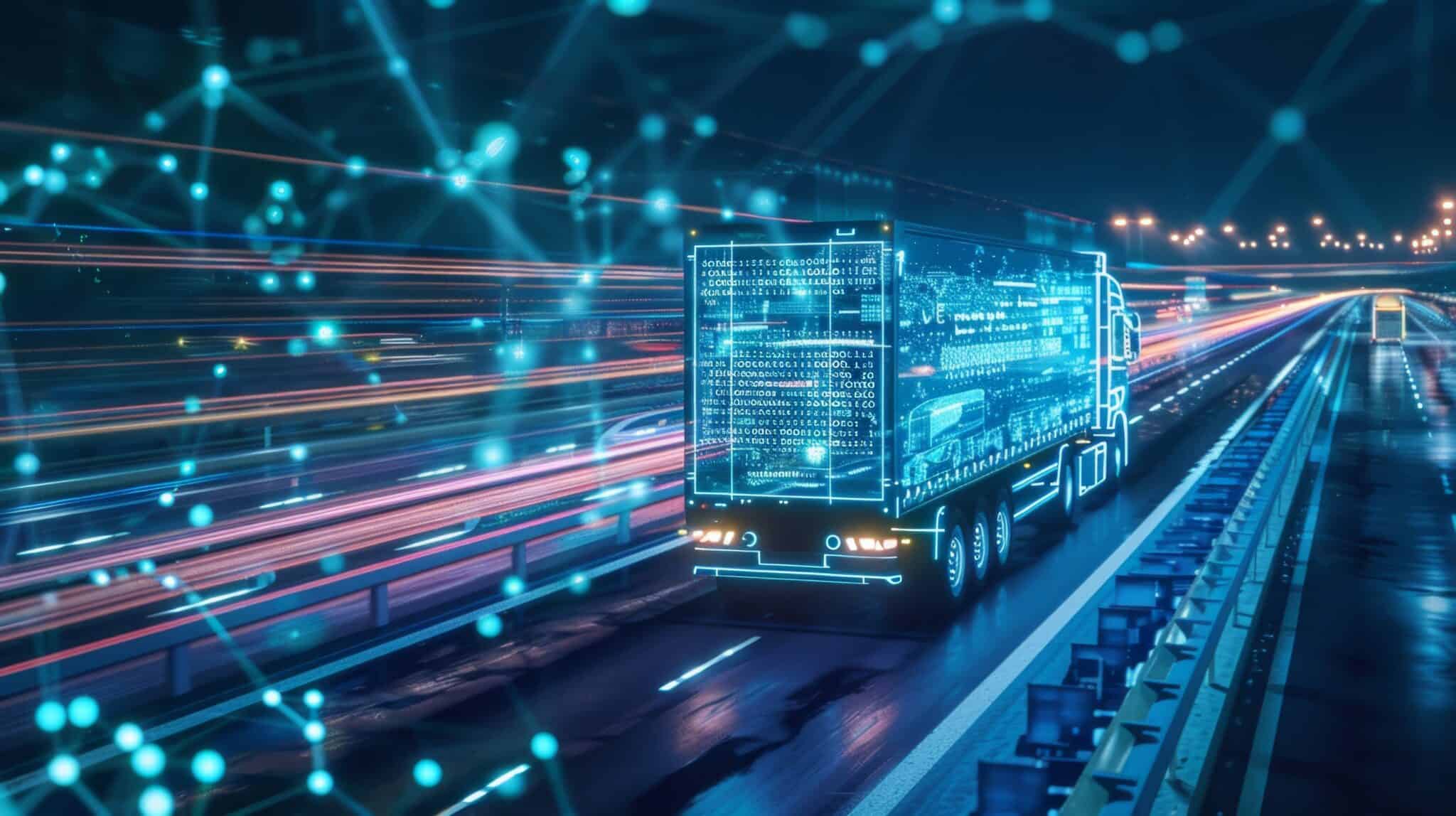
In 2026, AI is no longer a peripheral tool for basic forecasting. Advanced logistics platforms utilize Generative AI and machine learning to simulate millions of "what-if" scenarios. These systems can predict port congestion, weather disruptions, and shifts in consumer sentiment before they manifest physically. By analyzing unstructured data from news feeds, social media, and satellite imagery, AI allows firms to reroute shipments autonomously, minimizing downtime.
2. The Internet of Things (IoT) and Total Visibility
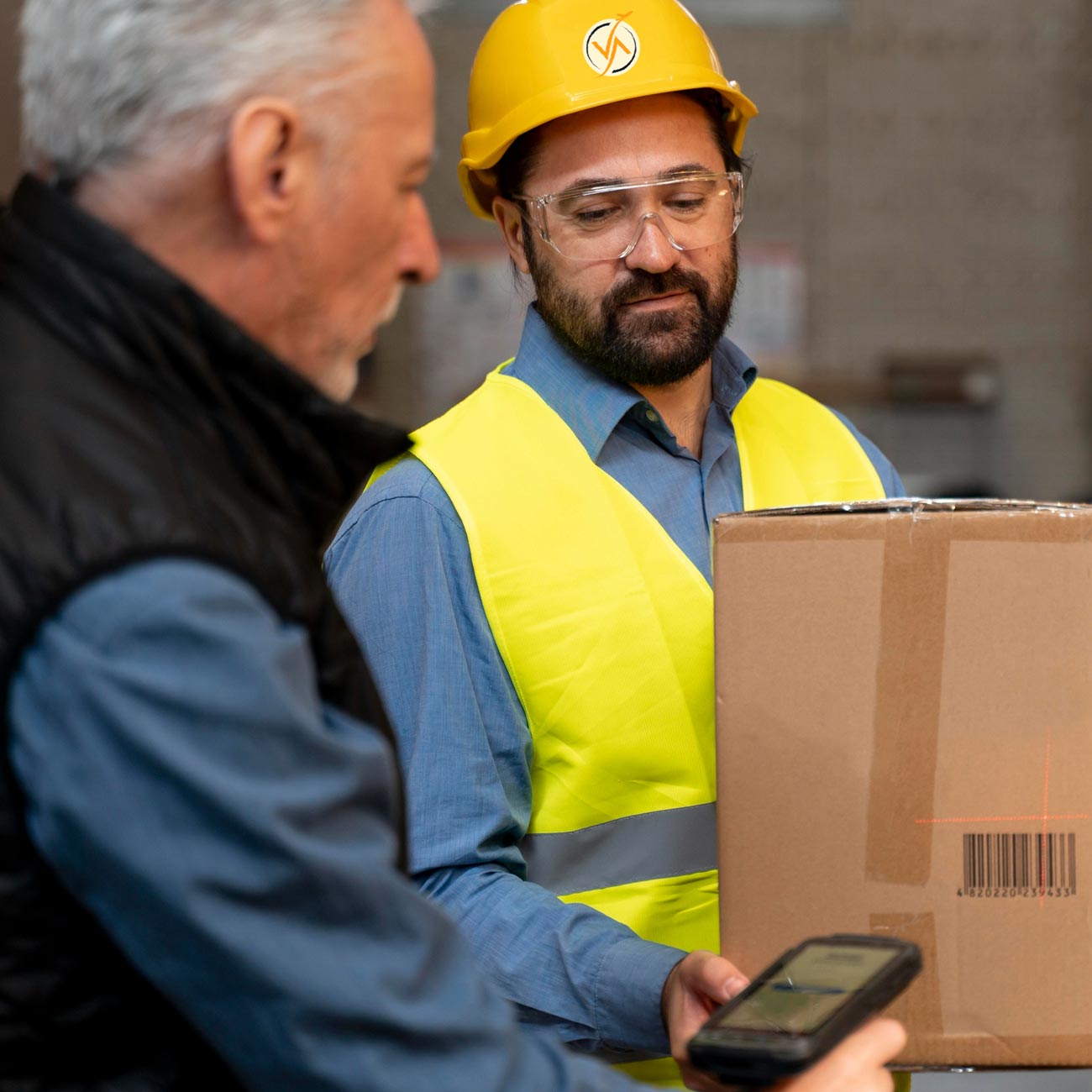
Visibility used to mean knowing where a truck was. Today, it means knowing the internal temperature, humidity, and vibration levels of a specific pallet in real-time. IoT integration has matured, with low-power wide-area networks (LPWAN) and 5G connectivity providing granular data across the entire transit journey. This "Cold Chain" integrity is particularly vital for the pharmaceutical and high-end food sectors, where a three-degree fluctuation can result in total inventory loss.
3. Robotics and Autonomous Mobile Robots (AMRs)
The modern warehouse has transitioned from manual picking to collaborative robotics. Unlike the fixed conveyor systems of the past, AMRs utilize LiDAR and computer vision to navigate dynamic environments alongside human workers. In more advanced "Lights-Out" facilities, human presence is minimal, allowing for 24/7 operations with zero lighting or climate control requirements for the machinery, significantly reducing overhead.
4. Sustainable and Circular Logistics
As of 2026, regulatory frameworks like the Corporate Sustainability Reporting Directive (CSRD) have made carbon tracking mandatory for many global enterprises. Advanced logistics incorporates Green Logistics by optimizing "Last-Mile" delivery through electric vehicle (EV) fleets and hydrogen-powered long-haul freight. Furthermore, advanced systems now manage "Reverse Logistics"—the process of returning and recycling products—as a core profit center rather than a cost burden.
Comparing Traditional vs. Advanced Logistics
The following table highlights the material differences between legacy logistical frameworks and the advanced systems currently dominating the 2026 market.
| Feature | Traditional Logistics | Advanced Logistics (2026) |
|---|---|---|
| Data Usage | Historical/Reactive | Real-time/Predictive |
| Primary Goal | Cost Reduction | Agility & Customer Experience |
| Technology | Siloed ERP Systems | Integrated Digital Twins |
| Workforce | Manual/Labor Intensive | Tech-Augmented/Cobotic |
| Sustainability | Optional/Marketing-led | Core Requirement/Compliant |
| Visibility | Milestone-based (Scan points) | Continuous (IoT/GPS) |
| Scalability | Linear (Requires more assets) | Exponential (Cloud-orchestrated) |
The Role of Digital Twins in Supply Chain Orchestration
A critical component of advanced logistics is the Digital Twin—a virtual replica of the physical supply chain. By mirroring every warehouse, vehicle, and inventory unit in a digital environment, managers can test stress points without risking actual assets.
In 2026, these digital twins are connected to live data feeds. If a labor strike occurs at a major European port, the digital twin immediately calculates the impact on the entire network, suggesting alternative routes and adjusting production schedules at the factory level. This level of dynamic orchestration reduces the bullwhip effect, where small fluctuations in demand cause massive inefficiencies upstream.
Implementation Steps: Transitioning to Advanced Logistics
Moving from a traditional setup to an advanced logistical framework requires a phased approach to manage both capital expenditure and organizational change.
Step 1: Data Centralization and Cloud Migration
The foundation of advanced logistics is a "Single Source of Truth." Companies must migrate from fragmented, on-premise software to cloud-native Supply Chain Management (SCM) platforms. These platforms must be capable of ingesting data from external partners (carriers, suppliers, and customs) via APIs.
Step 2: Strategic IoT Deployment
Identify the "blind spots" in your current network. For most, this is the transition between the warehouse and the final delivery. Deploying sensor-based tracking on high-value or sensitive assets provides the necessary data to feed into AI models.
Step 3: Pilot Automation in Controlled Environments
Rather than automating an entire 500,000-square-foot facility at once, successful firms implement modular automation. This might involve introducing AMRs for sortation or using AI-driven software for slotting optimization (arranging the warehouse based on pick frequency).
Step 4: Workforce Upskilling
The "Advanced" in advanced logistics refers to the people as much as the machines. Training programs should focus on data literacy and the management of automated systems. In 2026, the role of a warehouse manager has evolved into that of a Systems Orchestrator.
Financial Considerations and ROI
While the initial investment in advanced logistics—software licenses, robotic hardware, and specialized talent—is higher than traditional methods, the long-term Return on Investment (ROI) is driven by three factors:
- Reduced Operational Costs: Automation significantly lowers the cost-per-pick and reduces errors that lead to expensive returns.
- Inventory Optimization: Predictive analytics allow companies to maintain lower safety stock levels, freeing up working capital that was previously tied up in "just-in-case" inventory.
- Customer Retention: In an era of 30-minute delivery windows and total transparency, advanced logistics is the primary driver of customer loyalty.
Common Challenges and Troubleshooting
Despite the benefits, the path to advanced logistics is fraught with technical and operational hurdles.
- Interoperability Issues: Many companies struggle when new AI tools cannot "talk" to legacy hardware. The solution lies in using middleware or selecting platforms that adhere to open standards like those set by the Digital Container Shipping Association (DCSA).
- Cybersecurity Risks: As logistics networks become more connected, they become larger targets for ransomware. Advanced logistics must be built on a Zero Trust Architecture, ensuring that a breach in a single delivery drone's software cannot compromise the entire corporate network.
- Data Overload: More data is not always better. Without proper filtering, managers can suffer from "alert fatigue." Troubleshooting this requires setting strict automated exception triggers—only alerting human operators when the AI cannot resolve a deviation within predefined parameters.
Frequently Asked Questions
What is the difference between 4PL and 5PL in advanced logistics? A 4PL (Fourth-Party Logistics) provider manages the entire supply chain, including other 3PLs. A 5PL (Fifth-Party Logistics) provider goes further by focusing on e-commerce networks and using "Big Data" to manage multiple supply chains simultaneously, often integrating blockchain for automated settlements.
How does blockchain improve advanced logistics? In 2026, blockchain is primarily used for Smart Contracts and "Provenance Tracking." It creates an immutable record of a product's journey, which is essential for verifying organic certifications, fair trade standards, or the authenticity of high-value luxury goods.
Is advanced logistics only for large corporations? No. While large firms were early adopters, the rise of Logistics-as-a-Service (LaaS) allows small and medium enterprises (SMEs) to "rent" access to advanced warehouses and AI-driven routing software on a per-use basis, leveling the playing field.
What role does 5G play in logistics? 5G provides the high bandwidth and low latency required for real-time communication between thousands of devices in a small area. This is the technology that enables swarms of robots to work together in a warehouse without colliding and allows for the remote operation of yard trucks.
How does advanced logistics impact environmental goals? By optimizing routes and load factors (ensuring trucks are never driving empty), advanced logistics can reduce a company’s carbon footprint by up to 25%. Advanced systems also facilitate the transition to circular economies by managing the complex flows of refurbished and recycled materials.
Final Recommendation
For organizations looking to modernize, the most critical next action is a Digital Maturity Audit. Before investing in robotics or AI, you must ensure your data infrastructure is clean, accessible, and integrated. Start by solving a single, high-impact problem—such as last-mile delivery delays or warehouse picking errors—using a scalable cloud-based tool. As you see measurable ROI, expand your advanced logistics footprint horizontally across the supply chain to create a truly resilient and autonomous network.
Image Gallery