White Pages Directory Search and Personal Data Management Guide for 2026
White Pages, frequently searched via the common typographical error "whote pages," refers to the digital evolution of the traditional telephone directory used to locate individuals, contact information, and public records. In 2026, the...
White Pages, frequently searched via the common typographical error "whote pages," refers to the digital evolution of the traditional telephone directory used to locate individuals, contact information, and public records. In 2026, these platforms serve as sophisticated data aggregators providing identity verification, criminal background checks, and property records for personal and professional due diligence across the United States.
Contents
The Evolution of People Search: Why "Whote Pages" Remains a Top Search in 2026
The transition from physical paper directories to hyper-connected digital databases has fundamentally changed how we access personal information. While many users still search for "whote pages" out of habit or via mobile autocorrect, the underlying technology has shifted from simple alphabetized lists to complex relational databases. In 2026, the people search niche is a multi-billion dollar industry powered by real-time data scraping and state-level public record integration.
The modern White Pages ecosystem is no longer just about finding a landline number—a technology that is nearly obsolete in 2026. Instead, it focuses on "Identity Resolution." This involves linking a person’s historical addresses, mobile numbers, email aliases, social media profiles, and professional certifications into a single, searchable "Golden Record." For consumers, this means greater ease in finding long-lost relatives or verifying the identity of a secondary-market seller. However, it also necessitates a higher level of scrutiny regarding personal data privacy and the accuracy of public information.
How White Pages Directories Aggregate Data in the Modern Era
To understand how information appears on these sites, one must look at the digital trail every citizen leaves behind. White Pages providers utilize sophisticated crawlers that interface with various "upstream" data brokers and government repositories.
Primary Data Sources and Public Records
The information found in 2026 directories is synthesized from three primary silos:
- Government and Municipal Records: This includes voter registration files, property tax assessments, marriage licenses, divorce decrees, and criminal court dockets. These are considered "open records" and are the most difficult to suppress.
- Commercial Transactions: When you sign up for a loyalty card, apply for a credit card, or register a new utility service, that data is often sold to wholesale data brokers who then license it to White Pages sites.
- Social and Digital Footprints: Advanced AI algorithms now scrape LinkedIn, X (formerly Twitter), and niche professional forums to associate professional titles and interests with physical addresses.
The Role of Artificial Intelligence in Data Synthesis
By 2026, the use of Large Language Models (LLMs) and Graph Neural Networks has allowed directories to "deduplicate" records with 99% accuracy. In the past, someone named "John Smith" in New York might have dozens of conflicting entries. Modern systems now analyze secondary data points—such as a spouse's name, a former neighbor’s move date, or a specific professional license number—to ensure that the search results you see are for the specific individual you intended to find.
Comparing Top People Search Directories 2026
Not all directories are created equal. Some prioritize contact information, while others focus on deep background checks. The following table compares the leading providers in the current 2026 landscape.
| Provider | Primary Focus | Accuracy Rating | FCRA Compliant? | 2026 Monthly Subscription |
|---|---|---|---|---|
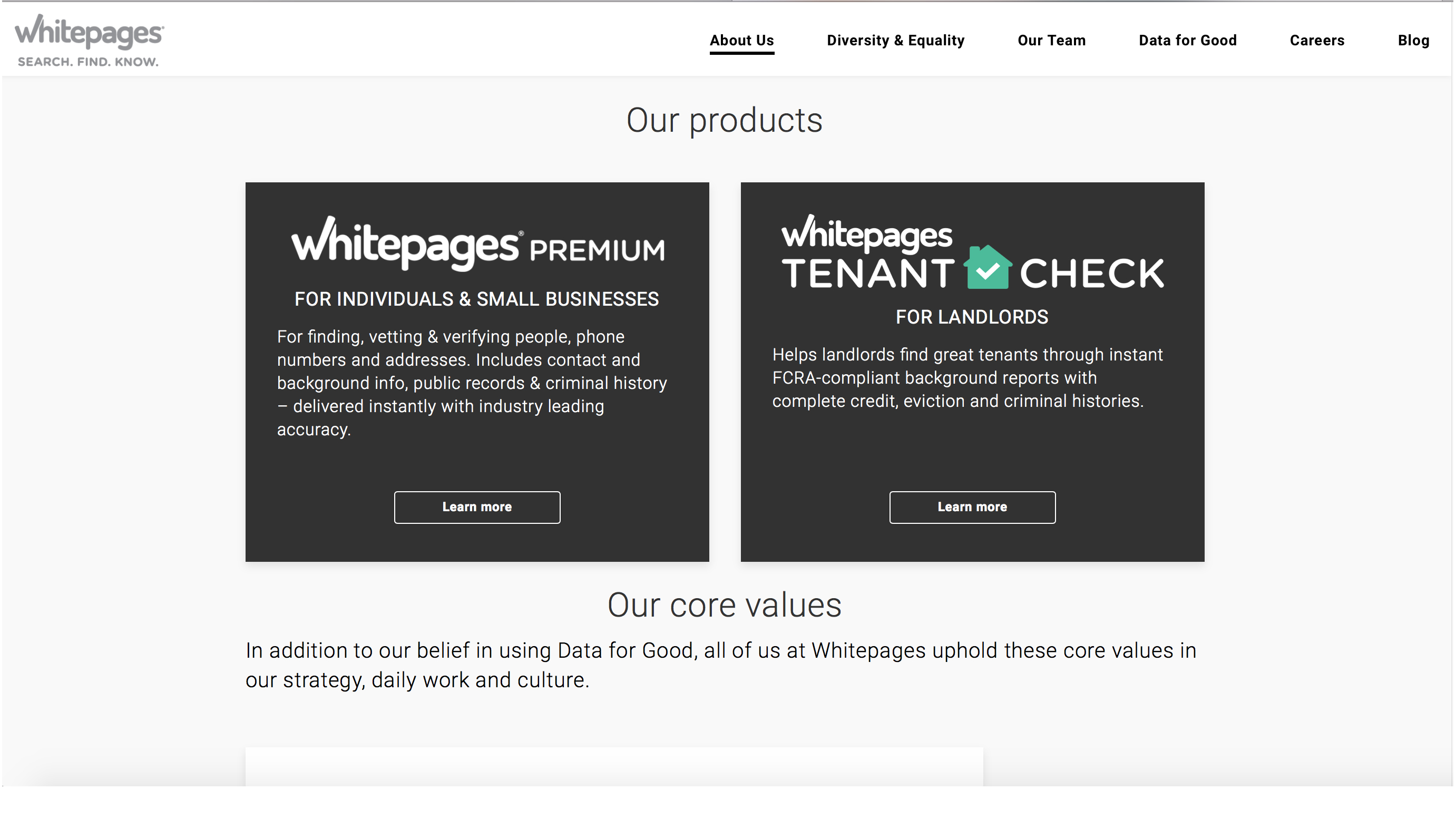
| Whitepages.com | Contact & Landlord Tools | High | No (For Personal Use Only) | $19.99 - $29.99 |
| Spokeo | Social Media & Deep Web | Medium | No | $14.95 - $24.95 |
| BeenVerified | Background & Criminal | High | No | $26.89 - $35.00 |
| Intelius | Identity & Connection Maps | High | No | $24.86 - $42.00 |
| CheckPeople | Public Records & Traffic | Medium | No | $17.16 - $29.00 |
Critical Compliance Note on the Fair Credit Reporting Act (FCRA)
Regulatory Restriction It is a federal violation of the Fair Credit Reporting Act to use any of the services listed above to determine eligibility for credit, insurance, employment, or tenant screening. These platforms are not Consumer Reporting Agencies (CRAs). Using a "whote pages" search to vet a job applicant or a potential renter can lead to significant legal liability for individuals and small businesses.
The Legal Landscape: Consumer Rights and Data Privacy in 2026
The year 2026 marks a significant turning point for data privacy in the United States. With the expansion of the California Privacy Rights Act (CPRA) and similar frameworks now active in over 20 states (including Texas, Florida, and New York), consumers have more power than ever over their "White Pages" presence.
The Right to Know and The Right to Delete
Under current 2026 regulations, you have the legal right to request a full disclosure of the data a directory holds on you. This includes:
- The categories of personal information collected.
- The sources from which that information was collected.
- The third parties to whom the information was sold or shared.
Furthermore, "Do Not Sell or Share My Personal Information" links are now mandatory and must be clearly visible on the homepage of any directory service. In 2026, many of these sites have automated their opt-out processes to comply with the Global Privacy Control (GPC) signal, a browser-level setting that tells websites not to track or sell your data.
Step-by-Step Guide to Removing Your Information from White Pages
If you have discovered your private details on a directory and wish to remove them, follow this standardized 2026 protocol. While each site has a unique interface, the "Right to Delete" workflow is generally consistent.
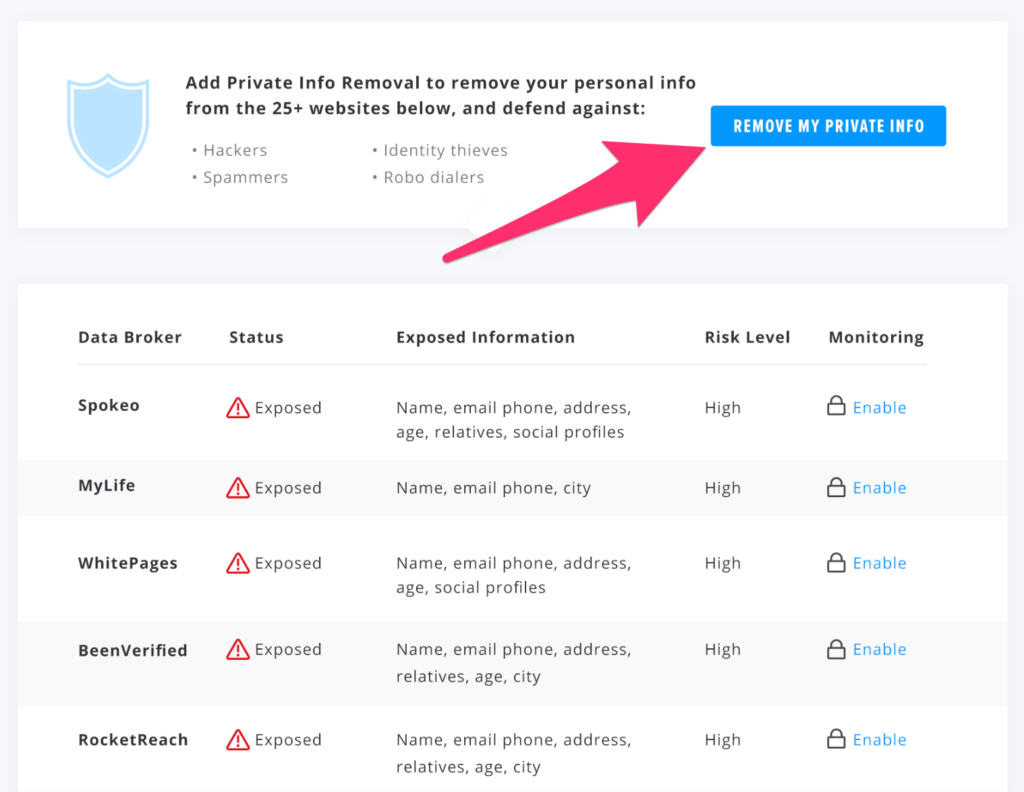
- Identify the Source: Search for yourself on the major platforms to see which ones hold the most sensitive data.
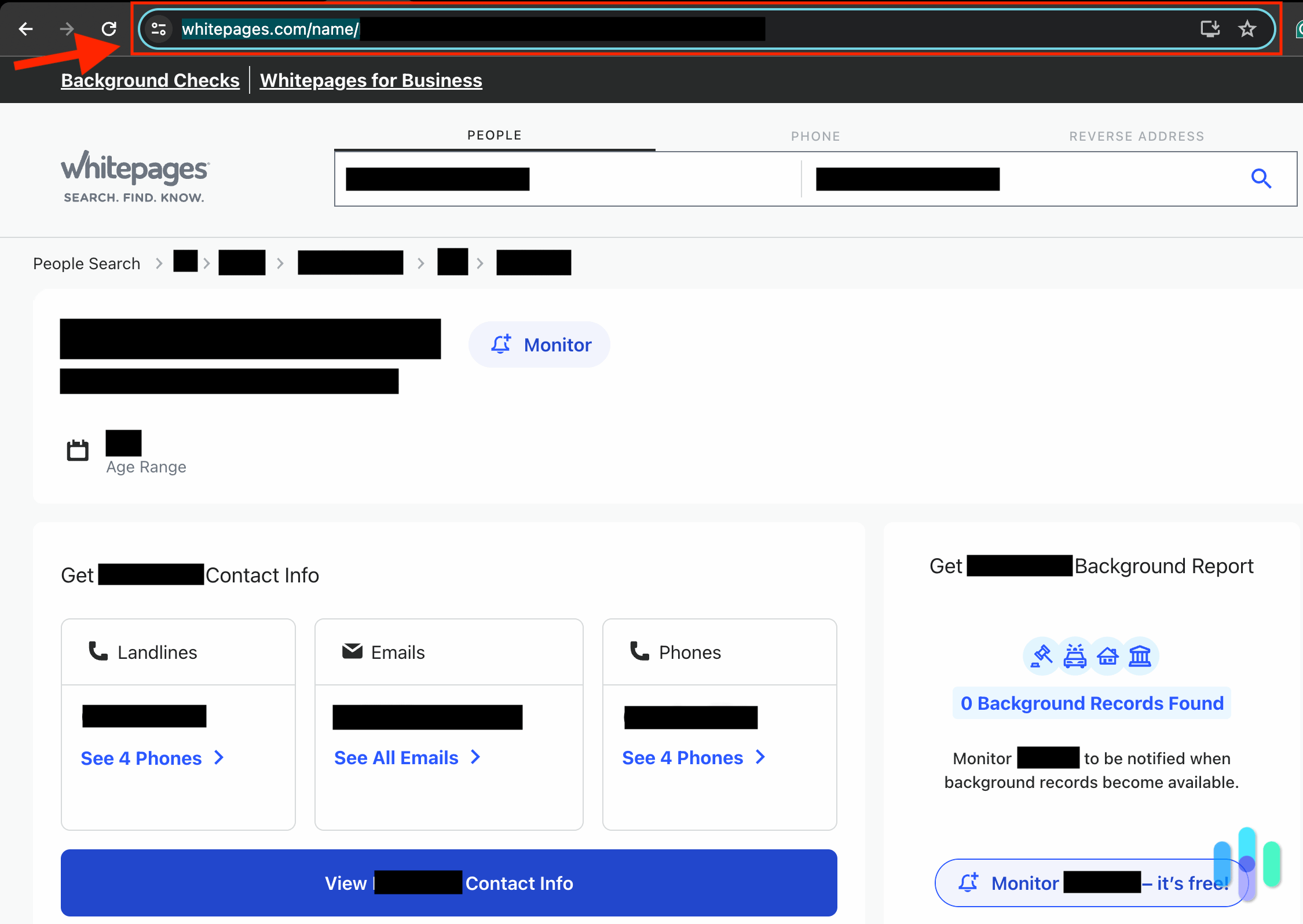
- Locate the Opt-Out Page: Look at the very bottom of the website (the footer) for links labeled "Do Not Sell My Info," "Privacy Center," or "Opt-Out."
- Submit a Verifiable Request: You will typically need to provide the URL of your specific profile. Do not provide more information than is necessary to identify the record.
- Confirm via Email: Most 2026 privacy protocols require a double opt-in. You will receive an email to confirm that you are indeed the person requesting the removal.
- Monitor for Re-appearance: Data brokers often "re-index" people when they move or change jobs. Use a dedicated privacy monitoring service or set a recurring calendar reminder to check these sites every six months.
Advanced Search Strategies for 2026
Performing an effective search requires more than just a name. Because "whote pages" databases are so vast, precision is key to avoiding "false positives."
- Reverse Phone Lookup: If you have a missed call, use the 10-digit number. In 2026, these searches can often identify not just the owner, but whether the number is a VOIP (Voice over IP) line, which is a common indicator of spam.
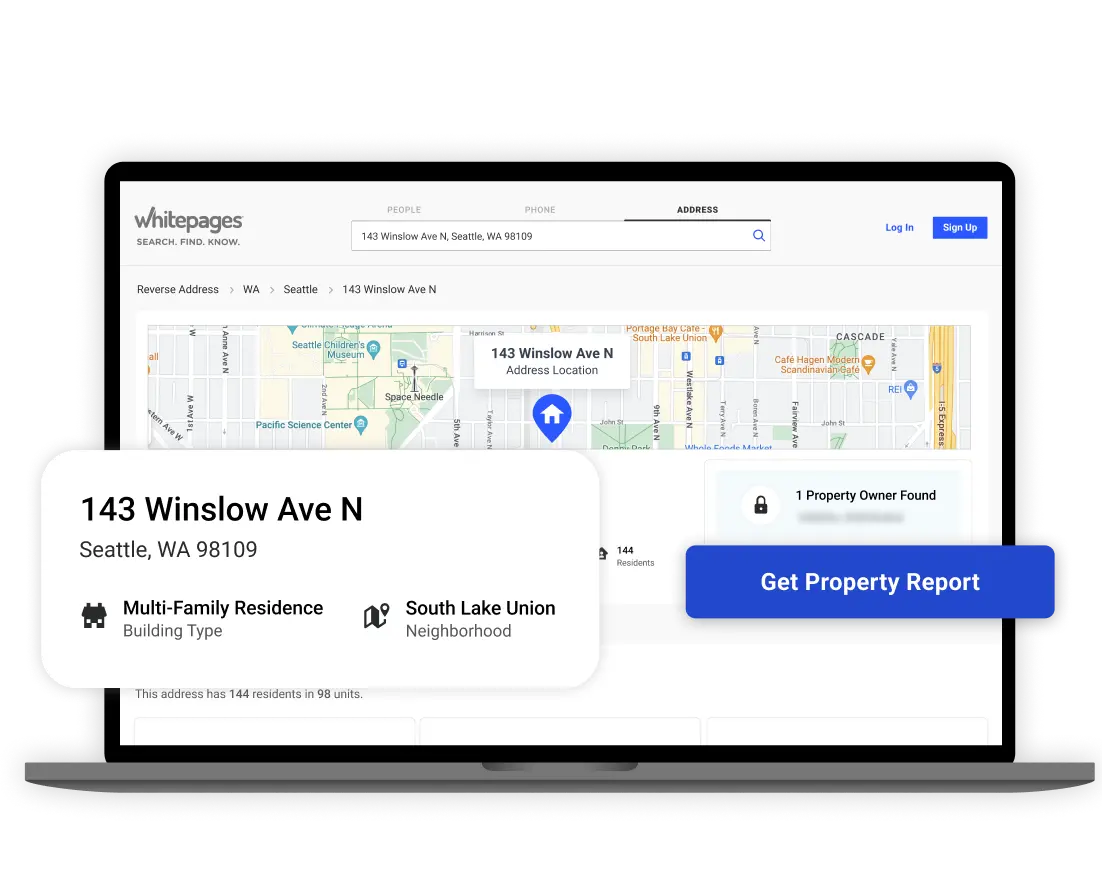
- Property History Search: Use a physical address to find current and former residents. This is particularly useful for genealogy research or neighborhood safety assessments.
- Relative Linking: If the person you are looking for has a common name, search for a known relative. Most directories now display "Possible Relatives," which can help you triangulate the correct individual.
- Filtered Results: Always use the "Age" and "Current City" filters. This is the fastest way to narrow down a search from thousands of results to a handful of likely candidates.
Technical Limitations and Data Latency
It is important to understand that no directory is 100% accurate. Data latency refers to the time gap between a real-world change (like moving houses) and that change appearing in a "whote pages" search result.
- Public Record Delays: County clerks may take 30 to 90 days to digitize property deeds or court records.
- Data Aggregation Lag: A directory might buy a data "dump" only once every quarter.
- Ghost Records: Sometimes, information for two people with similar names is accidentally merged, creating a "ghost" profile that does not exist in reality.
Security and Scam Prevention
In 2026, the "whote pages" niche is a frequent target for phishing and "deceptive patterns." Users should be wary of sites that claim to have "Hidden Social Media Photos" or "Secret Government Files" behind a paywall.
- Check for HTTPS: Ensure the site has a valid security certificate.
- Read the Fine Print: Many sites offer a $1.00 trial that automatically converts into a $30.00 monthly subscription after seven days.
- Avoid Third-Party "Removal" Scams: Only use reputable privacy companies. Some fly-by-night services claim they can "erase you from the internet" for a high fee but simply perform the same free opt-out steps listed above.
Frequently Asked Questions (FAQ)
Is it legal for these sites to have my home address?
Yes, in the United States, home addresses and phone numbers are generally considered part of the public record. Unless you are a protected individual (such as a judge, law enforcement officer, or victim of certain crimes with a protected address), directories can legally display this information as long as they provide a mechanism for you to opt-out under state privacy laws.
Why does the site show my old address from ten years ago?
Directories keep historical records to help users track people over long periods. This data is often pulled from old utility bills or voter registrations. If the information is outdated, you can usually submit a correction request or choose to have the entire profile deleted from their active search index.
Can I find a cell phone number on the White Pages?
Yes, but cell phone data is much more restricted than landline data. Most "free" results will only show the city and carrier of a mobile number. Accessing the actual owner’s name usually requires a "Premium" or "Pro" report, as this data is purchased from mobile marketing aggregators rather than public utilities.
Does searching for someone notify them?
No, searching for someone on a reputable people search engine is completely anonymous. The subject of the search will not receive a notification, and your identity as the searcher is not shared with them. However, always ensure you are using a legitimate site to avoid your own search history being tracked for marketing purposes.
How do I remove my information if I live in a state without a privacy law?
Even if your state has not passed a specific "Right to Delete" law by 2026, most major directories (like Whitepages.com and Spokeo) apply the California (CCPA/CPRA) standards to all US residents to simplify their compliance operations. You can still use their standard opt-out forms, and they will typically honor the request regardless of your zip code.
Are the criminal records on these sites 100% accurate?
No, criminal records on people search sites should never be considered official. They are often "snapshots" of an arrest record and may not reflect the final disposition of a case (such as a dismissal or expungement). Always verify criminal history through official county or state law enforcement portals if the information is being used for a sensitive purpose.
Managing Your Digital Identity in 2026
The presence of your personal data on "whote pages" and similar directories is a reality of the modern digital economy. While these tools offer significant utility for reconnecting with others and verifying identities, they require proactive management. By understanding the data sources, utilizing 2026 privacy regulations, and performing regular audits of your online presence, you can balance the benefits of connectivity with the necessity of personal security.
If you are concerned about your current exposure, start by performing a self-search on the top three directories listed in our comparison table. Document any inaccuracies and initiate the opt-out process for any data that poses a risk to your personal safety or digital reputation.
Image Gallery