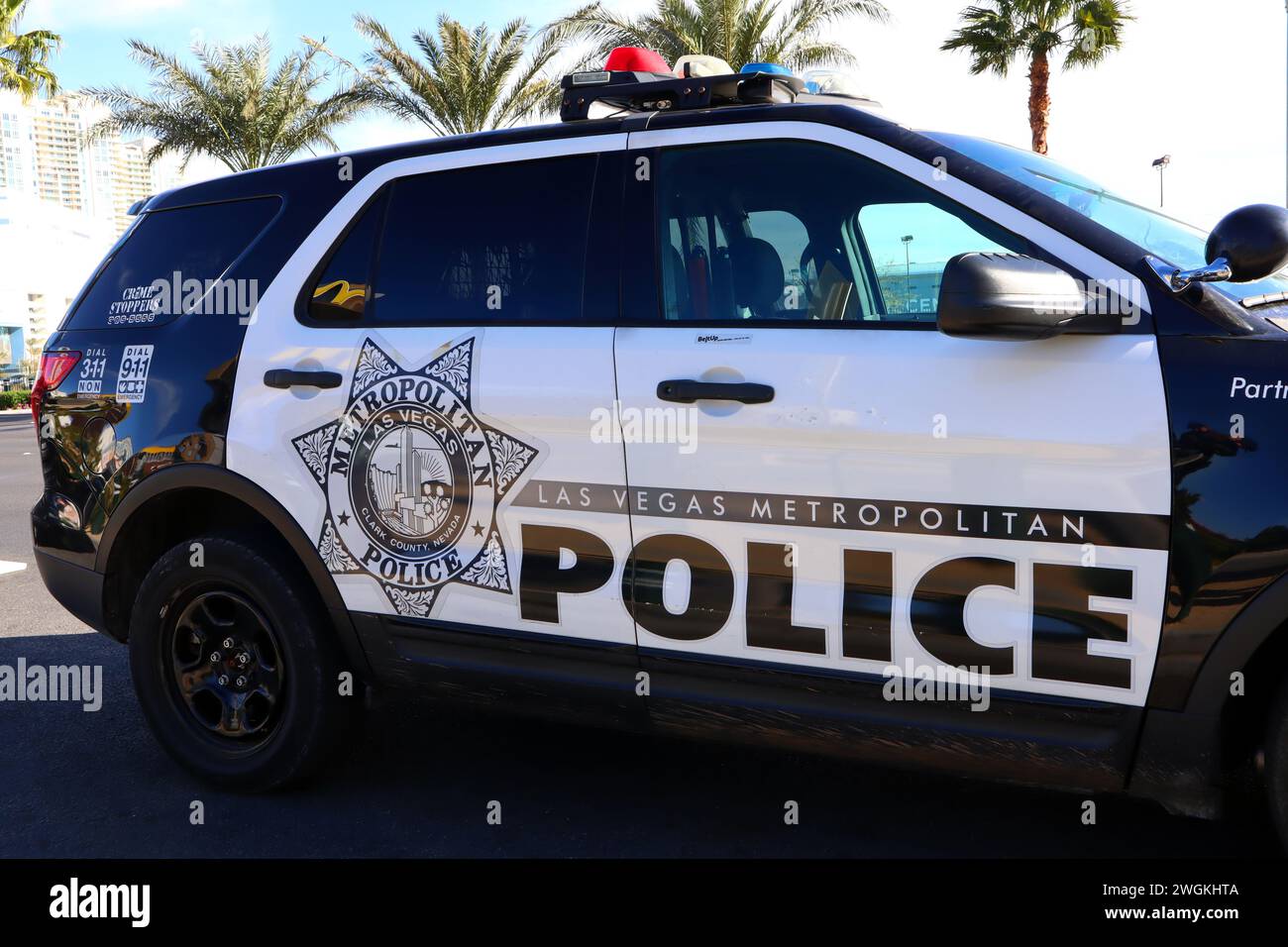
What Does Metro Do in Police? Roles, Responsibilities, and Specialized Units
In law enforcement, "Metro" primarily refers to specialized tactical divisions within large municipal departments, such as the LAPD Metropolitan Division, or consolidated city-county law enforcement agencies like the Las Vegas Metropol...
In law enforcement, "Metro" primarily refers to specialized tactical divisions within large municipal departments, such as the LAPD Metropolitan Division, or consolidated city-county law enforcement agencies like the Las Vegas Metropolitan Police Department. These units handle high-risk tactical deployments, SWAT operations, dignitary protection, K-9 searches, and targeted high-intensity crime suppression.
Contents
While the term "Metro" varies slightly depending on regional jurisdiction, its primary function across agencies focuses on deploying advanced tactical resources and specialized personnel to situations that standard patrol officers are not equipped to manage.
Core Functions of Metro Police Units
Metropolitan divisions and consolidated metro departments serve as the operational backbone for high-stakes law enforcement operations. Unlike general patrol officers who handle routine calls for service, Metro personnel are deployed strategically based on real-time intelligence, high-risk operational needs, and critical incidents.
1. Tactical Operations and SWAT Support
The primary technical responsibility of a Metro division is providing tactical response capabilities during high-threat events. Metro divisions frequently house or work directly alongside Special Weapons and Tactics (SWAT) teams. These officers undergo rigorous tactical training to manage complex emergencies, including:
- Hostage Rescue Operations: Utilizing specialized entry tactics, ballistic shielding, and explosive entry methods to breach fortified locations and rescue hostages.
- Barricaded Suspect Resolution: Deploying less-lethal munitions, chemical agents, and crisis negotiation strategies to resolve standoffs without force.
- High-Risk Warrant Service: Executing search and arrest warrants involving armed felony suspects, organized crime networks, or narcotics operations.
2. High-Intensity Crime Suppression and Saturation Patrols
Metro units act as flexible tactical strike forces deployed to areas experiencing sudden spikes in violent crime. Utilizing intelligence-led policing models and real-time statistics, Metro commanders station specialized platoons in specific violent crime corridors. These saturation patrols focus on illegal firearm seizures, gang suppression, violent felony warrant arrests, and high-visibility deterrence.
3. Dignitary Protection and Executive Security
Metropolitan divisions are routinely tasked with designing and executing security details for visiting heads of state, foreign diplomats, political candidates, and high-profile public figures. Metro protection details involve comprehensive route planning, counter-sniper positioning, motorcade escorts, and secure perimeter defense.
4. Specialized Search and Canine (K-9) Operations
Metro divisions maintain advanced search capabilities, incorporating specialized K-9 units trained for multi-discipline deployments. Metro K-9 teams handle narcotic detection, explosive ordnance detection, tracking fleeing violent felons, and locating missing persons in rugged urban or suburban terrain.
Structural Disambiguation: Understanding the Three Types of "Metro" in Policing
To understand how Metro operates within law enforcement, it is essential to distinguish between the three distinct contexts in which the term is used across public safety organizations.
| Context Type | Primary Definition | Key Operational Focus | Primary Example Agencies |
|---|---|---|---|
| Tactical Metro Division | Specialized tactical division within a major municipal police agency. | SWAT, high-risk warrant execution, dignitary protection, high-intensity crime suppression. | LAPD Metropolitan Division ("Metro") |
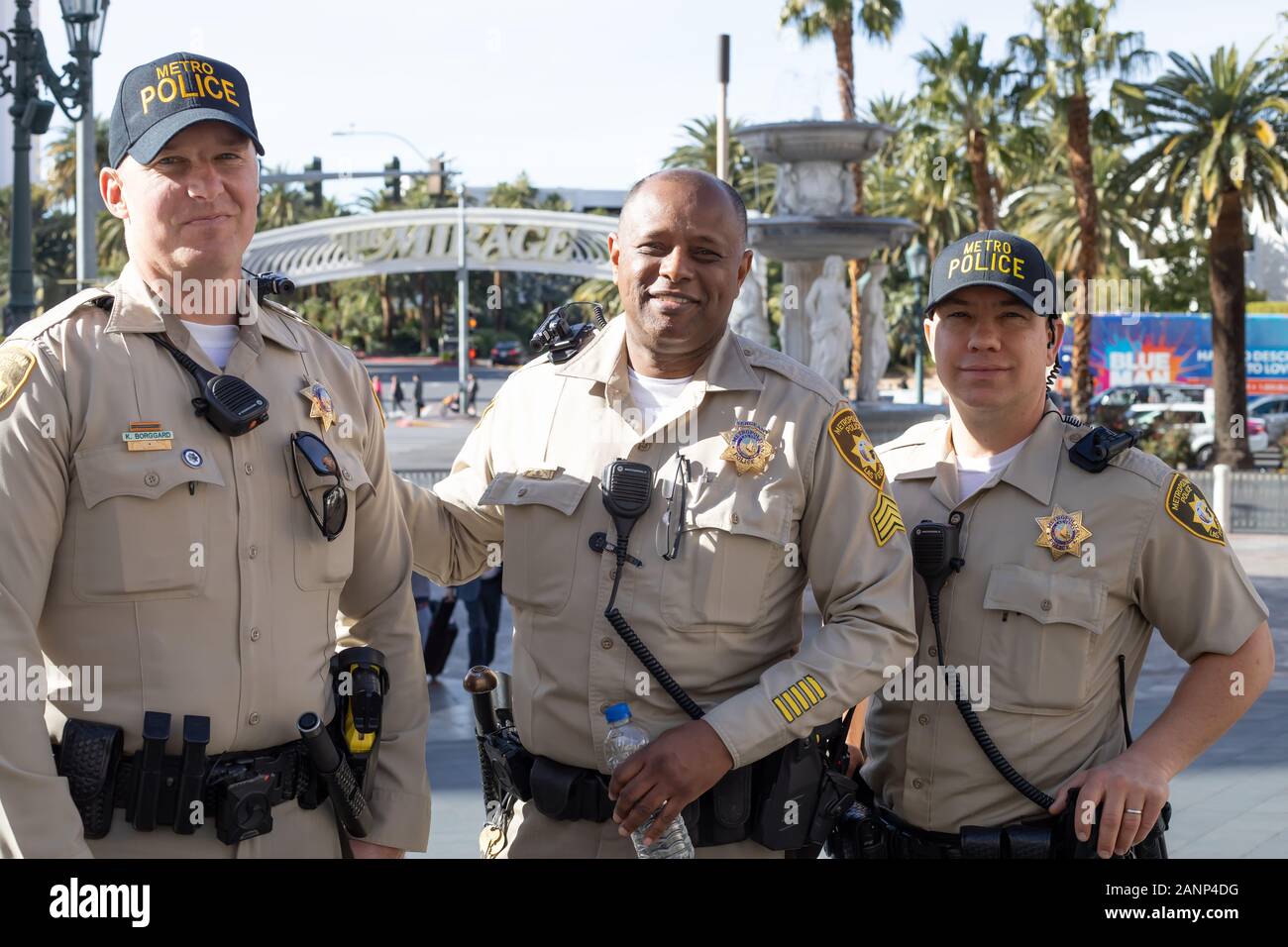
| Consolidated Metro Department | A merged city-county police agency operating across an entire metropolitan county. | Full-spectrum public safety, general patrol, criminal investigations, countywide dispatch. | Las Vegas Metropolitan Police Department (LVMPD), Indianapolis Metropolitan Police Department (IMPD) |
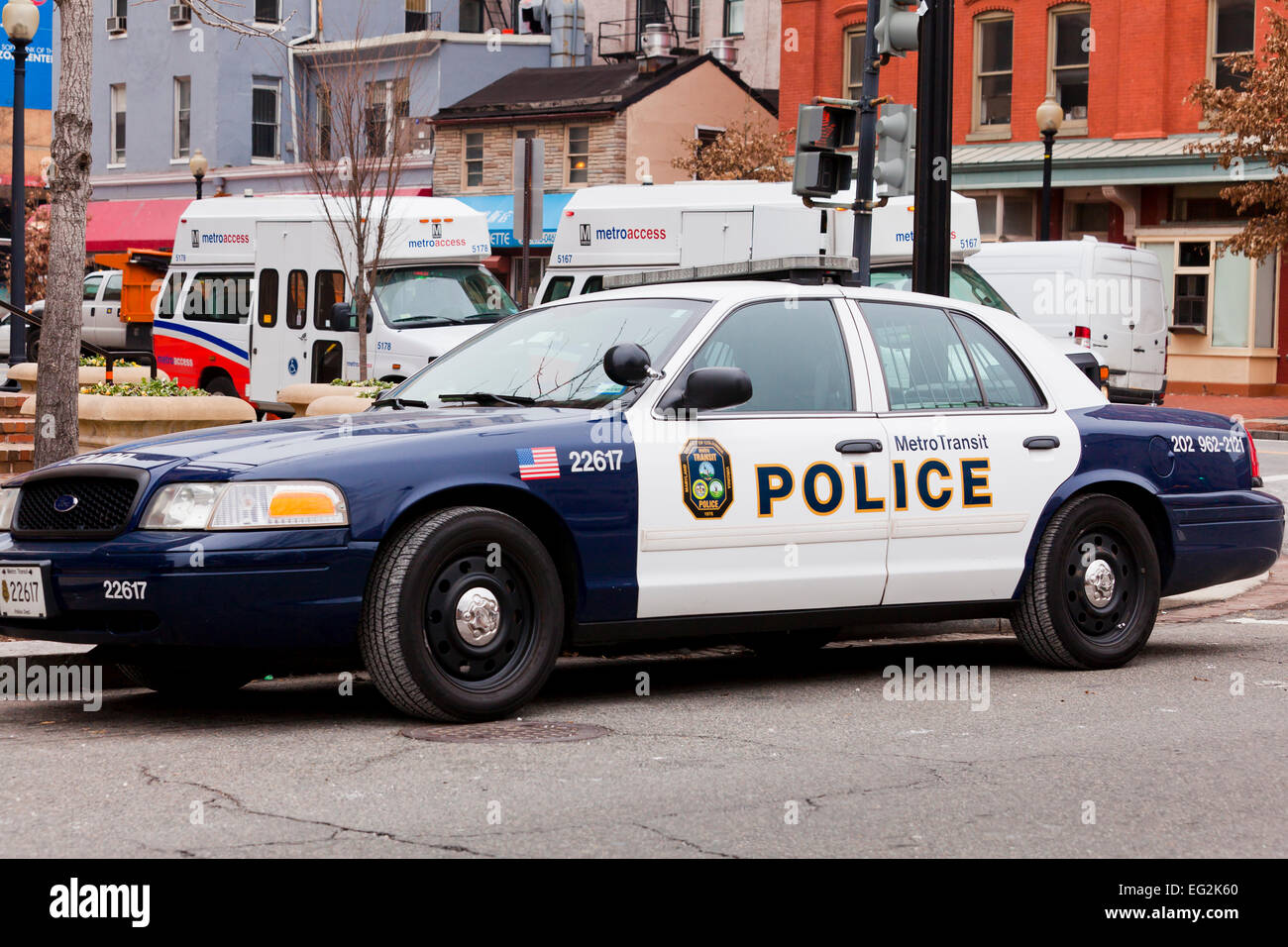
| Transit Metro Police | Specialized law enforcement agency tasked specifically with transit system security. | Railway safety, passenger protection, bus system enforcement, infrastructure security. | WMATA Metro Transit Police Department (DC Metro), LA Metro Transit Security |
Inside a Specialized Tactical Metro Division: Platoon Structure
To understand how a tactical Metro division operates on a daily basis, examine the platoon structure popularized by major law enforcement agencies like the Los Angeles Police Department. Tactical Metro divisions are traditionally broken down into distinct platoons, each dedicated to a specific specialized discipline.
Platoon A: Operational Command and Administrative Planning
Platoon A functions as the nerve center for Metro management. Personnel assigned to Platoon A handle operational scheduling, tactical threat assessments, specialized equipment logistics, and inter-agency coordination for high-profile events.
Platoons B and C: Crime Suppression and Tactical Support
Platoons B and C form the primary crime suppression strike force within Metro. These officers are deployed to high-crime areas to conduct proactive policing operations. They focus heavily on street-level gang interdiction, recovering illegal firearms, and serving high-risk arrest warrants. Officers in Platoons B and C are trained in advanced tactical driving, room clearing, and dynamic entry protocols.
Platoon D: Special Weapons and Tactics (SWAT)
Platoon D is the elite tactical strike arm of Metro. SWAT operators within Platoon D maintain 24/7 readiness to respond to active shooter incidents, barricaded barricades, sniper threats, and hostage rescues. SWAT members receive specialized training in high-angle rope rescue, explosive breaching, sniper/observer operations, and armored vehicle operations (such as Lenco BearCat platforms).
Platoon E: Mounted Unit
The Mounted Platoon utilizes specialized horse-and-rider teams for crowd management, park security, and public relations. Mounted units provide an elevated vantage point during large demonstrations, festivals, and sporting events, allowing officers to monitor large crowds effectively while maintaining rapid mobility across irregular terrain.
Platoon H: Executive Protection Unit
Platoon H is dedicated exclusively to dignitary protection. Officers in Platoon H work closely with federal partners such as the U.S. Secret Service, State Department Bureau of Diplomatic Security, and FBI to protect local municipal leaders and foreign dignitaries.
K-9 Platoon: Tactical Canine Operations
The K-9 Platoon consists of certified handlers and specialized police dogs. These teams undergo continuous evaluation in bite work, tracking, tactical movement alongside SWAT operators, and detection of narcotics or explosives.
How Metro Units Are Deployed in Modern Law Enforcement
Metro units do not operate on a traditional dispatch queue. Instead, their deployment follows strategic command directives based on threat levels, crime intelligence, and tactical emergencies.
- INCIDENT TRIGGER DETECTED
- (Barricaded Suspect, Active Shooter, Crime Surge, Hostage Event)
- TACTICAL RISK ASSESSMENT
- Incident Command evaluates threat level & required expertise
- METRO DIVISION DISPATCH
- Specialized Platoon activated (SWAT, K-9, Saturation, Protection)
- TACTICAL DEPLOYMENT & CONTAINMENT
- Inner/outer perimeters set; specialized tools & tactics deployed
- DE-ESCALATION OR RESOLUTION
- Suspect taken into custody; scene secured; control handed back
1. Intelligence-Driven Targeted Patrols
In modern law enforcement agencies, Metro units use predictive crime analysis and real-time mapping to identify violent crime hotspots. Command officers deploy Metro units into these zones to conduct high-visibility saturation patrols, interdict active gang conflicts, and remove illegal weapons from circulation.
2. Tactical Emergency Escalation
When a standard patrol officer encounters a high-threat scenario—such as an armed suspect barricaded inside a structure or an active shooter situation—the incident commander initiates an emergency activation of Metro’s tactical platoon (SWAT). Metro units respond with specialized equipment, including armored rescue vehicles, tactical drones, thermal imaging optics, and specialized breaching tools.
3. Large-Scale Event and Crowd Management
During major public gatherings, political rallies, or civil demonstrations, Metro divisions are deployed to manage crowd dynamics, secure physical boundaries, and prevent civil unrest. Metro officers trained in crowd control tactics use specialized formations, less-lethal launchers, and mounted units to maintain public safety while protecting constitutional rights.
Operational Advantages and Systemic Challenges
The deployment of specialized Metro divisions offers significant operational capabilities for law enforcement agencies, but it also presents unique administrative and community challenges.
Operational Advantages
Rapid High-Threat Response Capabilities Standard patrol divisions are equipped primarily for initial response and perimeter containment. Metro divisions provide specialized equipment, armored assets, and advanced tactical expertise necessary to resolve extreme threats safely.
Flexible Resource Allocation Because Metro units are not tied to answering standard emergency calls, commanders can deploy them dynamically wherever violent crime spikes or tactical emergencies arise.
Advanced Specialized Expertise Metro officers receive extensive, ongoing instruction in de-escalation tactics, tactical medicine (TCCC), crisis negotiation, precision marksmanship, and close-quarters tactical movements.
Operational Challenges
Community Friction and Over-Policing Concerns High-intensity saturation patrols conducted by Metro units can sometimes lead to tension with local residents if not carefully managed. Aggressive stop-and-frisk or high-volume traffic stops in high-crime neighborhoods require clear oversight and community policing integration to maintain public trust.
Significant Budgetary and Resource Demands Maintaining a Metro division requires substantial financial investment in specialized hardware, armored vehicles, advanced firearms, K-9 units, continuous training hours, and overtime compensation.
Selection Process and Tactical Training Standards for Metro Officers
Becoming a Metro officer requires extensive operational experience, high physical fitness, and proven psychological stability. Officers are rarely assigned to Metro directly out of the police academy; most departments require a minimum of three to five years of successful service in standard patrol divisions before applying.
1. Competitive Selection and Assessment
Candidates applying for Metro divisions undergo a rigorous selection process, including:
- Advanced Physical Fitness Assessments: Candidates must complete demanding fitness tests involving obstacle courses, long-distance runs, pull-ups, push-ups, and heavy equipment carries under strict time limits.
- Tactical Shooting Proficiency Tests: Applicants are evaluated on handgun and rifle marksmanship under physical stress, low-light conditions, and strict time constraints.
- Oral Review Boards: Senior Metro commanders interview candidates to assess decision-making capabilities, stress management, understanding of use-of-force policies, and operational discipline.
2. Specialized Tactical Training Programs
Once selected, Metro officers complete intensive specialized training courses covering:
- Tactical Combat Casualty Care (TCCC): Advanced battlefield medicine techniques to treat gunshot wounds and massive trauma under fire.
- De-Escalation and Crisis Negotiation: Specialized techniques designed to calm agitated or mentally ill individuals without resorting to lethal force.
- Close-Quarters Battle (CQB): Advanced tactics for searching structures, dynamic entry, room clearing, and team movement mechanics.
- Less-Lethal Munitions Systems: Operational proficiency with electronic control devices, chemical agents, kinetic impact projectiles, and distraction devices.
Frequently Asked Questions
What is the difference between SWAT and Metro in a police department?
SWAT is typically a specialized tactical platoon within a police department's broader Metro division. While Metro encompasses multiple specialized functions—such as mounted units, dignitary protection, K-9 teams, and crime suppression—SWAT focuses specifically on high-risk tactical interventions like hostage rescues, sniper threats, and barricaded armed suspects.
Does every city have a Metro police division?
No, not all cities use the term "Metro." Larger municipal departments (like the LAPD) maintain dedicated Metropolitan Divisions for specialized tactical work. In contrast, consolidated regional jurisdictions (like Las Vegas or Indianapolis) use "Metropolitan Police Department" to designate their entire combined city-county police force. Smaller agencies usually rely on regional mutual-aid tactical teams instead.
What kind of calls do Metro officers respond to?
Metro officers generally do not respond to routine property crime or minor dispute calls. Instead, they respond to violent crime incidents, high-risk warrant executions, active shooter situations, barricaded armed suspects, civil unrest, and protection details for visiting dignitaries.
How do transit Metro police differ from city Metro divisions?
Transit Metro police departments (such as the Washington Metropolitan Area Transit Authority Police) are independent police agencies focused exclusively on public transit infrastructure, including buses, subway stations, and train tracks. A municipal tactical Metro division is a specialized unit within a city police department that handles high-risk tactical operations across the entire city.
Can patrol officers join Metro directly after graduating from the academy?
No. Almost all major police departments require officers to complete several years (typically 3 to 5 years) of exemplary service in standard street patrol before becoming eligible to apply for Metro or SWAT selection processes.
Technical Conclusion and Resource Planning
Understanding what Metro does in police organizations highlights the vital role of specialized, intelligence-driven tactical units in modern public safety structures. Whether operating as a dedicated crime suppression division within a municipal force or serving as a unified city-county law enforcement agency, Metro divisions provide critical capabilities for resolving high-risk incidents, securing public spaces, and targeting violent crime corridors.
For municipal leaders, police administrators, and public safety personnel, maintaining an effective Metro division requires balancing high-intensity tactical readiness with community-oriented policing values, transparent use-of-force guidelines, and ongoing tactical de-escalation training.
Image Gallery