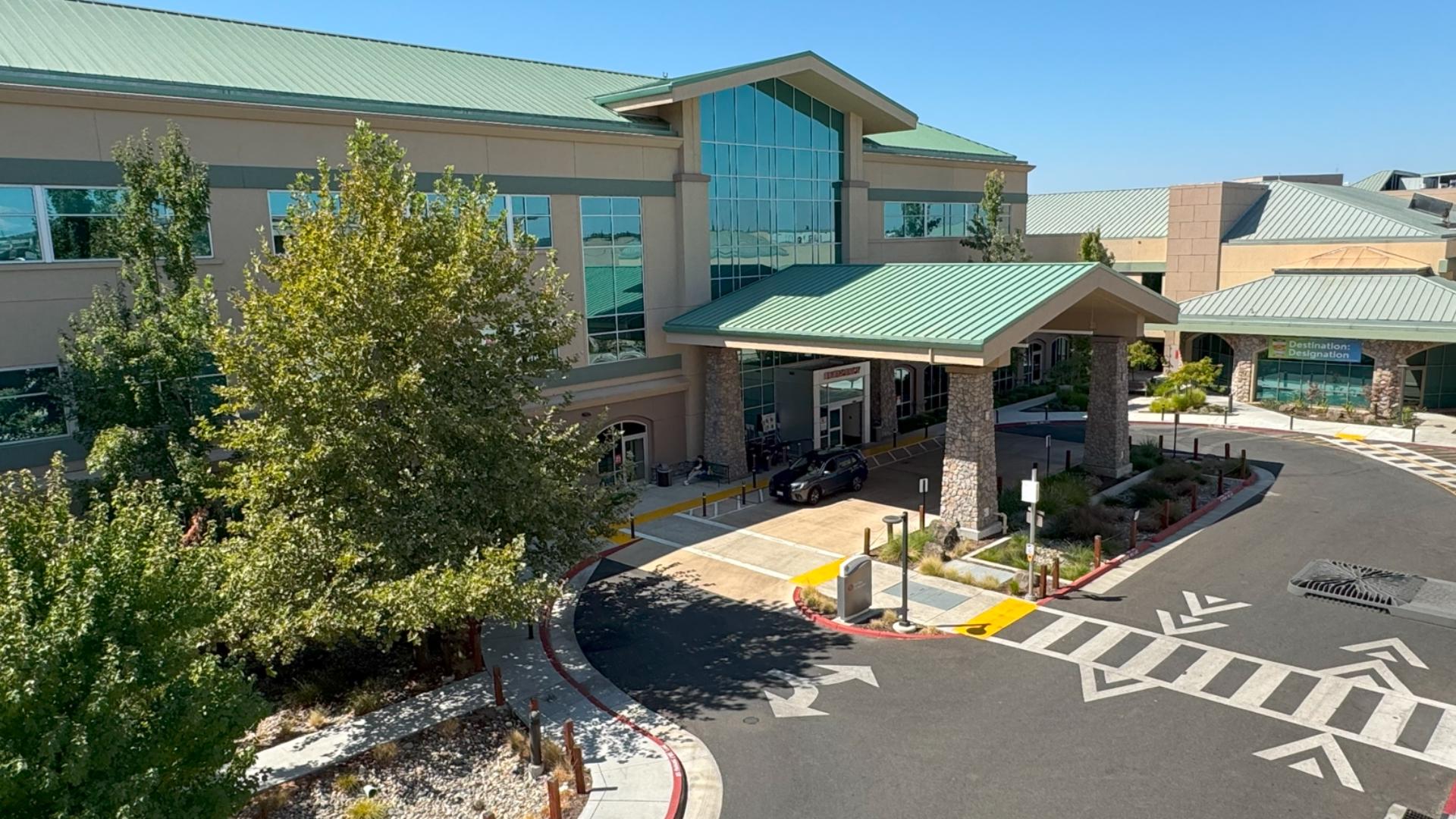
Sutter Clarvia: Optimizing Clinical Workflow and Patient Throughput
Sutter Clarvia is a specialized clinical process management and predictive analytics platform utilized within select healthcare environments to streamline patient flow, optimize resource allocation, and enhance clinical decision-making...
Sutter Clarvia is a specialized clinical process management and predictive analytics platform utilized within select healthcare environments to streamline patient flow, optimize resource allocation, and enhance clinical decision-making. By leveraging real-time data, it assists hospital staff in identifying bottlenecks and coordinating care transitions to improve overall operational efficiency.
Contents
Understanding the Role of Clarvia in Modern Clinical Operations
In the complex ecosystem of a modern medical system, patient flow is the lifeblood of institutional efficacy. Clarvia operates as an analytical engine designed to ingest vast amounts of data points—ranging from bed availability and nursing acuity to physician rounding schedules and discharge milestones. For clinicians and hospital administrators, the platform serves as a centralized source of truth, moving away from fragmented, manual tracking systems that often result in prolonged patient boarding times and underutilized resources.
By integrating with existing Electronic Health Record (EHR) systems, the software provides a high-level visualization of the hospital’s status. This transparency allows for rapid identification of "hidden" delays. For instance, if a patient is clinically ready for discharge but is held up by a pending laboratory result or a scheduled pharmacy review, the system flags these dependencies, allowing staff to resolve the specific barrier rather than waiting for general updates during shift changes.
Core Functional Benefits of the Clarvia Platform
The architecture of Clarvia is built on the premise that predictive insights are superior to reactive management. The software typically emphasizes four distinct functional pillars that drive performance improvements in hospital settings:
- Real-Time Bed Management: Provides immediate visibility into bed occupancy, cleaning statuses, and patient placement priorities.
- Acuity-Based Staffing: Aligning the nursing staff distribution with the actual intensity of patient care required on specific units.
- Bottleneck Identification: Tracking the movement of patients through various stages of care, such as diagnostic imaging, consultation, and transition planning.
- Proactive Discharge Planning: Estimating expected dates of discharge (EDD) to assist social workers and case managers in coordinating post-acute care transitions, such as transfers to skilled nursing facilities or home health setups.
Operational Workflow Integration for Clinical Staff
For healthcare providers in 2026, the successful adoption of platforms like Clarvia depends heavily on the integration with multidisciplinary rounding. Clinicians use the platform to inform their morning briefs, ensuring that the entire care team—including physical therapists, pharmacists, and attending physicians—is synchronized on the day's primary goals.
Typical Workflow Integration Steps
- Morning Synchronization: Care teams pull current unit data from the Clarvia dashboard to review patient progress against the established Plan of Care.
- Resource Allocation: Managers adjust assignments based on the real-time acuity scores provided by the platform, ensuring patient-to-nurse ratios are both safe and efficient.
- Barrier Escalation: When a task remains in a "pending" status beyond the expected threshold, the system triggers an alert to the relevant department lead, effectively shortening the cycle time of non-clinical delays.
- Transition Coordination: The platform updates the status of discharge orders, allowing environmental services to initiate room turnover workflows automatically.
Comparing Operational Management Platforms
It is essential to distinguish between general EHR utilities and specialized workflow management software. While an EHR captures patient data for legal and clinical documentation, Clarvia acts as a layer of operational intelligence above the EHR, focusing specifically on logistics.
| Feature | Electronic Health Record (EHR) | Clarvia Workflow Platform |
|---|---|---|
| Primary Objective | Clinical Documentation & Billing | Operational Flow & Efficiency |
| Focus Area | Patient History, Lab Results, Notes | Bed Throughput & Resource Tracking |
| User Base | Physicians, Nurses, Coders | Charge Nurses, House Supervisors, Ops Managers |
| Data Update Speed | Episodic / Per Procedure | Real-Time Monitoring |
| Primary Value | Regulatory Compliance | Capacity Optimization |
Addressing Implementation and Data Integrity Requirements
The deployment of a platform like Clarvia in 2026 demands high levels of data hygiene. Because the software relies on predictive modeling, any lag in inputting patient data (such as failing to mark a patient as "ready for discharge" or neglecting to update a patient's nursing acuity score) degrades the accuracy of the system’s projections.
Healthcare systems utilizing this technology typically mandate strict standard operating procedures (SOPs) for data entry. Failure to comply with these entry protocols can lead to a "garbage in, garbage out" scenario, where the predictive analytics fail to provide actionable insights. Therefore, institutions must couple the technology with regular training cycles and dashboard audits to ensure that the data captured reflects the actual clinical state of the ward.
Frequently Asked Questions About Clinical Workflow Platforms
What is the primary purpose of using a tool like Clarvia? The primary purpose is to reduce patient length of stay (LOS) and improve hospital throughput by identifying and removing logistical bottlenecks that prevent timely patient care and discharge.
Does this software replace the hospital’s primary EHR system? No, it serves as an analytical overlay. The platform integrates with the EHR to pull clinical data but does not replace the EHR’s core functions for charting, medication administration, or legal documentation.
How does the platform assist in nursing management? It assists by calculating patient acuity, which allows charge nurses to distribute nursing assignments based on the actual workload of each patient rather than a simple patient count.
Is the software useful for small outpatient clinics? The platform is specifically engineered for high-acuity inpatient settings with high volumes, such as acute care hospitals and large surgical centers; it is generally over-engineered for small outpatient clinics.
What is the most common cause of failure in platform adoption? The most common cause is inconsistent data entry by frontline staff, which leads to outdated dashboards and a loss of trust in the platform's recommendations.
Strategic Recommendation for 2026 Operational Success
For hospitals currently utilizing or evaluating such workflow management tools, the strategy for 2026 should move beyond simple usage toward "predictive maturity." This involves using the historical data trends generated by the platform to anticipate seasonal capacity surges—such as flu season or post-holiday elective surgery booms—and adjusting staffing rosters in advance.
Institutions that view Clarvia merely as a digital whiteboard miss its most valuable feature: the ability to analyze longitudinal trends in bottleneck locations. By conducting monthly reviews of the "barriers to discharge" tracked by the platform, leadership can implement systemic changes, such as modifying the hours of diagnostic departments or renegotiating service-level agreements with external transport or pharmacy providers to ensure a seamless patient journey.
Image Gallery