Understanding the Business Federal ID for Your Company
A Business Federal ID, formally known as an Employer Identification Number (EIN), is a unique nine-digit number assigned by the Internal Revenue Service (IRS) to business entities operating in the United States. It functions as a feder...
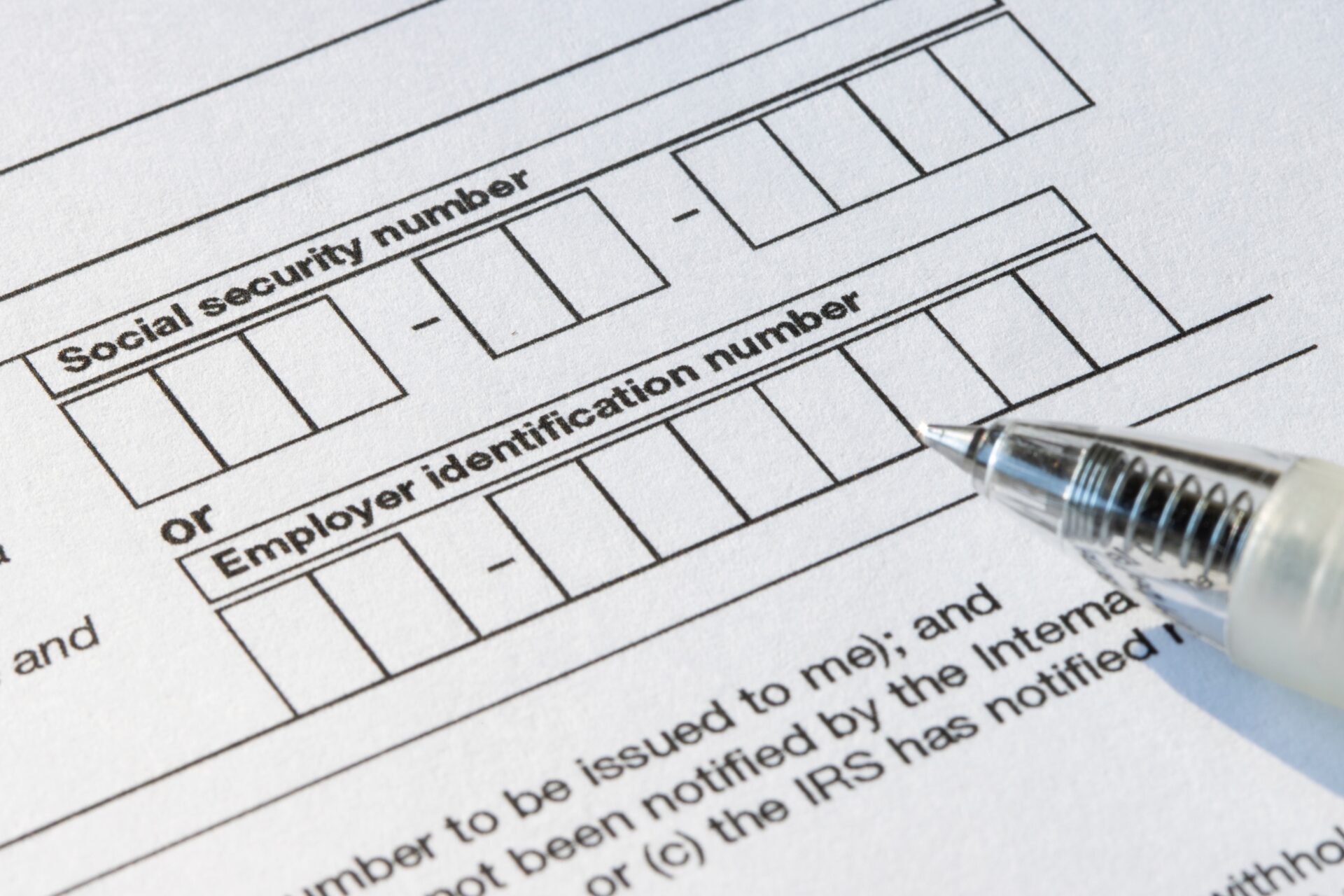
A Business Federal ID, formally known as an Employer Identification Number (EIN), is a unique nine-digit number assigned by the Internal Revenue Service (IRS) to business entities operating in the United States. It functions as a federal tax identifier, similar to how a Social Security Number identifies an individual, and is essential for tax reporting, hiring employees, and establishing business-specific financial accounts.
Contents
The Role and Purpose of the Federal Tax ID
At its core, the EIN is the primary mechanism the federal government uses to track the tax obligations of business entities. Whether you are a sole proprietor, a partnership, or a corporation, this identifier is the cornerstone of your company’s legal and financial existence.
When you conduct business, you must distinguish between your personal assets and your business activities. Using your personal Social Security Number for business transactions can lead to significant liability exposure and complicates tax filings. An EIN allows the IRS to categorize your business income, employment taxes, and excise tax obligations separately from your personal financial identity.
Furthermore, financial institutions require an EIN to open business bank accounts. Without this number, you cannot effectively separate your operating capital from your personal funds, which is a critical requirement for maintaining limited liability protections in corporate or LLC structures.
Determining if Your Business Needs an EIN
Not every business entity is legally required to hold an EIN, but most businesses—especially those that interact with employees or separate legal structures—must obtain one. You generally need an EIN if your business meets any of the following criteria:
- You hire employees: If you have even one employee, you are responsible for withholding taxes and reporting payroll to the IRS.
- You operate as a partnership or corporation: These entities must file information returns that are indexed by the EIN.
- You file specific tax returns: Businesses that file excise tax returns, or those that pay taxes on alcohol, tobacco, or firearms, require an EIN.
- You have a Keogh plan: This tax-advantaged pension plan for self-employed individuals requires an EIN for administration.
- You are involved in specific business types: Estates and trusts, non-profit organizations, and certain farmers' cooperatives are required to obtain an EIN for tax administration purposes.
Even if you are a sole proprietor without employees and are not technically required to have an EIN, there are significant advantages to obtaining one. Many vendors and clients will request an EIN rather than your Social Security Number for their own record-keeping and privacy compliance. Having an EIN shields your personal identity from unnecessary exposure in B2B transactions.
How to Obtain Your Employer Identification Number
The process of obtaining an EIN is streamlined and, for most businesses, can be completed entirely online. The IRS provides an online assistant that is the most efficient route for receiving your number.
- Preparation: Before beginning the application, ensure you have your legal business name, your Social Security Number (or Individual Taxpayer Identification Number), and the official business address ready.
- IRS Online Application: The IRS website offers an online application portal. This service is available Monday through Friday, 6:00 a.m. to 9:00 p.m. Eastern Time.
- Verification: Once you provide the necessary details, the system validates the information against your existing tax records. If the data matches, you receive your EIN immediately upon the completion of the session.
- Documentation: After receiving your EIN, the IRS will provide a confirmation notice (Form CP 575). It is vital to store this document securely, as it serves as your official proof of the EIN assignment.
For those who prefer not to use the online portal, applications can also be submitted via fax or mail using Form SS-4. However, these methods are significantly slower, often taking several weeks to process compared to the instantaneous nature of the digital application.
Comparing Methods of EIN Acquisition
| Method | Speed | Accessibility | Recommended For |
|---|---|---|---|
| Online Portal | Instant | Business Hours | Most businesses and sole proprietors. |
| Fax | 4-7 Business Days | 24/7 | Those who prefer paper trails or lack web access. |
| 4-6 Weeks | Standard Mail | Entities with complex, non-standard situations. | |
| Telephone | N/A (Intl Only) | Limited | International applicants without a U.S. address. |
Ongoing Maintenance and Compliance
Once your company possesses an EIN, it becomes a permanent part of your business profile. An EIN does not expire; it remains associated with your business entity for as long as the business exists. However, you must notify the IRS if your business undergoes a major structural change.
If you change the legal structure of your business—for example, transitioning from a sole proprietorship to an LLC, or an LLC to a C-Corporation—you may be required to apply for a new EIN. Generally, if the ownership changes or the business identity is legally reconstituted, the old EIN should be closed, and a new one opened.
It is also critical to protect your EIN from fraud. While an EIN is not as sensitive as a Social Security Number, it can still be used to establish fraudulent credit lines or conduct unauthorized financial transactions in your company’s name. Treat your EIN with the same level of security as you would your company’s articles of incorporation or banking documents.
Troubleshooting Common Issues
If you lose your EIN, you do not need to apply for a new one. The IRS provides several ways to retrieve your existing number:
- Search for records: Check your previous business tax returns, as the EIN is printed on every filing.
- Contact your bank: If you have an existing business checking account, the bank will have your EIN on file.
- Call the IRS: You can contact the IRS Business & Specialty Tax Line. An authorized representative can look up your number after verifying your identity as an owner or officer of the company.
Be cautious of third-party websites claiming to expedite or assist with EIN acquisition for a fee. The IRS offers this service for free. Any entity charging you to obtain an EIN is providing a redundant service; always navigate directly to the official IRS website to avoid unnecessary costs and potential data security risks.
Professional Considerations and Limitations
While obtaining an EIN is a straightforward administrative task, understanding your broader tax obligations is more complex. An EIN is a tool for identification, not a guarantee of compliance. Depending on your state of operation, you may also need a state-level tax ID. These state-issued numbers are often required for state-level sales tax, payroll tax, or local business licenses.
If you are unsure about your specific tax obligations or how your entity structure affects your liabilities, consult a qualified tax professional or a business attorney. They can help ensure that your federal tax identification strategy aligns with your long-term business goals and regional regulatory requirements. This information is for educational purposes and does not constitute formal legal or financial advice.
Frequently Asked Questions
Does a business need a new EIN if the owner changes? Generally, yes. If the ownership structure changes—such as adding a partner or converting to a corporation—the IRS usually requires a new EIN because the legal entity itself has changed or been reorganized.
Can I use my Social Security Number instead of an EIN? Only in very limited cases, such as a single-member LLC with no employees that chooses to be treated as a disregarded entity. However, obtaining an EIN is standard best practice to separate personal and business credit and tax profiles.
What happens if I make a mistake on my EIN application? If you enter incorrect information, you should contact the IRS Business & Specialty Tax Line immediately. They can assist in correcting the administrative record without requiring you to apply for a second, redundant number.
Is there a cost to apply for an EIN? No. The IRS does not charge a fee for issuing an EIN. Avoid any websites that request payment for this service, as they are third-party services, not government agencies.
How do I update my business address associated with my EIN? You should notify the IRS of any address change by filing Form 8822-B, Change of Address or Responsible Party. Keeping this information current ensures you receive necessary tax correspondence promptly.
Do non-profit organizations use a different type of EIN? No. All business entities, including non-profits, use the same nine-digit EIN format. The designation of tax-exempt status occurs through a separate filing process with the IRS (Form 1023 or 1024), but the identification number remains the standard EIN.
Next Steps for Your Business
If you have determined that your company requires an EIN, the recommended next step is to clear an hour in your schedule, gather your personal identification, and visit the official IRS online portal during operating hours. By securing this identifier early, you establish the foundation necessary for banking, payroll, and regulatory compliance, allowing you to focus on the operational growth of your enterprise.
Image Gallery