Uggie the Artist Dog: A Definitive History of Cinema’s Most Iconic Canine
Uggie was a Jack Russell Terrier who became a global cinematic sensation for his scene-stealing role in the 2011 Academy Award-winning film The Artist. Beyond his technical mastery of tricks, Uggie bridged the gap between animal perfor...
Uggie was a Jack Russell Terrier who became a global cinematic sensation for his scene-stealing role in the 2011 Academy Award-winning film The Artist. Beyond his technical mastery of tricks, Uggie bridged the gap between animal performance and genuine acting, sparking international debates about the recognition of non-human performers in major film awards.
Contents
The Origins of a Hollywood Legend
The story of Uggie is a classic "rags-to-riches" Hollywood narrative. Born in 2002, the Jack Russell Terrier was not originally destined for the silver screen. In his youth, Uggie was rejected by at least two sets of owners for being "too wild" and "too energetic," common traits for his breed that often lead to domestic abandonment. He was on the verge of being sent to a dog pound—a move that likely would have ended his story prematurely—when he was discovered by professional animal trainer Omar Von Muller.
Von Muller, an acclaimed trainer known for his patient and positive-reinforcement techniques, saw something beyond the hyperactive exterior. He recognized an intensity of focus and a desire to please that are the hallmarks of a world-class performer. Under Von Muller’s tutelage, Uggie didn't just learn "tricks"; he learned how to navigate a film set, ignore the distractions of lights and boom mics, and maintain "eye-line" contact with human actors—a difficult feat for any animal.
In the decade leading up to his breakout role, Uggie worked steadily in commercials and minor film roles, including appearances in Mr. Fix It (2006). However, it was the 2011-2012 period that would solidify his place in history, beginning with a supporting role in Water for Elephants alongside Reese Witherspoon and Robert Pattinson. Even in a film featuring a massive elephant as a central plot point, critics began to notice the small, expressive terrier who seemed to react with genuine emotion to the drama unfolding around him.
The Artist and the Pinnacle of Canine Performance
When director Michel Hazanavicius set out to film The Artist, a silent movie homage to the golden age of Hollywood, he needed a dog that could carry a significant portion of the narrative weight. Because the film lacked dialogue, every bit of storytelling relied on visual cues, physical comedy, and emotional expression. Uggie was cast as "Jack," the loyal companion to fading silent film star George Valentin (played by Jean Dujardin).
Uggie’s performance in The Artist is often cited as the gold standard for animal acting. He didn't just perform stunts; he acted as a narrative mirror for Valentin’s psychological state. His most famous scenes include:
- The "Bang" Trick: A recurring motif where Valentin "shoots" Uggie with a finger-gun, and Uggie plays dead with dramatic flair. This was not just a trick; it represented the playful bond and the eventual "death" of Valentin’s career.
- The Rescue: In the film’s climax, Uggie’s character barks to alert a police officer about a fire, effectively saving the protagonist’s life. The urgency Uggie displayed was so convincing that it transcended the typical "hero dog" trope.
- The Dinner Scene: Uggie sits at the table, mimicking the movements and "mood" of his owner, showcasing a level of synchronization that required months of specialized training.
The chemistry between Jean Dujardin and Uggie was palpable. Dujardin frequently spoke about how Uggie’s presence on set helped him tap into the silent-era acting style, which relied heavily on pantomime and physical connection.
Awards, Accolades, and the "Consider Uggie" Campaign
The success of The Artist led to an unprecedented cultural moment: a serious campaign for an animal to receive an Academy Award. While the "Consider Uggie" movement—spearheaded by fans and supported by some film critics—began as a semi-humorous internet trend, it quickly evolved into a legitimate discussion about the labor and talent of animal performers and their trainers.
The Academy of Motion Picture Arts and Sciences ultimately maintained its stance that awards were for humans only. However, the industry found other ways to honor Uggie’s contribution to the craft:
- The Palm Dog: At the 2011 Cannes Film Festival, Uggie was awarded the Palm Dog, the highest honor for a canine performer.
- The Golden Collar Awards: Created in 2012 by Dog News Daily partly in response to the Uggie phenomenon, these awards recognized excellence in animal acting. Uggie won "Best Dog in a Theatrical Film."
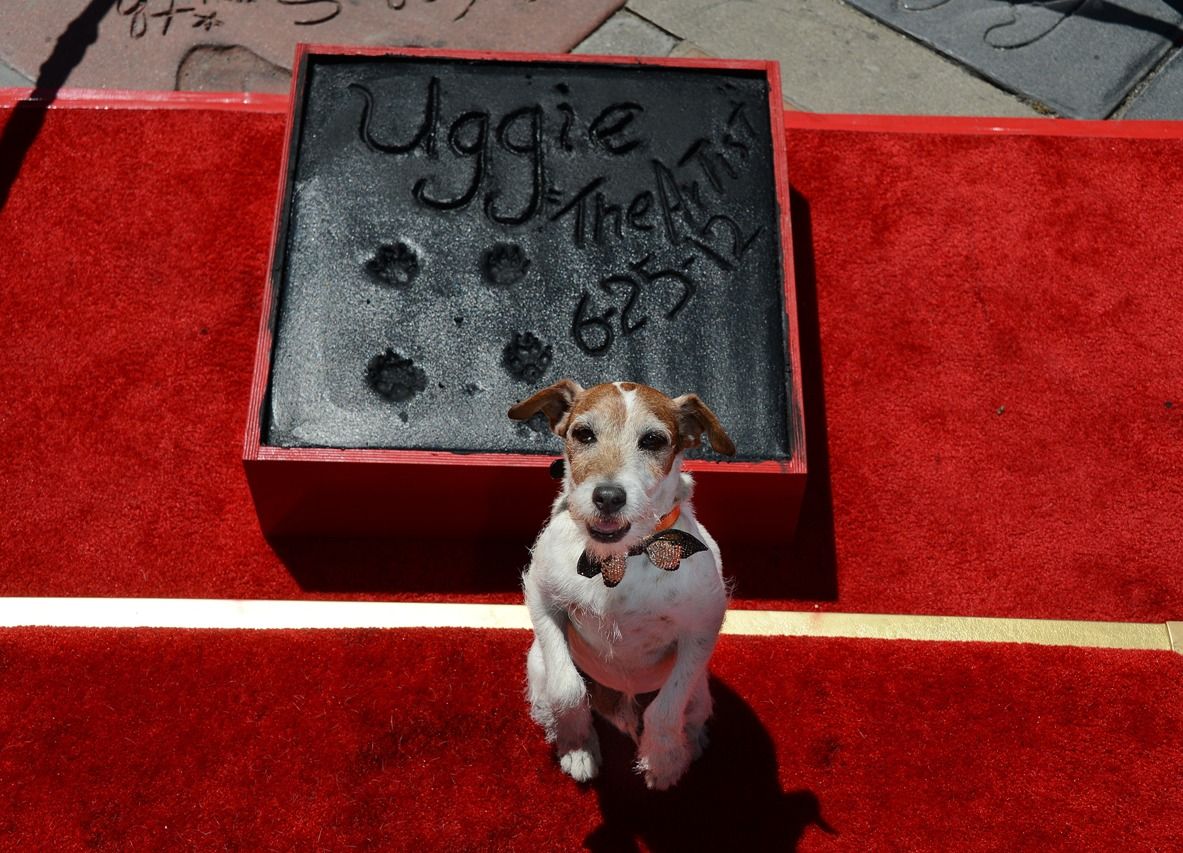
- Walk of Fame: In June 2012, Uggie became the first dog to have his paw prints immortalized in cement at Grauman’s Chinese Theatre in Hollywood, joining the ranks of legends like Marilyn Monroe and Clark Gable.
Comparison of Uggie’s Major Film Contributions
| Feature | Water for Elephants (2011) | The Artist (2011) |
|---|---|---|
| Role Name | Queenie | Jack |
| Primary Interaction | Supporting Robert Pattinson | Co-starring with Jean Dujardin |
| Key Narrative Function | Circus performer/Companion | Narrative surrogate/Life-saver |
| Primary Skill Displayed | Precision stunts and group cues | Emotional timing and mimetic acting |
| Award Recognition | Critical praise | Palm Dog, Golden Collar Winner |
The Technicality of Animal Training in Film
To appreciate Uggie’s place in film history, one must understand the technical rigors of his work. Animal training for film is significantly more complex than standard obedience. A dog like Uggie had to learn to take cues from a distance, often through silent hand signals, because sound recording (even in "silent" films which are shot with sound) cannot be interrupted by a trainer’s voice.
Von Muller used a combination of verbal commands, hand gestures, and small lights or laser pointers to guide Uggie’s eye-line. In The Artist, Uggie had to perform long takes without breaking character. If a human actor missed a mark, the dog often had to reset and maintain the same level of enthusiasm for 20 or 30 takes.
Furthermore, the "shaking" syndrome that Uggie developed later in life—a neurological condition common in older terriers—meant that his career had a definitive window. His ability to perform despite this showed a level of professionalism and temperament that is rare in the animal kingdom.
Retirement, Legacy, and Cultural Impact
Uggie officially retired from the limelight in 2012, shortly after the Oscars. His retirement was prompted by the aforementioned neurological condition, as his trainers felt that the stress of film sets and international press tours was no longer in his best interest. He lived out his remaining years in comfort with Von Muller.
In late 2012, Uggie "wrote" (with the help of biographer Wendy Holden) an autobiography titled Uggie: My Story. The book provided a charming, "paw-on-the-pulse" look at Hollywood, detailing his journey from a discarded pup to a global star. It also shed light on the ethics of animal acting, emphasizing that Uggie was never forced to perform and that his "acting" was essentially a high-level game of play and reward.
Uggie passed away in August 2015 at the age of 13. By 2026, his legacy is viewed as a turning point for animal welfare and recognition in the entertainment industry. He didn't just entertain; he changed the way audiences perceived the intelligence and emotional capacity of dogs. He paved the way for future animal stars to be treated with more respect on set and for their trainers to receive better recognition for their specialized skills.
Frequently Asked Questions
Did Uggie actually win an Oscar?
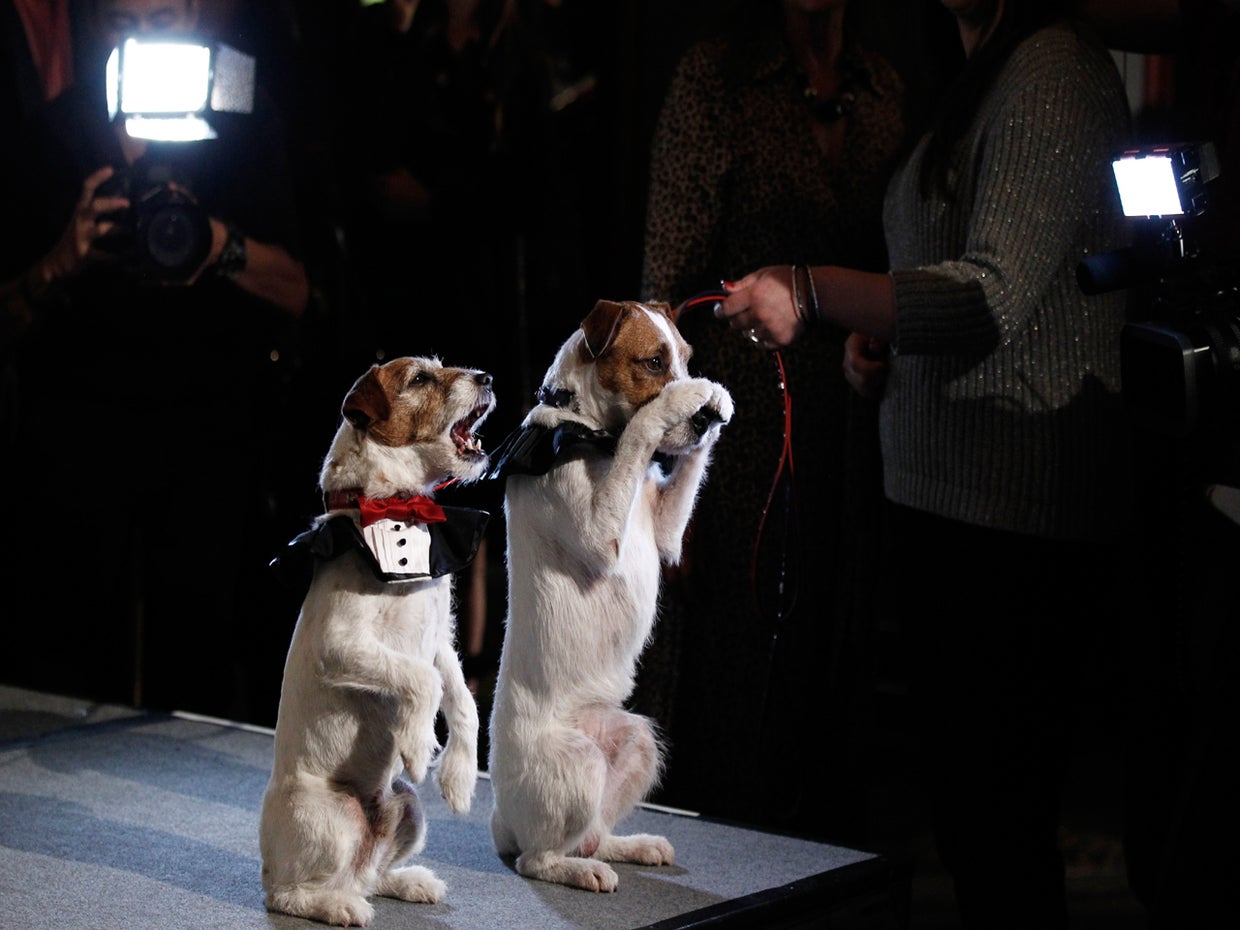
No, Uggie did not win an Academy Award. Despite a massive "Consider Uggie" write-in campaign and support from British film critics, the Academy of Motion Picture Arts and Sciences does not allow animals to be nominated for acting categories. He did, however, attend the ceremony and appeared on stage with the cast when The Artist won Best Picture.
What breed of dog was Uggie?
Uggie was a Jack Russell Terrier. This breed is known for its high intelligence, incredible energy levels, and stubborn streak, which makes them difficult for average owners but excellent for high-level film training if their energy is channeled correctly.
When did Uggie pass away?
Uggie was humanely euthanized in August 2015 after a battle with a prostate tumor. He was 13 years old at the time of his death. His passing was marked by tributes from across the film industry, including from his co-stars in The Artist.
Is there a "Best Dog" category at major awards now?
While the Oscars and Golden Globes still do not have a formal category for animals, the "Palm Dog" at Cannes continues to be a prestigious unofficial award. Additionally, the success of Uggie led to the creation of the Golden Collar Awards, which specifically honor animal performers in various media.
Who was Uggie's trainer?
Uggie was trained and owned by Omar Von Muller. Von Muller is a legendary figure in the animal training world, also known for his work with other famous dogs in films like John Wick and various high-profile commercials.
Final Recommendation for Film Enthusiasts
To truly appreciate the history of animal acting, one should watch The Artist (2011) not just as a silent film, but as a masterclass in non-verbal communication between species. Observe how Uggie uses his ears, tail, and eye-line to respond to Jean Dujardin. For those interested in the craft behind the scenes, reading Uggie: My Story offers a unique perspective on the Hollywood system from the viewpoint of its most beloved canine. Finally, consider supporting organizations like American Humane, which ensures the safety and welfare of animals on film sets, ensuring that the legacy of performers like Uggie is one of care and respect.
Image Gallery