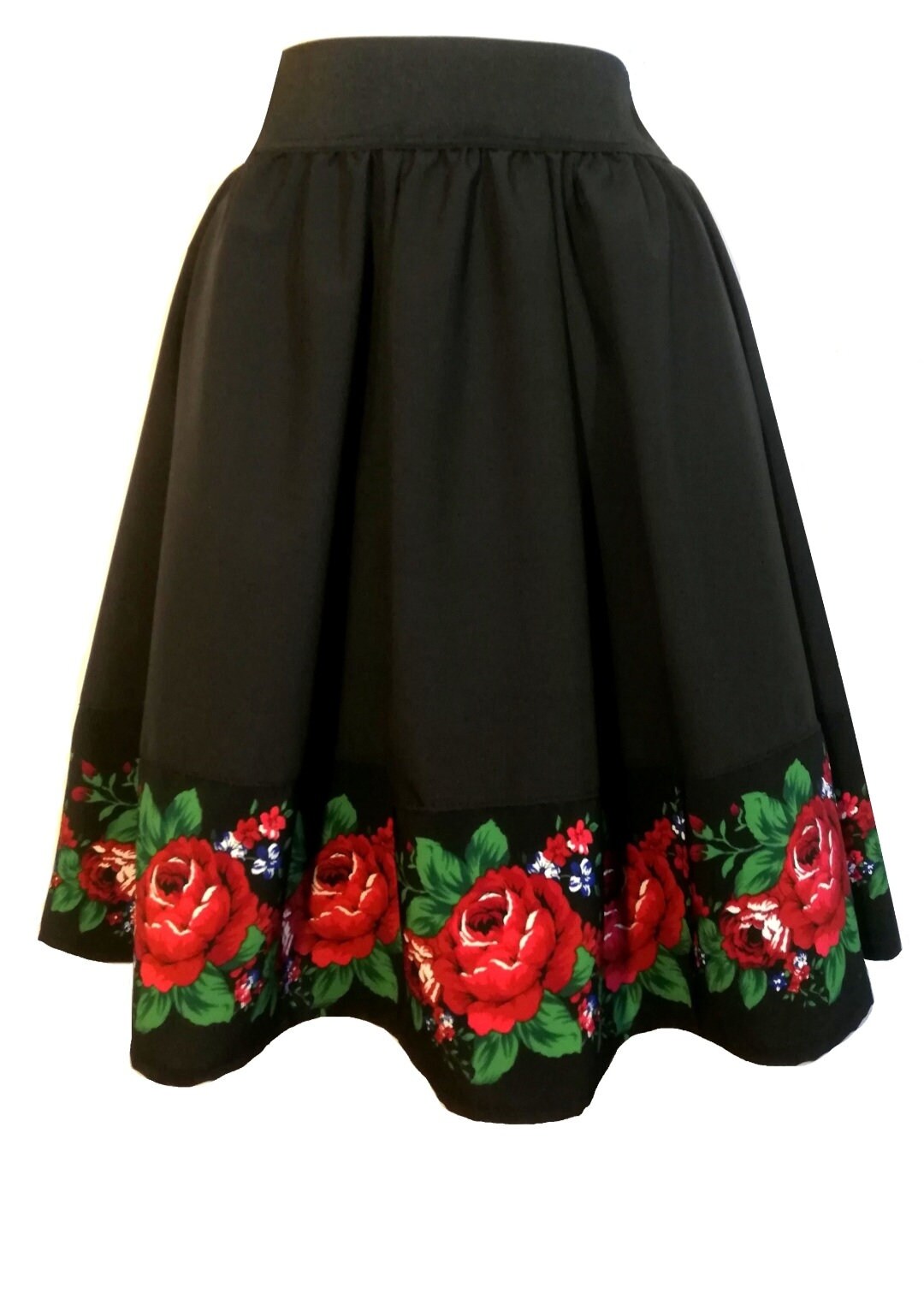
Understanding Gypsy Rose Clothing: A Guide to the Brand and Aesthetic in 2026
Gypsy Rose clothing refers primarily to the long-standing hippie and festival apparel brand Gypsy Rose, known for its eclectic, bohemian styles and Grateful Dead-inspired merchandise. In 2026, the term also encompasses a broader aesthe...
Gypsy Rose clothing refers primarily to the long-standing hippie and festival apparel brand Gypsy Rose, known for its eclectic, bohemian styles and Grateful Dead-inspired merchandise. In 2026, the term also encompasses a broader aesthetic movement characterized by romanticized vintage patterns, ethical hand-crafted textiles, and the "boho-revival" trends currently dominating the fashion landscape.
Contents
The Identity and Heritage of Gypsy Rose
To understand Gypsy Rose clothing, one must first distinguish between the commercial brand and the stylistic movement it pioneered. Founded in 1987, Gypsy Rose began as a small enterprise catering to the "Deadhead" community—followers of the band the Grateful Dead. Over nearly four decades, it evolved from a nomadic festival stall into a global distributor of peace-oriented, ethically sourced apparel and accessories.
By 2026, the brand has solidified its position as a cornerstone of "slow fashion." Unlike fast-fashion retailers that mimic trends, Gypsy Rose maintains a consistent focus on traditional craftsmanship, such as Indian woodblock printing, Nepalese weaving, and intricate hand-embroidery. The primary appeal of this clothing lies in its perceived authenticity; each garment often carries the slight variations inherent in handmade goods, which resonates with modern consumers who value uniqueness over mass production.
The subject also carries a secondary cultural layer. In the mid-2020s, the "Gypsy Rose" name saw a surge in search interest due to high-profile media coverage of cultural figures. However, for those seeking "Gypsy Rose clothing" specifically, the intent almost always converges on the colorful, flowing, and counter-culture aesthetic that defines the heritage brand.
Key Elements of the Gypsy Rose Aesthetic
The aesthetic of Gypsy Rose clothing is a fusion of 1960s counter-culture and traditional Eastern craftsmanship. In 2026, this look is defined by several core characteristics that distinguish it from mainstream "Boho-chic" sold in department stores.
Natural Fibers and Textile Techniques
Most authentic Gypsy Rose items are manufactured using natural materials like cotton, rayon, and hemp. The brand relies heavily on specific textile traditions:
- Batik: A wax-resist dyeing technique that creates complex, crackled patterns.
- Tie-Dye: A staple of the psychedelic era, utilized in everything from t-shirts to floor-length maxi dresses.
- Patchwork: This technique repurposes fabric remnants into vibrant jackets and bags, aligning with the 2026 demand for upcycled and sustainable fashion.
- Embroidery: Often featuring floral motifs, celestial symbols, or sacred geometry, these details are usually hand-stitched by artisans in South Asia.
Silhouettes and Functionality
The silhouettes are designed for movement and comfort, reflecting the brand’s roots in the music festival circuit. Common items include:
- Tiered Maxi Skirts: These often feature "broomstick" pleating or heavy ruffles.
- Harem and Yoga Pants: Characterized by a dropped crotch or wide legs with elasticized ankles.
- Dashikis and Kaftans: Loose-fitting tunics that prioritize airflow and ease of wear.
- Bell-Sleeve Tops: A nod to the late 1960s aesthetic that remains a signature of the brand.
Comparative Overview of Gypsy Rose Apparel Categories
The following table outlines the primary categories of Gypsy Rose clothing available in 2026, focusing on their typical construction and intended use.
| Category | Typical Materials | Key Design Features | Recommended Setting |
|---|---|---|---|
| Festival Wear | Lightweight Rayon/Cotton | Bold Tie-dye, fringe, open-back designs | Concerts, outdoor events, summer travel |
| Boho-Basics | Solid-colored Hemp/Jersey | Minimalist embroidery, relaxed fit | Daily casual wear, loungewear |
| Cold-Weather Gear | Heavy Patchwork Wool/Fleece | Hoods, coconut shell buttons, lining | Winter markets, hiking, campfire settings |
| Official Licensed Gear | 100% Pre-shrunk Cotton | Grateful Dead "Steal Your Face" or "Dancing Bear" logos | Fan gatherings, vintage collectors |
| Ceremonial/Formal | Silk blends or Fine Muslin | Intricate beadwork, gold-thread accents | Weddings, specialized cultural festivals |
Ethical Sourcing and Global Artisan Impact
In the current 2026 market, consumers are increasingly wary of labor practices in the garment industry. Gypsy Rose clothing has historically positioned itself as a fair-trade advocate. The brand maintains long-term relationships with families and small cooperatives in Nepal, India, and Thailand.
This model of "artisanal capitalism" ensures that the artisans are paid living wages and work in safe conditions. For the consumer, this adds a layer of "conscious consumption" to the purchase. When you buy a patchwork jacket from a Gypsy Rose vendor, the value is not just in the garment itself but in the support of traditional weaving communities that might otherwise be displaced by industrial automation.
Furthermore, the brand’s commitment to "peace and love" extends to environmental considerations. By using biodegradable fibers and low-impact dyes, Gypsy Rose clothing appeals to the 2026 shopper who prioritizes the planetary footprint of their wardrobe.
How to Style Gypsy Rose Clothing in 2026
The "Boho Revival" of the mid-2020s has brought these styles back into the mainstream. However, styling these pieces requires a balance to avoid looking like one is wearing a costume.
The Modern Minimalist Approach
To integrate a Gypsy Rose piece into a modern wardrobe, experts suggest using one "hero" item. For example, a vibrant, hand-dyed batik skirt can be paired with a structured, neutral-colored bodysuit and contemporary leather sandals. This creates a focal point without overwhelming the senses.
The "Maximalist" Festival Look
For those attending music festivals—where Gypsy Rose clothing remains the "uniform"—maximalism is encouraged. Layering is key: a crochet crop top over a tie-dye bralette, paired with patchwork bells and an abundance of brass jewelry. In 2026, the trend has shifted toward "accessorizing with intent," meaning each piece of jewelry or clothing should have a story or a specific origin.
Care and Longevity
Because many of these items are handmade and use natural dyes, they require specific care to maintain their vibrancy:
- Cold Water Wash: Always use cold water to prevent the natural dyes (especially indigos and reds) from bleeding.
- Hand Wash Preferred: For items with delicate embroidery or beadwork, hand washing is essential.
- Line Dry: Avoid high-heat dryers, which can shrink rayon and cotton or damage the fibers of hemp-based fabrics.
- Salt Water Soak: A traditional tip for new batik or tie-dye items is to soak them in cold salt water before the first wash to help set the dye.
The Cultural Significance of the Brand Name
The name "Gypsy Rose" has faced scrutiny as linguistic standards evolve. In the context of 2026, the brand has addressed these concerns by emphasizing its historical roots in the "Gypsy" subculture of the 1960s—a term that, at the time, was used by many in the counter-culture to describe a nomadic, free-spirited lifestyle rather than a specific ethnic group.
While the term remains controversial in some academic and social justice circles, the clothing brand continues to operate under its original name, leaning into its heritage as a legacy label. For many loyal customers, the name is synonymous with a specific era of American music history and a commitment to global peace movements.
Where to Acquire Authentic Gypsy Rose Clothing
In 2026, the market for "Boho" clothing is saturated with imitations. To ensure authenticity and ethical production, buyers should look for specific markers:
- Direct Purchase: The official Gypsy Rose website remains the primary hub for the full catalog.
- Authorized Boutique Retailers: Many independent "head shops" and ethnic boutiques across North America carry authorized Gypsy Rose stock.
- Festival Vendors: The brand maintains a presence at major music festivals, often setting up large tent displays that serve as a communal hub for the "Deadhead" community.
- The "Sun & Moon" Label: Authentic items typically carry the brand’s signature branding, which often features celestial motifs or the "Gypsy Rose" script.
Frequently Asked Questions
Is Gypsy Rose clothing considered fast fashion?
No. Gypsy Rose clothing is the antithesis of fast fashion. It focuses on artisan-made, small-batch production and timeless styles that are meant to be worn for years. The brand's reliance on traditional techniques like hand-weaving and woodblock printing means that production cycles are much slower than those of mainstream retailers.
Does the brand only sell Grateful Dead merchandise?
While Gypsy Rose is famous for its licensed Grateful Dead apparel, this only represents a portion of its inventory. The brand offers a vast range of non-licensed bohemian clothing, including tiered skirts, harem pants, patchwork jackets, and home decor items like tapestries and bedspreads.
Why are the prices higher than similar-looking items on major e-commerce sites?
The higher price point reflects the ethical manufacturing process. Gypsy Rose pays fair-trade wages to artisans in developing countries. Furthermore, the use of high-quality natural fibers and hand-applied dyes costs significantly more than the synthetic fabrics and chemical prints used in mass-produced "boho" imitations.
How does Gypsy Rose clothing fit?
Generally, the fit is "relaxed" or "oversized." Since many items feature elastic waistbands, drawstring closures, and flowing silhouettes, they are often more forgiving in size than structured garments. However, because many items are handmade in different regions, it is always advisable to consult specific size charts provided by the vendor.
Is the clothing sustainable?
Yes, in several ways. The brand uses natural fibers (cotton, rayon, hemp) which are more biodegradable than polyesters. Additionally, their patchwork line is a form of upcycling, utilizing fabric scraps that would otherwise become waste. The longevity of the garments also promotes a "buy less, wear longer" philosophy.
Final Recommendation for 2026 Buyers
When investing in Gypsy Rose clothing in 2026, prioritize pieces that showcase traditional craftsmanship, such as hand-batiked rayon or heavyweight cotton patchwork. These items hold their value and aesthetic appeal far longer than screen-printed alternatives. For those new to the brand, starting with a classic tiered "broomstick" skirt or a licensed Grateful Dead accessory provides a versatile entry point into a style that has remained culturally relevant for nearly 40 years. Always verify the source to ensure your purchase supports the fair-trade artisan communities that are the backbone of the Gypsy Rose identity.
Image Gallery