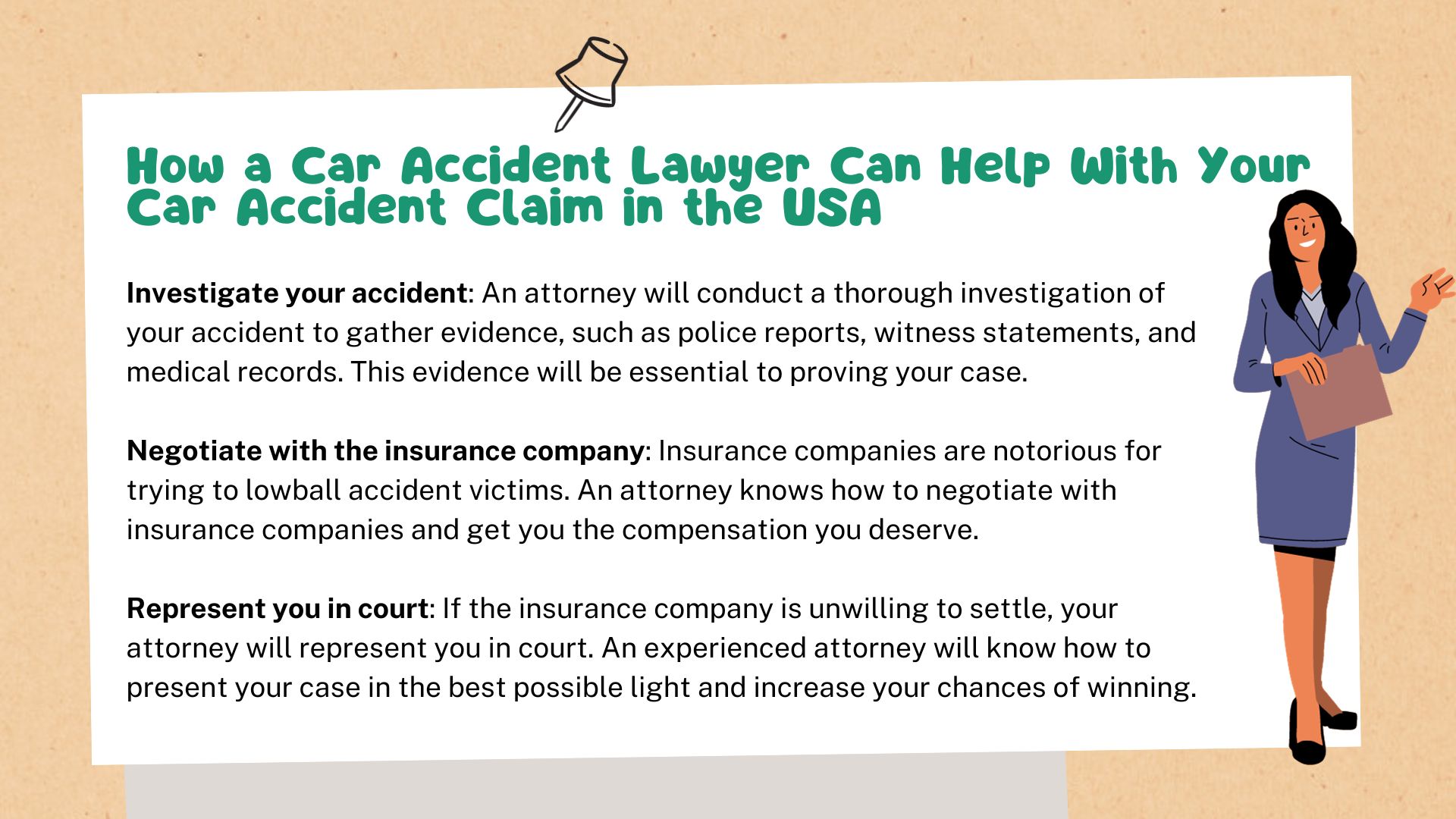
How to Find a Car Accident Attorney in Madison, WI: A Comprehensive Guide
To find a car accident attorney in Madison, start by searching the State Bar of Wisconsin’s lawyer referral service or reputable legal directories such as Martindale-Hubbell. Prioritize local Madison firms with specific experience in D...
To find a car accident attorney in Madison, start by searching the State Bar of Wisconsin’s lawyer referral service or reputable legal directories such as Martindale-Hubbell. Prioritize local Madison firms with specific experience in Dane County courts, verify they offer free consultations, and ensure they operate on a contingency fee basis.
Contents
Navigating the aftermath of a motor vehicle collision in Madison involves more than just recovering from physical injuries; it requires a strategic approach to Wisconsin’s complex personal injury laws. As of 2026, the legal landscape in Madison remains highly specialized, with local court procedures in Dane County necessitating an attorney who is not only well-versed in state statutes but also familiar with the specific judicial environment of the state capital. Selecting the right legal representation can significantly influence the compensation you receive for medical bills, lost wages, and pain and suffering.
Understanding the Wisconsin Legal Landscape in 2026
Before beginning your search, it is essential to understand the rules that govern car accident claims in Madison. Wisconsin follows a "fault" system for insurance and a "modified comparative negligence" rule for personal injury lawsuits.
The 51% Bar Rule
Wisconsin Statute § 895.045 dictates that a plaintiff can only recover damages if their negligence is not greater than the negligence of the person against whom recovery is sought. This is commonly known as the 51% bar rule. If you are found to be 50% or less at fault, you can recover damages, but your total award will be reduced by your percentage of fault. If you are 51% or more at fault, you are barred from recovery. A skilled Madison attorney is vital in ensuring that fault is accurately assigned and that insurance companies do not unfairly shift the blame onto you.
Statute of Limitations
In 2026, the statute of limitations for personal injury claims in Wisconsin generally remains three years from the date of the accident (Wisconsin Statute § 893.54). However, certain factors—such as claims against government entities like the City of Madison or Dane County—may involve much shorter notice requirements, sometimes as brief as 120 days. Missing these deadlines can permanently forfeit your right to seek compensation.
Step 1: Conduct a Targeted Local Search
The most effective way to find a car accident attorney in Madison is to combine digital research with professional referrals. Since Madison is a hub for legal activity in Wisconsin, the volume of options can be overwhelming.
Utilize the State Bar of Wisconsin
The State Bar of Wisconsin offers a Lawyer Referral and Information Service (LRIS). This is a reliable starting point because it filters attorneys by practice area and geographic location. Using this service ensures that the attorney is in good standing and currently licensed to practice in the state.
Focus on Dane County Experience
While many large national firms advertise in the Madison market, there is a distinct advantage to hiring a firm physically located in the Madison area. Local attorneys are familiar with the Dane County Circuit Court judges, the local rules of civil procedure, and the opposing counsel at insurance defense firms based in the region. They also have easier access to local accident scenes—such as notorious intersections on the Beltline or East Washington Avenue—to conduct investigations.
Leverage Reputable Legal Directories
Avoid relying solely on general search engine results, which are often influenced by heavy advertising budgets. Instead, consult specialized legal directories:
- Martindale-Hubbell: Look for "AV Preeminent" ratings, which indicate high ethical standards and legal ability as peer-reviewed by other lawyers.
- Super Lawyers: This service uses a patented selection process to identify top-rated attorneys in Madison.
- Avvo: This platform provides "Avvo Ratings" and client reviews, which can give insight into the attorney’s communication style and client satisfaction levels.
Step 2: Evaluating Experience and Specialization
Not all lawyers who handle "personal injury" are equally equipped to handle a complex car accident case. As you narrow your list, look for specific markers of expertise.
Proven Trial Record
Most car accident cases settle out of court, but you want an attorney who is prepared to go to trial if the insurance company refuses a fair settlement. Ask potential lawyers about their recent trial experience in Dane County. Insurance adjusters are aware of which Madison attorneys actually litigate and which ones simply "settle for the last offer."
Focus on Motor Vehicle Accidents
Some personal injury firms handle everything from medical malpractice to slip-and-falls. Ideally, your attorney should dedicate a significant portion of their practice specifically to motor vehicle accidents, including those involving:
- Commercial Trucks: These involve federal regulations and multiple layers of insurance.
- Rideshare (Uber/Lyft): These cases have unique insurance priority issues.
- Pedestrians and Cyclists: Given Madison’s high volume of bike traffic, finding an attorney familiar with city ordinances regarding bicycle safety is often crucial.
Step 3: Understanding the Fee Structure
Most car accident attorneys in Madison work on a contingency fee basis. This means they do not charge any upfront legal fees. Instead, they receive a percentage of the final settlement or court award.
| Fee Component | Standard Industry Practice (2026) | Notes |
|---|---|---|
| Contingency Percentage | 33.3% to 40% | Often 33.3% if settled before trial; 40% if the case goes to litigation. |
| Initial Consultation | Free | Never pay for a first meeting in a personal injury case. |
| Case Expenses | Advanced by the firm | Includes costs for police reports, expert witnesses, and medical records. |
| Payment Trigger | Only upon successful recovery | If the attorney loses the case, you typically owe no legal fees. |
Ensure you receive a written fee agreement that clearly outlines whether "costs" (like filing fees and expert witness payments) are deducted before or after the attorney’s percentage is calculated. This distinction can significantly impact your "take-home" amount.
Step 4: The Initial Consultation and Questions to Ask
Once you have a shortlist of 2–3 attorneys, schedule consultations. These meetings are essentially interviews where you determine if the lawyer is a good fit for your case.
Key Questions to Ask:
- Who will actually be handling my case? Sometimes a senior partner does the intake, but a junior associate handles the day-to-day work. You should know your primary point of contact.
- How many cases like mine have you handled in the last 12 months? This establishes current relevancy and experience with 2026 insurance practices.
- What is your assessment of my case’s value? Be wary of any attorney who promises a specific dollar amount immediately; a reputable lawyer will explain the variables involved instead.
- What resources do you have for accident reconstruction? In Madison, proving liability often requires hiring engineers or specialists to analyze vehicle data and scene evidence.
Step 5: Red Flags to Avoid
While searching for legal counsel in the Madison area, be alert for these warning signs:
- Solicitation: It is generally unethical for a lawyer to contact you in person, by phone, or via email immediately after an accident if you did not reach out first.
- Guaranteed Outcomes: No attorney can guarantee a win. The legal system is inherently unpredictable.
- Lack of Communication: If it takes more than 48 hours to get a return call for an initial inquiry, it may be indicative of how they will treat your case once you are a client.
- Pressure to Sign: Do not feel pressured to sign a representation agreement on the spot. A professional attorney will encourage you to review the contract at your own pace.
Utilizing Local Resources in Madison
A Madison-based attorney will often utilize local resources to build your case. When interviewing firms, ask if they regularly work with:
- Madison Police Department or Dane County Sheriff: To secure accurate accident reports and officer testimony.
- Local Medical Experts: Such as specialists at UW Health or UnityPoint Health - Meriter, who can provide expert testimony regarding your injuries and long-term prognosis.
- Accident Reconstructionists: Professionals who understand local road layouts, such as the unique challenges of the downtown "Isthmus" traffic patterns.
Final Decision and Next Actions
Finding the right attorney is a balance of objective credentials and subjective comfort. You need someone with the technical skill to navigate Wisconsin’s modified comparative negligence laws and the interpersonal skill to guide you through a stressful period.
Practical Next Steps:
- Gather Documents: Before your first meeting, collect your police report, insurance policy information, and any photos of the accident and your injuries.
- Check Disciplinary Records: Visit the Wisconsin Court System’s website to ensure any attorney you consider has no history of public reprimands or license suspensions.
- Trust Your Instincts: If an attorney seems too busy or dismissive of your concerns during the consultation, they are likely not the right choice for a long-term legal partnership.
By focusing on local Dane County expertise, verifying a transparent contingency fee structure, and performing due diligence via reputable directories, you can secure the legal representation necessary to protect your rights under Wisconsin law.
Professional-Advice Limitation: This article is for informational purposes only and does not constitute legal advice. Laws regarding statutes of limitations and negligence vary by jurisdiction and are subject to change. Consult with a licensed Wisconsin attorney to discuss the specifics of your case.
Image Gallery