Why Cash for Junk Cars in Detroit Matters to You
Selling a junk car for cash in Detroit is a practical solution for converting an unusable, space-consuming asset into immediate liquidity. This process helps residents avoid costly municipal blight fines, supports the local automotive...
Selling a junk car for cash in Detroit is a practical solution for converting an unusable, space-consuming asset into immediate liquidity. This process helps residents avoid costly municipal blight fines, supports the local automotive recycling industry, and ensures that hazardous vehicle fluids are disposed of according to Michigan’s environmental safety standards.
Contents
For decades, the skyline of Detroit has been defined by the automotive industry. However, for many residents, that heritage is often represented by a rusted sedan or a non-running SUV sitting in a driveway or on a curb. As we navigate 2026, the logistics and financial incentives for disposing of these vehicles have shifted, making the "cash for junk cars" model more relevant than ever. Whether you are dealing with a vehicle that failed its last inspection or one that has been claimed by the relentless Michigan winters, understanding the "why" behind this service is essential for your wallet and your community.
The Financial Incentive: Turning Rust into Revenue
The most immediate reason why cash for junk cars matters to you is the direct injection of capital. In an era where every dollar counts, a vehicle that is no longer roadworthy is not just a nuisance; it is "dead capital." Even if a car does not run, it possesses intrinsic value in its raw materials.
Scrap Metal Markets in 2026
Detroit remains a hub for metal processing. The value of your junk car is largely tied to the global and local demand for steel, aluminum, copper, and platinum (found in catalytic converters). While market prices fluctuate, professional junk car buyers in the Detroit metro area monitor these indices daily to provide competitive quotes. By selling your car, you are essentially participating in a micro-commodity trade where you are the supplier.
Eliminating Sunk Costs
Many vehicle owners fall into the trap of "sunk cost fallacy." They believe that if they just spend another $500, the car will finally be reliable. However, in Detroit, where road salt accelerates underbody corrosion, structural integrity often fails long before the engine does. Continuing to pay for insurance, registration, or even occasional repairs on a failing vehicle is a drain on your household budget. Selling the car for cash stops the bleeding and provides a down payment for a more reliable alternative.
Avoiding the "Blight" Label: Detroit Municipal Compliance
In 2026, the City of Detroit remains aggressive in its efforts to revitalize neighborhoods and eliminate blight. For a homeowner or renter, a junk car is more than an eyesore—it is a legal liability.
Understanding City Ordinances
Detroit city ordinances generally prohibit the storage of "inoperable" or "unlicensed" vehicles on residential property unless they are kept in a fully enclosed garage. Vehicles parked on the street that appear abandoned are subject to immediate towing and heavy impound fees. If a vehicle is sitting on your lawn or in a driveway without valid plates, you may face:
- Blight Tickets: These fines can range from a few hundred to over a thousand dollars for repeat offenses.
- Property Liens: Unpaid blight tickets can eventually lead to liens against your property.
- Towing Costs: If the city hitches your car, you will pay for the tow and a daily storage fee that often exceeds the car's actual value.
By utilizing a "cash for junk cars" service, you shift the responsibility of removal to a professional. Most reputable Detroit buyers include free towing as part of the deal, ensuring the vehicle is gone before a code enforcement officer circles the block.
Environmental Responsibility in the Great Lakes Basin
Detroit’s proximity to the Great Lakes makes environmental stewardship a local priority. A junk car is a ticking time bomb of hazardous materials. As seals dry out and metal corrodes, various fluids can leak into the soil and eventually the groundwater.
Hazardous Fluid Management
A standard end-of-life vehicle contains several gallons of toxic fluids, including:
- Engine Oil: Contains heavy metals and carcinogens.
- Coolant (Antifreeze): Sweet-tasting but deadly to pets and local wildlife if puddled.
- Brake Fluid: Highly corrosive and harmful to the environment.
- Refrigerants: Older AC systems may contain CFCs or HFCs that contribute to atmospheric damage.
Professional salvage yards in Michigan are regulated by the Department of Environment, Great Lakes, and Energy (EGLE). When you sell your car to a certified buyer, you ensure these fluids are drained, captured, and recycled properly. This prevents "shade tree" scrapping where fluids are often dumped illegally, a practice that has historically plagued urban Detroit soil.
Supporting the Circular Economy of the Motor City
Detroit’s economy is built on the lifecycle of the automobile. When you sell a junk car, you are feeding the "circular economy." This is the process where old products are broken down to create new ones, reducing the need for virgin mining and energy-intensive manufacturing.
| Component | Recycled Use in 2026 | Benefit to Industry |
|---|---|---|
| Steel Frame | Re-melted for new automotive frames | Reduces energy consumption by 75% |
| Aluminum Rims | Cast into engine components | High resale value; infinitely recyclable |
| Catalytic Converter | Extraction of Platinum/Palladium | Essential for emission control in new hybrids |
| Lead-Acid Battery | Plastic and lead recovery | 99% of car batteries are now recycled |
| Tires | Ground into rubberized asphalt or fuel | Keeps waste out of Detroit landfills |
By selling your vehicle to a local scrapper, you support local jobs—from the tow truck drivers to the dismantling technicians and the logistics providers who move the baled steel to Michigan’s remaining foundries.
The Logistics: How the Process Works in Detroit
The "Why" is clear, but the "How" is what makes the service matter to your daily schedule. In 2026, the process has been streamlined through digital platforms, yet it still requires adherence to Michigan state law.
Documentation Requirements
To sell a junk car in Detroit, you must comply with the Michigan Secretary of State (SOS) requirements. Generally, you need a clear title in your name. This prevents the sale of stolen vehicles. If you have lost the title, you may need to apply for a duplicate at an SOS kiosk or online before the sale can proceed. Some buyers may work with you if the vehicle is over a certain age and you have a valid registration, but the title is the gold standard for a legal transaction.
The Appraisal Process
Most Detroit junk car buyers offer an instant quote over the phone or via a mobile app. You will need to provide:
- The Year, Make, and Model.
- The mileage (if the odometer is still readable).
- The general condition (Does it start? Are the tires inflated? Is the catalytic converter present?).
- The location for pickup.
The Hand-Off
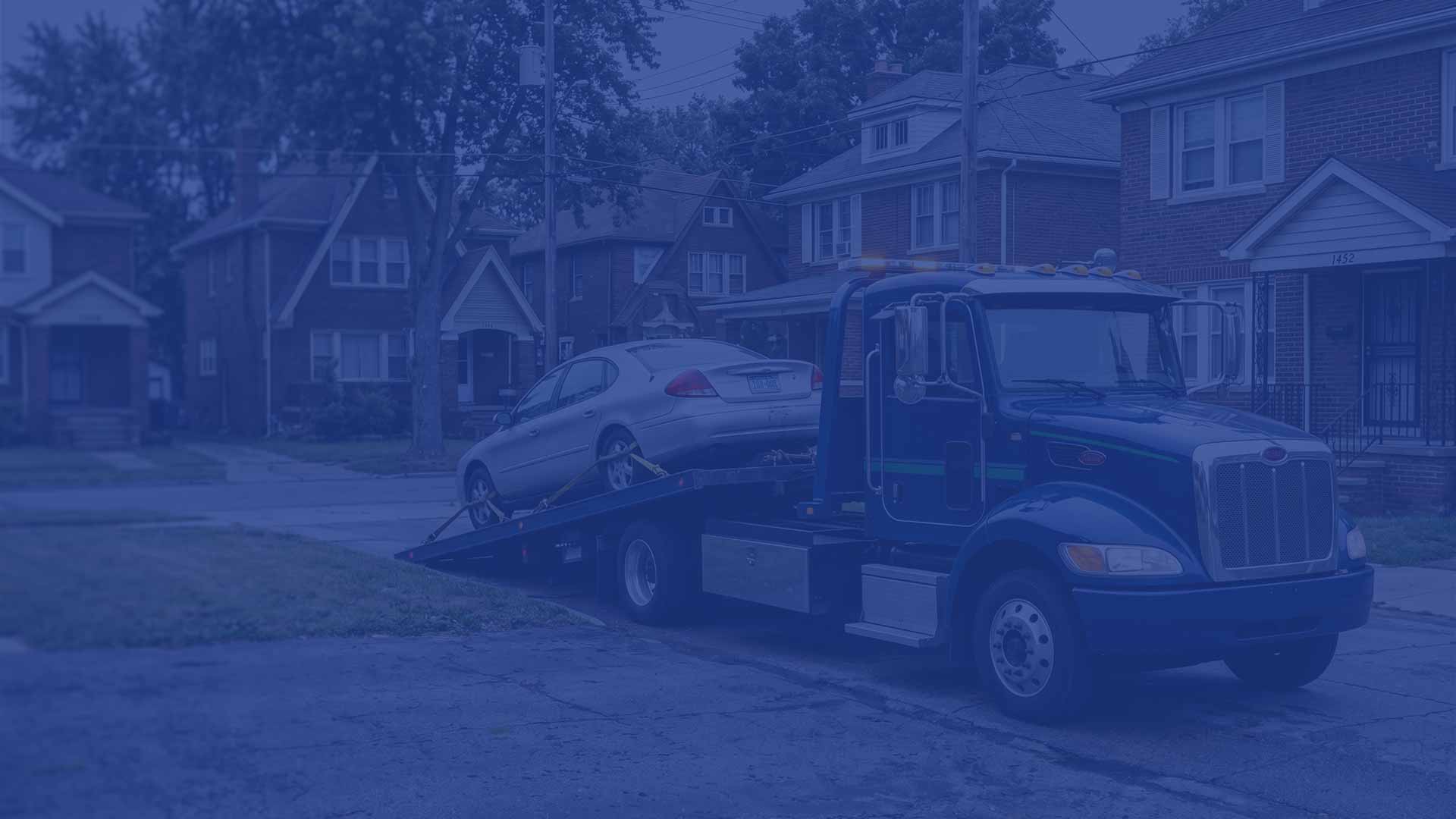
Once you accept an offer, the buyer schedules a tow. In Detroit, this can often happen within 24 to 48 hours. Upon arrival, the driver verifies the title, assists with the bill of sale, and provides payment. In 2026, while many still prefer physical cash, digital payments via secure apps have become a standard, safer alternative for both parties.
Identifying Reputable Buyers in the Detroit Metro Area
Not all junk car buyers are created equal. To ensure the transaction "matters" in a positive way, you must avoid "curbstoners" or unlicensed scrappers who may take your car and abandon it elsewhere or fail to file the proper paperwork with the state.
1. Check for Licensing: Ensure the buyer is a licensed Michigan salvage dealer. 2. Verify Towing Costs: A reputable buyer should never charge you for the tow. If they deduct a "towing fee" from their initial quote upon arrival, it is a red flag. 3. Look for Real Reviews: Check local Detroit business listings. Reputable companies will have a history of transparent transactions in neighborhoods like Brightmoor, East English Village, or Southwest Detroit. 4. Transparency on Catalytic Converters: Because these parts are high-value and frequently stolen, a legitimate buyer will scrutinize this part of the car. If they don't ask about it, they might not be operating a fully compliant business.
Frequently Asked Questions
What if my car was involved in an accident?
Even a totaled vehicle has value. In fact, many junk car buyers in Detroit specialize in "wrecked" cars. While the resale value of parts might be lower if the front end is crushed, the weight of the steel and the value of the remaining components still warrant a cash offer.
Do I need to be present when the car is picked up?
Usually, yes. You must sign the title and provide identification to ensure the sale is legal under Michigan law. However, some companies offer "contactless" options if the paperwork is handled digitally beforehand and the keys are left in a secure location, though this is less common for cash transactions.
Can I sell a car that doesn't have tires?
Yes, but it may affect the quote. Towing a vehicle without wheels requires a specialized flatbed with a winch, which adds complexity to the recovery. You should disclose the lack of tires upfront so the buyer sends the correct equipment.
How does the 2026 Michigan "Scrap Metal Act" affect my sale?
The law is designed to prevent theft. It requires dealers to maintain detailed records of the person selling the metal, including a copy of their ID. In some cases, for specific high-value components, there may be a delay in payment or a requirement for a check rather than cash to create a paper trail.
What should I do with my license plates?
In Michigan, the license plate stays with the owner, not the vehicle. Before the tow truck pulls away, you should remove your plates. You can then transfer them to a new vehicle or return them to the Secretary of State. This also protects you from any tolls or tickets the vehicle might accrue while in transit.
Practical Recommendation
If you have an inoperable vehicle on your property in Detroit, your first action should be to locate the title and clear the vehicle of any personal belongings. Contact at least three local "cash for junk cars" services to compare quotes, ensuring they offer free towing and immediate payment. By acting sooner rather than later, you avoid the seasonal risk of the vehicle sinking into the mud or snow, which can complicate the towing process and potentially lower your offer. Prioritize buyers with physical locations in the Detroit area to ensure you are supporting the local economy and receiving a quote that reflects the current regional scrap market.
Image Gallery