Understanding the Role and Function of a Judicial Ethics Commission
A judicial ethics commission serves as the primary regulatory body responsible for investigating allegations of misconduct by members of the judiciary. These independent state or federal agencies maintain public confidence in the legal...
A judicial ethics commission serves as the primary regulatory body responsible for investigating allegations of misconduct by members of the judiciary. These independent state or federal agencies maintain public confidence in the legal system by ensuring judges adhere to established codes of conduct, addressing complaints regarding impartiality, integrity, and professional behavior while upholding the constitutional mandate of judicial independence.
Contents
The Purpose and Authority of Judicial Ethics Commissions
The primary function of a judicial ethics commission—often referred to as a Commission on Judicial Performance, Judicial Qualifications Commission, or Judicial Inquiry Board—is to act as a safeguard against judicial overreach and ethical lapses. Because judges hold positions of significant public trust, the standards to which they are held are rigorous. The commission does not act as an appellate court; it cannot overturn a judge’s ruling, change a sentence, or handle disputes between parties in a civil or criminal case. Instead, it focuses exclusively on the individual's conduct as a judicial officer.
Each jurisdiction operates under specific constitutional or statutory authority that defines the commission's jurisdiction. This typically includes all state-level judges, magistrates, and, in some systems, court commissioners. The commission possesses the legal authority to receive, screen, and investigate complaints from litigants, attorneys, or the general public. If a complaint demonstrates a colorable claim of misconduct—such as willful neglect of duty, bias, persistent failure to perform duties, or conduct that brings the judicial office into disrepute—the commission initiates a formal investigative process.
Understanding Judicial Misconduct
Before filing a complaint, it is essential to distinguish between a legal error and ethical misconduct. A common misconception is that a judicial ethics commission is an alternative venue for appealing a court decision. If a judge makes a ruling that one party believes is incorrect or based on a misinterpretation of law, the appropriate remedy is an appeal to a higher court.
Ethical misconduct, by contrast, pertains to the judge’s behavior inside or outside the courtroom. Examples of behavior that generally fall under the purview of a commission include:
- Ex Parte Communications: Initiating or considering private communications about a pending case without the presence of all parties.
- Conflicts of Interest: Failing to recuse oneself from a case where the judge has a personal, financial, or familial interest that might impair impartiality.
- Abuse of Power: Using the office to obtain personal gain or leveraging authority to intimidate court staff or litigants.
- Demeanor and Conduct: Engaging in sexual harassment, racial bias, or persistent hostility toward attorneys, jurors, or court personnel.
- Improper Political Activity: Violating rules regarding political contributions, campaign conduct, or endorsements that are strictly regulated to preserve the appearance of neutrality.
The Procedural Lifecycle of a Formal Complaint
The process by which a commission handles a matter is generally governed by administrative law and strict confidentiality requirements. This ensures that a judge's reputation is not unfairly damaged by frivolous or malicious complaints, while simultaneously ensuring that credible allegations are addressed thoroughly.
- Initial Submission: A complainant submits a formal statement, often requiring specific documentation or affidavits. In 2026, most commissions have digitized this process, offering web-based portals to streamline intake.
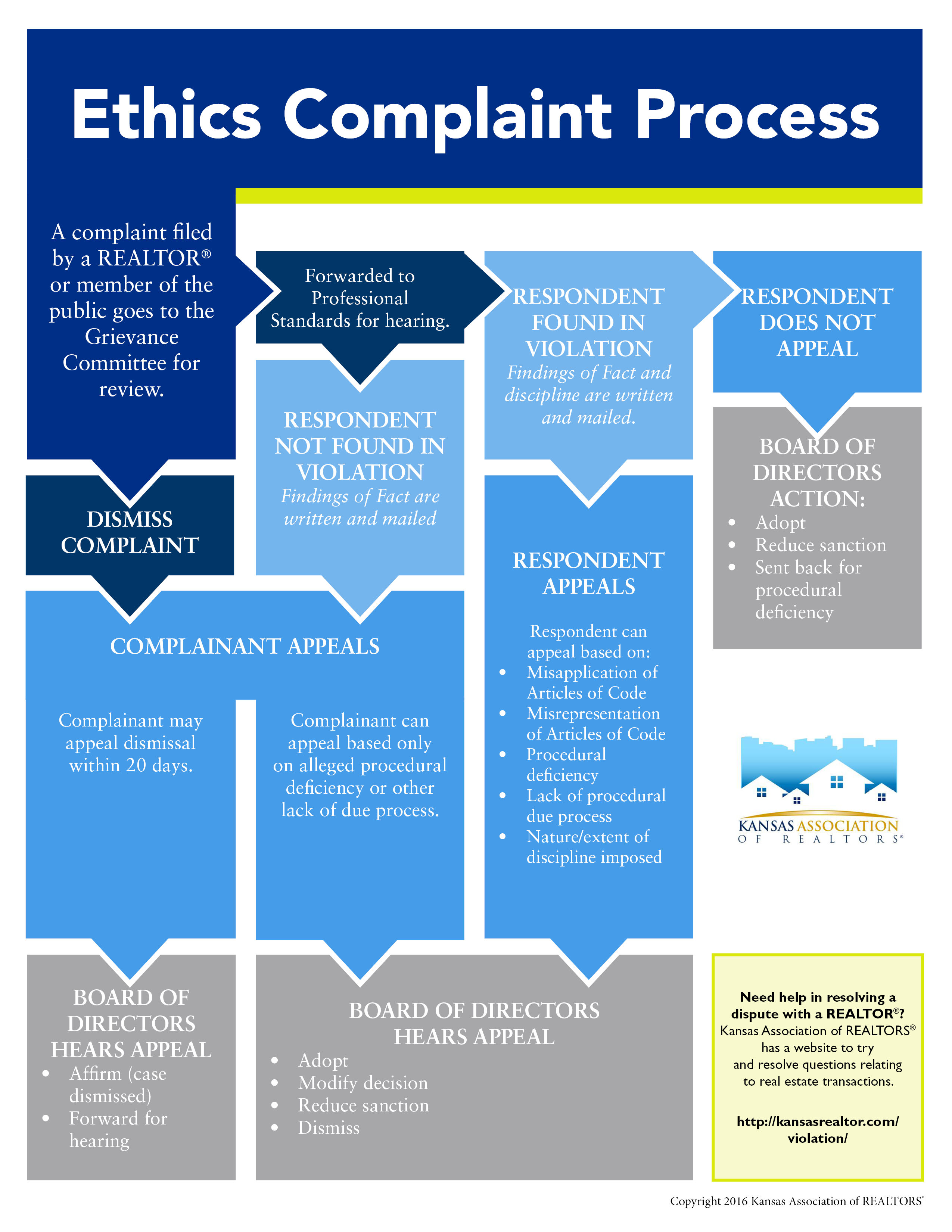
- Screening and Preliminary Investigation: The commission’s staff attorneys review the submission to determine if the facts, if true, would constitute a violation of the Code of Judicial Conduct. Complaints that are merely "disagreement with a ruling" are dismissed at this stage.
- Formal Investigation: If the initial screening warrants further inquiry, the commission issues a formal notice to the judge. This is the stage where evidence is gathered, witnesses are interviewed, and the judge is provided an opportunity to respond to the allegations.
- Adjudication: The commission may hold private hearings. Depending on the jurisdiction, the commission can issue private warnings, public reprimands, or, in the most severe cases, recommend that the state’s supreme court or a special tribunal remove the judge from office.
Comparison of Outcomes and Oversight
While every commission aims to maintain ethical standards, the specific powers they hold vary significantly by state and territory. Understanding these differences helps in managing expectations regarding the resolution of a complaint.
| Action Level | Description | Typical Outcome |
|---|---|---|
| Administrative Dismissal | Complaint lacks merit or alleges only legal error. | Case closed; no further action taken. |
| Private Admonition | Minor ethical lapse proven; private censure. | Judge is warned; record remains confidential. |
| Public Censure | Significant violation of the code of conduct. | Formal public announcement; permanent mark on record. |
| Removal / Suspension | Severe misconduct or criminal behavior. | Removal from the bench; permanent bar from office. |
Prerequisites for Filing a Complaint
To successfully initiate a review, the complainant must provide clear, objective evidence. Commissions rarely act on vague accusations or anecdotal "feelings" of unfairness. A well-prepared complaint in 2026 typically includes:
- Case Details: The specific case name, number, and the presiding judge's name.
- Chronological Narrative: A factual account of the specific incident, limited to the conduct in question.
- Supporting Evidence: If the incident occurred in a public hearing, a transcript or recording is highly valuable. If the complaint concerns behavior outside the courtroom, sworn affidavits or corroborating documentation are necessary.
- Legal Clarity: An explanation of which specific section of the Code of Judicial Conduct or the Rules of Professional Conduct is alleged to have been violated.
Common Pitfalls and Troubleshooting
The most frequent obstacle to a successful complaint is the misunderstanding of judicial immunity. Judges possess broad immunity for actions taken within the scope of their judicial duties. Even if a judge's ruling is perceived as unfair, the commission lacks the jurisdiction to intervene unless the conduct reflects a deep-seated bias or personal corruption.
If you find that your complaint has been dismissed, the most common reason is that the commission classified the complaint as a "legal dispute" rather than an "ethical grievance." In such instances, if the deadline for filing an appeal in the underlying court case has not passed, you should consult with legal counsel to pursue an appellate remedy rather than continuing to seek redress through the ethics commission.
Ethical Considerations for Parties and Counsel
If you are an attorney or a litigant involved in an ongoing case, reporting a judge to the commission is a high-stakes decision. Some jurisdictions require the disclosure of such complaints to the opposing party. Furthermore, filing a complaint does not automatically entitle the filer to a change of judge. In many instances, the standard procedure for removing a judge from a specific case—often termed "disqualification" or "recusal"—must be handled through a motion filed directly in the court where the case is pending, rather than through the ethics commission.
Frequently Asked Questions
What if I cannot afford a lawyer to help file a complaint? Most commissions are designed to be accessible to the public without the need for legal representation. The forms provided on official websites are usually clear and guided. However, while you do not need a lawyer, you are responsible for gathering all objective evidence to support your claims.
Are my complaints kept confidential? In most jurisdictions, the investigation process remains confidential to protect the integrity of the process and the judge’s reputation until a formal charge is sustained. Once a public charge is filed or a sanction is imposed, the nature of the proceedings may become public record.
Can I remain anonymous? Generally, no. Commissions usually require the identity of the complainant to ensure the integrity of the investigation and to allow the judge to respond to specific allegations, as required by due process. Anonymous tips are rarely sufficient to trigger a formal investigation.
How long does an investigation usually take? The timeline varies wildly depending on the complexity of the allegations. Simple matters may be resolved in a few months, while investigations involving patterns of systemic misconduct can take over a year to complete.
Is there a fee for filing a complaint? No. Filing a complaint with a judicial ethics commission is a free government service intended to provide accountability. If you encounter a website requesting payment to submit a judicial complaint, ensure you are on an official government domain; it is likely a phishing attempt or a private, unauthorized service.
Taking the Next Action
If you believe a judge has acted in an unethical manner, start by visiting the official website of your state’s judicial conduct commission. Look for the "Frequently Asked Questions" section, which typically provides the specific Rules of Judicial Conduct applicable in your jurisdiction. Review the criteria for "misconduct" carefully. If your concerns align with those criteria, download the official complaint form, gather your supporting documents, and ensure your submission is factual, chronological, and focused exclusively on the judge's behavior.
Image Gallery