Aurora Borealis January 2026: Your Guide to the Solar Maximum Peak
January 2026 represents the absolute peak of the current solar cycle, offering the most frequent and vibrant Aurora Borealis displays in over a decade. Due to the Solar Cycle 25 maximum, viewers at high latitudes can expect intense geo...
January 2026 represents the absolute peak of the current solar cycle, offering the most frequent and vibrant Aurora Borealis displays in over a decade. Due to the Solar Cycle 25 maximum, viewers at high latitudes can expect intense geomagnetic storms, providing rare opportunities to witness the Northern Lights even in more temperate regions.
Contents
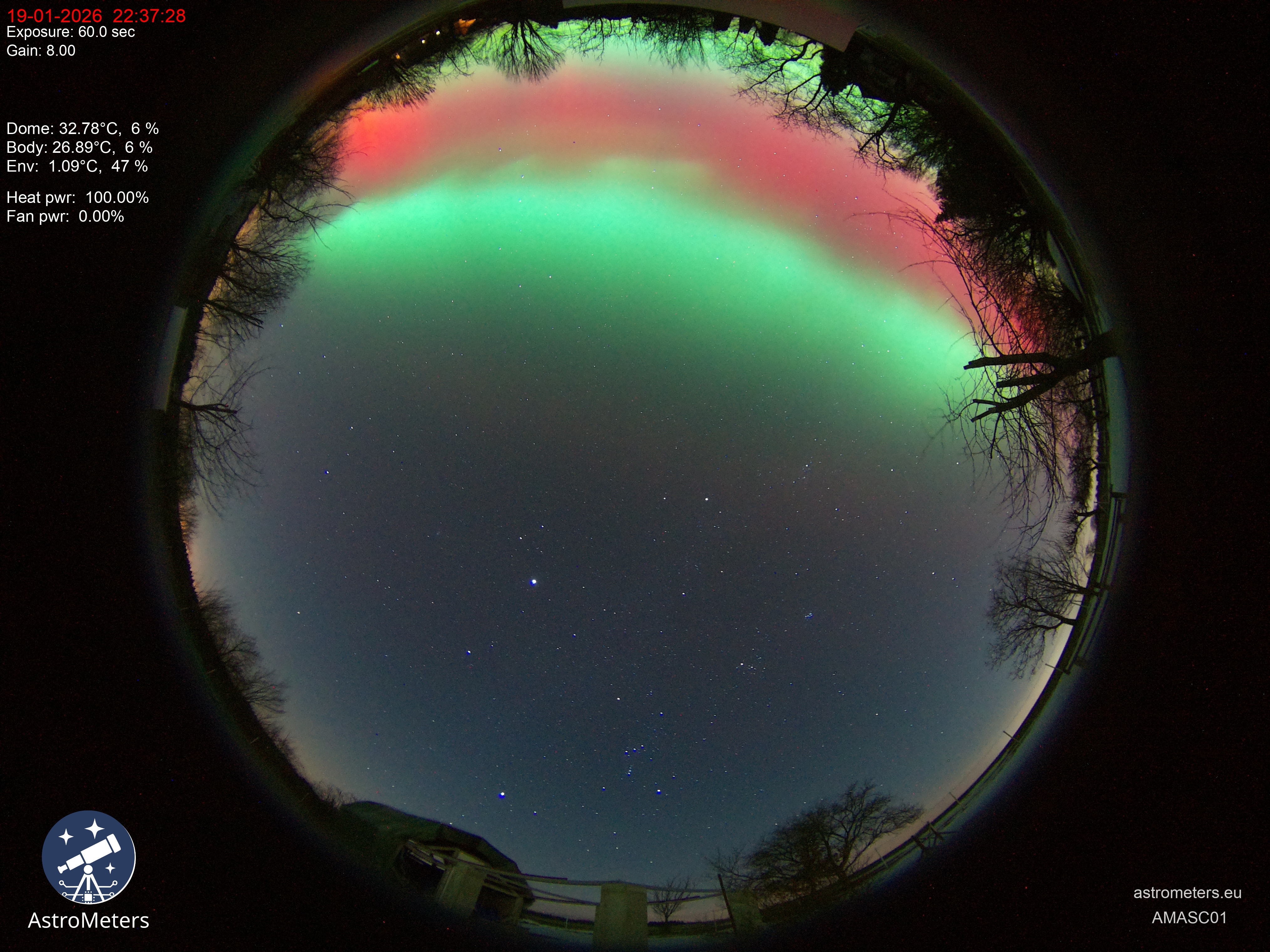
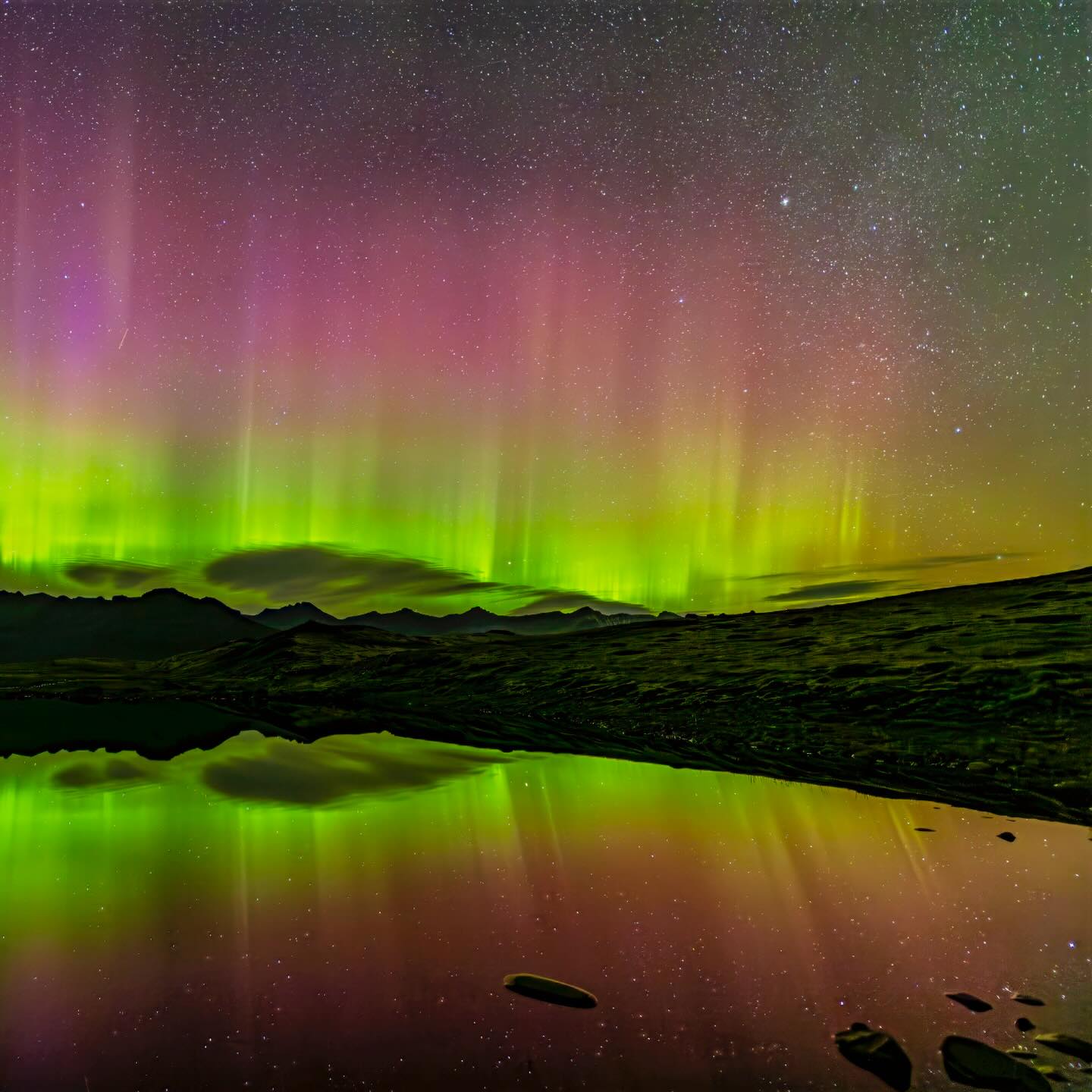
The Aurora Borealis, or Northern Lights, is a natural light display caused by the interaction between the Earth's magnetic field and charged particles from the sun. As we move through January 2026, we are positioned at the statistical "sweet spot" of Solar Cycle 25. This cycle, which began in late 2019, has reached its peak activity phase, meaning the sun is currently emitting frequent Coronal Mass Ejections (CMEs) and solar flares. For travelers and skywatchers, this translates to higher Kp-index readings and more frequent "substorms" that turn a faint green glow into a dancing curtain of violet, red, and green.
The Science: Why January 2026 is Exceptional
The primary driver of the current spectacular displays is the Solar Maximum. Every 11 years, the sun’s magnetic field completely flips, leading to a period of intense solar activity. January 2026 is identified by heliophysicists as a crucial month within this maximum plateau. During this phase, sunspots are numerous, and the likelihood of X-class solar flares—the strongest category—is at its highest.
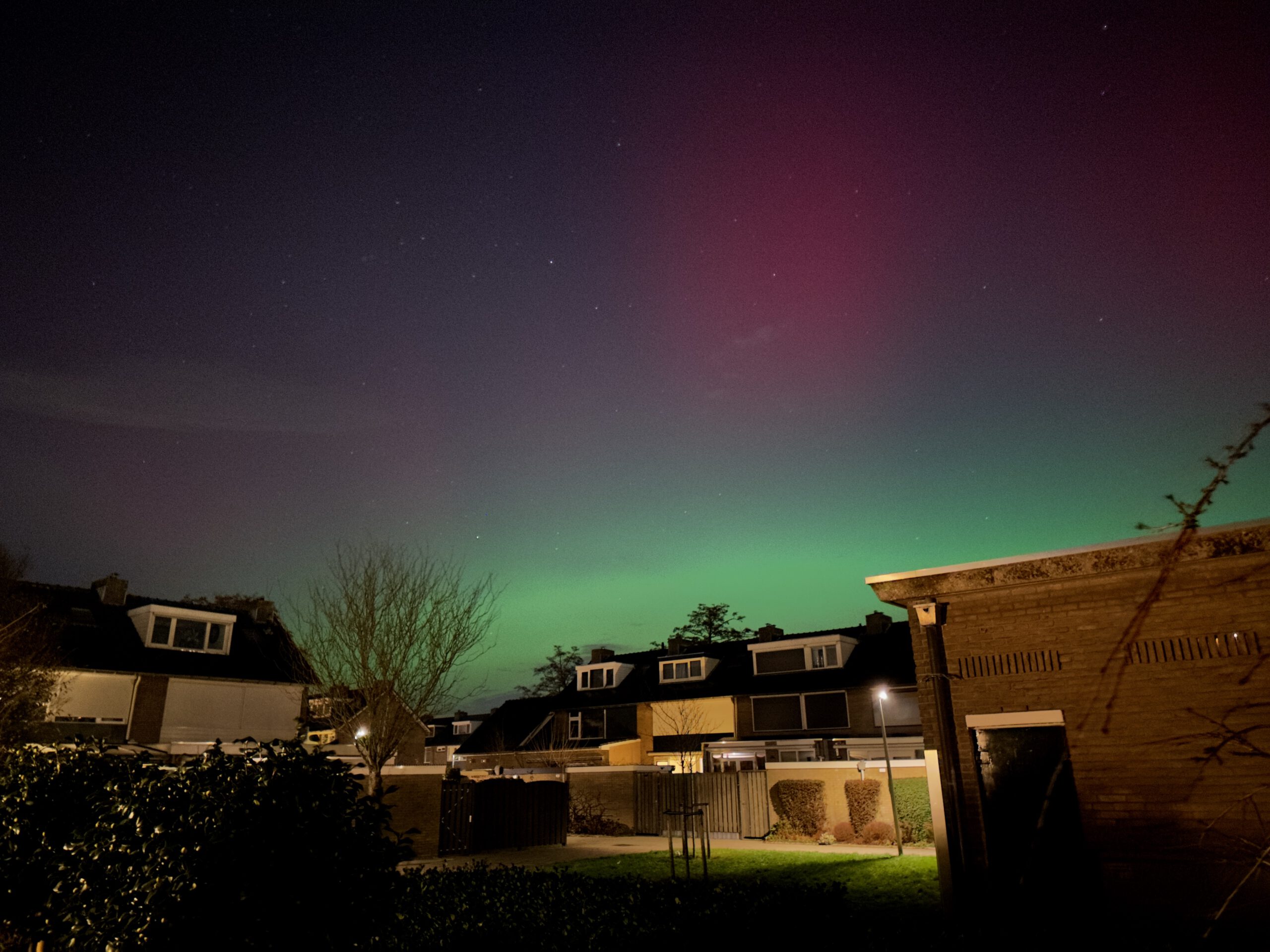
When a solar flare or CME occurs, it sends a stream of plasma toward Earth. When these particles hit our magnetosphere, they are funneled toward the poles. They collide with gases in our atmosphere—oxygen and nitrogen—releasing energy in the form of light. In January 2026, the sheer volume of these particles means the Auroral Oval (the ring around the magnetic pole where light is most common) expands significantly. This expansion allows the lights to be seen further south than usual, occasionally reaching the northern United States and central Europe during strong geomagnetic storms.
Furthermore, January offers the logistical advantage of Polar Night in the Arctic Circle. While the sun begins to return to regions like Tromsø or Fairbanks in mid-to-late January, the nights remain exceptionally long and dark. This darkness is the essential canvas required to see the lights. Even a Kp 2 or 3 event, which might be invisible during the shorter nights of March, can appear stunning against the deep, pitch-black skies of mid-winter.
Top Destinations for Viewing in January 2026
Choosing the right location involves balancing solar activity with local weather patterns. While the sun provides the energy, the Earth's weather determines whether you will actually see it.
Tromsø and Northern Norway
Norway remains a premier destination due to the Gulf Stream, which keeps coastal temperatures significantly higher than equivalent latitudes in Canada or Siberia. In January 2026, Tromsø serves as a central hub for "aurora chasing." The city’s infrastructure allows guides to drive hours inland toward the Finnish border if coastal clouds roll in. The presence of the Norwegian Sea also provides dramatic photographic opportunities, reflecting the green lights against open water.
Abisko, Sweden
Abisko is home to the "Blue Hole," a microclimate created by the surrounding mountains that keeps the sky clear even when the rest of Scandinavia is covered in clouds. For a January 2026 trip, Abisko offers the highest statistical probability of clear skies. The Aurora Sky Station provides a high-altitude viewing point, though visitors should prepare for temperatures frequently dropping below -20°C (-4°F).
Fairbanks, Alaska
For those in North America, Fairbanks is the gold standard. It is situated directly under the Auroral Oval. In January, the interior of Alaska is notoriously cold, but this cold is often accompanied by high-pressure systems that bring clear, stable air. The University of Alaska Fairbanks (UAF) Geophysical Institute provides real-time local forecasts that are essential for self-guided viewing near Murphy Dome or the Chena Hot Springs area.
Yellowknife, Canada
Yellowknife is famous for its flat terrain and lack of mountain-induced cloud cover. In January 2026, the "Aurora Village" and surrounding frozen lakes offer 360-degree views of the horizon. This is particularly important during the solar maximum, as the aurora can often fill the entire sky, not just the northern horizon.
Comparing Key Viewing Locations for January 2026
| Location | Typical Jan Temp (°C) | Cloud Cover Probability | Accessibility | Best Viewing Feature |
|---|---|---|---|---|
| Tromsø, Norway | -2 to -6 | Moderate/High | High (Airport/Roads) | Coastal Fjords & Infrastructure |
| Abisko, Sweden | -10 to -15 | Low (Microclimate) | Moderate (Train/Car) | The "Blue Hole" clear skies |
| Fairbanks, USA | -20 to -30 | Low/Moderate | High (Airport) | Consistent Oval Positioning |
| Yellowknife, CAN | -25 to -32 | Low | Moderate (Regional Jet) | Flat Horizon & Frozen Lakes |
| Reykjavik, ISL | 1 to -2 | High | High (International Hub) | Volcanic Landscapes |
Technical Requirements and Gear for January
Viewing the aurora in January 2026 requires more than just looking up; it requires preparation for extreme environments and technical knowledge of solar data.
Understanding the Kp-Index
The Kp-index is a scale from 0 to 9 used to characterize the magnitude of geomagnetic storms.
- Kp 0-2: Quiet activity. Aurora is visible only at high latitudes (e.g., Svalbard or Northern Greenland).
- Kp 3-4: Moderate activity. Visible throughout the Arctic Circle. This is the "baseline" for January 2026.
- Kp 5-6: G1 to G2 level geomagnetic storms. Aurora may be visible in Scotland, the northern US border, and southern Scandinavia.
- Kp 7-9: Major storms. Aurora can reach as far south as the mid-US or Northern France.
Essential Clothing
January in the Arctic is unforgiving. The "Three-Layer System" is mandatory:
- Base Layer: Moisture-wicking merino wool (not cotton).
- Mid Layer: Heavy fleece or wool sweater to trap heat.
- Outer Layer: Windproof, waterproof parka and insulated snow pants. Special attention must be paid to the extremities. Chemical hand and toe warmers are highly recommended, as standing still for hours in the snow can lead to rapid heat loss.
Photography Equipment
To capture the January 2026 peak, a smartphone often isn't enough unless it has a dedicated "Night Mode." For professional results:
- Tripod: Essential for long exposures (5–15 seconds). Carbon fiber is preferred as metal tripods can become brittle and stick to skin in -30°C.
- Lens: A wide-angle lens (14mm to 24mm) with a fast aperture (f/2.8 or wider).
- Batteries: Cold saps battery life. Keep spare batteries in an inside pocket close to your body heat.
- Remote Shutter: To prevent camera shake when pressing the button.
Navigating Weather and Moon Cycles
The biggest "Aurora Killer" isn't a lack of solar activity—especially during the 2026 maximum—but cloud cover. Even the most intense G5 storm is invisible behind a thick layer of stratus clouds.
Travelers should monitor the Moon Phase for January 2026. A full moon (occurring around January 3rd, 2026) can wash out faint aurora displays, making the sky appear blue rather than black. However, during the solar maximum, the lights are often bright enough to compete with moonlight. For the best "structure" and "curtaining" in your photos, aim for the new moon period around January 18th-20th, 2026.
For weather tracking, use localized apps such as Yr.no for Scandinavia or Weather.gov for Alaska. These provide cloud-layer maps (low, medium, and high clouds), which are more useful than general "sunny" or "cloudy" forecasts.
Common Pitfalls and Troubleshooting
- Staying in the City: Light pollution from streetlights significantly reduces the contrast of the aurora. In places like Reykjavik or Tromsø, you must drive at least 20–30 minutes away from city centers to see the true vibrancy of the lights.
- Looking South: While the aurora can appear overhead or to the south during major storms, your primary focus should always be the northern horizon.
- Giving Up Too Early: Aurora activity is cyclical. A "quiet" sky at 9:00 PM can transform into a full-sky display at 11:30 PM. The most active window is typically between 10:00 PM and 2:00 AM.
- Relying Solely on Apps: Aurora forecast apps are based on satellite data (like the DSCOVR satellite) located at the L1 point. This gives about a 30–60 minute warning. However, local "magnetic ripples" can cause displays that the satellites might miss. Always check the sky manually every 15 minutes.
Practical Recommendation for January 2026
If you are planning a trip for January 2026, the most effective strategy is to stay for at least five nights in a high-latitude location. Statistical data from the NOAA Space Weather Prediction Center suggests that during a solar maximum, you have an 85% chance of seeing a display within a three-night window, provided the skies are clear.
Book a "chase" tour for your first night to learn the local geography and viewing spots, then consider renting a car for subsequent nights to have the flexibility to follow clear weather gaps. Given the peak activity expected this month, prioritize locations with inland access to avoid the coastal cloud traps common in mid-winter.
Image Gallery