Is the Boston Accent Dying? The Evolution of New England’s Most Iconic Dialect
The Boston accent is not disappearing entirely, but it is undergoing a significant "dialect leveling" that makes it less prevalent than in previous decades. While the traditional non-rhotic (r-dropping) speech remains a hallmark of old...
The Boston accent is not disappearing entirely, but it is undergoing a significant "dialect leveling" that makes it less prevalent than in previous decades. While the traditional non-rhotic (r-dropping) speech remains a hallmark of older, working-class populations, it is rapidly receding among younger generations and within the professionalized, highly mobile urban core of 2026 Boston.
Contents
The question of whether the Boston accent is dying has moved from casual observation to a documented sociolinguistic phenomenon. For over a century, the distinct "r-less" cadence of Eastern Massachusetts was a badge of regional identity, transcending socioeconomic lines. However, a combination of shifting demographics, economic pressures, and the influence of a standardized "Midwestern" media dialect has fundamentally altered the linguistic landscape of the city. To understand the current state of the Boston accent, one must look past the Hollywood stereotypes and examine the phonological shifts occurring in the neighborhoods of Southie, Dorchester, and the surrounding "Gateway Cities."
The Linguistic Mechanics of the Boston Accent
To determine if the accent is dying, we must first define what it actually is. The "Boston accent" is technically a collection of features found in Eastern New England English. The most famous feature is non-rhoticity, or the dropping of the "r" sound at the end of syllables or before consonants. This turns "park the car" into "pahk the cah."
However, true Bostonian speech is more complex than just dropping letters. It involves several distinct phonological rules:
- Linking R: Even a broad-accented Bostonian will pronounce the "r" if the following word begins with a vowel. For example, in the phrase "the car is here," the "r" in "car" is often pronounced to bridge the gap to the word "is."
- Intrusive R: Conversely, Bostonians often insert an "r" where it doesn't belong if a word ending in a vowel is followed by another vowel. This leads to "the idear of it" or "drawring" (drawing).
- The Broad A: Historically, Bostonians used a "broad A" in words like bath or half, sounding more like the British "ah" than the flat American "ae." This feature is one of the first to have faded in the modern era.
- The Cot-Caught Distinction: Unlike many other parts of the United States that have merged these two vowel sounds, traditional Bostonians (and most New Englanders) maintain a distinction between the "o" in cot and the "au" in caught.
The Data Behind the Decline: The "R-Dropping" Cliff
Linguistic studies conducted over the last twenty years, including significant research from Dartmouth College and various University of Massachusetts departments, show a clear generational divide. In surveys of native Bostonians, researchers found that people born before 1950 dropped their "r"s nearly 80% of the time. For those born after 1990, that frequency plummeted to less than 10% in some urban areas.
As we move through 2026, this "linguistic cliff" has become even more pronounced. The accent is now increasingly "rhotic," meaning the "r" sounds are being reinserted into speech. This transition is not accidental; it is the result of a concentrated shift toward Standard American English, which is rhotic. Younger speakers in the Greater Boston area may still retain the "Boston cadence"—the rhythm and melody of the speech—without adopting the specific vowel shifts and r-dropping of their grandparents.
Why the Accent is Receding: Four Primary Drivers
The erosion of a regional dialect is rarely the result of a single factor. In Boston’s case, several powerful social and economic forces are converging to flatten the local tongue.
1. The Influx of "Transplants" and Gentrification
Boston has transitioned from a manufacturing and shipping hub into a global center for biotechnology, higher education, and finance. This economic shift has brought a massive influx of residents from outside New England. When a local population is diluted by people speaking Standard American English, "dialect leveling" occurs. Locals, especially those in professional settings, subconsciously adapt their speech to be more easily understood by their non-local peers.
2. Socioeconomic Mobility and "Prestige" Dialects
Sociolinguists have long noted that non-rhoticity in the United States is often (unfairly) associated with a lack of formal education or lower socioeconomic status. As Boston became one of the most expensive and highly educated cities in the world, the local accent began to carry a social stigma in corporate and academic environments. Consequently, parents who grew up with the accent often encouraged their children to speak "correctly" to ensure better career prospects, effectively severing the oral tradition.
3. The Displacement of the Working Class
The "heart" of the Boston accent was traditionally found in working-class neighborhoods like South Boston (Southie), Charlestown, and East Boston. As these areas have gentrified, the original families—the carriers of the dialect—have moved to "Gateway Cities" like Lynn, Revere, and Quincy, or further out to the South Shore and North Shore. While the accent survives in these pockets, it is no longer the dominant sound of the city center.
4. Media and Digital Homogenization
Like all regional accents, the Boston dialect is under pressure from the "YouTube Effect." Children are exposed to thousands of hours of standardized English through digital media long before they enter the school system. This exposure acts as a linguistic sandpaper, smoothing out the sharp regional corners of their speech before they are even old enough to realize they have a local identity.
Where the Accent Still Thrives
While the accent is fading in the Back Bay and the Seaport, it remains vibrant in specific enclaves. If you are looking for the "authentic" Boston sound in 2026, you must look toward the outer rings of the MBTA (the "T") and the coastal suburbs.
| Region | Accent Strength | Common Features |
|---|---|---|
| Downtown/Seaport | Very Low | Mostly Standard American; high transplant population. |
| South Shore (Quincy, Weymouth) | High | Heavy r-dropping; strong "townie" identity. |
| North Shore (Revere, Lynn) | High | Nasal vowels; persistent r-dropping and "linking r." |
| Metrowest (Newton, Weston) | Low | Standard American with subtle New England vowel length. |
| Gateway Cities (Lowell, Worcester) | Moderate | A blend of local Boston features and emerging diverse dialects. |
The South Shore, in particular, has become the new "home" of the accent. Towns like Weymouth and Braintree have retained a high density of multi-generational families who take pride in their local identity, ensuring that the dialect persists as a marker of community belonging rather than just a geographical accident.
The Cultural Paradox: Hollywood vs. Reality
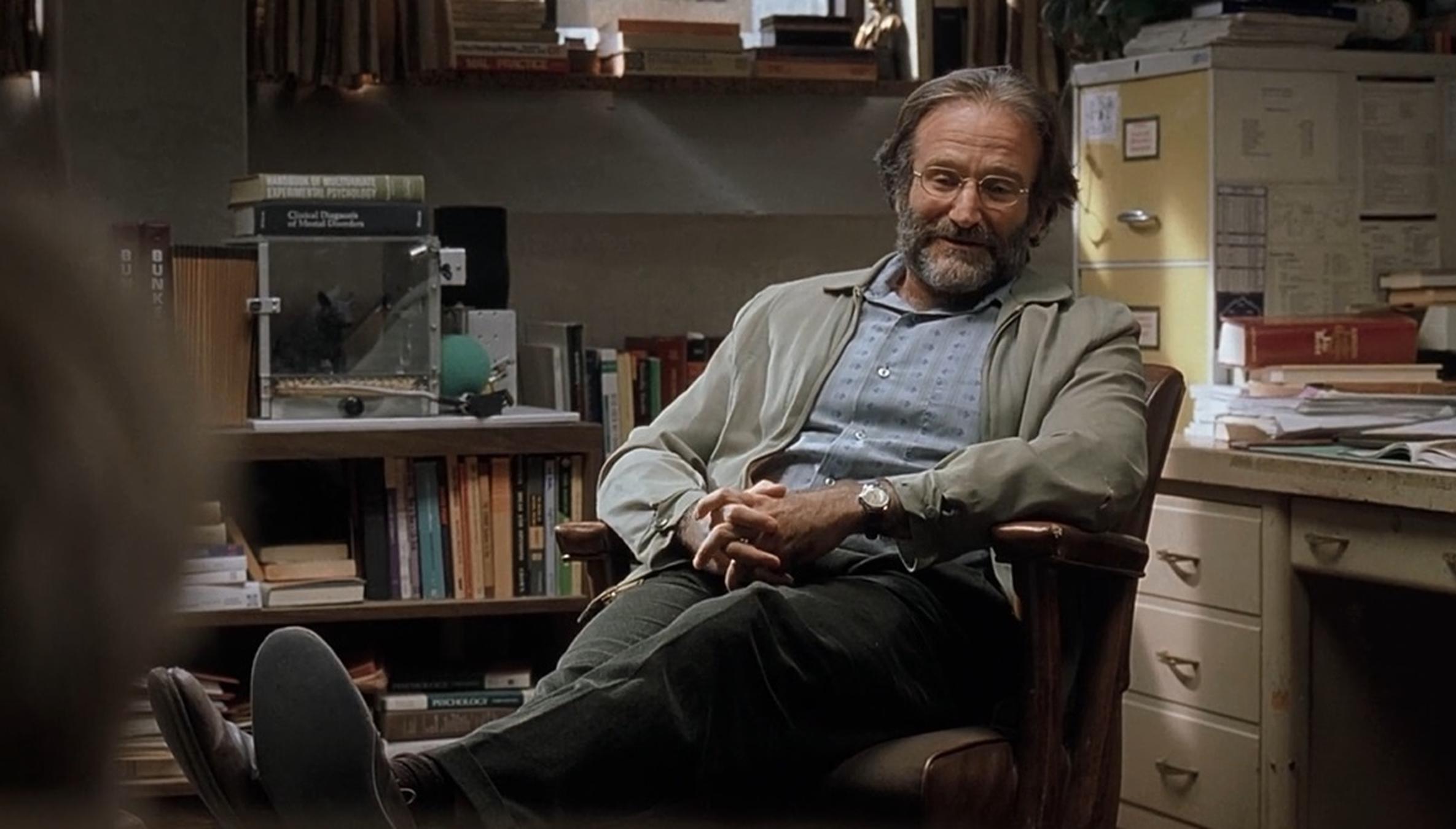
Ironically, as the accent dies in the streets, it thrives on the screen. The "Boston Movie" genre—popularized by films like The Departed, The Town, and Good Will Hunting—has turned the accent into a global caricature.
However, locals often find these cinematic accents to be "over-egged." Actors frequently drop every "r" without following the complex linguistic rules of the linking or intrusive "r," making the speech sound forced. In 2026, the cultural perception of the accent is caught between two worlds: it is seen as a symbol of "Old Boston" grit and authenticity, yet it is increasingly rare to hear it in a boardroom at a Kendall Square tech firm.
Common Questions About the Boston Accent
Is the Boston accent the same as the Rhode Island accent?
No, although they share the non-rhotic (r-dropping) feature. The Rhode Island accent, particularly in Providence, features a much broader "aw" sound (as in coffee) and different vowel glides. A native New Englander can usually tell the difference between a "Southie" accent and a "Providence" accent within seconds.
Can you "lose" a Boston accent?
Yes. Because the accent is largely phonological (the way you move your mouth), many people "code-switch." They may speak with a thick accent when talking to family or childhood friends but switch to Standard American English in professional environments. Over time, the "professional" voice can become the default.
Do wealthy people in Boston have the accent?
Historically, there was a "Boston Brahmin" accent—a pseudo-British, aristocratic way of speaking found among the city's elite (think JFK). This is almost entirely extinct. Today, wealth in Boston is more often associated with the absence of a regional accent, as the affluent population is highly globalized and mobile.
Why do some people insert an 'R' in words like "idear"?
This is known as the Intrusive R. It is a compensatory mechanism of non-rhotic dialects. Because the speaker is used to dropping 'r's, the brain "over-corrects" when two vowel sounds meet at word boundaries to prevent a glottal stop, making the transition between words smoother.
The Future: A "New" Boston Dialect?
The Boston accent isn't so much hitting a dead end as it is merging onto a different highway. Linguists are beginning to observe a "New Boston" dialect. This version of speech is rhotic (the 'r's are back), but it retains the specific vowel shifts and the fast-paced, assertive "clipped" rhythm of the original.
Instead of "pahk the cah," a 2026 Bostonian might say "park the car," but the "a" in "park" will be shorter and more nasal than a Californian's, and the sentence will be delivered with the characteristic New England brevity.
Recommendation for Observers and Residents
If you are interested in the preservation of regional dialects or are moving to the area, the best way to experience the authentic Boston accent is to engage with local community institutions. Visit the local diners in Revere, attend a high school hockey game on the South Shore, or spend time in the veteran-owned pubs of Dorchester.
The accent is a living piece of history. While it may no longer dominate the airwaves or the halls of Harvard, it remains a resilient symbol of a city that prides itself on being "Boston Strong." For those looking to study the dialect, 2026 represents a critical window: it is a time when the "Old World" of r-dropping and the "New World" of standardized speech exist in a fragile, fascinating tension.
Image Gallery