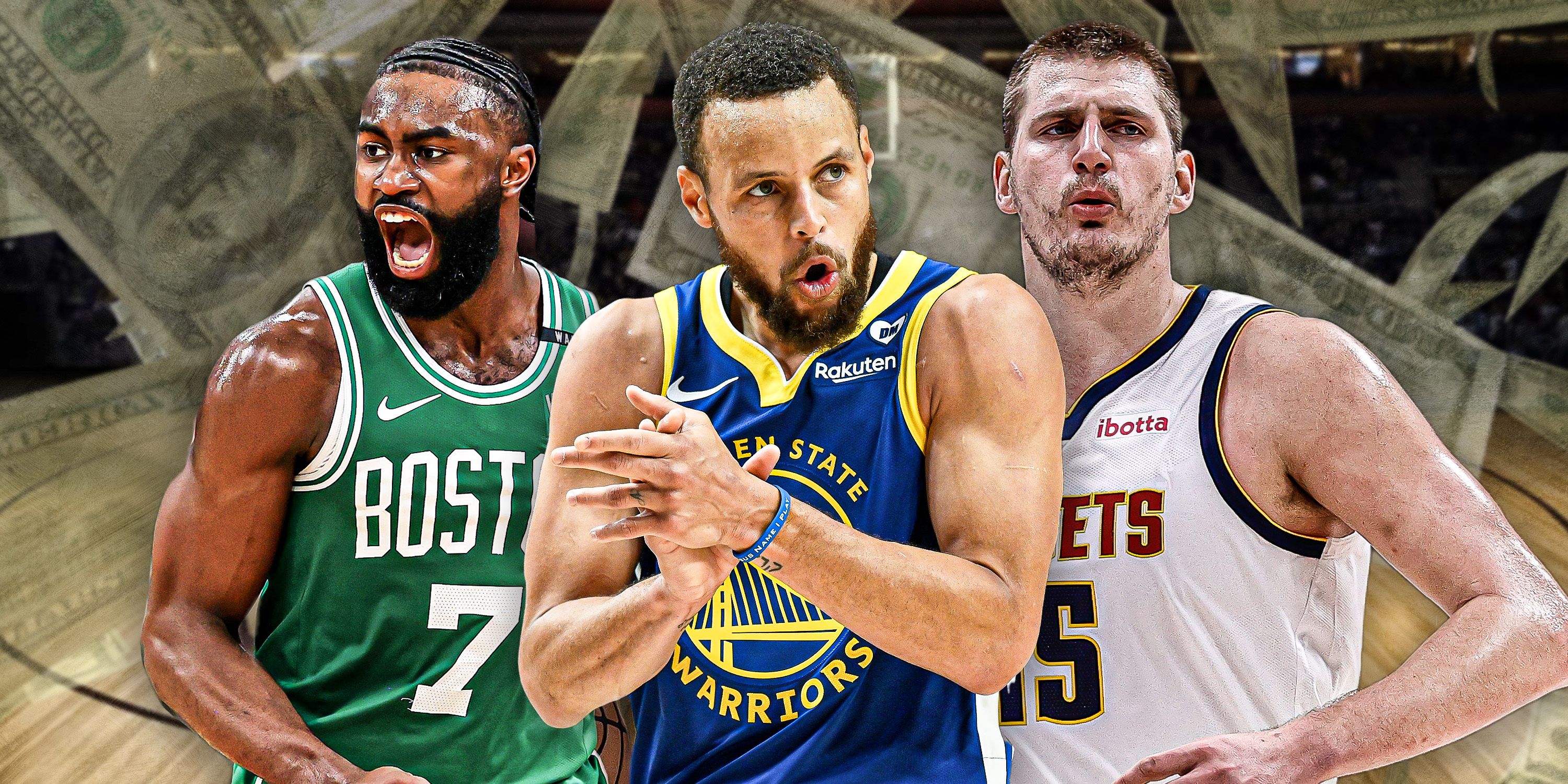
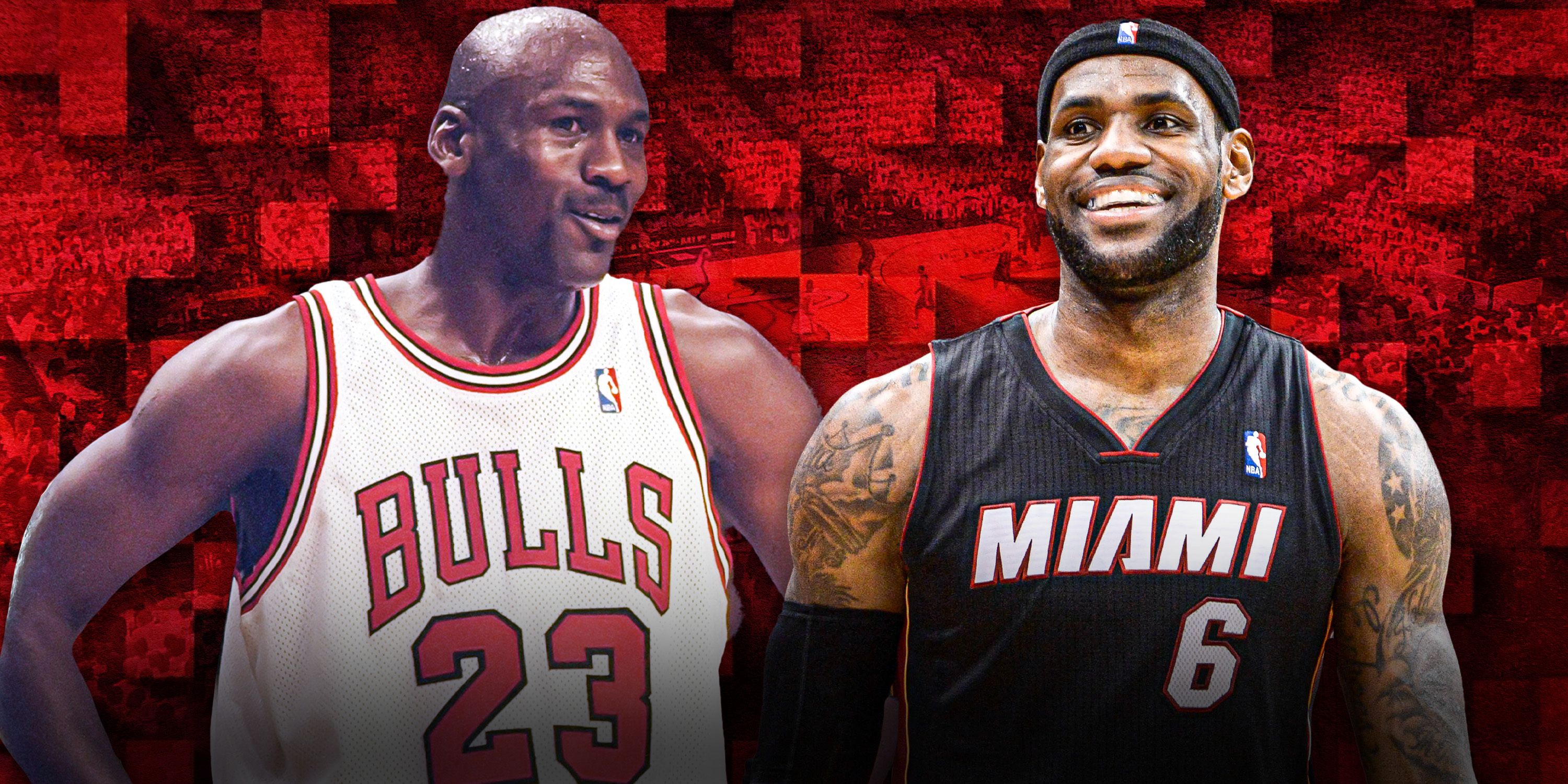
Navigating the Professional Journey of an NBA Player in 2026
An NBA player is a professional athlete competing in the National Basketball Association, representing the pinnacle of elite basketball talent worldwide. Achieving this status requires exceptional athletic ability, rigorous tactical tr...
An NBA player is a professional athlete competing in the National Basketball Association, representing the pinnacle of elite basketball talent worldwide. Achieving this status requires exceptional athletic ability, rigorous tactical training, and navigating complex contractual, physical, and psychological demands within a multi-billion-dollar global sports industry.
Contents
The modern basketball landscape demands an unprecedented level of specialization, tactical awareness, and physical conditioning. Navigating the journey from an amateur prospect to an established professional requires understanding the pathways, operational frameworks, and performance standards enforced by the league. This guide examines the physiological, financial, and strategic realities of competing at the highest level of professional basketball.
The Evolution of the Modern Athlete Profile
The physical and technical profile of a professional basketball player has transformed dramatically over the last decade. Traditional positional archetypes—such as the pure point guard, traditional center, or defensive specialist—have largely given way to positionless basketball, where versatility is valued above all else.
Athletes must now master multiple offensive and defensive schemes. Spacing, shooting efficiency from beyond the arc, and switchable defensive versatility are mandatory competencies. Front offices and coaching staffs evaluate talent through advanced analytics, tracking every movement, shot trajectory, and defensive contest rate.
Key Analytical Metrics in Player Evaluation: True Shooting Percentage (TS%): Measures scoring efficiency by factoring in field goals, three-pointers, and free throws. Player Efficiency Rating (PER): Developed to sum up a player's positive accomplishments while subtracting negative ones. Defensive Rating: Evaluates individual and team defensive impact per 100 possessions. Usage Rate (USG%): Estimates the percentage of team plays used by a player while they are on the court.
Pathways to the League: Scouting and Selection
Securing a roster spot in the league is a highly competitive process regulated by specific collective bargaining agreements and developmental pipelines. Aspiring athletes typically follow distinct competitive trajectories before earning a professional contract.
Primary Pathways to a Professional Contract
- NCAA Collegiate System: The traditional breeding ground, where student-athletes compete in Division I programs before entering the annual draft.
- Overtime Elite and Professional Pathway Programs: Alternative domestic development leagues offering direct professional preparation and financial compensation to high school graduates.
- International Professional Leagues: Competing in top-tier European or global leagues (such as the EuroLeague or NBL) against seasoned professionals, showcasing immediate readiness for higher competition.
- The NBA G League: The official minor league organization, featuring the G League Ignite legacy programs and direct paths through the annual draft pool and showcase cups.
Contract Structures, Compensation, and Financial Realities
The business side of professional basketball involves sophisticated financial frameworks dictated by the Collective Bargaining Agreement (CBA). Contracts vary wildly based on draft position, tenure, performance awards, and team salary cap flexibility.
| Contract Type | Eligibility Criteria | Duration / Terms | Financial Impact |
|---|---|---|---|
| Rookie Scale Contract | First-round draft picks | 2 guaranteed years plus 2 team option years | Fixed scale based strictly on draft slot position |
| Maximum Salary Contract | Veterans meeting specific service time criteria (e.g., 7-9+ years) | Up to 4 or 5 years with annual raises | Tied directly to the fluctuating salary cap percentage |
| Two-Way Contract | Players with four or fewer years of service | Split time between the NBA club and G League affiliate | Flat salary rate distinct from standard minimums |
| Minimum Salary Contract | Any eligible veteran or undrafted free agent | 1 to 2 years, often fully or partially non-guaranteed | Scales upward based on total years of service time |
Beyond base salaries, athletes navigate complex wealth management challenges, including escrow withholdings, agent commissions, luxury tax implications, and specialized disability insurance policies to protect their future earnings against catastrophic injury.
Physical Maintenance and Load Management
The 82-game regular season, combined with intense travel schedules, places extreme wear and tear on the human body. Maintaining peak physical condition requires a multidisciplinary approach involving sports science, advanced kinesiology, and strict recovery protocols.
- Biomechanical Monitoring: Utilizing wearable GPS devices and force plates to track acceleration, deceleration, and jump loads to prevent non-contact soft tissue injuries.
- Cryotherapy and Hydrotherapy: Employing cold-water immersion and localized cryotherapy chambers immediately post-game to reduce systemic inflammation.
- Nutritional Customization: Working alongside dedicated performance chefs and sports dieticians to maintain optimal body composition, glycogen replenishment, and hydration levels.
- Sleep Science: Analyzing circadian rhythms and travel-induced jet lag to optimize sleep hygiene during grueling multi-city road trips.
Pros and Cons of a Professional Career
Entering the highest echelon of professional sports yields extraordinary rewards alongside intense public pressure and physical tolls.
- Pros:
- Exceptional earning potential and long-term financial security through guaranteed contracts.
- Global brand partnership opportunities, signature shoe deals, and lucrative media endorsements.
- Access to world-class medical staffs, training facilities, and elite coaching networks.
- Cons:
- Relentless physical stress leading to chronic joint issues and high injury risks.
- Intense public scrutiny, constant media attention, and lack of personal privacy.
- Compressed career lifespans, requiring complex transition planning for life after competitive sports.
Comparative Overview: Development and Performance Metrics
Evaluating the journey of a modern athlete requires understanding how different developmental tiers shape overall career trajectory.
| Development Stage | Primary Focus | Key Performance Indicators | Common Risk Factors |
|---|---|---|---|
| Amateur / Collegiate | Skill acquisition, fundamentals, and tactical maturity | Per-game statistics, basketball IQ, athletic testing | Overuse injuries, poor foundational habits |
| Rookie / Early Career | Adaptation to speed, strength, and defensive schemes | Shooting efficiency, turnover ratio, defensive discipline | Loss of confidence, limited playing time |
| Prime / Peak Years | Team leadership, tactical execution, maximizing efficiency | Advanced metrics (WS, PER), All-Star selections | Fatigue accumulation, chronic joint stress |
| Late Career / Veteran | Mentorship, situational floor spacing, defensive positioning | High assist-to-turnover ratio, clutch performance | Diminished lateral quickness, reduced minutes |
Frequently Asked Questions
What are the physical requirements to become a professional basketball player?
Exceptional height, wingspan, lateral quickness, and vertical leap are foundational, though skill refinement and basketball IQ can compensate for physical limitations. Athletes must possess elite cardiovascular endurance to sustain high-intensity intervals throughout a grueling 48-minute contest.
How do athletes manage the demanding 82-game travel schedule?
Teams employ chartered flights, private security, and dedicated travel coordinators to minimize transit stress. Players utilize sports scientists, physical therapists, and sleep specialists traveling with the team to execute immediate recovery protocols upon arrival in each city.
What happens when an athlete suffers a long-term injury?
Standard contracts feature injury protection clauses ensuring players receive their full base salaries while rehabilitating. Organizations provide access to elite orthopedic surgeons, physical therapists, and rehabilitation facilities to oversee recovery.
How do players transition into post-playing careers?
Many athletes prepare for retirement by pursuing business ventures, media broadcasting roles, or coaching positions. The National Basketball Players Association (NBPA) offers extensive educational programs, executive education partnerships, and internship opportunities to facilitate seamless career transitions.
How are contracts negotiated under the collective bargaining agreement?
Contracts are negotiated between certified player agents and team front offices within strict parameters set by the NBA Collective Bargaining Agreement. Rules dictate maximum salary thresholds, luxury tax penalties, and allowable annual raise percentages based on prior service time.
Conclusion
Sustaining a career as an elite professional requires a delicate balance of physical durability, tactical intelligence, and strategic financial management. Understanding the multifaceted ecosystem surrounding the sport clarifies the immense dedication required to reach and maintain excellence at the highest level.
Image Gallery