The Complex Dynamic of Uncle Lou Raising Kanan in the Power Universe
Uncle Lou-Lou Thomas, portrayed by Malcolm Mays in the Starz television series Power Book III: Raising Kanan, occupies a uniquely fragile and influential role in the criminal and domestic architecture of the Thomas family enterprise. W...
Uncle Lou-Lou Thomas, portrayed by Malcolm Mays in the Starz television series Power Book III: Raising Kanan, occupies a uniquely fragile and influential role in the criminal and domestic architecture of the Thomas family enterprise. While his older sister Raq (Raquel Thomas) commands the drug organization with calculated ruthlessness, Lou functions as the creative soul, the reluctant muscle, and the emotional barometer of the family, attempting to steer a path through the violent underworld of 1990s South Jamaica, Queens.
Contents
Within the narrative of Raising Kanan, the phrase "raising Kanan" operates on both a literal and a thematic level. Kanan Stark (played by Mekai Curtis) is molded not just by his mother Raq, but by the collective pressure, protection, and corruption administered by his entire family, with Uncle Lou playing a pivotal psychological part. Lou provides Kanan with a different blueprint for manhood—one tethered to music, ambition, and emotional vulnerability—even as Lou himself is repeatedly dragged back into the inescapable violence of the family trade. Examining Lou's role requires a close look at his character arc, his relationship with Kanan, his artistic aspirations, and the friction between his personal desires and his obligations to Raq's empire.
Character Identity and Position in the Thomas Crime Family
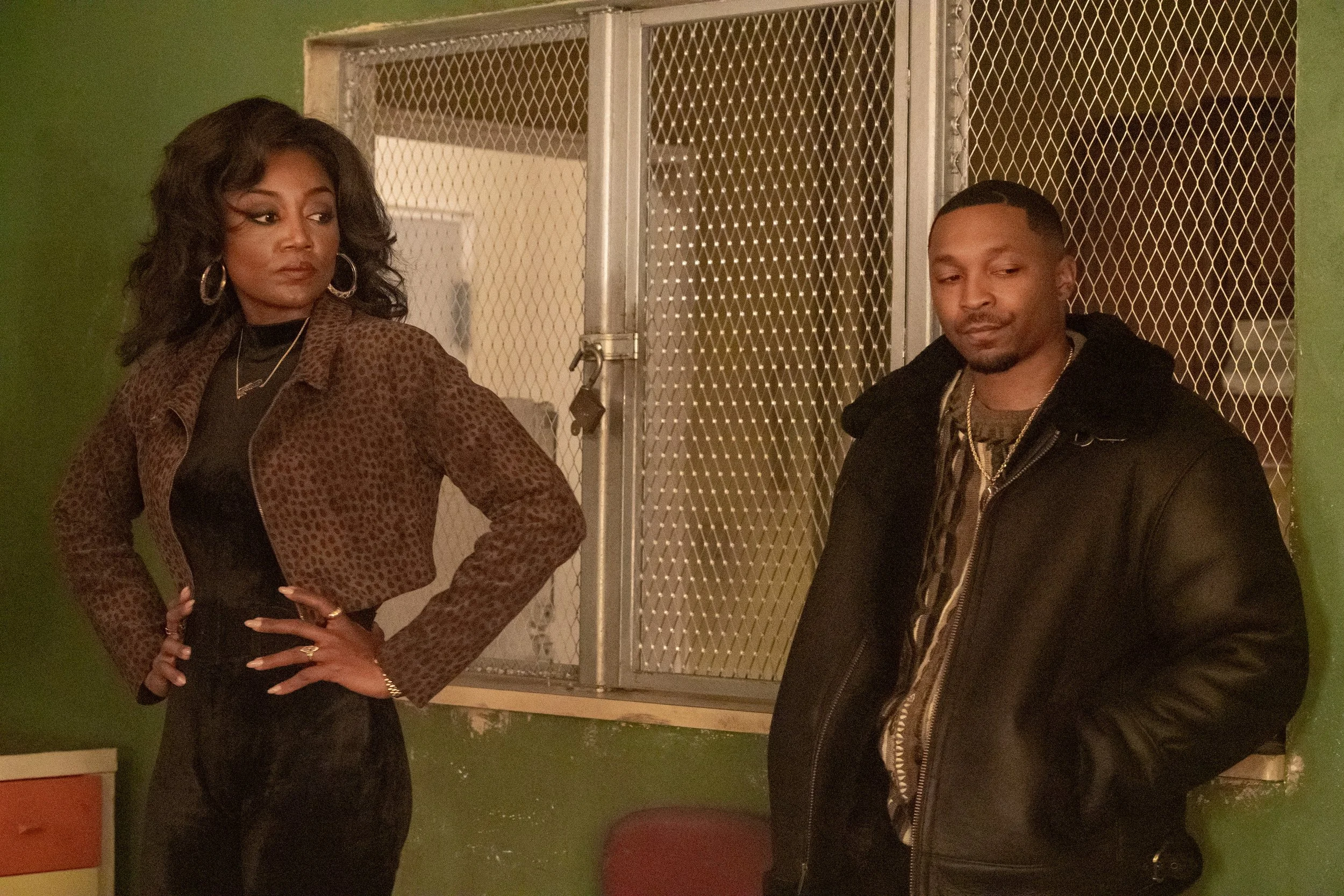
Lou-Lou Thomas is introduced as a foundational pillar of the Thomas family drug organization, alongside Raq and their younger brother, Marvin. However, Lou possesses a temperament that distinguishes him from his siblings. Where Raq sees chess pieces and collateral damage, Lou often sees human cost. This sensitivity is both his greatest asset in the legitimate world and a severe liability in the drug trade.
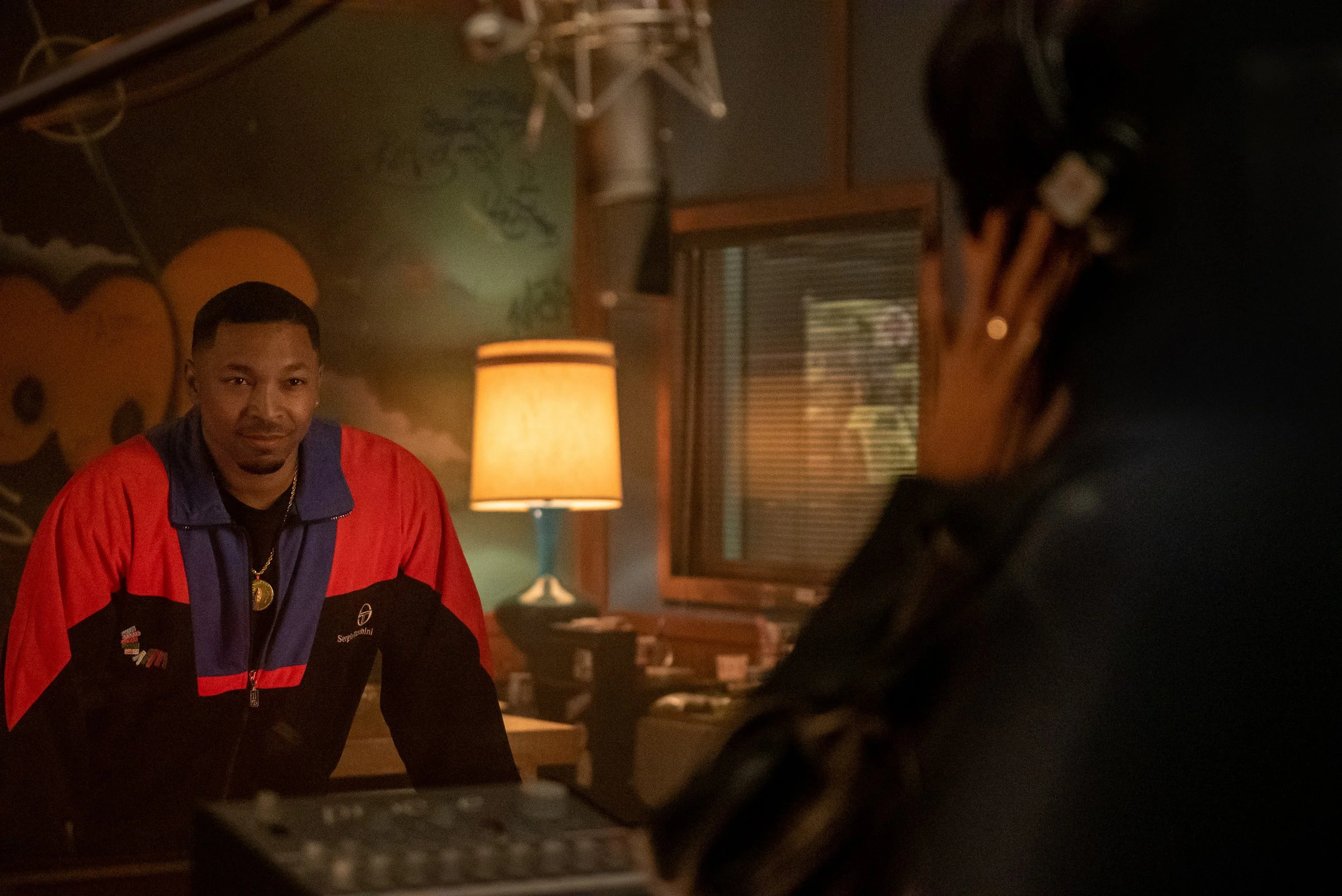
Throughout the series, Lou's primary conflict stems from his desire to build a legitimate career in the music industry through his record label, Business Records. He views music as an escape hatch—a way out of the generational trauma and street-level violence that defines South Jamaica, Queens. Despite this ambition, Raq frequently exploits Lou’s operational skills, loyalty, and willingness to handle sensitive situations, effectively tethering his creative dreams to the very illicit funds that finance them.
The Dynamic Between Lou-Lou and Kanan Stark
The relationship between Uncle Lou and a young Kanan Stark is built on mentorship, shared artistic interests, and a mutual sense of displacement within the family structure. Kanan looks up to Lou because Lou treats him with a level of respect and intellectual engagement that Raq often withholds beneath her authoritarian parenting style.
- Musical Connection: Lou introduces Kanan to the broader cultural and creative landscape outside of drug dealing. Through Lou's involvement in the studio and the record business, Kanan gains exposure to a world where power is measured in records sold and cultural influence rather than turf held at gunpoint.
- Alternative Masculinity: While Raq demands absolute obedience and Marvin offers erratic, aggressive guidance, Lou models a more nuanced, reflective form of masculinity. He struggles with his conscience, showing Kanan that remorse and ambition can coexist.
- Collateral Vulnerability: Because Lou is less guarded and more emotionally expressive, he becomes a target for manipulation, not just by Raq, but by rival organizations and external pressures, directly impacting Kanan's perception of safety and trust within the family.
The Tension Between Criminal Enterprise and Musical Ambition
Lou's central narrative arc revolves around his attempt to launder drug money through the music business while simultaneously establishing a legitimate enterprise. This duality creates chronic friction. The financial realities of the 1990s hip-hop industry required significant capital for studio time, equipment, artist management, and distribution—funds that could only be sourced from Raq’s narcotics network.
| Operational Focus | Legitimate Aspirations | Illicit Realities |
|---|---|---|
| Business Records | Building an independent label, discovering local talent, and achieving cultural legitimacy. | Utilizing drug proceeds to fund studio overhead and artist advances. |
| Family Loyalty | Supporting Raq's strategic expansion and protecting younger family members. | Committing acts of violence and intimidation to secure family territory. |
| Personal Identity | Pursuing artistic expression, songwriting, and production mentorship. | Coping with severe trauma, addiction, and the guilt of street-level violence. |
This structural contradiction makes Lou's position untenable. Every time he attempts to distance himself from the dope game to focus on an artist or a record release, a family crisis pulls him back into the violence. This cycle mirrors the broader themes of Power Book III: Raising Kanan, where escape from the environment is shown to be exceptionally difficult for anyone bearing the Thomas name.
Lou's Influence on Kanan's Coming-of-Age Journey
Kanan Stark’s descent into the criminal underworld is often viewed primarily through the lens of his mother's manipulation. However, Uncle Lou’s actions—both his successes and his catastrophic failures—play a critical role in shaping Kanan's worldview. When Kanan observes Lou buckling under the emotional weight of killing for the family, or conversely, witnessing Lou attempt to forge an independent identity through music, Kanan learns vital lessons about power, survival, and betrayal.
As Kanan transitions from a naive teenager into the hardened antagonist recognized from the original Power series, his interactions with Lou serve as a barometer for his own moral decay. When Lou loses control of his life, succumbing to alcohol abuse and severe psychological trauma, Kanan loses one of the few stabilizing influences in his life. This loss accelerates Kanan's emotional detachment and solidifies his reliance on street survival mechanisms.
Frequently Asked Questions
What is Uncle Lou's main goal in Power Book III: Raising Kanan?
Lou's primary aspiration is to build a successful, legitimate career in the music industry through his label, Business Records. He aims to distance himself and his family from the drug trade, though his reliance on Raq's capital and his loyalty to the family continually sabotage this goal.
How does Uncle Lou influence Kanan Stark?
Lou serves as a mentor who exposes Kanan to music, creative expression, and a more reflective form of manhood. Unlike Raq, who views Kanan strictly as an heir to her empire, Lou treats Kanan with emotional openness, making Lou's eventual downfall a deeply formative and traumatic experience for Kanan.
Why is Lou's relationship with Raq so strained?
Their tension stems from Raq's absolute control over the family enterprise and her willingness to sacrifice Lou's artistic dreams and mental well-being to protect her drug empire. Lou resents being treated as mere muscle, while Raq views Lou's creative ambitions as a dangerous distraction.
Does Uncle Lou survive the events of Raising Kanan?
Character fates in the Power universe are subject to ongoing narrative developments across seasons. Viewers must follow current season releases on Starz to track Lou's survival status and the final resolution of his conflict with the Thomas family.
What role does music play in Lou's character arc?
Music represents Lou's psychological salvation and his only tangible pathway out of South Jamaica, Queens. It acts as a thematic counterpoint to the violence of the drug trade, highlighting the tragic cost of systemic entrapment in the 1990s urban crime landscape.
Practical Next Actions for Viewers
To fully appreciate Uncle Lou's character arc and narrative trajectory within the Power franchise, viewers should watch Power Book III: Raising Kanan in chronological order starting from Season 1, paying close attention to the dialogue in studio scenes and family summits. Analyzing Lou's interactions with supporting characters like Crown Camacho and Sal Boselli provides essential context for understanding how external pressures dismantle his legitimate business aspirations.
Image Gallery