Understanding the National Identification Card: Purpose, Function, and Utility
A national identification card is an official document, typically issued by a government authority, that serves as primary proof of a person’s legal identity, citizenship, or residency status within a specific country. It functions as...
A national identification card is an official document, typically issued by a government authority, that serves as primary proof of a person’s legal identity, citizenship, or residency status within a specific country. It functions as a standardized means for individuals to verify their personal information during interactions with public institutions, financial entities, and regulatory bodies.
Contents
The Core Function of National Identity Systems
At its fundamental level, a national identification card is designed to provide a reliable, unified method of establishing "who you are" in the eyes of the state. Unlike specialized documents such as a driver's license (which grants a privilege to operate a vehicle) or a student ID (which denotes institutional affiliation), the national ID is a state-level assertion of identity.
The card typically anchors an individual to a unique record within a centralized national database. This record contains verified biographical data—such as full legal name, date of birth, gender, and often biometric markers like fingerprints or digital photographs. By linking a physical card to a digital ledger, governments can effectively manage civil registration, taxation, social security eligibility, and law enforcement processes.
Key Components of National Identification Cards
While the design and physical specifications vary by nation, modern identification cards share several critical technical and visual features. These are implemented to prevent forgery and ensure that the document remains reliable throughout its validity period.
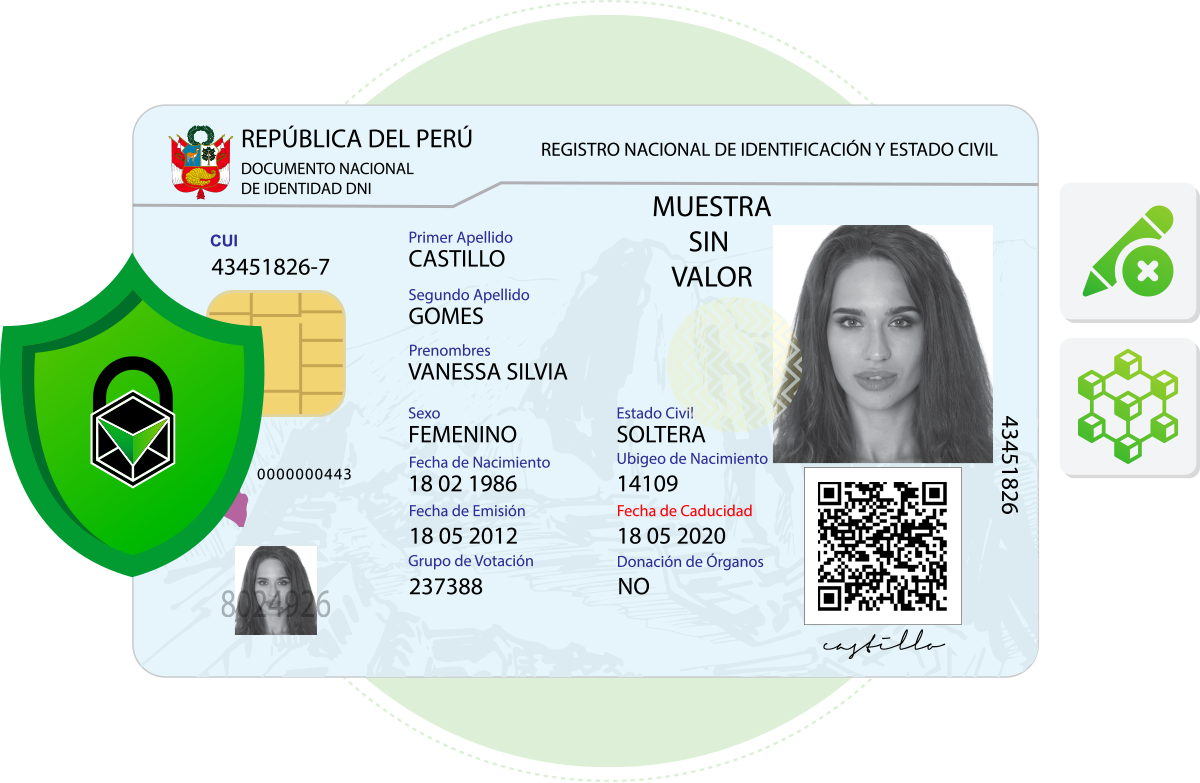
- Biometric Data: Many modern cards integrate microchips (often referred to as "smart cards") that store encrypted biometric data. This may include digitized facial images, fingerprints, or, in some jurisdictions, iris scans.
- Machine-Readable Zones (MRZ): Similar to international passports, these zones contain specific character strings that can be scanned by optical character recognition (OCR) systems, facilitating rapid verification at border crossings or government offices.
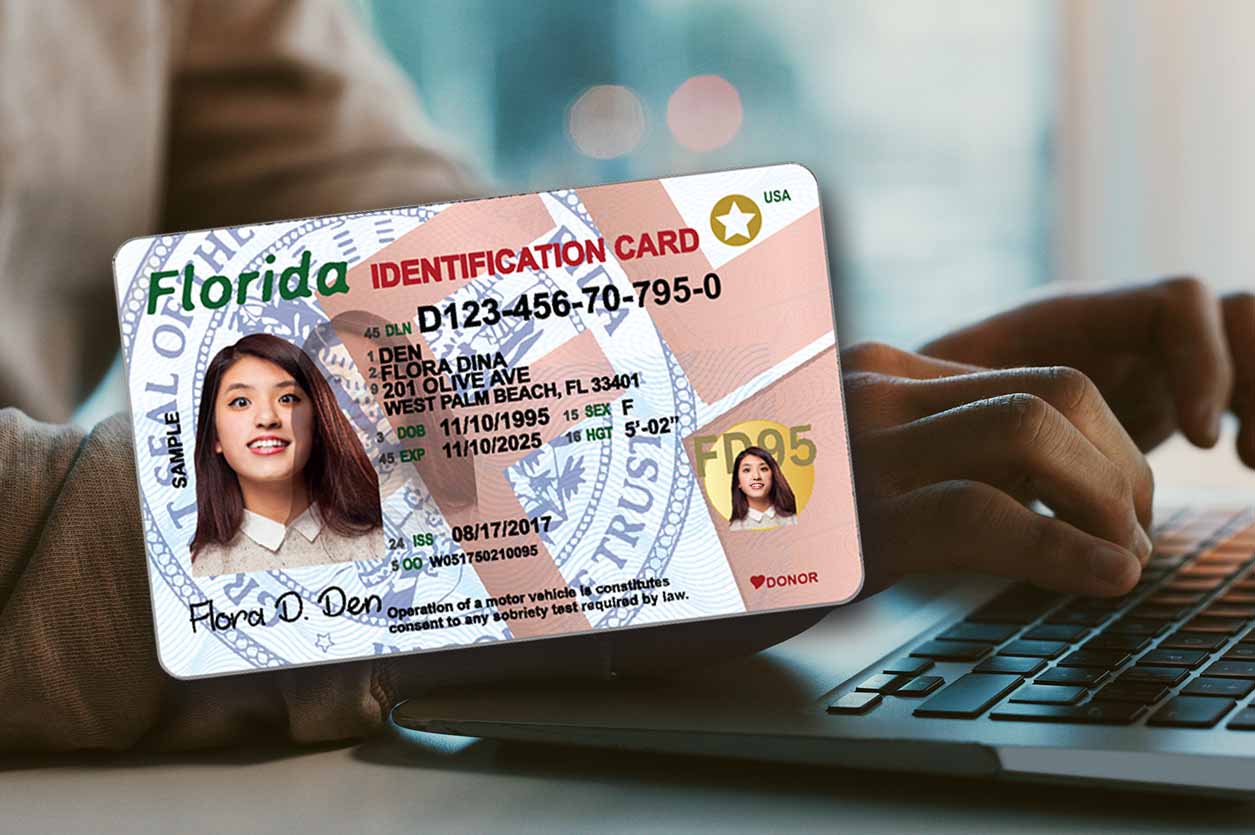
- Security Features: To combat identity theft and document fraud, cards often feature holograms, ultraviolet ink, microprinting, and tactile laser engraving. These measures make unauthorized reproduction technically difficult and easily detectable by trained authorities.
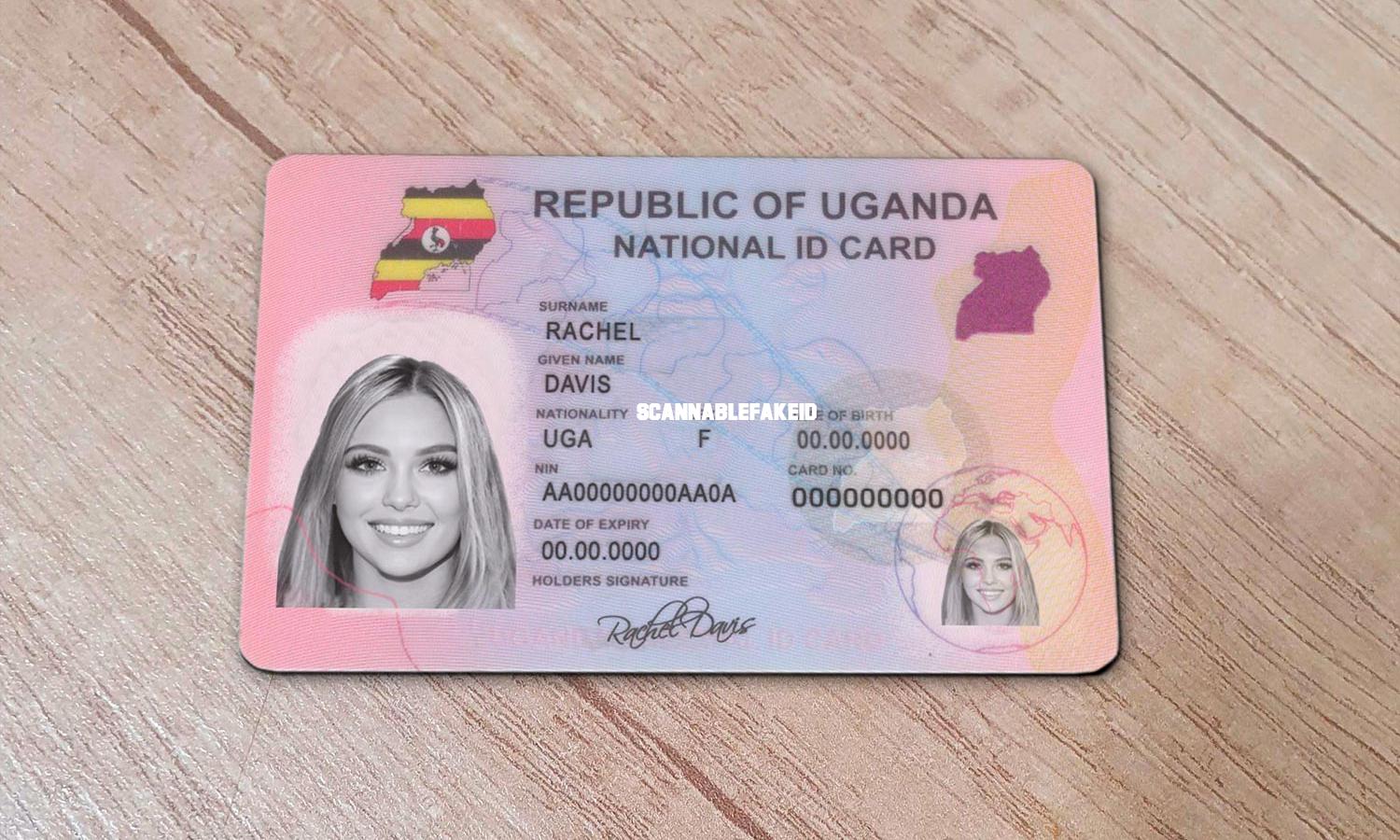
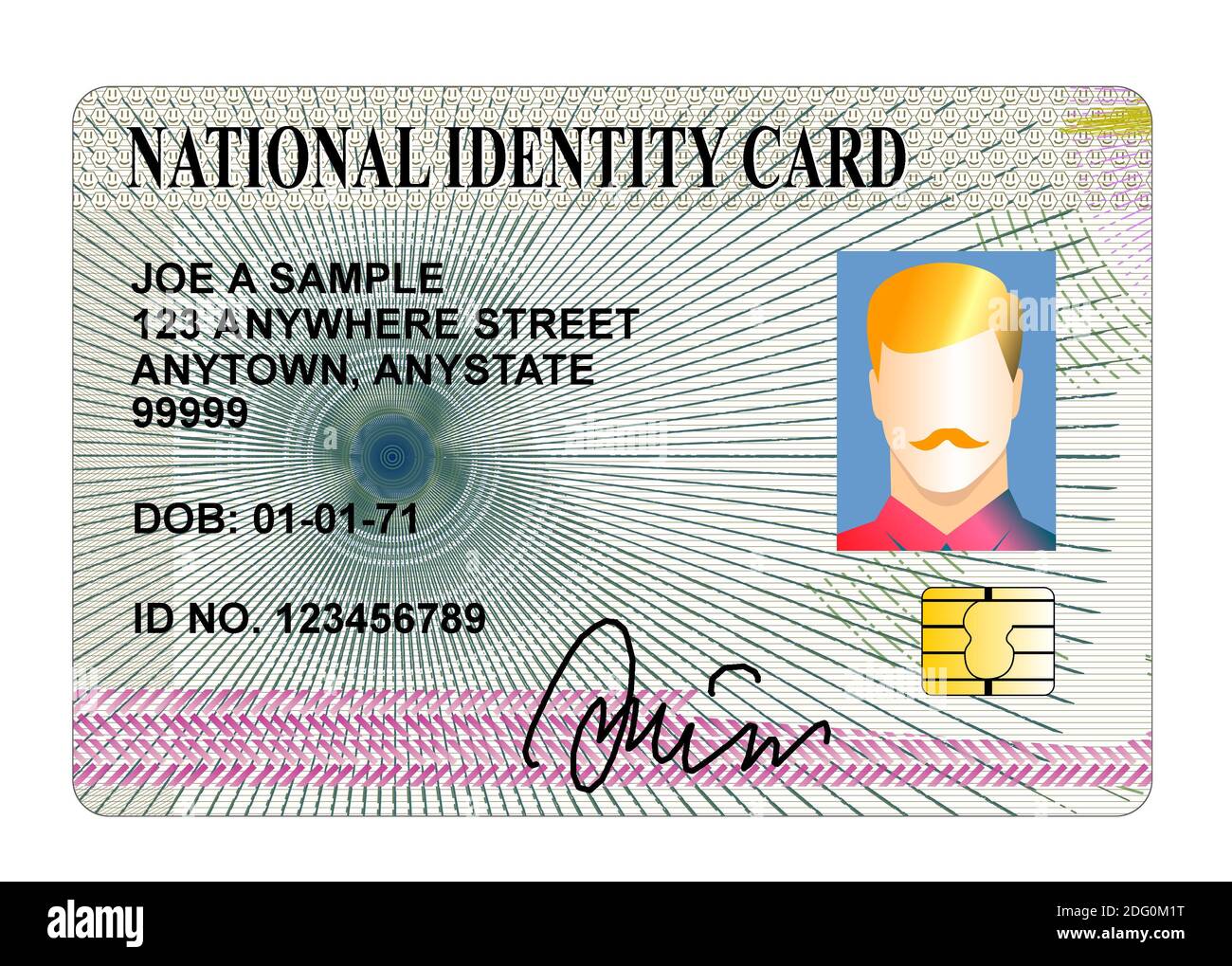
- Unique Personal Identifier: Every card is associated with a unique alphanumeric sequence—often called a National Identity Number (NIN) or Civil Registry Number—which serves as the primary key for all interactions with the state.
Comparative Scope of Identification Documents
It is essential to distinguish the national identification card from other forms of identification, as the legal weight and accepted use cases differ significantly depending on the jurisdiction.
| Feature | National ID Card | Driver’s License | Passport |
|---|---|---|---|
| Primary Purpose | Legal identity verification | Operation of motor vehicles | International travel |
| Issuer | National government | State or provincial authority | National government |
| Scope | Internal / Domestic | Domestic (limited travel) | International |
| Mandatory | Varies by country | Only for drivers | Only for international travel |
Eligibility, Application, and Renewal Procedures
The process for obtaining a national identification card is strictly regulated to ensure the integrity of the database. Most nations utilize a tiered verification system that requires applicants to provide foundational documentation.
- Documentation Gathering: Applicants must typically present a birth certificate, proof of citizenship (or legal residence), and proof of address. In many cases, these documents must be original copies or certified duplicates.
- Biometric Capture: Applicants are required to appear in person at an official enrollment center. This session includes the capture of a photograph and, depending on the national standard, a set of digital fingerprints.
- Database Synchronization: Once the application is submitted, the government verifies the applicant’s information against existing census or civil registry data. If discrepancies are found, the application is usually paused until the applicant provides supplemental evidence to correct their records.
- Issuance and Delivery: Cards are either printed on-site or produced at a secure central facility and mailed to the applicant.
It is important to note that these cards have expiration dates. As a citizen’s appearance changes or security technologies evolve, governments require periodic renewal, which often necessitates a fresh biometric capture to update the digital record.
Utility in Daily Life and Digital Integration
The utility of a national ID card extends beyond simple identification. As many nations transition toward "e-government" initiatives, the physical card often acts as the key to a digital identity. In 2026, the use of these cards for secure digital authentication is becoming common.
- Accessing Social Services: Citizens use their cards to access healthcare portals, unemployment benefits, and pension distributions.
- Financial Compliance: In most banking systems, the national ID is a mandatory requirement for "Know Your Customer" (KYC) regulations, which prevent money laundering and ensure financial transparency.
- Voting and Political Participation: In countries where the national ID is the primary voter registration document, it ensures that only verified citizens participate in democratic processes.
- Digital Signatures: Advanced cards may allow users to sign legal documents or authorize transactions online, provided the user has a compatible card reader or a mobile-based authentication interface linked to the national identity system.
Limitations and Regulatory Considerations
While these systems offer increased efficiency and security, they are subject to significant legal scrutiny regarding data privacy and surveillance. Because the national ID aggregates vast amounts of sensitive information, access to this data is restricted by law.
Most democratic nations have passed rigorous data protection acts that define who can access the database, for what purpose, and under what circumstances. Unauthorized access by government employees or private sector entities usually carries severe legal penalties. Users should be aware that while they must present their ID for verification purposes, they are generally not required to surrender the physical card to unauthorized third parties. If a private entity—such as a retail store—requests an ID for data collection purposes, it is advisable to clarify if this is a legal requirement or a discretionary policy.
Frequently Asked Questions
Is a national identification card the same as a passport? No. While both are official documents issued by the state, a passport is specifically designed for international travel and conforms to international standards set by the International Civil Aviation Organization (ICAO). A national ID card is primarily for domestic use.
What should I do if my national ID card is lost or stolen? You should immediately report the loss to your local police or the issuing authority. Reporting a lost card is critical, as it prevents others from using your identity for fraudulent activities. Most government agencies provide a specific portal or office to facilitate the cancellation of the lost ID and the issuance of a replacement.
Are children required to have a national ID? This depends on the laws of the specific country. Some nations require all residents to hold an ID card from birth or a specific age (e.g., 14 or 16), while others only make it mandatory for adults. Check your local government registry for the specific age requirements in your jurisdiction.
Does a national ID card allow me to travel internationally? Generally, no. Unless there is a specific treaty between your home country and another nation—such as the freedom of movement agreements within the European Union or the Mercosur bloc—a national ID card is not a substitute for a passport when crossing international borders.
How is the security of my personal data on the card protected? The data on the card and the backend database are protected through encryption and secure access protocols. Government systems are typically partitioned to ensure that an individual only has access to their own data, and law enforcement or administrative personnel require specific, logged authorization to view detailed records.
Taking Next Steps
To verify your specific status or to begin an application, navigate to the official website of your country's department of interior or civil registry. Avoid third-party websites that offer "expedited" or "assisted" services, as these are often scams designed to harvest personal information or charge unnecessary fees. Always rely on government-issued guides to understand the specific documents and fees required for your jurisdiction.
Image Gallery