Understanding Blood Pressure Readings for Seniors: A Clinical Guide
For seniors, understanding blood pressure readings is a vital component of proactive cardiovascular health management. A blood pressure measurement consists of two numbers—systolic and diastolic—which reflect the force of blood against...
For seniors, understanding blood pressure readings is a vital component of proactive cardiovascular health management. A blood pressure measurement consists of two numbers—systolic and diastolic—which reflect the force of blood against artery walls. Consistently monitoring these figures helps identify hypertension, track the efficacy of existing treatments, and manage the increased arterial stiffness often associated with aging.
Contents
The Components of a Blood Pressure Reading
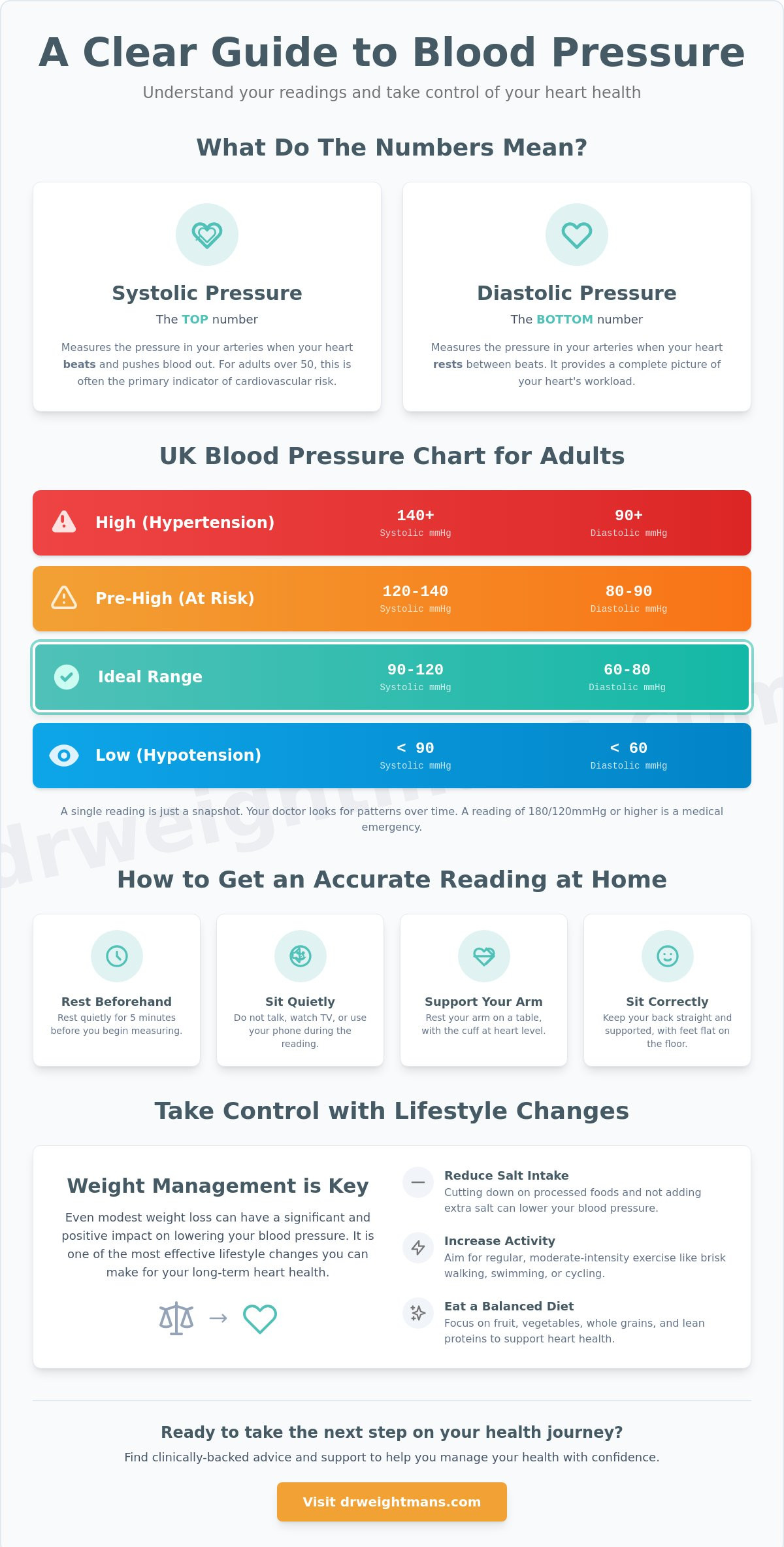
Blood pressure is recorded in millimeters of mercury (mmHg) and represented by two distinct values. The first, or top number, is the systolic pressure, which measures the force exerted on your artery walls when your heart beats. The second, or bottom number, is the diastolic pressure, which measures the force on your artery walls when your heart rests between beats.
As individuals age, blood vessels naturally lose elasticity, often leading to isolated systolic hypertension. This occurs when the systolic pressure rises while the diastolic pressure remains stable or even decreases. Because of these physiological shifts, seniors must pay particular attention to both numbers to gain a holistic view of their cardiovascular status.
Standard Blood Pressure Classifications
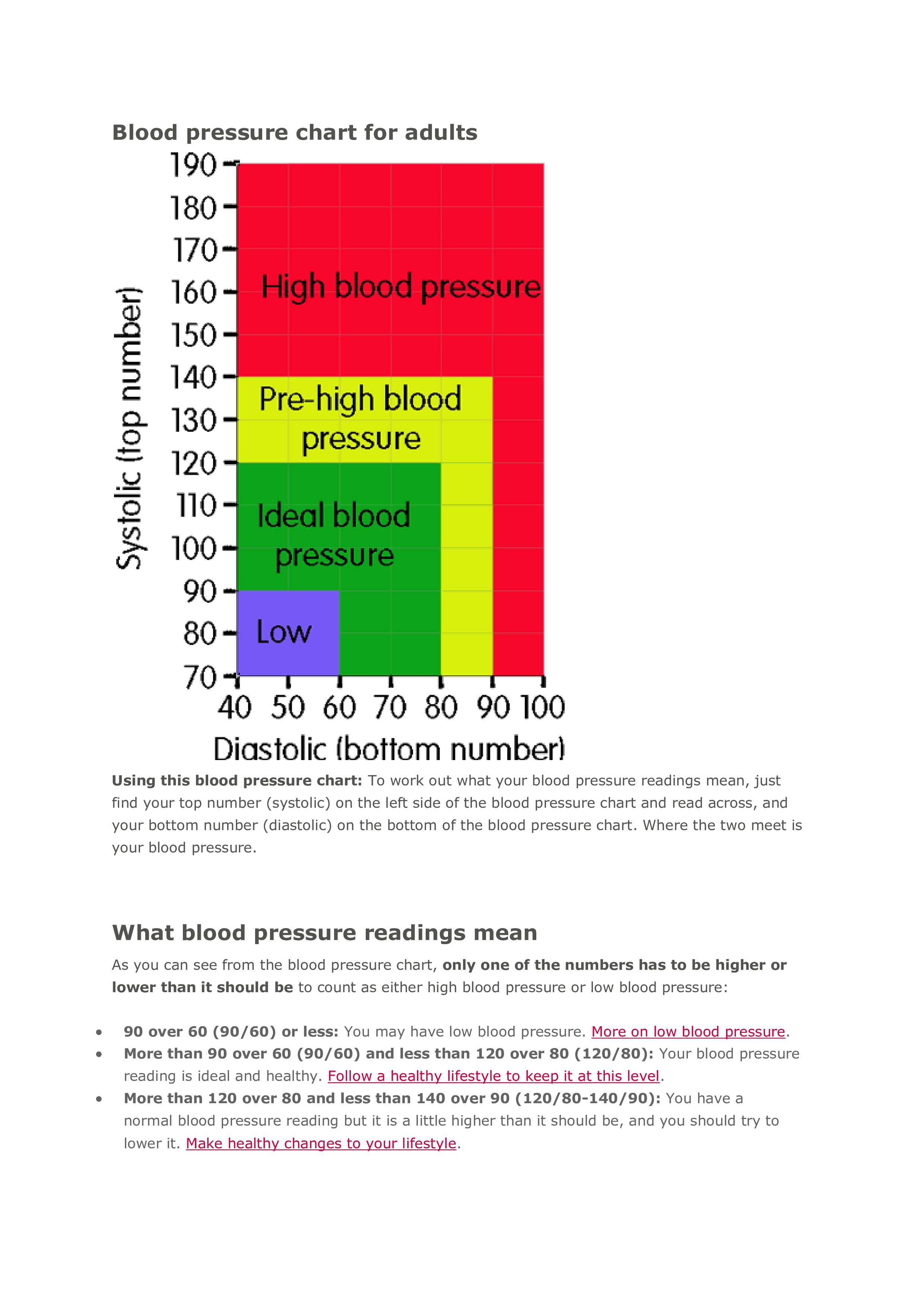
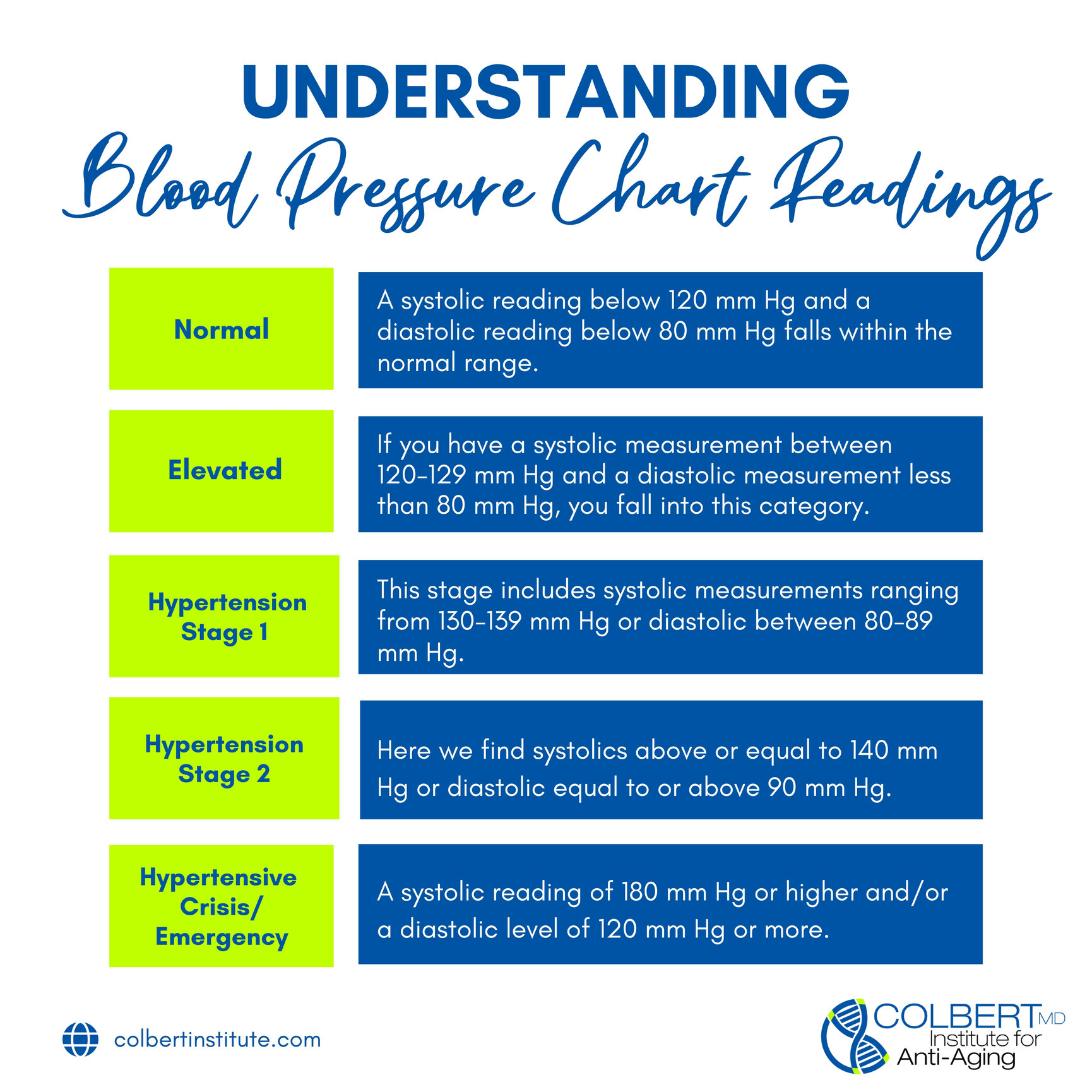
Health organizations generally categorize blood pressure into specific ranges to help clinicians and patients determine the severity of hypertension. While these categories are standardized, it is important to note that individual goals may vary based on a person’s medical history, such as the presence of diabetes, chronic kidney disease, or a history of stroke.
Table: Blood Pressure Categories for Adults
| Category | Systolic (mmHg) | Diastolic (mmHg) |
|---|---|---|
| Normal | Less than 120 | Less than 80 |
| Elevated | 120–129 | Less than 80 |
| Hypertension Stage 1 | 130–139 | 80–89 |
| Hypertension Stage 2 | 140 or higher | 90 or higher |
| Hypertensive Crisis | Higher than 180 | Higher than 120 |
Note: If the systolic and diastolic numbers fall into different categories, the higher category is typically used for clinical classification.
Physiological Factors Influencing Readings in Seniors
Age-related changes significantly impact blood pressure dynamics. Arterial stiffening, often referred to as arteriosclerosis, is a common phenomenon in the senior population. As arteries become less flexible, they cannot expand and contract as efficiently to accommodate blood flow, which naturally elevates systolic pressure.
Furthermore, seniors are more susceptible to orthostatic hypotension—a sudden drop in blood pressure when moving from a sitting or lying position to a standing position. This can lead to dizziness or falls. Because of this, medical professionals often recommend that seniors monitor their blood pressure in various positions to detect these fluctuations, provided they have been instructed to do so by their primary care provider.
Best Practices for Accurate At-Home Monitoring
Consistency is the cornerstone of accurate blood pressure tracking. To ensure the data you collect is reliable enough for your healthcare provider to review, you must standardize your testing environment and technique.
- Preparation: Avoid caffeine, exercise, and smoking for at least 30 minutes before taking a measurement.
- Positioning: Sit in a chair with back support. Keep your feet flat on the floor—do not cross your legs. Ensure your arm is supported at heart level on a flat surface.
- Equipment: Use a validated, upper-arm cuff monitor. Wrist and finger monitors are generally less accurate and not recommended for routine clinical assessment.
- Environment: Rest for five minutes in a quiet room before initiating the measurement.
- Documentation: Record your readings in a log, including the date, time, and the specific arm used. Sharing this consistent log with your doctor during visits is more beneficial than showing them a single isolated reading.
Identifying Common Mistakes
Many seniors inadvertently obtain inaccurate readings due to subtle errors in procedure. One of the most common issues is using a cuff that is the wrong size. If a cuff is too small, the reading will be artificially high; if it is too large, the reading may be lower than it actually is.
Another frequent error is "white coat hypertension" or its home-based equivalent, anxiety-induced hypertension. If you find your heart rate is elevated or you feel stressed while taking the reading, wait a few minutes and try again. Additionally, talking during the measurement or having a full bladder can introduce errors. If you consistently receive high readings, check your cuff placement—it should be directly on the skin, not over clothing.
When to Seek Emergency Medical Attention
A reading in the "Hypertensive Crisis" range (higher than 180 systolic or 120 diastolic) is a serious indicator. If you see these numbers, wait five minutes and retest. If the measurement remains high, contact your doctor immediately.
If your blood pressure is in the crisis range and you experience chest pain, shortness of breath, severe headache, vision changes, or difficulty speaking, do not wait for a callback. These are signs of a medical emergency, and you should seek urgent care or emergency services immediately.
Frequently Asked Questions
Why does my doctor have a different target for my blood pressure than the standard guidelines?
Individual health conditions influence target goals. For instance, if you have diabetes or heart disease, your doctor might set more conservative targets to protect your kidneys or heart, while also accounting for the risks of making blood pressure too low in older adults. Always prioritize the specific targets set by your physician.
Should I measure my blood pressure every day?
Frequency depends on your health status. If you are starting a new medication or have uncontrolled hypertension, daily monitoring may be necessary. If your blood pressure is stable, your doctor may suggest checking it once or twice a week at different times of the day to get a representative average.
Does the time of day affect my reading?
Yes. Blood pressure naturally fluctuates throughout the day. It is usually lower during sleep and rises when you wake up. Consistently checking your blood pressure at the same time each morning—before taking medication—can help your doctor see long-term trends without the influence of daily activities.
Can I use a smartwatch to monitor my blood pressure?
While some wearable devices offer blood pressure estimation features, most are not currently considered as accurate as clinical-grade, upper-arm blood pressure monitors. Always confirm the validity of your device with your healthcare provider before relying on it for health decisions.
What should I do if my home reading differs from the doctor’s office reading?
Variations are common due to environment, stress, and equipment differences. Bring your home monitor to your next appointment. A medical professional can check your device against theirs to ensure it is calibrated correctly and observe your technique to see if adjustments are needed.
Next Actions for Cardiovascular Health
To effectively manage your cardiovascular health, begin by maintaining a detailed log of your blood pressure readings for at least two weeks before your next primary care visit. Ensure you are using a validated monitor and document any symptoms you feel—such as dizziness, fatigue, or palpitations—alongside the numeric data.
Once you have this data, schedule an appointment with your healthcare provider to review the findings. Discuss whether your current lifestyle habits or medications need adjustment. Managing blood pressure is a long-term partnership between you and your medical team; your diligence in accurate, consistent monitoring is the most effective tool they have to provide you with the best possible care.
Image Gallery