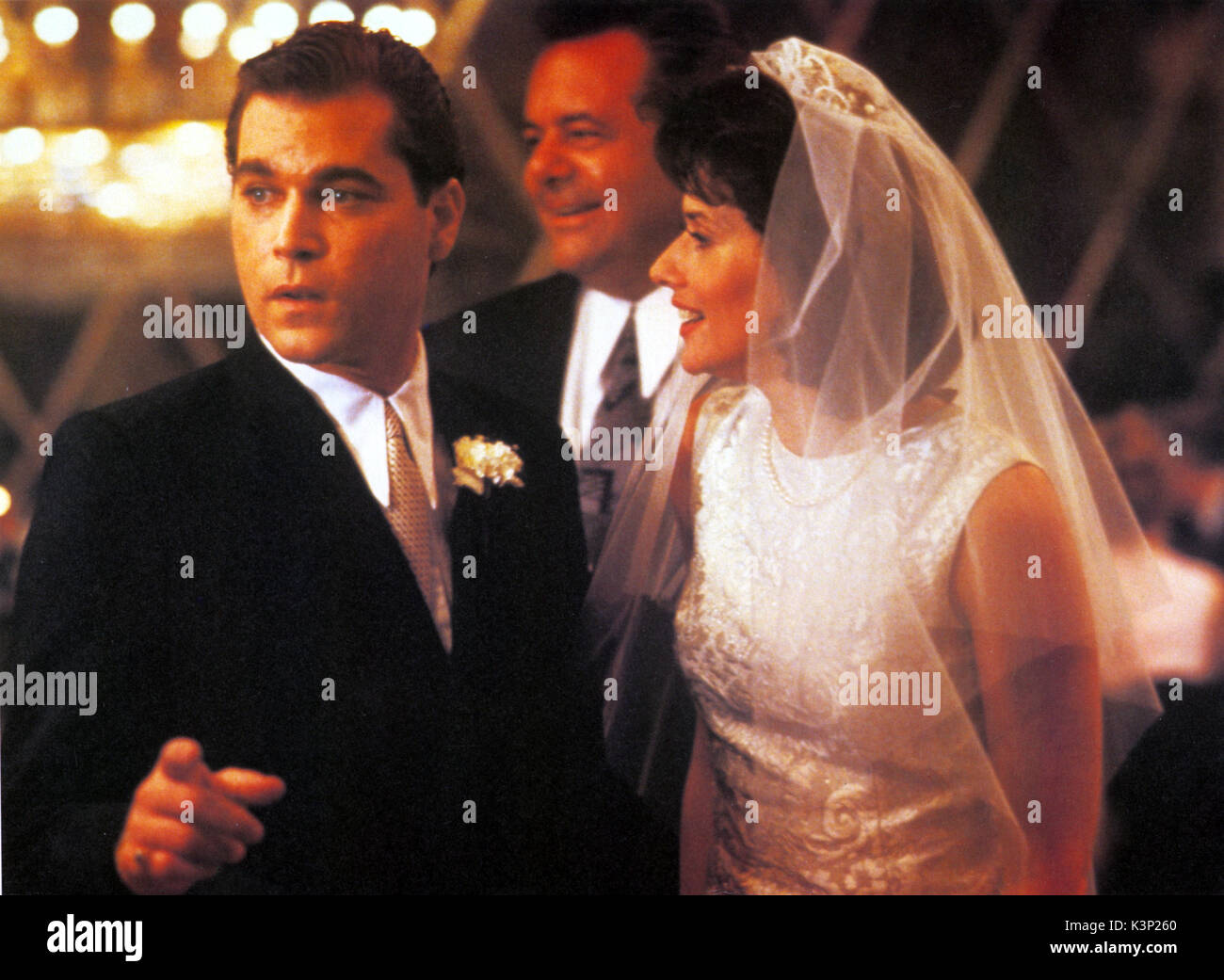
Who Played Ray Liotta's Wife in Goodfellas? Lorraine Bracco's Performance as Karen Hill
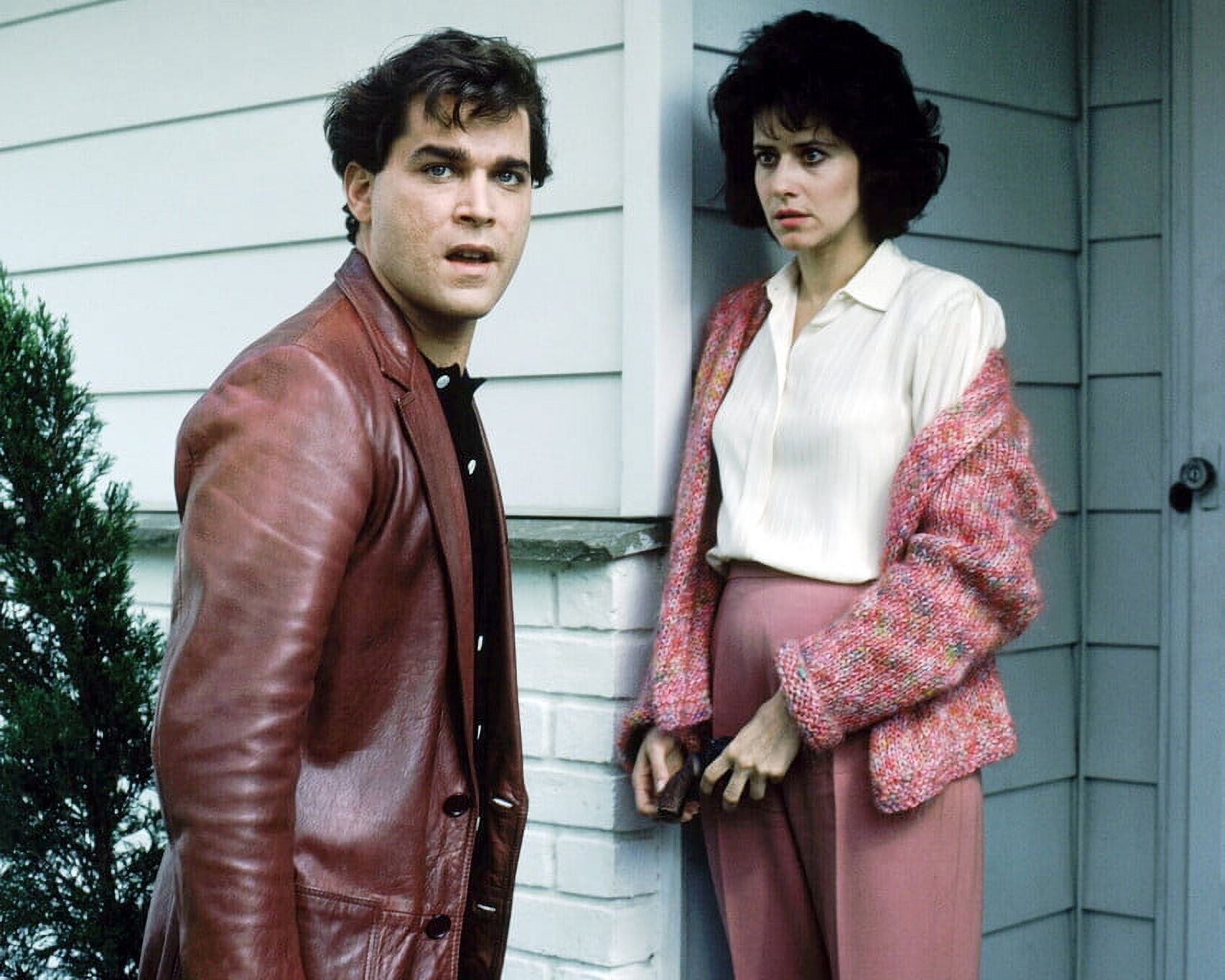
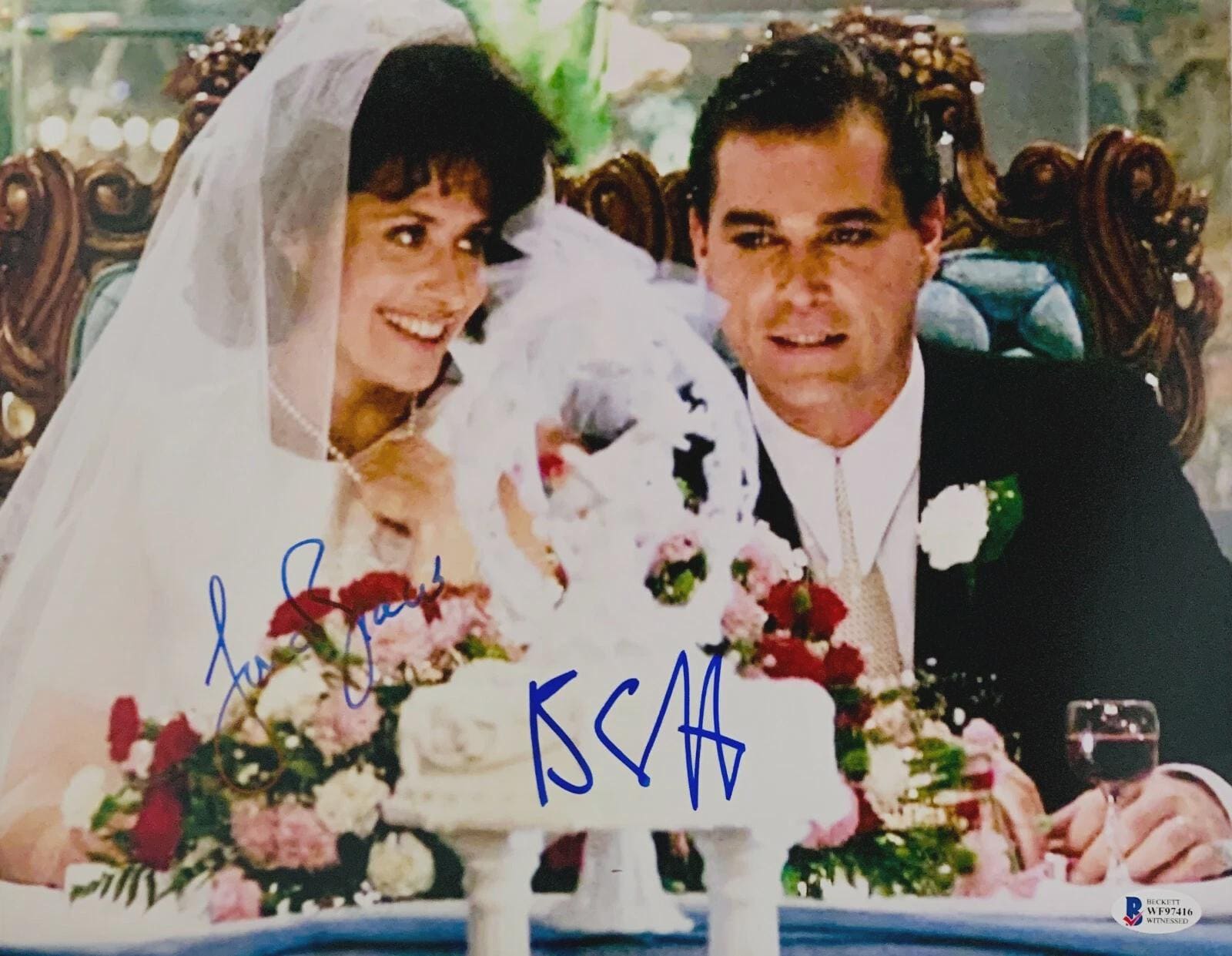
Lorraine Bracco played Karen Friedman Hill, the wife of mob associate Henry Hill (portrayed by Ray Liotta), in Martin Scorsese’s 1990 crime classic Goodfellas. Her performance earned an Academy Award nomination for Best Supporting Actr...
Lorraine Bracco played Karen Friedman Hill, the wife of mob associate Henry Hill (portrayed by Ray Liotta), in Martin Scorsese’s 1990 crime classic Goodfellas. Her performance earned an Academy Award nomination for Best Supporting Actress, establishing Karen Hill as one of the most complex, memorable portrayals of a mob spouse in film history.
Contents
The Role of Karen Friedman Hill in Goodfellas
In Goodfellas, adapted from Nicholas Pileggi’s 1985 non-fiction book Wiseguy, Lorraine Bracco delivers a performance that challenges traditional cinematic depictions of wives in organized crime. Rather than serving as an oblivious domestic background figure or an innocent victim, Karen becomes an active, seduced participant in the mob lifestyle.
- Initial Disinterest (Blind Date)
- Seduction & Thrill (Copacabana / Gun)
- Complicity & Logistics (Smuggling / Drugs)
- Paranoia & Survival (FBI Raid / Arrest)
The narrative tracks Karen’s transformation across several distinct stages:
- Introduction to the Underworld: Karen initially meets Henry Hill on a awkward double date set up by Paulie Vario's crew. She is initially repulsed by Henry's arrogance when he stands her up, but her perspective shifts dramatically after an incident with her neighbor Bruce. When Bruce physically harasses her, Henry savagely beats him with a pistol on his front lawn, walks across the street, hands Karen the bloodied gun, and tells her to hide it. Instead of running away, Karen admits in voiceover that the display of raw power turned her on.
- Seduced by Prestige: The iconic continuous Steadicam shot entering the Copacabana nightclub through the service kitchen highlights Karen’s initiation into mob privilege. Henry skips the line, receives a personal table placed front-and-center by management, and hands out hundred-dollar bills to staff. For a young Jewish woman from Five Towns, Long Island, this instant status offers an intoxicating escape from conventional suburban life.
- Active Complicity: As Henry advances within the Lucchese crime family network, Karen takes on operational roles. She carries cash, hides weapons, visits Henry in prison while smuggling contraband, and eventually helps manage the logistics of his illicit drug-trafficking ring during the late 1970s and early 1980s.
- Crisis and Collapse: The climax of Karen’s character arc occurs during a chaotic federal raid. Facing immediate arrest, she flushes $60,000 worth of cocaine down the toilet—destroying the couple’s financial lifeline and sealing their doom with both law enforcement and their mob superiors.
Dual Narration: Innovating the Crime Genre Narrative Structure
One of Martin Scorsese’s most creative choices in Goodfellas was introducing dual voiceover narration split between Ray Liotta’s Henry and Lorraine Bracco’s Karen. Prior to 1990, mafia cinema—most notably Francis Ford Coppola’s The Godfather trilogy—relegated mob wives to the periphery. Characters like Kay Adams-Corleone functioned primarily as moral compasses outside the criminal circle, unaware of their husbands' actions.
- Traditional Mob Cinema (e.g., The Godfather)
- Mob Wife = Moral outsider, passive victim, unaware of criminal operations
- Scorsese's Goodfellas (1990)
- Dual Narration (Henry & Karen) = Co-conspirator, insider perspective, active psychological participant
Scorsese and co-writer Nicholas Pileggi gave Karen an independent narrative voice. Through her internal monologue, audience members gain rare insight into the psychological allure and social mechanics of mob life from a female perspective:
- Cultural Isolation: Karen explains how mob wives form an insular subculture, socializing exclusively with one another, sharing hairdressers, attending the same parties, and normalizing their husbands' violent lifestyle.
- Rationalization of Crime: She details how normal legal boundaries erode. To Karen, non-mob members ("citizens") who work standard nine-to-five jobs and take public transport are the ones living incorrectly, while her family's illicit lifestyle represents freedom and luxury.
- Domestic Volatility: Karen’s voiceover reveals the tension between her suburban Jewish heritage and the Italian-American mob subculture. Her identity struggle adds emotional depth to what could have been a standard crime procedural.
Screen Chemistry: Ray Liotta and Lorraine Bracco
The intense dynamic between Ray Liotta and Lorraine Bracco anchors the film’s domestic scenes. Liotta plays Henry with charismatic volatility, while Bracco matches his energy with fierce independence and emotional transparency.
- HENRY HILL (Ray Liotta)
- Charismatic Mob Associate
- Volatile & Fast-Talking
- Driven by Money & Thrills
- KAREN HILL (Lorraine Bracco)
- Fiery Suburban Insider
- Unyielding Under Pressure
- Emotionally Explosive
Key On-Screen Moments Between Liotta and Bracco
- The Bedroom Confrontation: After discovering Henry’s ongoing infidelity with his mistress Janice Rossi, Karen wakes Henry up by sitting atop him and pointing a loaded snub-nosed revolver directly between his eyes. The raw intensity of this scene—where Karen alternates between tears of betrayal and deadly rage—highlights the volatile dynamic of their marriage.
- The Driveway Scene: When Henry is beaten and exhausted after a chaotic day of drug runs and helicopter surveillance, Karen stands her ground during their heated arguments, refusing to be passive even as their world collapses around them.
- The Copacabana Entrance: Liotta’s fluid confidence walking through the club kitchen paired with Bracco’s genuine awe creates one of the most celebrated sequences in cinema history.
During production, Scorsese encouraged extensive rehearsal and improvisation. Bracco and Liotta built a realistic rapport that balanced genuine romance, domestic violence, shared addiction, and shared criminal paranoia.
Cast Overview and Character Relationships in Goodfellas
To understand Lorraine Bracco’s role within the larger framework of Goodfellas, it is useful to review the core ensemble cast and their respective character dynamics:
| Character | Actor | Role in Narrative | Significance / Accolades |
|---|---|---|---|
| Henry Hill | Ray Liotta | Mob associate, drug dealer, central narrator | Career-defining lead role; captured the manic rush of criminal life |
| Karen Friedman Hill | Lorraine Bracco | Wife of Henry Hill, co-narrator, drug accomplice | Nominated for Academy Award for Best Supporting Actress |
| Jimmy "The Gent" Conway | Robert De Niro | Senior hijacker, mentor, high-level associate | Based on real-life mobster Jimmy Burke; masterclass in calm menace |
| Tommy DeVito | Joe Pesci | Volatile mob enforcer, close friend of Henry | Won Academy Award for Best Supporting Actor |
| Paul "Paulie" Cicero | Paul Sorvino | Caporegime, crew leader, father figure to Henry | Depicted traditional, cold mafia authority and strict codes |
| Frankie Carbone | Frank Sivero | Mob associate, member of Jimmy's crew | Key supporting player in major heists and murder scenes |
Lorraine Bracco's Casting and Career Evolution
Before landing the role of Karen Hill, Lorraine Bracco worked as a fashion model in France during the 1970s before transitioning to European film and television. Her breakout American role came in Ridley Scott’s 1987 neo-noir thriller Someone to Watch Over Me.
When Martin Scorsese began casting Goodfellas, he sought an actress who could portray Karen's emotional transformation naturally. Bracco’s performance earned widespread critical acclaim, culminating in several major award recognitions:
- Academy Award Nomination: Best Supporting Actress (63rd Academy Awards, 1991)
- Golden Globe Nomination: Best Supporting Actress – Motion Picture
- Los Angeles Film Critics Association: Won Best Supporting Actress
- Chicago Film Critics Association: Won Best Supporting Actress
Transition to The Sopranos
In 1999, David Chase launched the landmark HBO drama series The Sopranos. Chase initially approached Lorraine Bracco to play Carmela Soprano, the wife of mob boss Tony Soprano (played by James Gandolfini).
Recognizing that playing Carmela might feel like a retread of her Goodfellas role as Karen Hill, Bracco actively turned down the part of Carmela. Instead, she asked to play Dr. Jennifer Melfi, Tony Soprano's psychiatrist.
- 1990: GOODFELLAS
- Role: Karen Hill (Mob Wife)
- Oscar-Nominated Performance
- Role: Karen Hill (Mob Wife)
- 1999: THE SOPRANOS
- Offered: Carmela Soprano (Mob Wife) - DECLINED (Avoid Typecasting)
- Accepted: Dr. Jennifer Melfi (Psychiatrist) - 4x Emmy Nominee
Playing Dr. Melfi proved to be a career masterstroke. Bracco portrayed an educated, analytical professional who observes mob psychology from an ethical distance. Her work on The Sopranos earned her four Emmy Award nominations and three Golden Globe nominations, solidifying her status as a television icon.
Legacy of Bracco's Performance as Karen Hill
Lorraine Bracco’s portrayal of Karen Hill reshaped how women in crime stories were written and performed. By exposing the psychological high of illegal activity, the moral compromises of luxury, and the terrifying realities of federal prosecution, Bracco created a template for future dramatic performances.
Modern television antiheroines—such as Edie Falco's Carmela Soprano in The Sopranos, Anna Gunn's Skyler White in Breaking Bad, and Laura Linney's Wendy Byrde in Ozark—trace their lineage directly back to Bracco's portrayal of Karen Hill. She demonstrated that a spouse in a crime narrative could be just as captivating, compromised, and central to the story as the criminals themselves.
Frequently Asked Questions
Did Lorraine Bracco win an Oscar for her role in Goodfellas?
No, Lorraine Bracco was nominated for the Academy Award for Best Supporting Actress at the 63rd Academy Awards in 1991, but she did not win. Whoopi Goldberg won the award that year for her role in Ghost.
Is Karen Hill in Goodfellas based on a real person?
Yes, Karen Hill (née Friedman) was a real person. She married Henry Hill in 1965, and together they entered the federal Witness Protection Program in 1980 after Henry agreed to testify against his former mob associates.
Why did Lorraine Bracco turn down the role of Carmela Soprano?
Bracco turned down the role of Carmela Soprano because she felt she had already explored the psychological archetype of a mob wife to its fullest extent in Goodfellas. She wanted a new artistic challenge and specifically requested the role of Dr. Jennifer Melfi.
How does Karen Hill’s voiceover narration impact Goodfellas?
Karen's voiceover provides a dual perspective that broke traditional genre norms. It allows audiences to understand the seductive appeal of crime, status, and fast money from an insider's domestic perspective rather than viewing the mob exclusively through male violence.
Who directed Goodfellas and when was it released?
Goodfellas was directed by Martin Scorsese and released in theaters on September 19, 1990. The screenplay was co-written by Scorsese and author Nicholas Pileggi.
Guidance for Film Students and Viewers
When rewatching Goodfellas or analyzing Lorraine Bracco's performance, focus on these cinematic elements:
- Observe the Vocal Shift: Listen to how Bracco changes her vocal tone in the voiceover narration as the story moves from the excitement of the 1960s to the drug-fueled paranoia of 1980.
- Study Reaction Shots: Notice how Scorsese uses close-ups during non-verbal scenes—such as Karen watching Henry hand out cash—to show her gradual acceptance of criminal privilege.
- Compare Narrative Views: Analyze how Karen's narrative descriptions contrast with Henry's. While Henry focuses on money, operations, and respect, Karen focuses on family, trust, status, and survival.
Image Gallery