Howard Houghs Net Worth: The Financial Legacy of an American Icon
At the time of his passing, the individual most commonly identified with the search for Howard Houghs net worth—the legendary Howard Hughes—left an estate valued at approximately $1.5 billion to $2.5 billion. In 2026 terms, this legacy...
At the time of his passing, the individual most commonly identified with the search for Howard Houghs net worth—the legendary Howard Hughes—left an estate valued at approximately $1.5 billion to $2.5 billion. In 2026 terms, this legacy represents a modern valuation of over $11 billion to $18 billion, primarily concentrated in the Howard Hughes Medical Institute’s multibillion-dollar endowment.
Contents
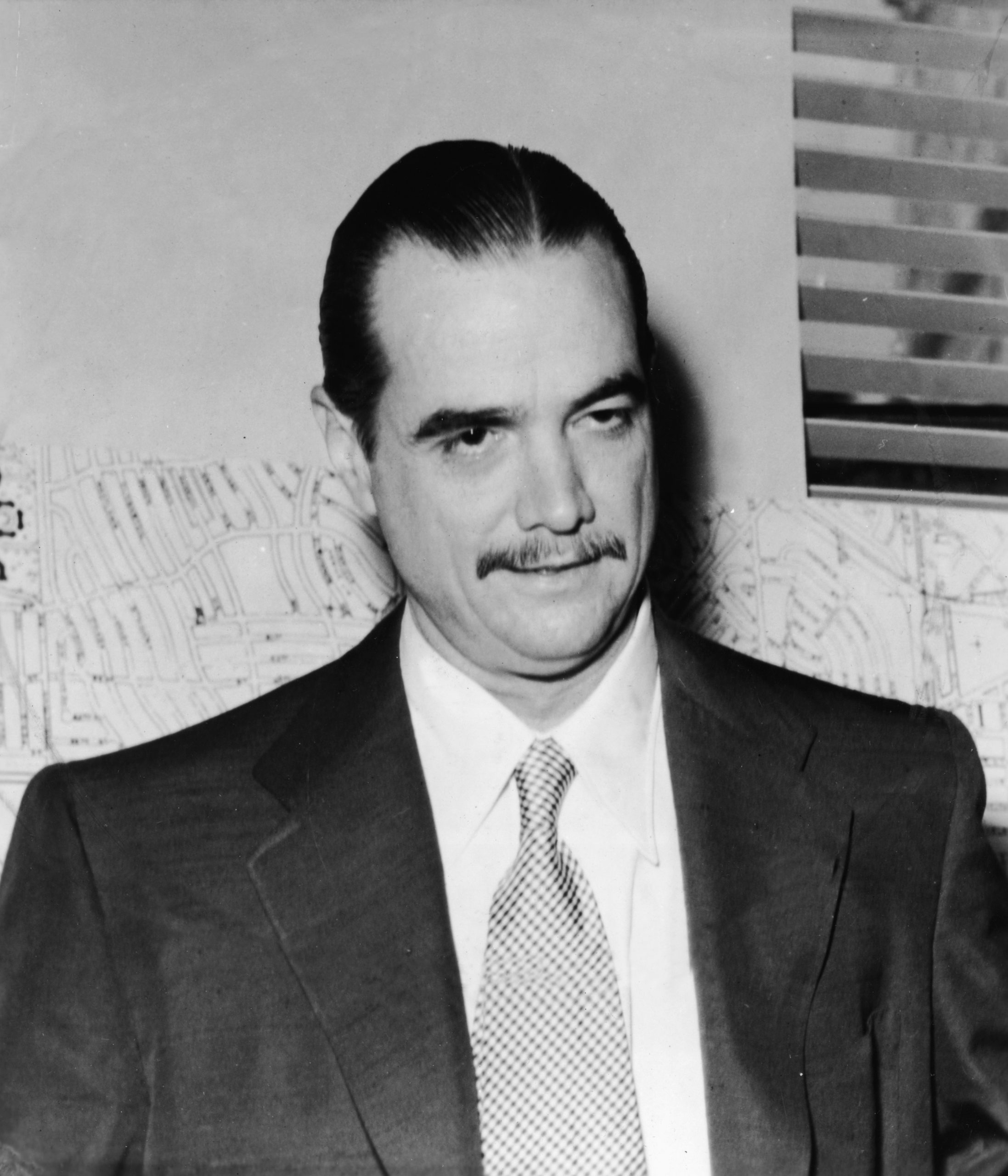
The name Howard Hough is often utilized as a phonetic variation or misspelling of Howard Hughes, the eccentric billionaire, aviator, and film producer whose financial empire redefined 20th-century American industry. While there are contemporary individuals named Howard Hough, none possess a public financial profile or net worth that commands significant search volume or historical analysis. Consequently, the financial evaluation of this subject focuses on the massive industrial complex built by Hughes, which continues to impact global aviation, medical research, and real estate in 2026.
The Foundation of Wealth: Hughes Tool Company
The bedrock of the Hughes fortune was not aviation or film, but a specialized industrial tool: the dual-cone roller rock bit. Developed by Howard’s father, Howard Hughes Sr., and patented under the Sharp-Hughes Tool Company, this invention revolutionized the oil industry by allowing drills to penetrate hard rock layers that previously broke standard bits.
When Howard Hughes Jr. inherited the company at age 18, he aggressively bought out his relatives to gain 100% control. This move was the most critical financial decision of his life. The company held a near-monopoly on the technology during the global oil boom, creating a "cash cow" that funded every other venture Hughes ever pursued.
Industrial Dominance and Revenue Streams
Throughout the mid-20th century, the Hughes Tool Company (later renamed Toolco) generated tens of millions of dollars in annual profit. This liquidity allowed Hughes to venture into capital-intensive industries like aerospace and filmmaking without relying on traditional bank loans, which he notoriously distrusted. In 2026, historians view Toolco as the ultimate "venture capital fund" of the 1930s and 40s.
Aviation Ventures and Trans World Airlines (TWA)
Howard Hughes’s passion for aviation was more than a hobby; it was a massive capital investment that yielded both prestige and significant financial volatility. His involvement with Trans World Airlines (TWA) is a primary case study in his net worth fluctuations.
Controlling TWA
Hughes began accumulating TWA stock in 1939. By the mid-1940s, he held a controlling interest. He pushed the airline to modernize, commissioning the Lockheed Constellation, an aircraft that gave TWA a competitive edge in transcontinental and transatlantic flight. However, his management style was erratic.
By 1960, the cost of transitioning TWA to the jet age (purchasing Convair 880s and Boeing 707s) led to a massive legal battle with TWA’s lenders. Hughes was eventually forced to sell his shares in 1966. This forced divestment resulted in a single check for $546.5 million—one of the largest individual capital gains in history at the time.
Hughes Aircraft Company
While TWA was his commercial venture, Hughes Aircraft Company was his technical masterpiece. Founded as a division of Hughes Tool Company, it evolved into a major defense contractor. By the 1950s, Hughes Aircraft was the leading supplier of sophisticated electronic systems and missiles for the U.S. Air Force.
The value of Hughes Aircraft was so immense that it eventually became the primary asset of the Howard Hughes Medical Institute. When General Motors purchased Hughes Aircraft in the mid-1980s, the sale price was approximately $5.2 billion, highlighting the long-term appreciation of the assets Hughes built during his peak years.
The Las Vegas Real Estate Empire
In the late 1960s, Hughes moved to Las Vegas and began a buying spree that fundamentally changed the city’s economy. At one point, he was the largest individual landowner and employer in Nevada. His acquisitions were managed through the Summa Corporation, a holding company designed to consolidate his diverse interests.
Key Las Vegas Acquisitions
Hughes’s strategy in Nevada was to replace "mob-influenced" casino ownership with corporate respectability. He purchased several iconic properties, including:
- The Desert Inn: His initial residence and first major purchase.
- The Sands: A legendary hub for the Rat Pack.
- The Castaways and Silver Slipper: Smaller strategic acquisitions.
- The Landmark and Frontier: Major strip properties.
Beyond the casinos, Hughes purchased vast tracts of undeveloped land on the outskirts of Las Vegas. This land eventually became Summerlin, a master-planned community that remains one of the most valuable real estate developments in the United States as of 2026. The transition from gaming revenue to long-term real estate development significantly bolstered the stability of his estate after his death.
The Howard Hughes Medical Institute (HHMI)
The most enduring component of the net worth associated with Howard Hughes is the Howard Hughes Medical Institute (HHMI). Founded in 1953 for the "improvement of mankind," the institute was originally the sole owner of Hughes Aircraft Company. This structure served as a massive tax-advantaged vehicle, but it also created a lasting legacy for biomedical research.
By 2026, the HHMI has grown into one of the world's largest philanthropic organizations. Its endowment is fueled by the diversified investments made after the sale of Hughes Aircraft.
| Asset Component | Estimated Value (at Death/Sale) | Adjusted 2026 Valuation |
|---|---|---|
| Hughes Tool Company | $150 Million (1972 Sale) | ~$1.1 Billion |
| TWA Stock Sale | $546 Million (1966) | ~$5.2 Billion |
| Hughes Aircraft (GM Sale) | $5.2 Billion (1985) | ~$15.4 Billion |
| Las Vegas Real Estate | $300+ Million (Cost basis) | $4+ Billion (as developed) |
| Total Estimated Estate | $1.5B - $2.5B (1976) | $11B - $18B+ |
Calculating Net Worth in the 21st Century
Estimating "Howard Houghs net worth" in 2026 requires looking at what his assets would be worth if held today. Unlike modern tech billionaires whose wealth is often tied to a single stock (like Amazon or Tesla), Hughes’s wealth was diversified across industrial manufacturing, aerospace, entertainment (RKO Pictures), and real estate.
If Hughes had maintained his 100% ownership of his 1960s empire into the modern era, his net worth would likely place him in the top tier of the Bloomberg Billionaires Index, potentially rivaling figures like Elon Musk or Jeff Bezos, especially considering the strategic value of his early satellite and defense technologies.
The Role of RKO Pictures
Though often considered a "hobby" by his critics, Hughes's ownership of RKO Pictures (1948–1955) added significant, albeit volatile, value to his portfolio. While he eventually sold the studio at a loss relative to its potential, the intellectual property and film library were worth millions in the subsequent television licensing era.
Legal Challenges and the Complexity of His Estate
One reason why the specific figure for Howard Hughes's net worth remains a subject of debate is the lack of a valid will at the time of his death in April 1976. This led to decades of litigation involving various purported "Mormon Wills" and claims by distant relatives and associates.
The legal fees and taxes associated with the estate settlement were monumental. Because Hughes died without a clear succession plan, the Summa Corporation and other entities had to be managed by a board of directors under court supervision. This lack of liquidity in the estate meant that several assets had to be sold to cover estate taxes, which at the time could reach as high as 70% for the largest brackets.
Frequently Asked Questions
Did Howard Hughes leave his money to his family?
No. Because he died intestate (without a valid will), his estate was eventually divided among 22 cousins after a lengthy legal battle. However, a significant portion of his wealth had already been transferred to the Howard Hughes Medical Institute (HHMI) prior to his death, which served as a primary beneficiary of his corporate legacy.
How much did the Hughes Tool Company bit contribute to his wealth?
The "rock bit" was the primary source of his liquidity. It is estimated that the company held a 95% market share in specialized drill bits for several decades. This generated hundreds of millions of dollars in cash flow, which Hughes used to fund his other ventures without ever having to go public or answer to shareholders.
Is there a modern-day "Howard Hough" with a high net worth?
There are several professionals named Howard Hough in the finance and aviation sectors, but none are public figures with a billionaire-level net worth. Most inquiries for "Howard Houghs net worth" are directed toward the historical figure Howard Hughes, whose name is frequently misspelled in search queries.
What happened to the Spruce Goose?
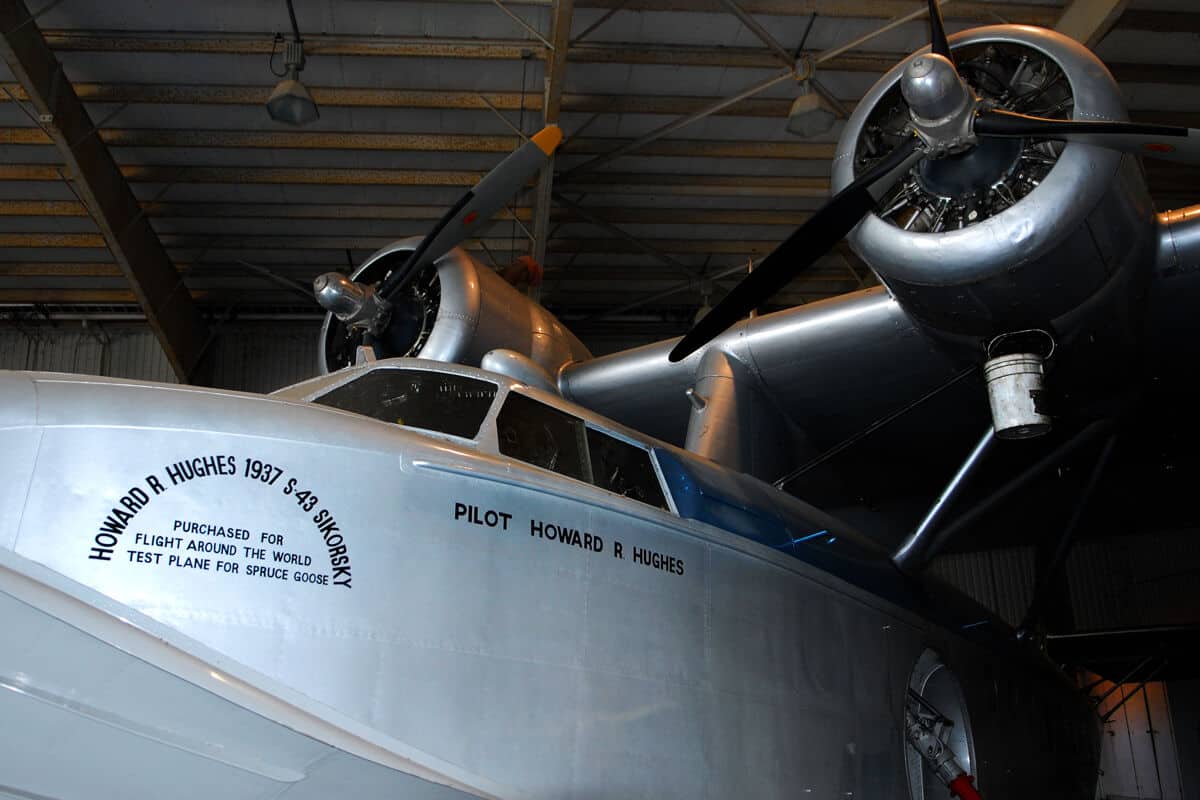
The H-4 Hercules, or "Spruce Goose," was an enormous financial investment that cost approximately $23 million (mostly government-funded, but with significant overruns covered by Hughes). While it did not generate a direct financial return, it served as a symbol of his engineering ambition. It is now a museum centerpiece and no longer part of a liquid net worth calculation.
How does his wealth compare to today’s billionaires?
In 1976, $1.5 billion was an astronomical sum, making him one of the two or three richest people in the world. While today’s billionaires have net worths exceeding $200 billion, those figures are often based on paper stock valuations. Hughes’s wealth was largely in privately held, cash-generating industrial and real estate assets.
Final Financial Assessment and Next Steps
The financial legacy of Howard Hughes (often searched as Howard Hough) remains a benchmark for industrial diversification. His ability to leverage a single technological patent into a multi-industry empire is a blueprint still studied in business schools in 2026.
For those looking to understand the mechanics of his wealth, the next logical step is to research the Howard Hughes Medical Institute's annual reports or the history of the Summa Corporation. These entities represent the actualized value of his life's work. Understanding how he transitioned from oil tools to defense contracting and then to Las Vegas real estate provides a masterclass in capital allocation and asset protection.
Image Gallery