Understanding the Crucial Functions of the Amino Acid Tyrosine in Human Physiology
An important function of the amino acid tyrosine is serving as the indispensable biochemical precursor for the synthesis of critical catecholamine neurotransmitters—including dopamine, norepinephrine, and epinephrine—which regulate str...
An important function of the amino acid tyrosine is serving as the indispensable biochemical precursor for the synthesis of critical catecholamine neurotransmitters—including dopamine, norepinephrine, and epinephrine—which regulate stress responses, mood, and cognitive focus.
Contents
Introduction to Tyrosine and Its Biological Classification
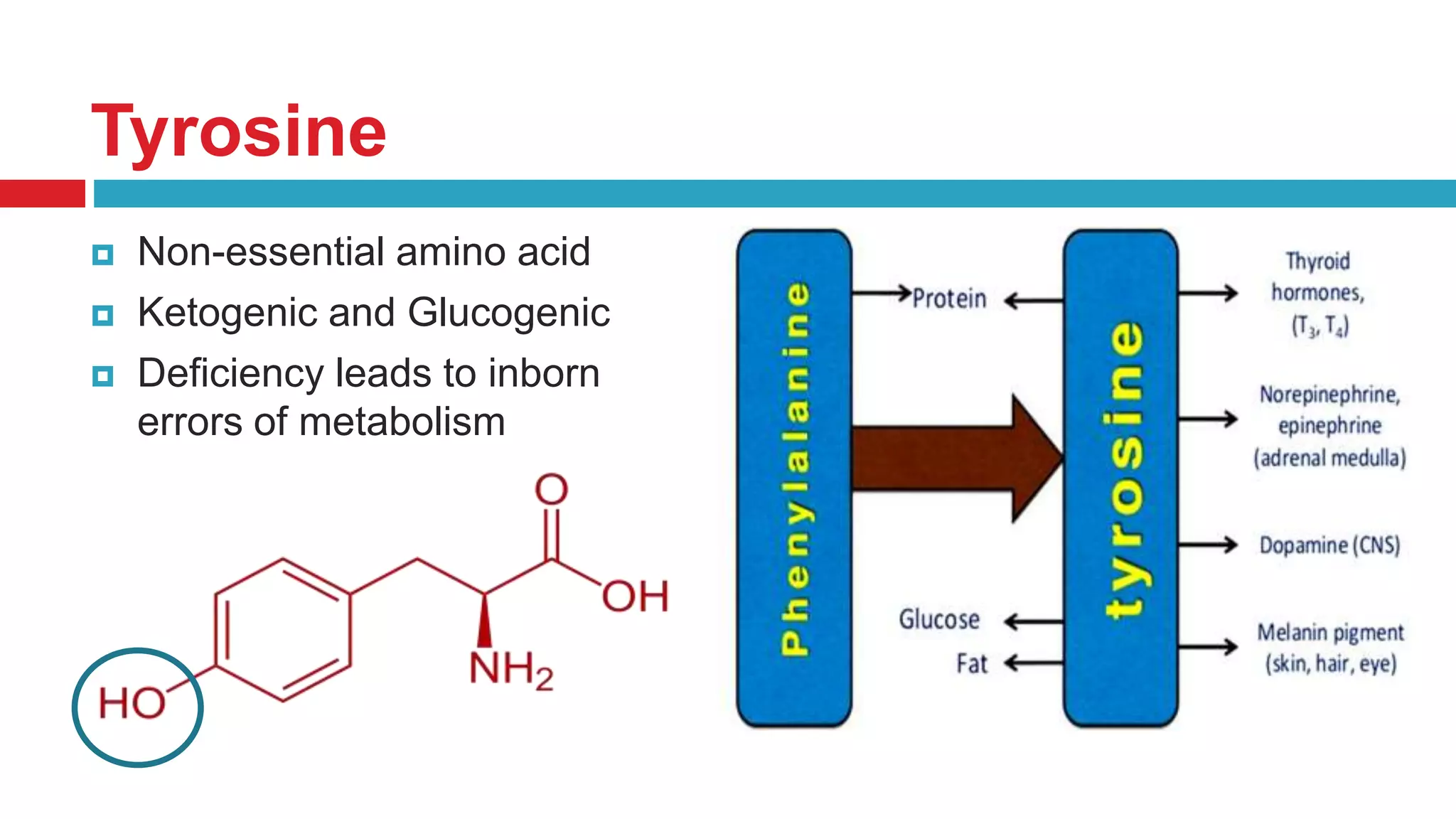
Tyrosine is an aromatic, non-essential amino acid that plays a foundational role in human metabolism, protein structure, and neurochemistry. While the human body can synthesize tyrosine from another amino acid, phenylalanine, via the action of the enzyme phenylalanine hydroxylase, it is still categorized as conditionally essential under specific physiological stress states, periods of intense growth, or in individuals with genetic metabolic variations such as phenylketonuria (PKU).
Understanding what an important function of the amino acid tyrosine entails requires looking past its basic structural role as a building block for proteins. Beyond constructing enzymes and structural tissues, free tyrosine acts as a dynamic signaling molecule and metabolic precursor. Its unique chemical structure—featuring a phenol ring—allows it to participate in electron transfer reactions, phosphorylation cascades, and the synthesis of specialized hormones that govern nearly every major organ system in the human body.
Biosynthesis and Dietary Sources of Tyrosine
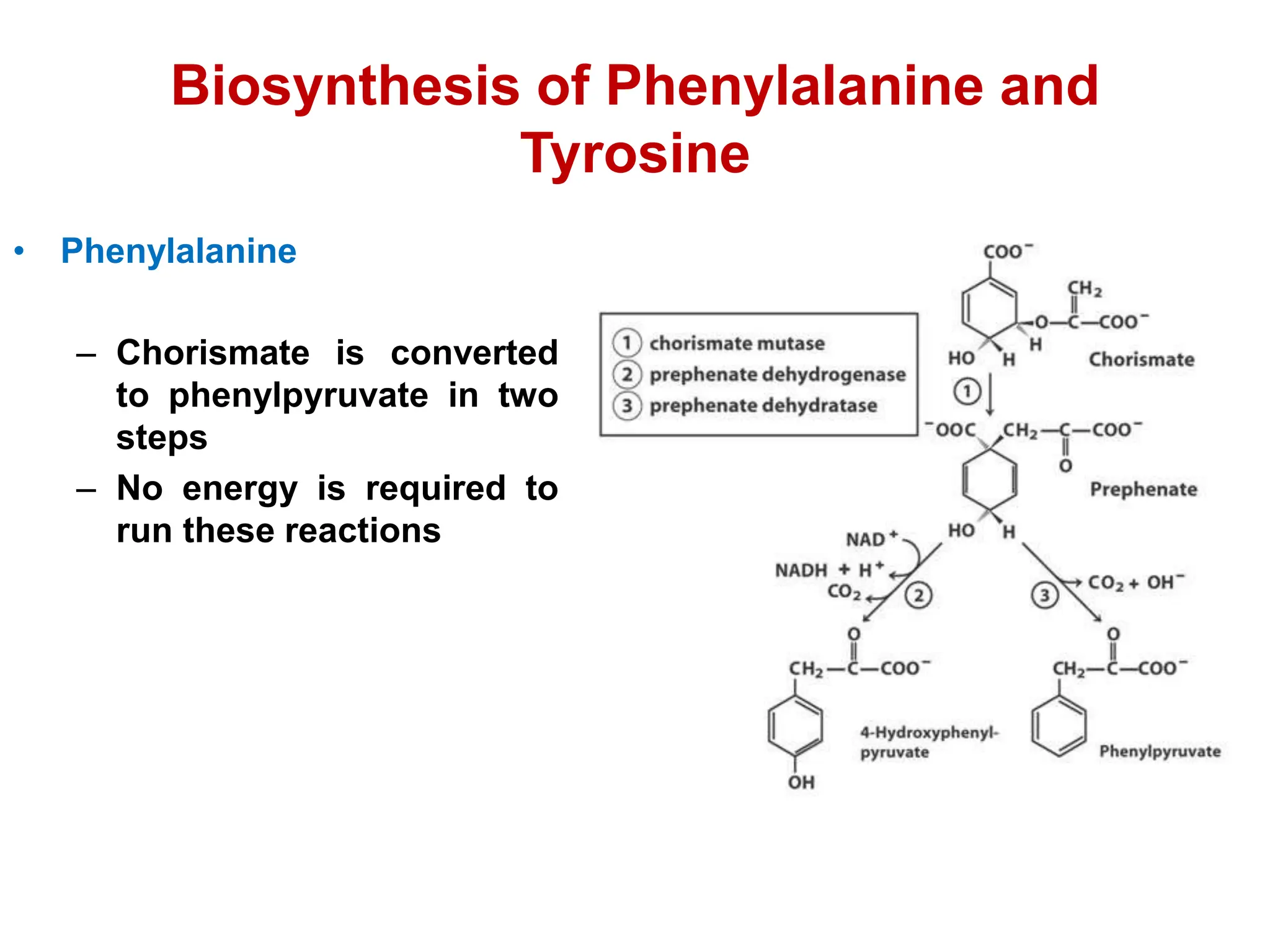
The endogenous production of tyrosine occurs primarily within the liver. Phenylalanine, an essential amino acid obtained exclusively through diet, is converted into tyrosine through a hydroxylation process. This metabolic pathway is tightly regulated. If phenylalanine intake is insufficient or if the hepatic enzyme system is compromised, endogenous synthesis drops, making dietary tyrosine intake vital for optimal physiological function.
Dietary tyrosine is abundant in high-protein foods. Incorporating these foods into daily nutrition ensures a steady supply of the amino acid for cellular maintenance and neurotransmitter replenishment. The following categories represent the primary dietary sources:
- Animal Proteins: Lean meats, poultry, fish, eggs, and dairy products (particularly hard cheeses like parmesan and cottage cheese) contain high concentrations of free and protein-bound tyrosine.
- Plant-Based Proteins: Soy products, legumes, nuts (such as almonds and peanuts), seeds (pumpkin and sesame seeds), and whole grains provide substantial amounts of plant-derived tyrosine.
- Processed and Fermented Foods: Foods undergoing extensive protein breakdown through fermentation or aging often feature higher levels of free amino acids, including tyrosine, which can sometimes be seen as white crystals in aged cheeses.
Primary Neurochemical Functions: Dopamine and Catecholamines
The single most widely studied and physiologically critical function of tyrosine involves its role in neurochemistry. Tyrosine crosses the blood-brain barrier via an active transport mechanism shared with other large neutral amino acids. Once inside the central nervous system and specific peripheral tissues, tyrosine initiates the catecholamine biosynthesis pathway.
The conversion process follows a precise enzymatic cascade:
- Hydroxylation: Tyrosine is converted into L-DOPA (L-3,4-dihydroxyphenylalanine) by the rate-limiting enzyme tyrosine hydroxylase (TH).
- Decarboxylation: L-DOPA is subsequently converted into the neurotransmitter dopamine via the enzyme aromatic L-amino acid decarboxylase.
- Further Conversion: Dopamine can be converted into norepinephrine (noradrenaline) via dopamine beta-hydroxylase, and norepinephrine can be further methylated to form epinephrine (adrenaline) in the adrenal medulla.
| Neurotransmitter / Hormone | Primary Physiological Role | Clinical Implication of Deficiency or Imbalance |
|---|---|---|
| Dopamine | Regulates reward pathways, motor control, motivation, and executive cognitive function. | Associated with symptoms of apathy, cognitive fatigue, and motor coordination deficits in Parkinson's disease. |
| Norepinephrine | Modulates attention, alertness, the sympathetic nervous system, and the "fight or flight" response. | Linked to impaired concentration, low alertness, and certain forms of lethargy or depressive states. |
| Epinephrine | Acts primarily as a hormone regulating systemic stress responses, heart rate, and metabolic energy mobilization. | Compromised acute stress adaptation and reduced cardiovascular responsiveness during exertion. |
Endocrine Regulation and Thyroid Hormone Synthesis
In addition to driving neurotransmitter production, tyrosine plays an indispensable structural and functional role in the endocrine system, most notably in the synthesis of thyroid hormones. The thyroid gland utilizes tyrosine residues embedded within thyroglobulin—a large glycoprotein—to manufacture thyroxine ($T_4$) and triiodothyronine ($T_3$).
During thyroid hormone synthesis, iodine atoms are attached to the phenolic rings of specific tyrosine residues within the thyroglobulin matrix in a process called iodination. These iodinated tyrosines then couple together to form the active thyroid hormones that regulate basal metabolic rate, cellular oxygen consumption, thermogenesis, and somatic growth. Without an adequate supply of tyrosine and iodine, the thyroid gland cannot manufacture sufficient hormones, potentially leading to metabolic sluggishness and systemic imbalances.
Melanin Production and Pigmentation
Another notable function of tyrosine is its role as the direct precursor to melanin, the primary pigment responsible for determining the color of human skin, hair, and eyes. Melanogenesis occurs within specialized cells known as melanocytes.
The enzyme tyrosinase initiates this pathway by oxidizing tyrosine into DOPA and subsequently into dopaquinone. Through a series of further enzymatic and chemical reactions, dopaquinone polymerizes into various forms of melanin, including eumelanin (brown/black pigment) and pheomelanin (red/yellow pigment). Beyond aesthetic pigmentation, melanin provides photoprotection by absorbing ultraviolet radiation from sunlight, thereby protecting underlying cellular DNA from photodamage and mutagenic transformations.
Protein Structure and Enzymatic Regulation
At the structural level, tyrosine residues within polypeptide chains contribute significantly to the tertiary and quaternary stability of proteins. The hydroxyl group on its side chain can participate in hydrogen bonding and serves as a primary target for post-translational modification by protein kinases.
Protein phosphorylation—specifically the addition of phosphate groups to tyrosine residues (tyrosine phosphorylation)—acts as a molecular on/off switch in cellular signal transduction. This mechanism controls:
- Cellular growth and proliferation pathways.
- Immune system receptor activation.
- Metabolic enzyme regulation across various tissue types.
Dysregulation of tyrosine kinase signaling is frequently implicated in oncogenesis and proliferative disorders, highlighting why precise metabolic control of tyrosine pathways is critical for cellular homeostasis.
Supplementation, Pharmacokinetics, and Clinical Considerations
Because of its role in neurotransmitter synthesis, supplemental L-tyrosine is widely studied and utilized as a nutritional intervention to support cognitive performance under acute physical or psychological stress, such as sleep deprivation, cold exposure, or high-intensity exercise.
When evaluating supplementation, clinical guidelines and pharmacokinetics suggest:
- Absorption: Free-form L-tyrosine is rapidly absorbed in the small intestine and enters the systemic circulation, though it must compete with other large neutral amino acids to cross the blood-brain barrier.
- Dosage Ranges: Clinical studies often examine acute dosages ranging from 500 mg to 2,000 mg taken prior to high-stress tasks or demanding physical exertion.
- Professional Oversight: Individuals taking thyroid hormone replacement therapy, monoamine oxidase inhibitors (MAOIs), or those diagnosed with melanoma or specific neurological conditions should consult healthcare professionals before initiating high-dose tyrosine supplementation, as it can interact with medication pathways or physiological conditions.
Disclaimer: This information is for educational purposes only and should not replace professional medical advice, diagnosis, or treatment.
Frequently Asked Questions
What is the main function of the amino acid tyrosine?
The primary function of tyrosine is acting as a chemical precursor for vital catecholamine neurotransmitters—dopamine, norepinephrine, and epinephrine—which regulate mood, focus, and the body's response to stress. It also contributes to thyroid hormone synthesis and skin pigmentation.
Can the human body produce tyrosine on its own?
Yes, the human body can synthesize tyrosine from the essential amino acid phenylalanine through a hepatic enzymatic process. However, during periods of extreme physiological stress or specific metabolic conditions, endogenous production may become insufficient, classifying it as conditionally essential.
How does tyrosine affect cognitive function?
Under conditions of acute stress, sleep deprivation, or heavy workload, the brain can become depleted of catecholamines. Supplemental or dietary tyrosine provides the necessary building blocks to replenish dopamine and norepinephrine levels, helping sustain working memory, alertness, and cognitive performance.
Which foods contain the highest concentrations of tyrosine?
High-protein foods are the richest sources of tyrosine. Excellent dietary sources include lean meats, poultry, fish, eggs, dairy products (such as parmesan and cottage cheese), soybeans, peanuts, almonds, and pumpkin seeds.
Is tyrosine supplementation safe for everyone?
While generally recognized as safe when consumed in food or moderate supplemental doses, tyrosine can interact with certain medications, including thyroid hormones and monoamine oxidase inhibitors (MAOIs). Individuals with pre-existing health conditions should seek professional medical guidance before use.
Conclusion and Next Actions
Tyrosine is far more than a simple building block for muscle and structural tissue; it is a critical metabolic hub that influences neurochemistry, endocrine health, and cellular signaling. To optimize your physiological levels naturally, prioritize a balanced diet rich in high-quality proteins that supply both phenylalanine and direct tyrosine. If you are considering high-dose supplementation to manage cognitive fatigue or support stress resilience, consult a qualified healthcare provider to review potential drug interactions and ensure it aligns with your personal health profile.
Image Gallery