Avoid Whole Life Insurance If: When Permanent Coverage Fails Your Financial Goals
You should avoid whole life insurance if you are looking for the most affordable death benefit, have high-interest debt, or prefer managing your own investments for higher returns. It is often a poor fit for those who cannot commit to...
You should avoid whole life insurance if you are looking for the most affordable death benefit, have high-interest debt, or prefer managing your own investments for higher returns. It is often a poor fit for those who cannot commit to decades of high premiums or have not yet maximized their 2026 tax-advantaged retirement accounts.
Contents
The Financial Structural Reality of Whole Life Insurance
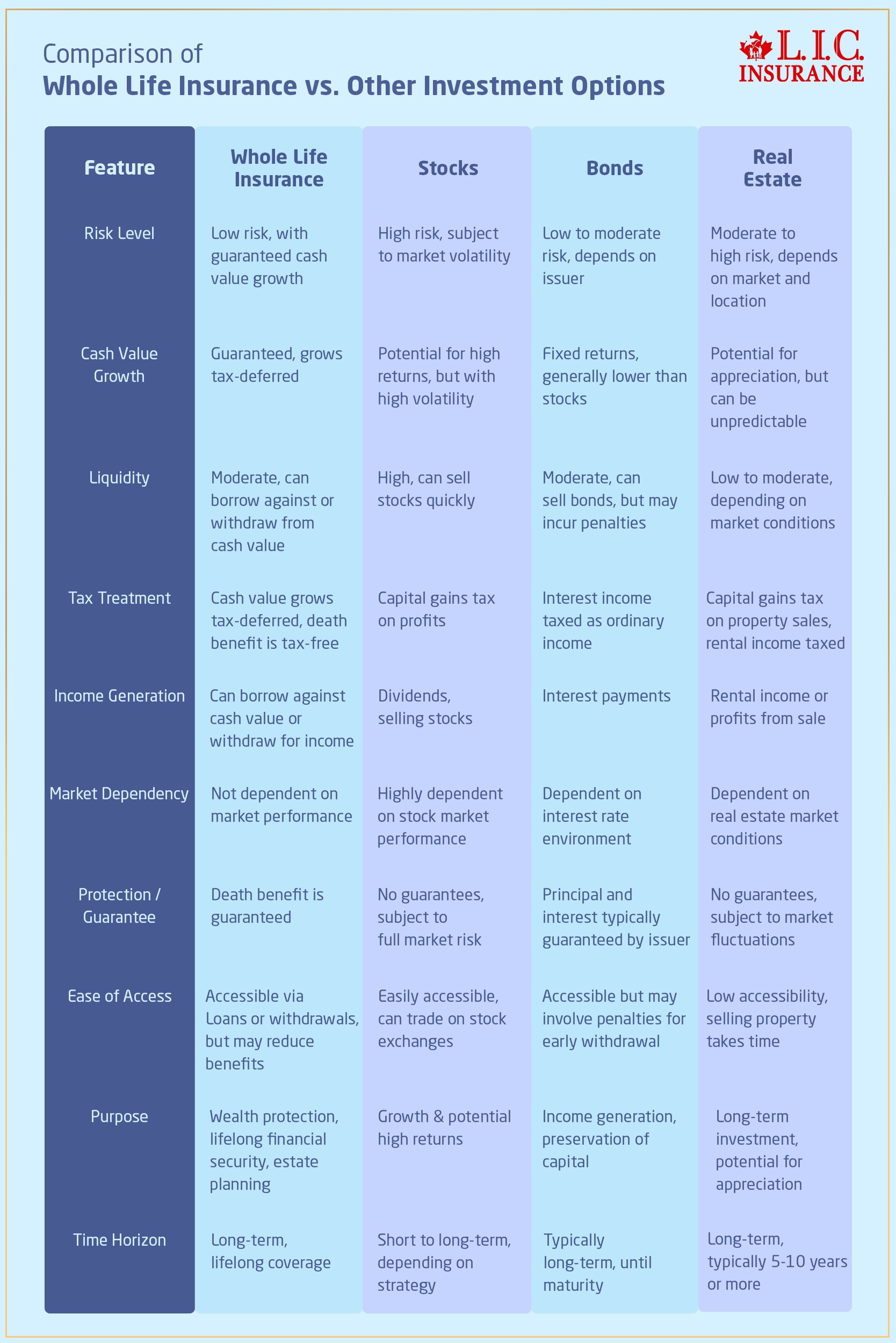
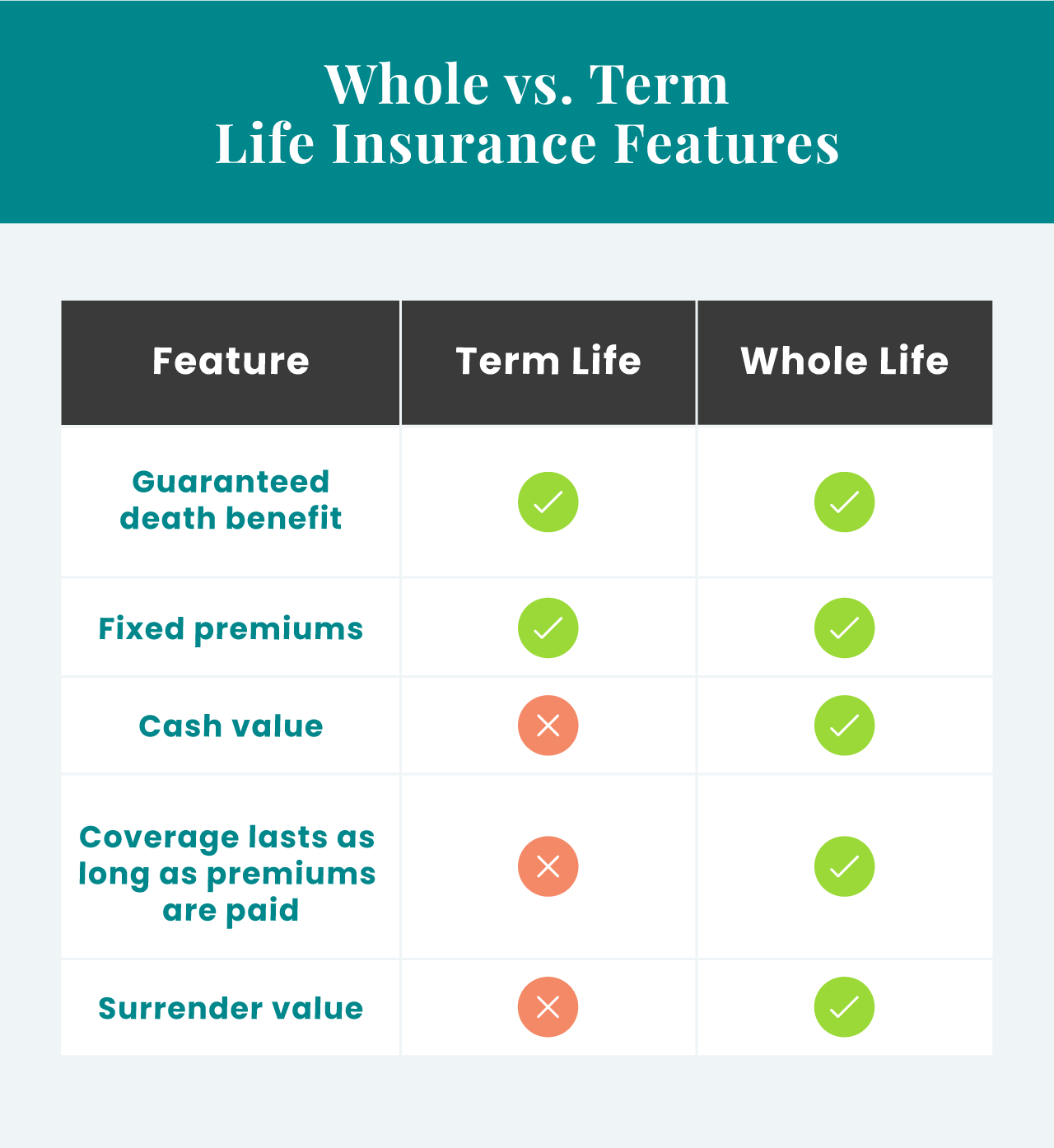
Whole life insurance is a type of permanent life insurance that remains in force for the insured's entire lifetime, provided premiums are paid. It features a guaranteed death benefit, fixed premiums, and a cash value component that grows over time at a guaranteed rate. While marketed as a "Swiss Army knife" of personal finance—offering protection, savings, and tax benefits—its structural complexity often hides significant costs that can derail a standard financial plan.
As of 2026, the financial landscape continues to emphasize low-fee, transparent investment vehicles. Whole life insurance, by contrast, is a bundled product. This means your premium is split between the actual cost of insurance (COI), administrative fees, high agent commissions (often 60% to 100% of the first year's premium), and the cash value accumulation. Because of this front-loaded cost structure, many policies have zero or very little cash value for the first three to five years, making it a high-friction asset for those who may need liquidity.
Five Critical Reasons to Avoid Whole Life Insurance
Navigating the 2026 insurance market requires a clear understanding of your long-term obligations. Before signing a contract that could last 50 years, consider the following specific scenarios where whole life insurance is objectively the wrong choice.
1. You Have Unpaid High-Interest Debt
If you are carrying credit card balances, high-interest personal loans, or private student loans, the internal rate of return (IRR) on a whole life policy will never outperform the cost of your debt. The cash value in a whole life policy typically grows at an IRR of 2% to 4% over the long term. If you are paying 15% to 20% on debt, every dollar directed toward a whole life premium is effectively losing you 11% to 18% in net worth. Financial stability must be built from the bottom up, and expensive permanent insurance is a "top-of-the-pyramid" product.
2. You Haven’t Maximized Traditional Retirement Vehicles
The tax-advantaged growth within a whole life policy is often touted as a primary selling point. However, for the vast majority of taxpayers in 2026, traditional and Roth 401(k)s, 403(b)s, and IRAs offer superior tax benefits and significantly lower management fees. According to IRS guidelines on retirement plans, these accounts allow for direct tax deductions or tax-free withdrawals with exposure to a broad range of equity and bond markets. Until you have reached the maximum contribution limits for these accounts, paying the higher fees associated with whole life insurance to get "tax-deferred growth" is mathematically inefficient.
3. You Require Coverage for a Specific Duration
Most life insurance needs are temporary. For example, if you have a 30-year mortgage or children who will be financially independent in 20 years, you only need to cover the financial gap during those specific windows. Buying a permanent policy to cover a temporary need is an expensive mismatch. A 30-year term policy provides the same death benefit for a fraction of the cost—often 10 to 15 times cheaper—allowing you to invest the savings elsewhere.
4. You Value Investment Transparency and Control
Whole life insurance is a "black box." The insurance company decides the dividend rates (for participating policies) and the guaranteed interest rates. You have no control over the underlying investments the company makes with your premiums. If you prefer a portfolio of low-cost index funds or ETFs, where you can see exactly what you own and what you are paying in management fees, the opaque nature of whole life insurance will be a source of frustration.
5. You Cannot Guarantee Premium Payment for 20+ Years
Whole life insurance is a long-term commitment. If you encounter a financial hardship and stop paying premiums in the first decade, the policy will likely lapse, and you may lose a significant portion, if not all, of the money you put in due to surrender charges. If your income is volatile or your job security is uncertain in the current 2026 economic climate, the rigid premium schedule of whole life insurance represents a significant financial risk.
Comparing the Opportunity Cost: Whole Life vs. Term
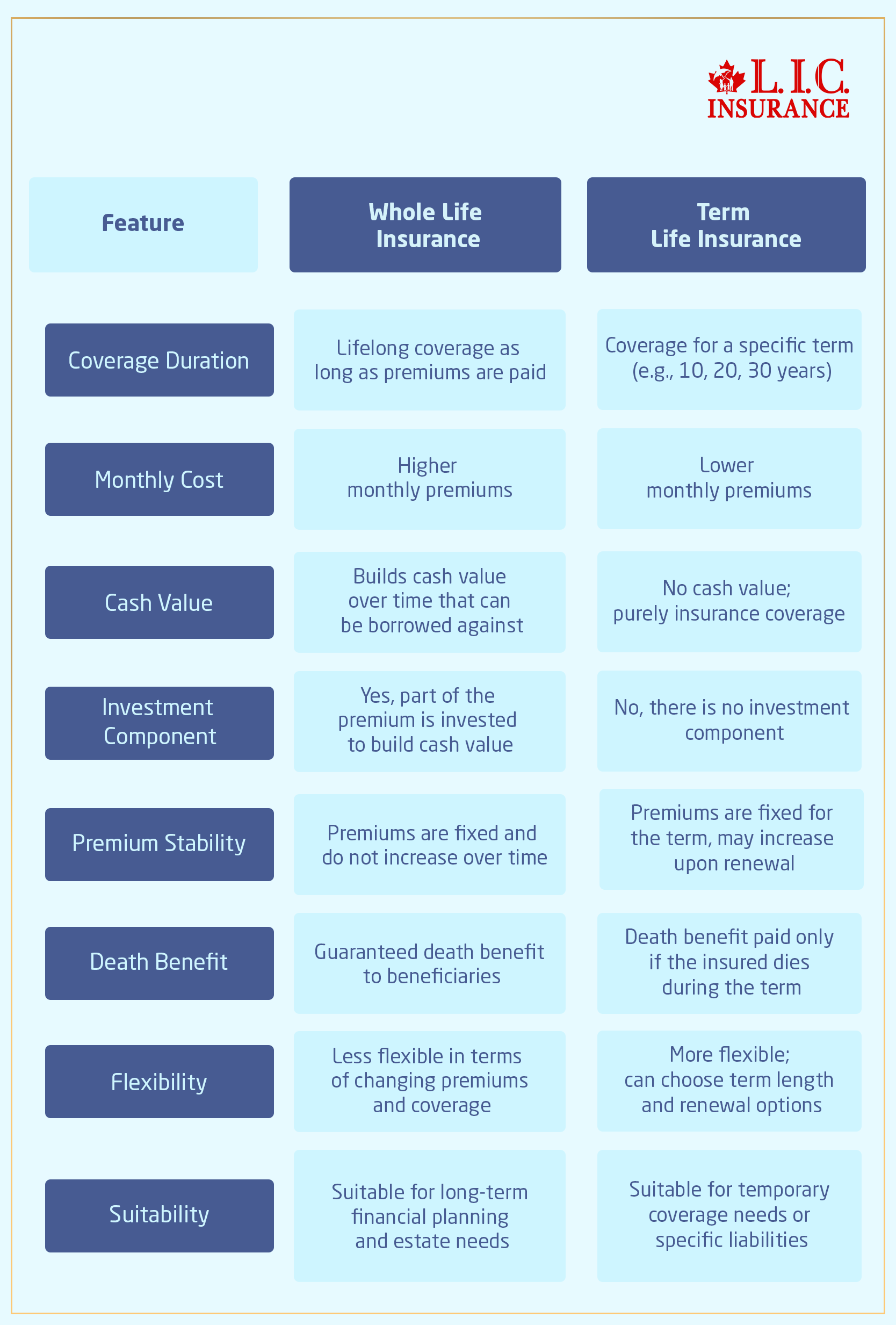
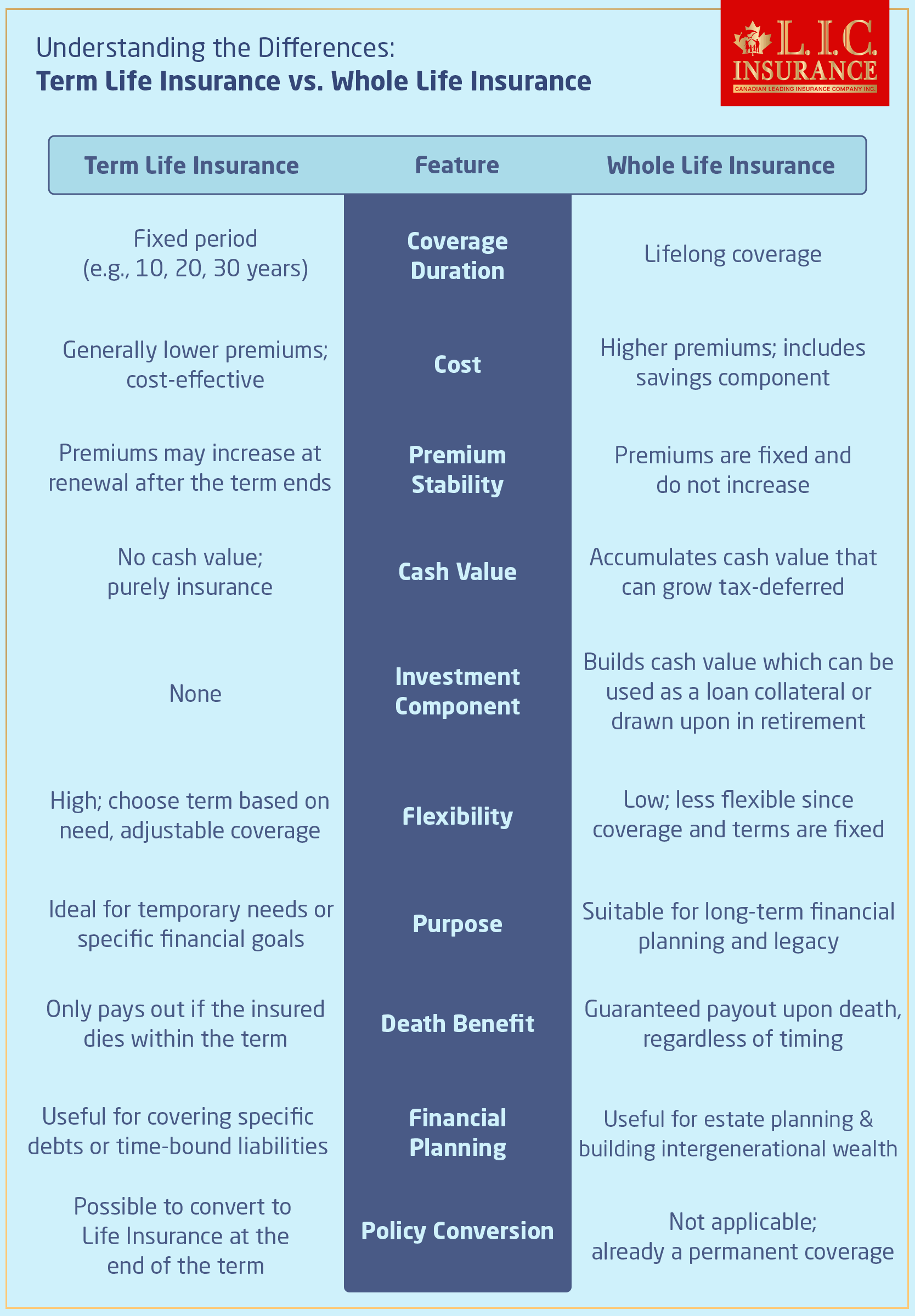
The concept of "Buy Term and Invest the Difference" (BTID) remains a foundational principle of modern financial planning. By opting for a term policy and placing the savings into a diversified brokerage account, most individuals end up with a higher net worth and comparable protection.
| Feature | Whole Life Insurance | Term Life Insurance + Brokerage |
|---|---|---|
| Annual Premium (Approx.) | $5,000 - $8,000 | $400 - $600 (Term) |
| Duration | Lifetime (Permanent) | Fixed Term (10-30 Years) |
| Cash Value Access | Loans/Withdrawals (After years) | Full Liquidity (Market rates) |
| Investment Control | None (Company Managed) | High (Self-Directed) |
| Fees & Commissions | Very High (Hidden) | Low (Transparent) |
| Death Benefit | Guaranteed for Life | Guaranteed for Term |
Note: Figures are illustrative based on 2026 market averages for a healthy 35-year-old seeking $500,000 in coverage.
The Hidden Truth About Cash Value and Surrender Charges
The "cash value" of a whole life policy is often misunderstood. It is not an additional benefit on top of the death benefit; rather, it is a portion of the death benefit that the insurance company "pre-funds" with your own money. If the insured passes away, the beneficiaries typically receive the face amount (death benefit), but the insurance company keeps the accumulated cash value unless a specific (and more expensive) rider is attached.
Furthermore, surrender charges are a major deterrent. According to the Financial Industry Regulatory Authority (FINRA), surrender charges can last for 10 to 15 years. If you decide the policy no longer fits your needs in year seven, the "surrender value" you receive will be the cash value minus a hefty penalty. This illiquidity makes whole life a poor choice for emergency savings or short-term wealth accumulation.
Alternatives to Whole Life in 2026
If you are looking for the benefits often associated with whole life but want to avoid the drawbacks, consider these alternatives:
- Term Life Insurance: Provides high coverage at the lowest possible cost. Use this to protect your family during your peak earning years.
- Low-Cost Index Funds: Use a brokerage account to invest the money you would have spent on whole life premiums. In 2026, most major brokerages offer zero-commission trading and near-zero expense ratios.
- Health Savings Accounts (HSAs): Often called the "ultimate" tax-advantaged account, HSAs offer triple tax benefits (tax-deductible contributions, tax-free growth, and tax-free withdrawals for medical expenses).
- Guaranteed Universal Life (GUL): If you truly need permanent insurance (e.g., for an estate tax issue or a special needs trust) but don't care about the "investment" component, a GUL policy offers lifetime coverage at a lower cost than whole life because it builds little to no cash value.
Frequently Asked Questions
Is whole life insurance ever a good investment?
For 95% of the population, no. It is primarily useful for ultra-high-net-worth individuals (estates valued over $13.61 million in 2026) who need a vehicle for estate liquidity or for those who have exhausted all other tax-sheltered options and need a place to put excess capital. For the average saver, the high fees and low returns make it a sub-optimal investment.
What happens if I want to cancel my whole life policy?
If you cancel (surrender) your policy, you will receive the "cash surrender value." If the policy is new (less than 10 years old), this amount may be significantly less than the total premiums you have paid. You should consult a fee-only financial advisor before canceling to understand the tax implications of any gains.
Can I use my whole life policy to "be my own banker"?
This concept, often called Infinite Banking, involves taking loans against your policy’s cash value. While possible, you are essentially borrowing your own money and paying the insurance company interest for the privilege. In most cases, the interest you pay on the loan and the missed opportunity cost of the premiums far outweigh the benefits.
Why do insurance agents push whole life insurance so hard?
Commission structures are the primary driver. An agent might earn $5,000 in commission for selling a whole life policy, compared to $400 for a term policy with the same death benefit. Always check if your advisor is a fiduciary, meaning they are legally obligated to act in your best interest.
Does whole life insurance provide better tax benefits than a 401(k)?
No. While whole life offers tax-deferred growth, a 401(k) or IRA provides an immediate tax deduction (on traditional accounts) and allows for a much wider range of investment choices that typically yield higher long-term returns. The "tax benefits" of whole life are rarely enough to compensate for its high internal costs.
Final Recommendation
Avoid whole life insurance if your financial goals involve maximizing wealth, maintaining liquidity, or minimizing monthly expenses. For the vast majority of consumers in 2026, the optimal strategy is to purchase a low-cost term life insurance policy to cover the years when your family is most vulnerable and to invest the difference in a diversified portfolio of low-cost index funds. Only consider permanent insurance if you have a complex estate planning need that cannot be solved by other financial instruments. Before committing to a policy, request a "full illustration" and have it reviewed by a non-commissioned, fee-only financial planner.
Image Gallery