Understanding the Nico Iamaleava ESPN Recruiting Profile and Impact
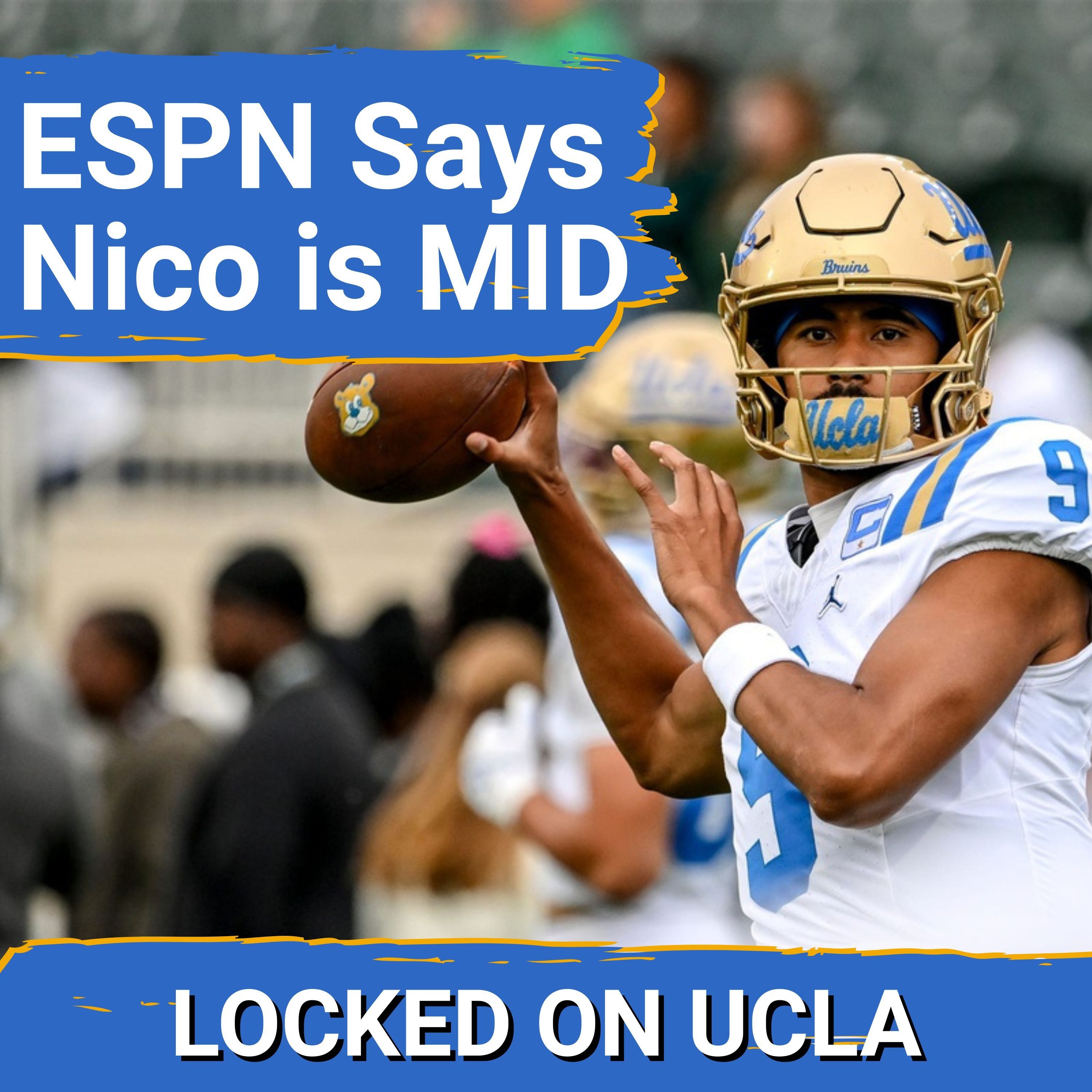
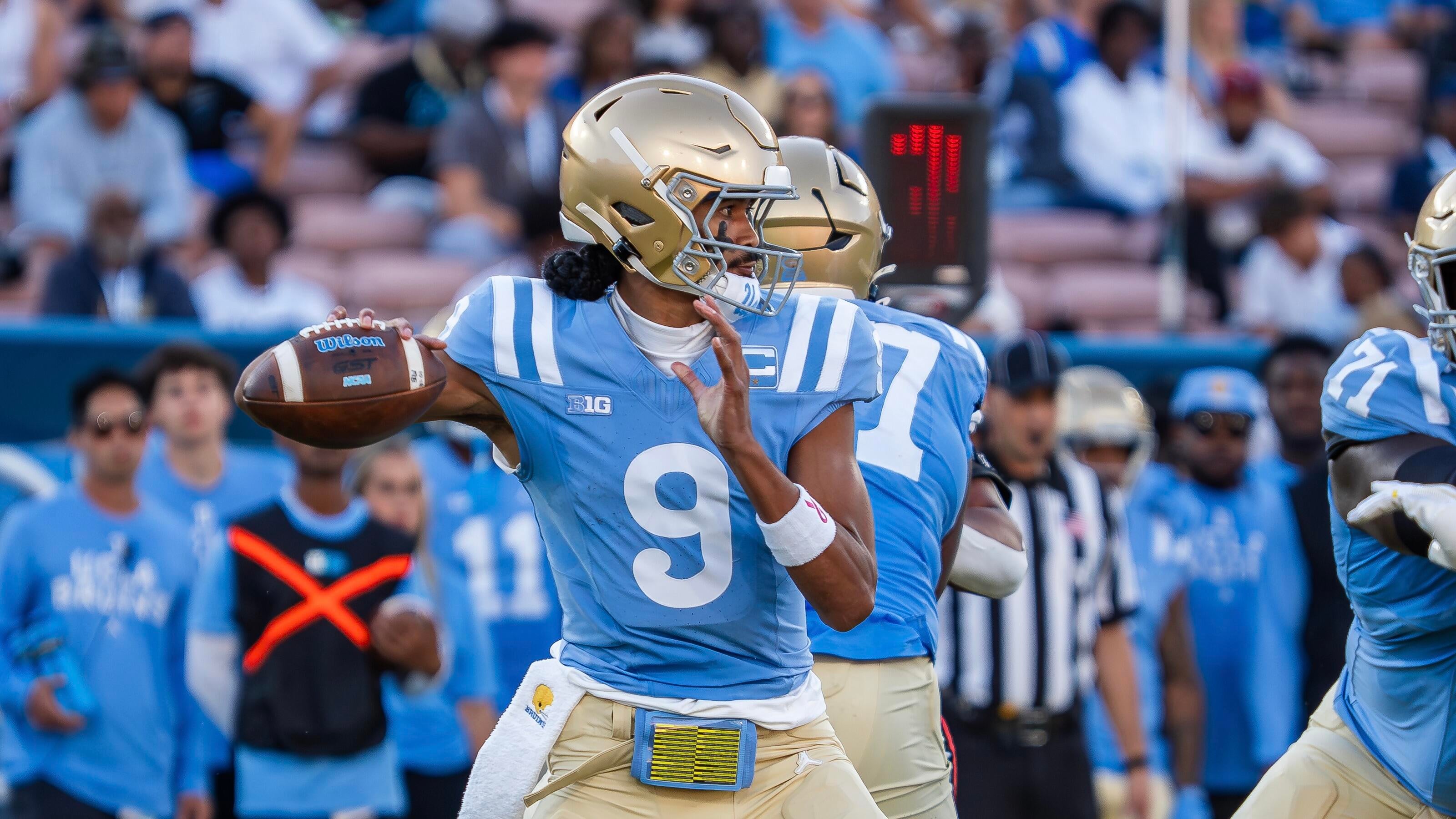
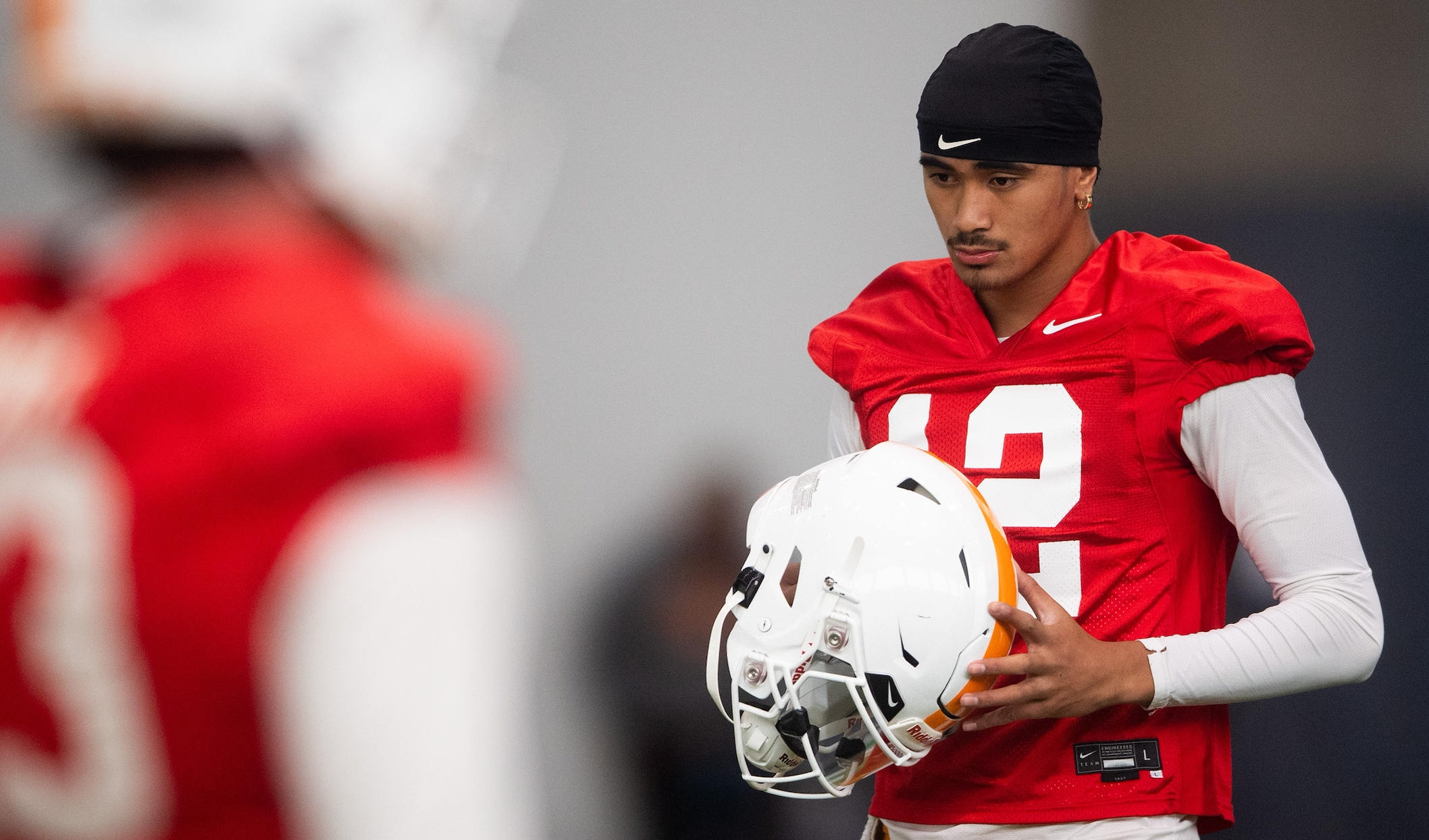
Nico Iamaleava’s journey from a highly touted high school prospect to a cornerstone collegiate quarterback remains a significant case study in modern sports talent evaluation. By examining his ESPN recruiting profile, industry analysts...
Nico Iamaleava’s journey from a highly touted high school prospect to a cornerstone collegiate quarterback remains a significant case study in modern sports talent evaluation. By examining his ESPN recruiting profile, industry analysts and fans can better understand the metrics, scouting processes, and developmental milestones that define elite-level football recruitment in the current era.
Contents
The Evolution of the Recruiting Process
The recruitment of a blue-chip prospect like Nico Iamaleava highlights the high-stakes ecosystem managed by platforms like ESPN. Recruiting rankings serve as a specialized mechanism for collegiate programs to identify talent early in their high school careers. ESPN’s grading system—based on a 100-point scale—is designed to project a player’s potential impact at the NCAA level.
For Iamaleava, his progression through these rankings was not merely about individual performance; it reflected a blend of physical testing, camp performances, and game-tape analysis. ESPN evaluators look for specific benchmarks including arm strength, decision-making speed, and the ability to operate within complex offensive systems. When a player maintains a high ranking throughout their high school tenure, it confirms that their physical tools have matured alongside their tactical understanding of the game.
Decoding the ESPN Scouting Report
An ESPN scouting report for a top-tier prospect typically encompasses several critical evaluation pillars. These criteria explain why specific players are categorized as five-star prospects compared to others.
- Arm Talent: This includes velocity on short-to-intermediate routes, the ability to launch the ball deep, and the touch required for corner routes or fades.
- Mobility and Frame: Evaluators assess a quarterback’s ability to extend plays outside the pocket and whether their physical frame can handle the rigors of collegiate-level contact.
- Processing Speed: This is arguably the most difficult metric to quantify but the most vital. It refers to how quickly the quarterback reads the defense, cycles through progressions, and identifies the open receiver.
- Intangibles: This category covers leadership, competitive drive, and the ability to perform under pressure during high-stakes games or exposure events like the All-American Bowl.
The Iamaleava file on ESPN functioned as a central repository for these data points. For prospective student-athletes, understanding how these variables are weighted provides insight into the "Recruiting Industry" and why coaches emphasize specific drills during evaluation periods.
The Role of Exposure and Elite Camps
The recruiting trajectory of a player like Iamaleava often benefits from a combination of elite camp participation and digital media coverage. In 2026, the landscape remains focused on the "evaluation circuit." While game tape from a prospect’s high school season is paramount, regional and national camps organized by scouting services provide controlled environments where talent can be compared directly against similarly ranked peers.
These events allow analysts to witness a prospect's mechanics in real-time. If a player shows consistent accuracy against elite defensive backs in a camp setting, it validates the numbers recorded during their regular high school season. For scouts and recruiting coordinators, these events act as a "risk mitigation" strategy, ensuring that a prospect’s high school stats are not merely the result of playing against lower-tier competition.
Comparison of Recruitment Metrics
The following table outlines the standard criteria utilized by major recruiting networks to differentiate top-tier quarterback prospects.
| Criterion | What Scouts Look For | Impact on Ranking |
|---|---|---|
| Mechanics | Footwork and release consistency | High (Foundational) |
| Football IQ | Pre-snap reads and coverage adjustments | Critical (Long-term) |
| Physicality | Height, weight, and speed metrics | Moderate (Physical ceiling) |
| Consistency | Performance across multi-year timeline | Essential (Stability) |
Legal and Academic Prerequisites for Recruitment
Recruitment is not purely athletic. For a student-athlete to transition from a ranked prospect to a college roster, they must navigate the complex landscape of NCAA eligibility requirements. This includes meeting core course requirements, maintaining a minimum GPA, and clearing the certification process through the NCAA Eligibility Center.
In the case of high-profile recruits, academic monitoring often runs parallel to athletic scouting. Programs are cognizant that a player, regardless of their ESPN star rating, cannot contribute if they do not meet academic benchmarks. Therefore, the "recruiting profile" is, in practice, a holistic document that includes academic history, character references, and physical metrics.
Understanding the "Commitment" Phase
The final stage of the recruiting process involves the transition from public interest to a National Letter of Intent (NLI). While ESPN’s public-facing side monitors these commitments as news, the backend of the process is a legal agreement between the student-athlete and the university.
For fans, the "commitment" is the climax of the recruiting cycle. For the athlete, it is the start of a new operational requirement. Once a player commits to a program, they become subject to specific NCAA rules regarding communication with coaches, official visits, and early enrollment opportunities. Elite recruits often seek early enrollment to participate in spring training sessions, allowing them to adjust to the speed of the college game before the official season begins in the fall.
Frequently Asked Questions
How does ESPN determine the star rating for a recruit? ESPN ratings are determined by a group of evaluators who watch game film, attend camps, and consult with high school and college coaches. The final grade is a composite of physical projection, technical skill, and performance at major events.
Does a high ESPN ranking guarantee success in college? No. While rankings are predictive, they are not guarantees. Success at the collegiate level depends on coaching development, team fit, injury prevention, and the player’s ability to adapt to a significantly faster and more complex level of play.
How can a student-athlete improve their chances of being scouted? Players should focus on building a robust portfolio of high-quality game tape, maintaining strong academic grades, and participating in reputable camps. Professional exposure often follows the consistent demonstration of skill in competitive settings.
Is there a cost for players to be included in recruiting databases? No. Reputable recruiting services like ESPN do not charge athletes for inclusion in their databases. These services function as media outlets tracking the industry; charging for inclusion would create a conflict of interest that would compromise their editorial integrity.
How often are player profiles updated? Profiles are updated periodically throughout the recruiting cycle, typically following major camps, the conclusion of the high school season, and the release of new ranking lists.
Next Steps for Prospects
For high school athletes looking to follow a trajectory similar to top-ranked prospects, the focus must remain on developmental consistency. Start by ensuring your academic record is in alignment with NCAA standards early in your freshman year. Concurrently, compile a comprehensive library of highlight film that showcases not just individual touchdowns, but the fundamental mechanics of your position. If you are serious about pursuing collegiate athletics, reach out to your high school coaching staff to discuss your evaluation goals and potential camp circuits that offer the best opportunity for exposure.
Image Gallery