How to Plan a Las Vegas to Zion Road Trip: Routes, Permits, and Itineraries
Planning a road trip from Las Vegas to Zion National Park requires coordinating a 160-to-170-mile drive, adjusting for a one-hour time zone loss upon entering Utah, securing required park permits, and deciding between a direct Intersta...
Planning a road trip from Las Vegas to Zion National Park requires coordinating a 160-to-170-mile drive, adjusting for a one-hour time zone loss upon entering Utah, securing required park permits, and deciding between a direct Interstate route or scenic state park detours.
Contents
Trip Overview and Essential Logistics
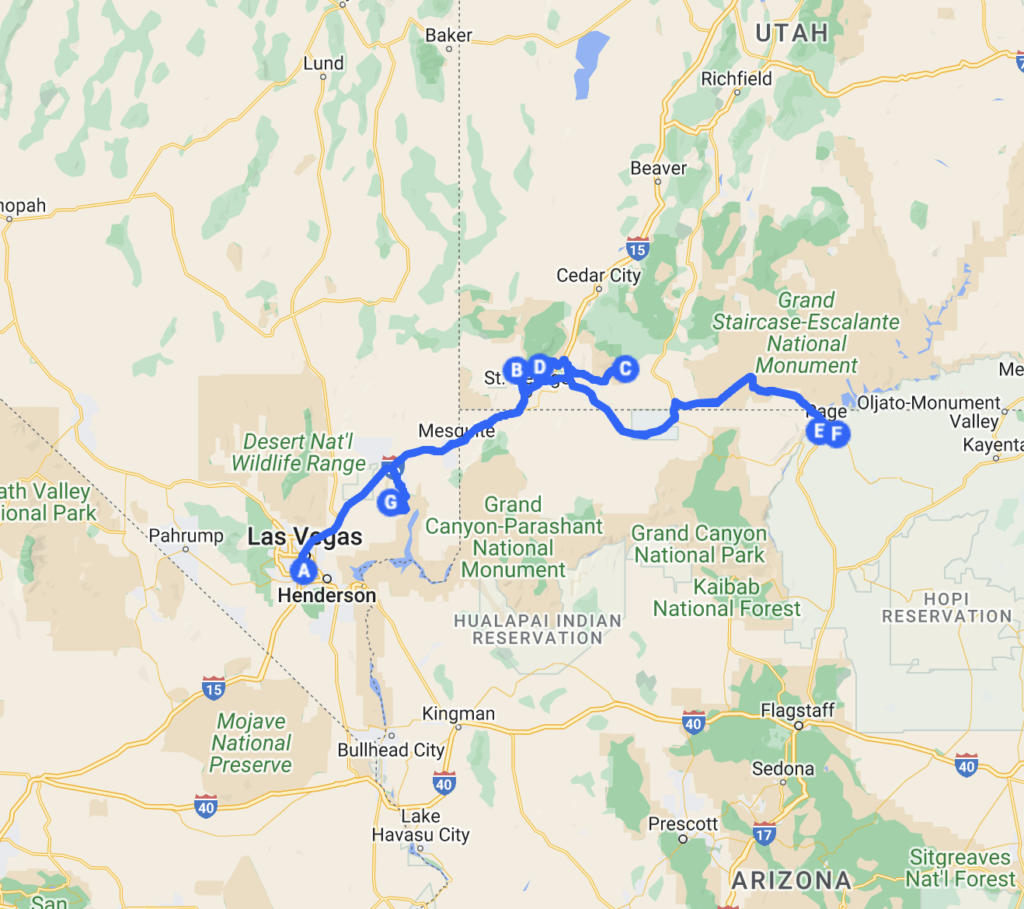
Driving from Las Vegas, Nevada, to Zion National Park in southwestern Utah is one of the most popular road routes in the American Southwest. The direct drive spans approximately 160 to 170 miles along Interstate 15 North and Utah State Route 9, taking roughly 2.5 to 3 hours under normal traffic conditions.
However, smooth execution depends on understanding several key logistical factors before getting behind the wheel.
- LAS VEGAS (Pacific Time)
- Interstate 15 N
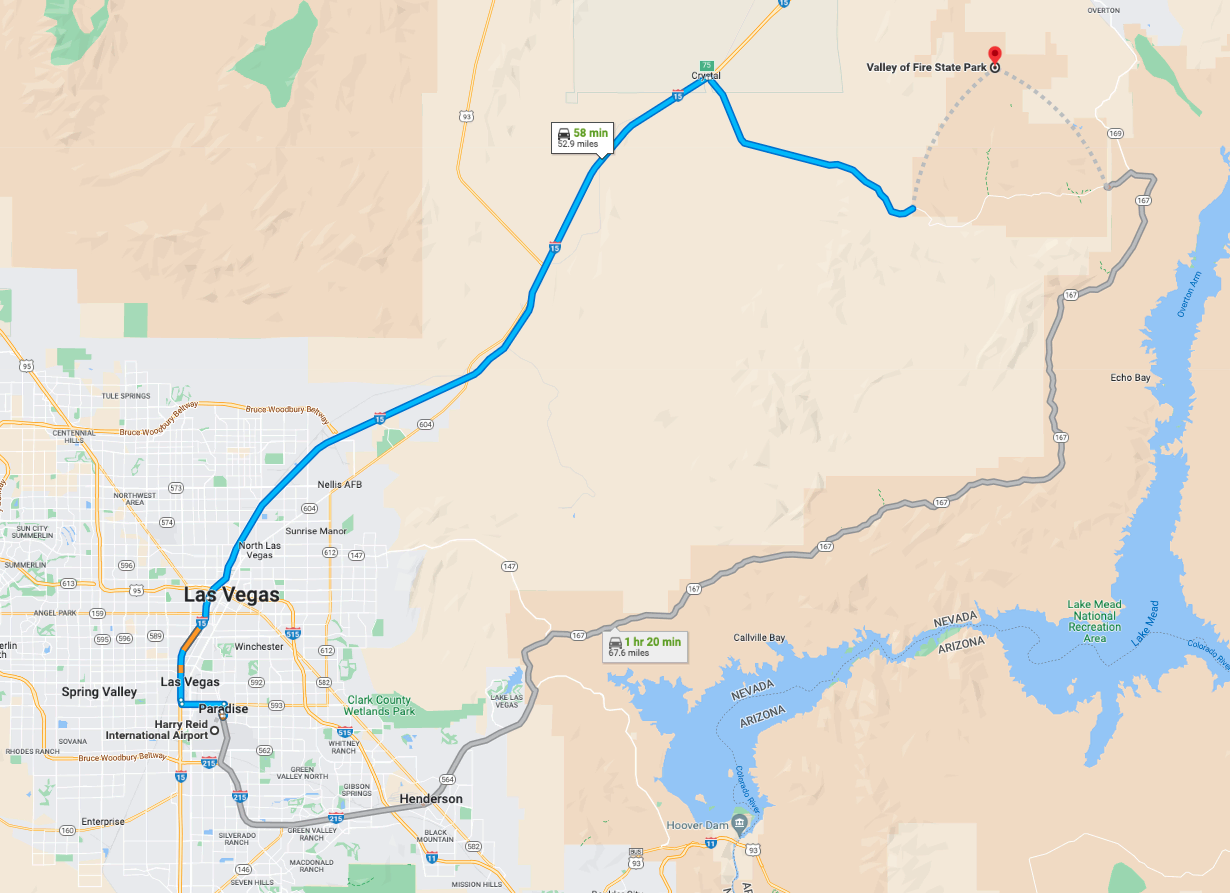
- Optional: Valley of Fire SP / NV-167 Detour
- AZ Strip / Virgin River Gorge
- UTAH STATE LINE (Mountain Time: +1 hr)
- St. George / Hurricane / UT-9 E (Zion Park Blvd)
- SPRINGDALE & ZION NATIONAL PARK
The One-Hour Time Difference
Las Vegas operates on Pacific Time (PT), while Utah observes Mountain Time (MT). When traveling east across the Nevada-Arizona-Utah borders, you lose one hour.
- Why it matters: If you leave Las Vegas at 7:00 AM PT, you will arrive at the Zion entrance around 11:00 AM MT (accounting for a 3-hour drive plus the 1-hour time loss).
- Impact on reservations: Timed-entry permits for hikes such as Angels Landing, scheduled shuttle runs, and gear rental pickups in Springdale all operate on Mountain Time. Always configure your navigation devices and itineraries to local Utah time.
Vehicle Selection and Rental Considerations
If flying into Harry Reid International Airport (LAS) in Las Vegas, picking up a rental car is straightforward. Standard sedans and crossovers are fully capable of handling the entire paved drive to Zion, including the Zion-Mount Carmel Highway.
- Winter driving (December–March): High-elevation areas near Zion can experience snow or black ice. If visiting in winter, rent an all-wheel-drive (AWD) or four-wheel-drive (4WD) vehicle and monitor Utah Department of Transportation road condition updates.
- Electric Vehicles (EVs): High-speed DC fast chargers are available along the I-15 corridor in North Las Vegas, Mesquite (Nevada), and St. George (Utah). Springdale has limited level 2 chargers, so charging to full capacity in St. George is recommended for EV drivers.
Choosing Your Driving Route: Direct vs. Scenic Routes
Depending on your schedule and interests, you can choose between a fast highway transit or scenic secondary roads.
- START: Las Vegas (NV)
- ROUTE A: DIRECT (Interstate 15 North)
- ROUTE B: SCENIC (Valley of Fire Loop)
- Virgin River Gorge (I-15 Arizona Strip)
- St. George / Hurricane (UT-9 East Access)
- END: Springdale / Zion
Route A: The Express Route (I-15 North to UT-9 East)
This standard route offers the fastest travel time and scenic topography:
- Take I-15 North out of Las Vegas through North Las Vegas and Mesquite, Nevada.
- Cross the northwest corner of Arizona through the Virgin River Gorge, a dramatic river-carved canyon section of I-15.
- Enter Utah, passing St. George.
- Take Exit 16 (UT-9 East towards Hurricane/Springdale) or Exit 27 (SR-17 South to UT-9 East).
- Follow UT-9 East through Hurricane and Virgin directly into Springdale and the main South Entrance of Zion.
Route B: The Scenic Valley of Fire Loop
For travelers who have an extra 2 to 3 hours, this detour substitutes early interstate driving with spectacular desert geology:
- Head east out of Las Vegas on Lake Mead Parkway or exit I-15 North at Exit 75.
- Drive through Valley of Fire State Park along NV-167 and NV-169, viewing vivid Aztec sandstone formations.
- Rejoin I-15 North near Logandale/Overton and continue toward Utah.
Route C: Kolob Canyons Detour (North Zion)
Located off Exit 40 on I-15 in Utah, Kolob Canyons is a distinct, quieter section of Zion National Park featuring towering red canyon walls and scenic overlooks. Adding Kolob Canyons to your drive takes roughly 1.5 extra hours and offers a great alternative if shuttle crowds in main Zion Canyon are high.
Zion National Park Access, Shuttles, and Permits
Navigating Zion requires understanding park entrance passes, interior transit restrictions, and permit systems.
| Topic | Zion National Park Entry & Access Details |
|---|---|
| Park Entry Fee | $35 per vehicle ( valid 7 days )Interagency Passes accepted (America the Beautiful) |
| Main Canyon Transit | Zion Canyon Scenic Drive CLOSED to private vehicles March – November & late December holiday period.Mandatory Access: Free Zion Canyon Shuttle System. |
| Trail Permits | Angels Landing: Permit REQUIRED via Recreation.govThe Narrows (Top-Down overnight/day hike): Permit REQThe Narrows (Bottom-Up day hike): No permit needed |
Entrance Fees and Passes
Entry to Zion National Park costs $35 per private vehicle, valid for seven consecutive days. If your trip includes other parks—such as Bryce Canyon, Grand Canyon, or Lake Mead—purchasing the annual America the Beautiful Pass ($80) at the entrance station is more cost-effective.
Zion Canyon Shuttle System
To reduce traffic congestion, the National Park Service restricts private vehicles from driving along the main Zion Canyon Scenic Drive during peak season (typically March through November, plus winter holiday periods).
- How it works: Park your vehicle at the Zion Canyon Visitor Center or in the town of Springdale and board the free shuttle.
- Springdale Shuttle: Runs through the town of Springdale, dropping passengers off at the park pedestrian entrance.
- Zion Canyon Shuttle: Runs inside the park from the Visitor Center to shuttle stops including Court of the Patriarchs, Zion Lodge, the Grotto (Angels Landing trailhead), and Temple of Sinawava (The Narrows trailhead).
- Check seasonal operating schedules directly on the National Park Service Zion Shuttle Page.
Hiking Permits: Angels Landing and Beyond
- Angels Landing: Due to heavy crowd volume on narrow chains-assisted ridges, a permit is mandatory for all hikers accessing Angels Landing from Scout Lookout. Permits are distributed via seasonal and day-before lotteries on Recreation.gov.
- The Narrows (Bottom-Up): Hiking from the Temple of Sinawava up the Virgin River does not require a permit for day trips up to Big Springs. However, drysuits, footwear, and neoprene socks (rentable in Springdale) are highly recommended.
- The Narrows (Top-Down): The 16-mile full hike from Chamberlain’s Ranch requires a wilderness permit.
Comparison of Las Vegas to Zion Route Options
| Route Name | Distance | Driving Time (Direct) | Primary Highlights | Best Suited For |
|---|---|---|---|---|
| Direct I-15 Route | ~165 miles | 2.5 – 3.0 hours | Virgin River Gorge, historic Hurricane town | Travelers on tight schedules or day trips |
| Valley of Fire Detour | ~195 miles | 4.5 – 5.5 hours (with stops) | Elephant Rock, Fire Wave, petroglyphs | Photographers and geology enthusiasts |
| Kolob Canyons Extension | ~210 miles | 4.0 – 5.0 hours (with stops) | Timber Creek Overlook, reddish cliffs | Travelers seeking fewer crowds |
| Backway via US-93 / UT-56 | ~240 miles | 4.5 – 5.0 hours | Great Basin scenery, Enterprise reservoir | Drivers wanting remote, off-the-beaten-path routes |
Multi-Day Itinerary Options
Option 1: Express Day Trip (Las Vegas Return)
- 5:30 AM PT: Depart Las Vegas.
- 9:30 AM MT: Arrive at Springdale / Zion Canyon Visitor Center. Park vehicle.
- 10:00 AM MT: Board Zion Canyon Shuttle to Temple of Sinawava; walk Riverside Walk.
- 1:00 PM MT: Shuttle to Zion Lodge for lunch; walk Lower Emerald Pools loop.
- 4:00 PM MT: Drive scenic UT-9 toward East Entrance (Zion-Mount Carmel Tunnel).
- 6:00 PM MT: Depart Zion back toward Las Vegas.
- 8:30 PM PT: Arrive back in Las Vegas.
Option 2: 3-Day / 2-Night Essential Zion Experience
- Day 1: Depart Las Vegas via Valley of Fire State Park. Arrive in Springdale by afternoon. Check into hotel, watch sunset at Canyon Junction Bridge.
- Day 2: Early shuttle into Zion Canyon. Hike Angels Landing (if permit secured) or West Rim Trail to Scout Lookout. Afternoon hike along the Riverside Walk or into lower sections of The Narrows.
- Day 3: Morning drive up the Zion-Mount Carmel Highway to hike Canyon Overlook Trail. Afternoon return to Las Vegas via Snow Canyon State Park near St. George.
Parking, Lodging, and Seasonal Considerations
Parking Strategy in Springdale and Zion
Parking inside Zion National Park near the Visitor Center typically fills completely by 8:00 AM to 9:00 AM during spring, summer, and fall peak periods.
- Park Lots: Filled on a first-come, first-served basis.
- Springdale Town Parking: If park lots are full, pay to park at designated zone lots in Springdale and catch the free Springdale Town Shuttle to the pedestrian entrance.
Where to Stay
- Inside the Park: Zion Lodge (requires reservations up to a year in advance) or South and Watchman Campgrounds (bookable via Recreation.gov).
- Springdale: Immediate access to the park entrance; walkable to restaurants and gear outfits, though hotel rates are high during peak season.
- Hurricane & St. George: Located 30 to 45 minutes west. Offers more budget-friendly hotel, dining, and rental options.
Seasonal Weather Hazards
- Summer (June–August): Temperatures regularly exceed 100°F (38°C) in lower Zion Canyon. High risk of monsoons and lethal flash floods in slot canyons such as The Narrows. Always check National Weather Service flash flood potential ratings at the visitor center.
- Winter (December–February): Temperatures drop below freezing overnight. Microspikes/traction devices may be required for trails with ice accumulation, such as Angels Landing or weeping walls.
Step-by-Step Road Trip Planning Checklist
- Secure Permits Early: Apply for the Angels Landing seasonal lottery on Recreation.gov months ahead of time, or enter the day-before lottery at 12:01 AM MT.
- Book Vehicle & Lodging: Reserve your rental car and lodging in Springdale or Hurricane as early as possible.
- Pack Appropriate Gear: Pack sturdy hiking boots, hydration packs (minimum 2–3 liters per person), layers for temperature shifts, sun protection, and offline navigation maps.
- Account for Time Zone Shift: Adjust your travel schedule to reflect Mountain Time upon crossing into Utah.
- Check Park Conditions: Monitor the official Zion National Park alert pages for trail closures, shuttle schedules, and rockslide alerts before departing Las Vegas.
Frequently Asked Questions
Can I do a day trip from Las Vegas to Zion National Park?
Yes, a day trip is feasible because the direct drive takes roughly 2.5 to 3 hours each way. However, because you lose one hour crossing into Utah's Mountain Time zone, you must leave Las Vegas early (around 5:30 AM to 6:00 AM) to maximize daylight and secure parking inside the park.
Do I need a permit to drive through Zion National Park?
You do not need a permit to drive through the park along the public Zion-Mount Carmel Highway (UT-9). However, you must pay the $35 entrance fee per vehicle. Note that private vehicles are not allowed on the main Zion Canyon Scenic Drive during shuttle operating months.
Can vehicles over a certain size fit through the Zion-Mount Carmel Tunnel?
Vehicles measuring 11 feet 4 inches tall or higher, or 7 feet 10 inches wide or wider (including mirrors and overhangs), require an escort permit ($15) to drive through the historic Zion-Mount Carmel Tunnel. Single-lane traffic control is provided by park rangers for large RVs and campers.
Is cell phone service reliable along the drive and inside Zion?
Cell service is generally reliable along Interstate 15 and through the towns of St. George, Hurricane, and Springdale. However, signal strength drops significantly inside Zion Canyon, near deep slot canyons, and along remote stretches of highway. Download offline maps prior to your trip.
What is the best month to plan a road trip from Las Vegas to Zion?
October and November, as well as April and May, offer ideal conditions. Daytime temperatures are pleasant (60°F to 75°F), shuttle services operate smoothly, and flash flood risks are generally lower than during the summer monsoon period.
Practical Recommendation
For the best experience, plan a 3-day itinerary leaving Las Vegas around 6:00 AM on Day 1. Take the direct I-15 North route to arrive in Springdale by late morning, securing a parking spot before peak afternoon arrival.
Spend your first day exploring the Zion-Mount Carmel Highway and Canyon Overlook Trail. Reserve your second day for early shuttle access to main canyon hikes like Angels Landing or The Narrows, and use your return trip on Day 3 to visit Valley of Fire State Park off Nevada Exit 75.
Always check Recreation.gov for active permit lotteries and monitor weather advisories for flash flood warnings before entering river canyon trails.
Image Gallery