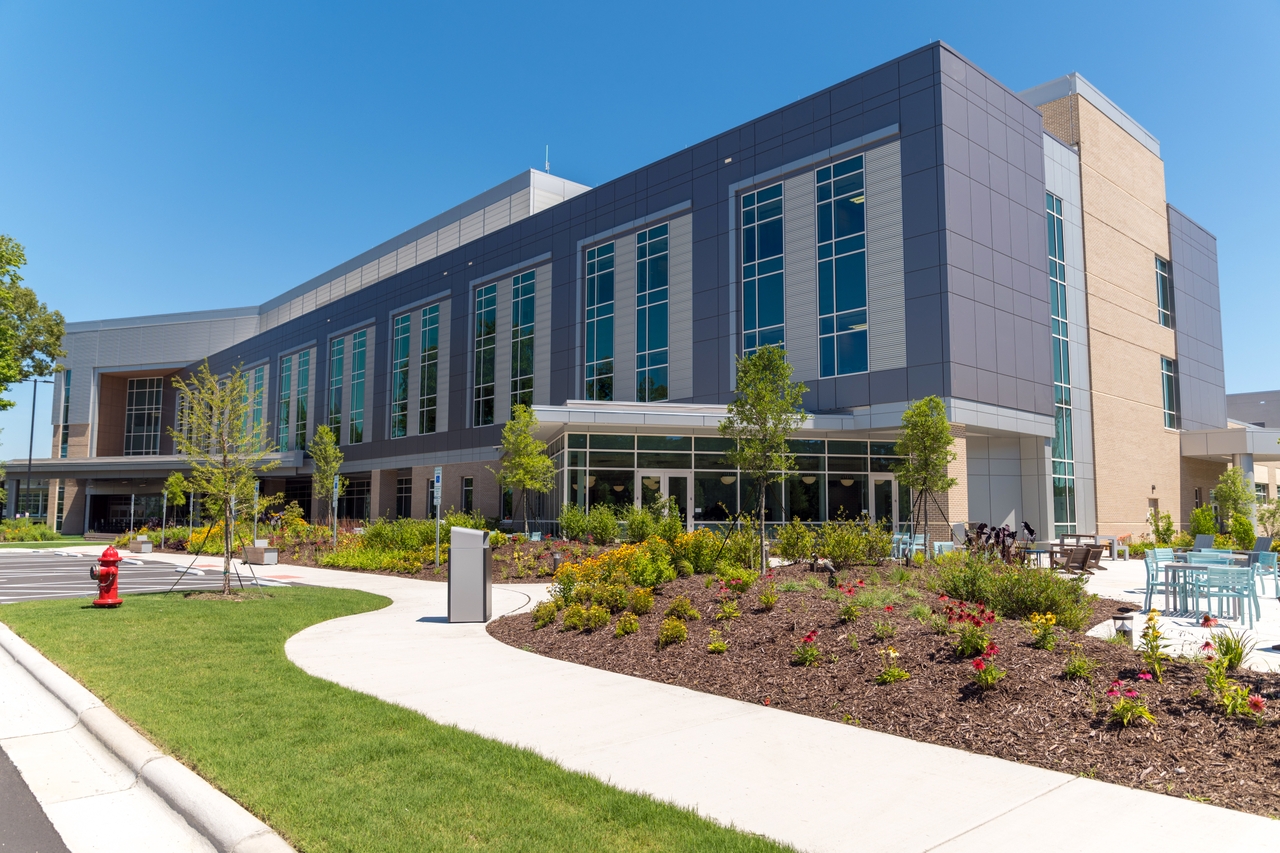
Allen Emergency Room Opens New Era of Care
The opening of the Allen Emergency Room marks a significant shift in North Texas healthcare, moving away from traditional, high-volume hospital waiting rooms toward a model of immediate, specialized emergency intervention. By integrati...
The opening of the Allen Emergency Room marks a significant shift in North Texas healthcare, moving away from traditional, high-volume hospital waiting rooms toward a model of immediate, specialized emergency intervention. By integrating hospital-grade diagnostic technology with a concierge-level patient experience, this facility provides 24/7 access to board-certified emergency physicians without the typical delays associated with large institutional systems.
Contents
The Evolution of Emergency Medicine in Allen, Texas
For decades, residents of Allen and the surrounding Collin County areas relied almost exclusively on large hospital systems for emergency needs. While these institutions provide essential services, the sheer volume of patients often leads to significant "boarding" times—periods where patients wait in hallways or waiting rooms for hours before seeing a provider. The "new era of care" referenced by the Allen Emergency Room describes a decentralized approach to emergency medicine known as the freestanding emergency department (FSED).
As of 2026, the demand for localized, high-acuity care has grown alongside Allen’s population. The Allen Emergency Room, located at 940 Ridgeview Drive, addresses this by functioning as a fully independent emergency department. Unlike urgent care clinics, which are designed for minor illnesses and injuries during business hours, this facility is equipped to handle life-threatening conditions, including respiratory distress, cardiac events, and major trauma, at any time of day or night.
This transition into a new era is defined by three primary pillars:
- Elimination of the Waiting Room: The facility utilizes an "immediate bedding" policy where triage occurs at the bedside rather than behind a glass partition.
- Advanced Diagnostic Autonomy: By housing a full suite of imaging and laboratory equipment on-site, the facility removes the need for patient transfers for basic diagnostics.
- Specialized Staffing: Every physician on-site is board-certified in emergency medicine, ensuring that the level of expertise matches that of a Level I or II trauma center.
Comprehensive Diagnostic Capabilities: Hospital-Grade Technology
A critical component of the "new era of care" is the capability to perform complex diagnostics within minutes of a patient's arrival. In traditional settings, a patient requiring a CT scan might wait hours as the machine is shared between inpatient departments, outpatient surgery, and the emergency room. The Allen Emergency Room operates with dedicated equipment reserved exclusively for emergency patients.
Advanced Medical Imaging
The facility features a multi-slice CT scanner, high-resolution ultrasound, and digital X-ray suites. These tools are vital for diagnosing conditions that a standard urgent care center cannot manage. For instance, if a patient presents with sudden-onset abdominal pain, the ability to perform a CT scan with contrast immediately can differentiate between a minor digestive issue and a life-threatening ruptured appendix or aortic aneurysm.
On-Site COLA-Certified Laboratory
The laboratory at the Allen Emergency Room is certified by the Commission on Office Laboratory Accreditation (COLA). This designation ensures that the facility meets rigorous federal standards for complexity and accuracy. The lab can perform:
- Cardiac Enzyme Panels: To quickly rule in or rule out a myocardial infarction (heart attack).
- Complete Blood Counts (CBC) and Metabolic Panels: To assess infection levels, kidney function, and electrolyte imbalances.
- Respiratory Panels: Testing for influenza, COVID-19, and RSV with rapid turnaround times.
- Urinalysis and Toxicology: Vital for evaluating pediatric fevers or potential poisonings.
By processing these tests in-house, physicians receive results in 15 to 30 minutes, whereas a traditional hospital might take 60 to 90 minutes due to the volume of the central laboratory.
Distinguishing Between Emergency Care and Urgent Care
One of the most important aspects of navigating the new era of care is understanding when to utilize a freestanding ER versus an urgent care center. Choosing the wrong level of care can result in either insufficient treatment for a serious condition or unnecessary expenses for a minor one.
Emergency Rooms (ERs) are designed for "life or limb" situations. They are open 24/7/365 and have the legal requirement (under EMTALA) to stabilize any patient regardless of their ability to pay. They are equipped with advanced life support (ALS) technology, crash carts, and the ability to perform minor surgical procedures.
Urgent Care Centers are typically open during extended business hours and are staffed by nurse practitioners or physician assistants. They are ideal for "convenience care," such as treating a sore throat, minor ear infections, or performing basic sports physicals. They generally lack advanced imaging like CT scans and do not have the capability to manage severe trauma or complex cardiac events.
When to Visit the Allen Emergency Room
The following symptoms necessitate the level of care provided by an ER:
- Chest pain or pressure, which could indicate a heart attack.
- Signs of a stroke, including sudden numbness, facial drooping, or slurred speech.
- Severe burns or deep lacerations requiring advanced suturing.
- Uncontrolled bleeding or compound fractures (bone protruding through the skin).
- Difficulty breathing or severe allergic reactions (anaphylaxis).
- Loss of consciousness or severe head trauma.
Pediatric Emergency Care: A Specialized Approach
Children require a different clinical approach than adults, both physically and emotionally. The Allen Emergency Room emphasizes a "pediatric-ready" environment. This includes specialized equipment sized for infants and children, as well as protocols designed to minimize the trauma of an ER visit.
In the new era of care, pediatric sedation and pain management are prioritized. For example, if a child requires stitches, the use of topical numbing agents and non-invasive distraction techniques is standard. Furthermore, because the environment is quieter and less chaotic than a large hospital ER, children often experience lower levels of anxiety, which can lead to more accurate clinical assessments.
Physicians at the facility are trained to recognize pediatric-specific emergencies, such as croup, pediatric dehydration, and febrile seizures. The rapid diagnostic turnaround is particularly beneficial for parents, as it provides quick answers to whether a child needs specialized pediatric hospitalization or can be safely managed at home.
The Financial Landscape: Insurance, Billing, and SB 1264
In Texas, the growth of freestanding ERs has been accompanied by significant legislative changes to protect consumers. As of 2026, patients visiting the Allen Emergency Room benefit from established "balance billing" protections.
Under Texas Senate Bill 1264 and the federal No Surprises Act, patients with state-regulated insurance plans (and many federal plans) are protected from "surprise" medical bills that arise when an out-of-network provider treats them in an emergency. In an emergency, your insurance provider is generally required to cover the services at an in-network rate, regardless of the facility’s specific contract status.
Understanding the Cost Structure
It is important to note that because the Allen Emergency Room provides a higher level of care than an urgent care center, the billing reflects ER rates. These rates cover the cost of maintaining 24/7 availability of board-certified doctors, specialized nurses, and advanced life-support equipment.
| Feature | Urgent Care Center | Allen Emergency Room | Traditional Hospital ER |
|---|---|---|---|
| Hours of Operation | Limited (e.g., 8am–8pm) | 24/7/365 | 24/7/365 |
| Average Wait Time | 30–90 Minutes | < 15 Minutes | 2–6 Hours |
| Physician Status | Often NP or PA | Board-Certified MD/DO | Mixed (Residents/MDs) |
| Imaging Available | Limited (Basic X-ray) | Full (CT, Ultrasound, X-ray) | Full (CT, MRI, X-ray) |
| Lab Capability | Basic (Rapid tests) | Comprehensive (On-site) | Comprehensive (Central lab) |
| Acuity Level | Low (Colds, Sprains) | High (Heart Attack, Trauma) | High (All Emergencies) |
Operational Excellence and Patient Experience
The "new era" isn't just about the technology; it's about the operational flow. The Allen Emergency Room utilizes a streamlined registration process that occurs simultaneously with clinical care. In a traditional hospital, a patient might spend 20 minutes at a registration desk before even entering the clinical area. At a modern freestanding ER, the patient is taken to a room immediately, and registration is completed via a mobile tablet once the patient is comfortably settled and under the care of a nurse.
This efficiency extends to the discharge process. Because the facility is not bogged down by hospital-wide inpatient transfers, the "turnaround time"—the time from arrival to discharge—is often less than an hour for minor-to-moderate emergencies. This is a critical metric for busy families and professionals in the Allen area who need high-quality care without the "all-day" commitment of a hospital visit.
Frequently Asked Questions
Does the Allen Emergency Room take my insurance?
Most freestanding ERs, including the Allen Emergency Room, accept all major private insurance plans, including Blue Cross Blue Shield, UnitedHealthcare, Aetna, and Cigna. Under Texas law, insurance companies are required to pay for emergency services. However, it is always recommended to present your card at arrival so the staff can clarify your specific plan's emergency copay requirements.
Can the facility handle major trauma or heart attacks?
Yes. The Allen Emergency Room is equipped with the same life-saving equipment found in hospital ERs. They can stabilize patients experiencing major cardiac events or trauma. If the patient requires long-term hospitalization or surgery, the facility has established transfer protocols to move the patient directly to a local hospital bed, bypassing that hospital's own crowded emergency room.
How is the Allen Emergency Room different from an urgent care clinic?
The primary difference is the scope of service. An urgent care is for non-emergencies (flu, minor cuts). The Allen Emergency Room is a full-service ER with CT scanners, a full laboratory, and board-certified ER doctors. If you have a condition that might require an overnight stay or surgery, an ER is the correct choice; if you just need a prescription for an ear infection, urgent care is more cost-effective.
Do I need an appointment to be seen?
No. Emergency rooms do not take appointments. The Allen Emergency Room is designed for walk-in (or ambulance) arrivals 24 hours a day. Because of their efficient staffing model, the wait time is typically near zero, meaning you will be seen by a provider almost immediately upon arrival.
Is the Allen Emergency Room equipped for pediatric emergencies?
Yes, the facility is designed to be "pediatric-ready." This includes having pediatric-specific medication dosing systems (like the Broselow tape), smaller airway management tools, and a staff trained in pediatric advanced life support (PALS). The quieter environment is also much more conducive to treating children who may be frightened by the noise and chaos of a larger hospital.
Recommendation for Residents
For residents of Allen and the surrounding Fairview and McKinney areas, the Allen Emergency Room serves as a vital bridge between the convenience of local clinics and the power of hospital-grade medicine. When faced with a potential emergency, the priority should always be the speed of professional evaluation.
If you or a family member experiences sudden chest pain, severe abdominal distress, or a high fever that won't break, utilizing a freestanding ER like the one on Ridgeview Drive is often the most efficient path to a diagnosis. The "new era of care" means you no longer have to sacrifice speed for quality; you can access top-tier medical expertise in a facility designed for your comfort and rapid recovery. Always keep a list of your current medications and any known allergies readily available to assist the medical team in providing the fastest, most accurate care possible.
Image Gallery