Atlanta Pollen Count 2026: Current Daily Levels and Respiratory Health Guide
The current pollen count in Atlanta, GA, for the 2026 season varies significantly based on daily temperature and wind speed. As of the current spring cycle, counts are frequently reaching "High" to "Extreme" levels, primarily driven by...
The current pollen count in Atlanta, GA, for the 2026 season varies significantly based on daily temperature and wind speed. As of the current spring cycle, counts are frequently reaching "High" to "Extreme" levels, primarily driven by Oak, Pine, and Sweetgum trees. Residents should monitor daily reports from certified National Allergy Bureau (NAB) stations to manage allergic rhinitis and asthma effectively.
Contents
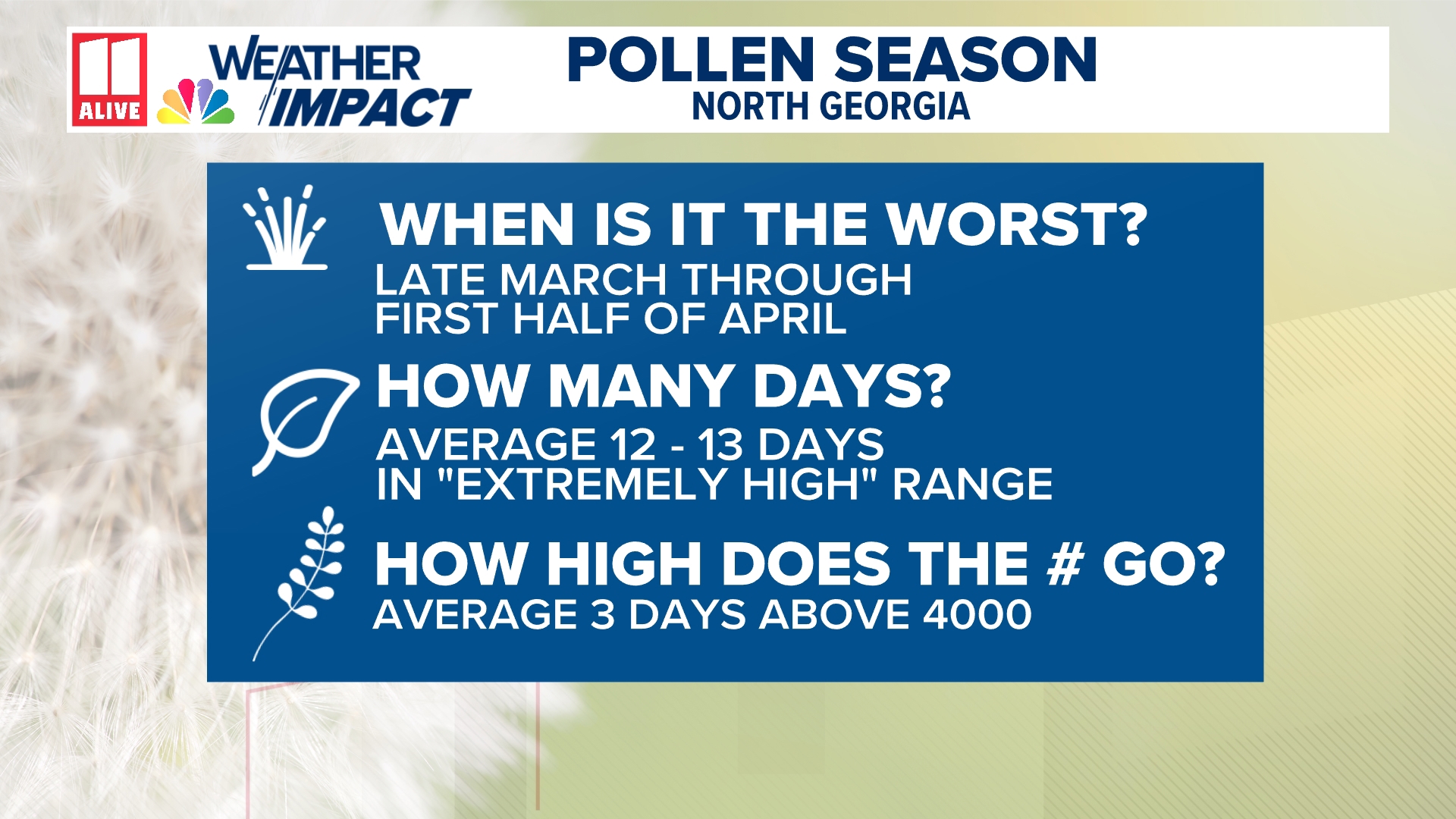
The City in a Forest, as Atlanta is famously known, faces a unique challenge regarding air quality. With one of the densest urban tree canopies in the United States, the metropolitan area experiences some of the highest recorded pollen concentrations in the world. For 2026, the early onset of warm temperatures has accelerated the pollination cycle, leading to a compressed but more intense season. Understanding the specific metrics, the biological contributors, and the clinical management of these levels is essential for the millions of residents living within the 13-county metro area.
Understanding the Atlanta Pollen Measurement System
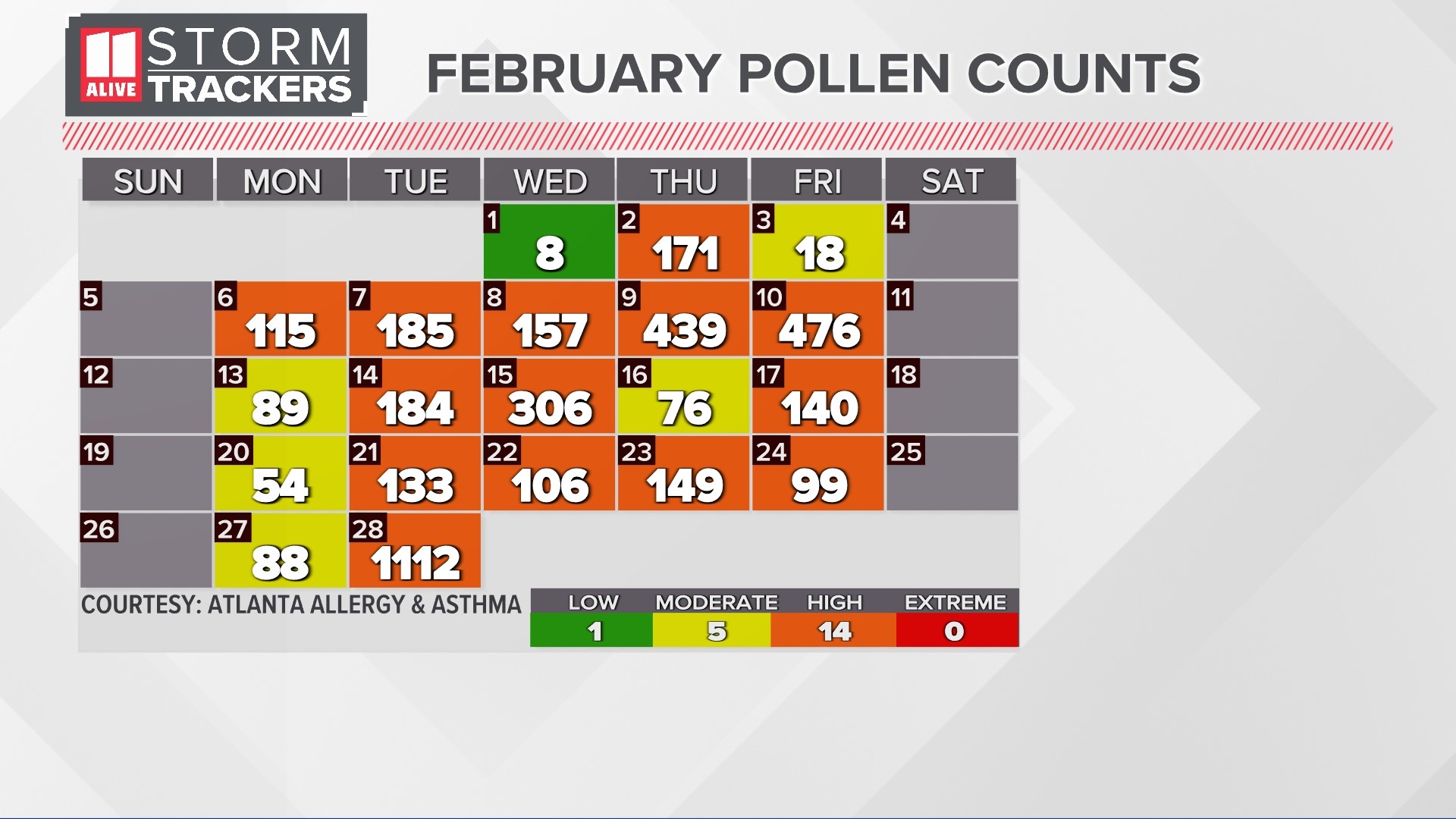
To interpret the current pollen count in Atlanta, one must understand the methodology used by certified clinical laboratories. In Georgia, the primary data source recognized by the National Allergy Bureau (NAB) is Atlanta Allergy & Asthma, which operates specialized sampling equipment.
The Science of Grains Per Cubic Meter
Pollen levels are not mere estimates; they are calculated through the physical collection of airborne particles over a 24-hour period. Using a Burkard volumetric spore trap, technicians collect air on a silicone-coated slide. This slide is then examined under a microscope by a certified counter who identifies and tallies every individual pollen grain.
The final metric is expressed as grains of pollen per cubic meter of air (gr/m³). This quantitative data is then categorized into a qualitative scale:
- Low: Only individuals extremely sensitive to these pollens will experience symptoms.
- Moderate: Many individuals sensitive to these pollens will experience symptoms.
- High: Most individuals with any sensitivity will experience symptoms.
- Extreme: Nearly all individuals with any sensitivity will experience severe symptoms; even those without known allergies may feel respiratory irritation.
2026 Regional Variations and Microclimates
While a central count provides a baseline, Atlanta's varied topography creates distinct microclimates. Areas near the Chattahoochee River corridor often see higher humidity, which can temporarily suppress tree pollen but increase mold spore counts. Conversely, the high-elevation ridges in North Fulton and Cobb counties may experience prolonged pollination periods due to slightly cooler overnight temperatures compared to the urban heat island of Downtown and Midtown.
Major Allergens in the 2026 Atlanta Calendar
The Atlanta pollen season is not a single event but a series of overlapping waves. In 2026, the phenology—the study of periodic plant life cycle events—has been influenced by a relatively mild winter, leading to an aggressive "Pollenpocalypse" in the spring.
Spring: The Dominance of Tree Pollen
From late February through May, tree pollen is the primary concern. In Atlanta, the most significant contributors include:
- Oak (Quercus): The most prolific and clinically significant allergen in the region. Oak pollen is small, lightweight, and easily inhaled deep into the respiratory tract.
- Pine (Pinus): While the heavy yellow dust seen on cars is mostly pine pollen, it is often less allergenic than other species. However, its sheer volume in 2026 acts as a physical irritant to the eyes and nose.
- Sweetgum and Hickory: These species follow the initial oak bloom, extending the high-count period into late spring.
Summer: Grass Pollen Trends
As tree counts subside in June, grass pollen takes over. Bermuda and Johnson grasses are common in Georgia lawns and public parks. For 2026, the increased rainfall in early June has led to robust grass growth, sustaining "Moderate" levels through the mid-summer months.
Fall: Ragweed and Weed Pollen
Starting in mid-August and peaking in September, Ragweed (Ambrosia) becomes the dominant allergen. A single ragweed plant can produce up to a billion pollen grains in a season. In the 2026 fall forecast, weed counts are expected to remain high until the first hard frost, which typically occurs in late November for the Atlanta area.
Comparative Analysis of Pollen Impact by Category
The following table outlines the clinical thresholds for pollen counts in Atlanta for 2026, helping residents correlate the raw numbers with their physical symptoms.
| Pollen Type | Low (gr/m³) | Moderate (gr/m³) | High (gr/m³) | Extreme (gr/m³) | Clinical Significance |
|---|---|---|---|---|---|
| Trees | 0 - 14 | 15 - 89 | 90 - 1,499 | 1,500+ | High counts trigger asthma and severe rhinitis. |
| Grasses | 0 - 4 | 5 - 19 | 20 - 199 | 200+ | Moderate levels cause significant itchy/watery eyes. |
| Weeds | 0 - 9 | 10 - 49 | 50 - 499 | 500+ | Ragweed is a primary trigger for fall "hay fever." |
| Mold | 0 - 6,499 | 6,500 - 12,999 | 13,000 - 49,999 | 50,000+ | Often spikes after Georgia summer thunderstorms. |
Health Management and Mitigation Strategies
Living in Atlanta during an extreme pollen event requires a multi-tiered approach to health management. The 2026 medical guidelines emphasize early intervention and environmental control.
Pharmacological Interventions
Modern allergy management has shifted toward prophylactic (preventative) treatment.
Intranasal Corticosteroids These are considered the first-line treatment for seasonal allergies in 2026. Medications such as fluticasone or triamcinolone are most effective when started two weeks before the predicted peak of the season. They work by reducing the underlying inflammation in the nasal passages.
Oral Antihistamines Second-generation antihistamines (e.g., cetirizine, loratadine, fexofenadine) are preferred because they do not cause the drowsiness associated with older medications. They are effective at managing sneezing and itching but are less effective for nasal congestion.
Immunotherapy (Allergy Shots or Drops) For residents with "Extreme" reactions, 2026 remains a pivotal year for Sublingual Immunotherapy (SLIT). This involves exposing the body to tiny amounts of the allergen to build tolerance over time, potentially providing a long-term cure rather than just symptom management.
Environmental and Lifestyle Adjustments
Reducing your personal "pollen load" can significantly decrease symptom severity. In 2026, HVAC technology and personal hygiene practices are highly recommended by Atlanta-area allergists.
- Monitor Timing: Pollen counts are typically highest between 5:00 AM and 10:00 AM. In Atlanta, the morning humidity often traps pollen near the ground. Plan outdoor activities for the late afternoon or after a heavy rain.
- HEPA Filtration: Utilize high-efficiency particulate air (HEPA) filters in your home’s HVAC system. For 2026, ensure your filters have a MERV rating of at least 11 to 13 to effectively capture microscopic oak and ragweed spores.
- The "Pollen Wash": After spending time outdoors, change your clothes immediately and shower before bed. This prevents transferring pollen from your hair and skin onto your bedding, where it can be inhaled throughout the night.
- Keep Windows Closed: Even on beautiful 70-degree spring days in Georgia, keep windows closed to prevent the interior of your home from being coated in fine particulate matter.
Local Resources for Real-Time Data
For the most accurate 2026 data, residents should rely on localized reporting rather than national weather apps that use predictive modeling.
- Atlanta Allergy & Asthma: Provides the only daily certified count in the metro area. Their data is collected in the early morning and published by 9:00 AM ET.
- Georgia Department of Public Health (DPH): Offers resources on how air quality, including pollen and ozone, affects chronic conditions like COPD and asthma.
- National Allergy Bureau (NAB): The governing body that certifies the stations and ensures standardized counting methodologies across the country.
Troubleshooting Common Allergic Reactions
In many cases, residents may mistake a high pollen count reaction for other respiratory issues.
- Allergy vs. Cold: If your symptoms include an itch (itchy throat, itchy eyes, itchy nose), it is likely an allergy. Colds rarely cause itching.
- The "Pollen Cough": Many Atlantans experience a persistent dry cough during high oak counts. This is often "Post-Nasal Drip," where mucus from the sinuses irritates the throat. Using a saline sinus rinse (Neti pot) with distilled water can provide immediate relief by physically removing the pollen.
- Asthma Flare-ups: If the current pollen count is in the "Extreme" range, those with reactive airway disease should use their maintenance inhalers as prescribed and keep rescue inhalers close.
Frequently Asked Questions
Why is the pollen count so high in Atlanta compared to other cities?
Atlanta has a unique combination of high tree density (the "Tree Canopy"), a long growing season due to its southern latitude, and a geographic "bowl" effect created by the Appalachian foothills that can trap stagnant air. In 2026, these factors continue to make it one of the most challenging environments for allergy sufferers.
Can I develop allergies to Atlanta pollen even if I never had them before?
Yes, adult-onset allergies are common in the Atlanta metro area. Continuous exposure to high concentrations of potent allergens like Oak and Ragweed can eventually sensitize the immune system, leading to the development of allergic rhinitis after several years of residency.
Does rain help lower the pollen count?
Heavy, sustained rain is highly effective at washing pollen out of the air. However, light mist or brief thunderstorms can sometimes increase the count of mold spores or break pollen grains into smaller, more easily inhaled particles through a process known as "thunderstorm asthma."
What is the difference between "visible" and "invisible" pollen?
The visible yellow dust in Atlanta is primarily Pine pollen, which has a large grain size and is generally less allergenic. The "invisible" pollen, such as Oak, Birch, and Sweetgum, is much smaller and more likely to penetrate the nasal defenses, causing the majority of allergic symptoms.
When does the Atlanta pollen season officially end?
There is no "end," as Georgia's climate allows for different plants to pollinate nearly year-round. However, the most severe period—the spring tree season—typically tapers off by late May. The fall weed season begins in August and lasts until the first freeze in late autumn.
For residents of Atlanta, monitoring the current pollen count is more than a matter of convenience; it is a vital part of respiratory health management. By combining daily data with proactive medical care and environmental controls, it is possible to thrive in the City in a Forest, even during the peak of the 2026 season.
Image Gallery