Ash Brown Hair Color Guide: How to Formulate, Achieve, and Maintain Cool Brown Tones
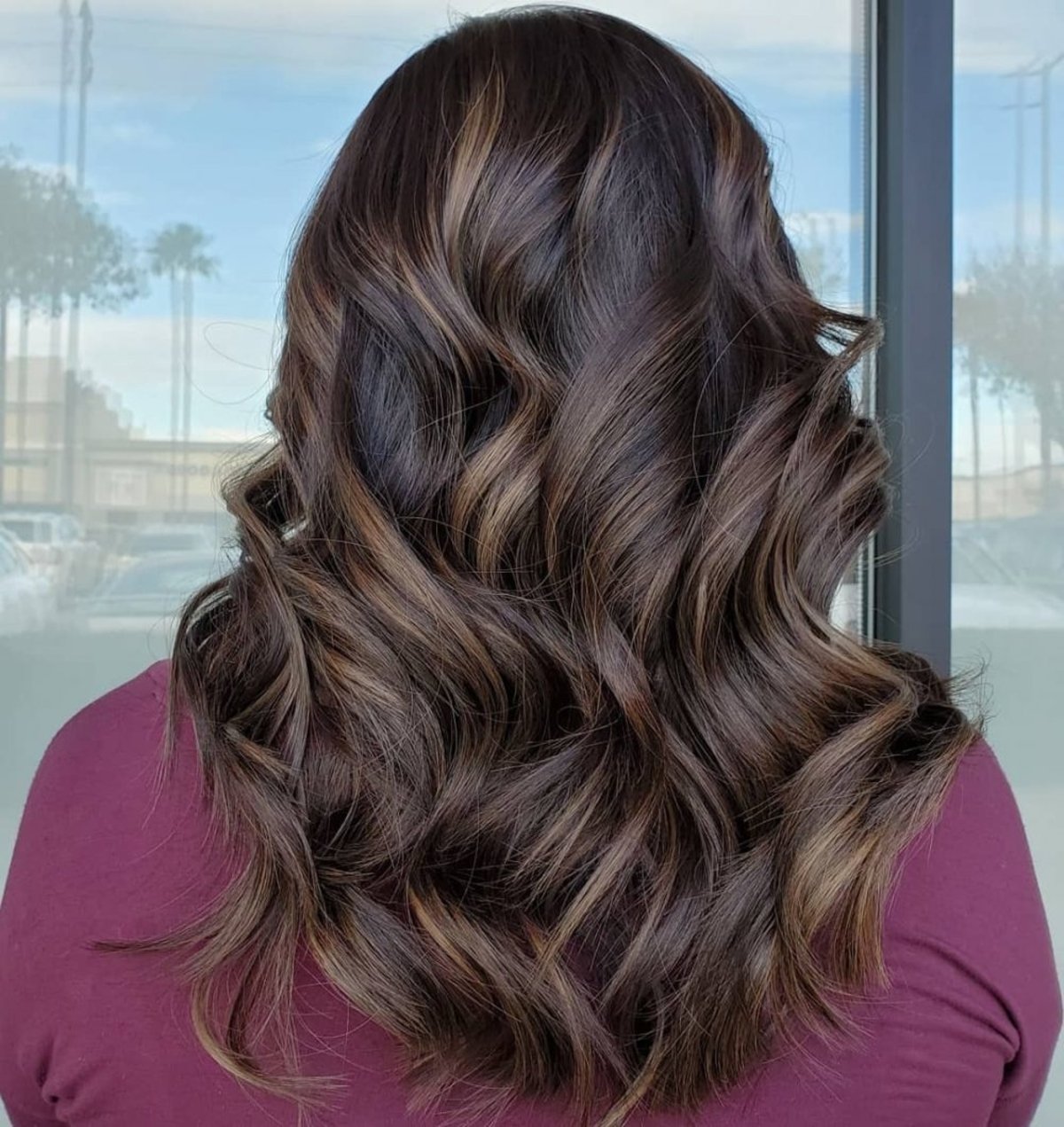
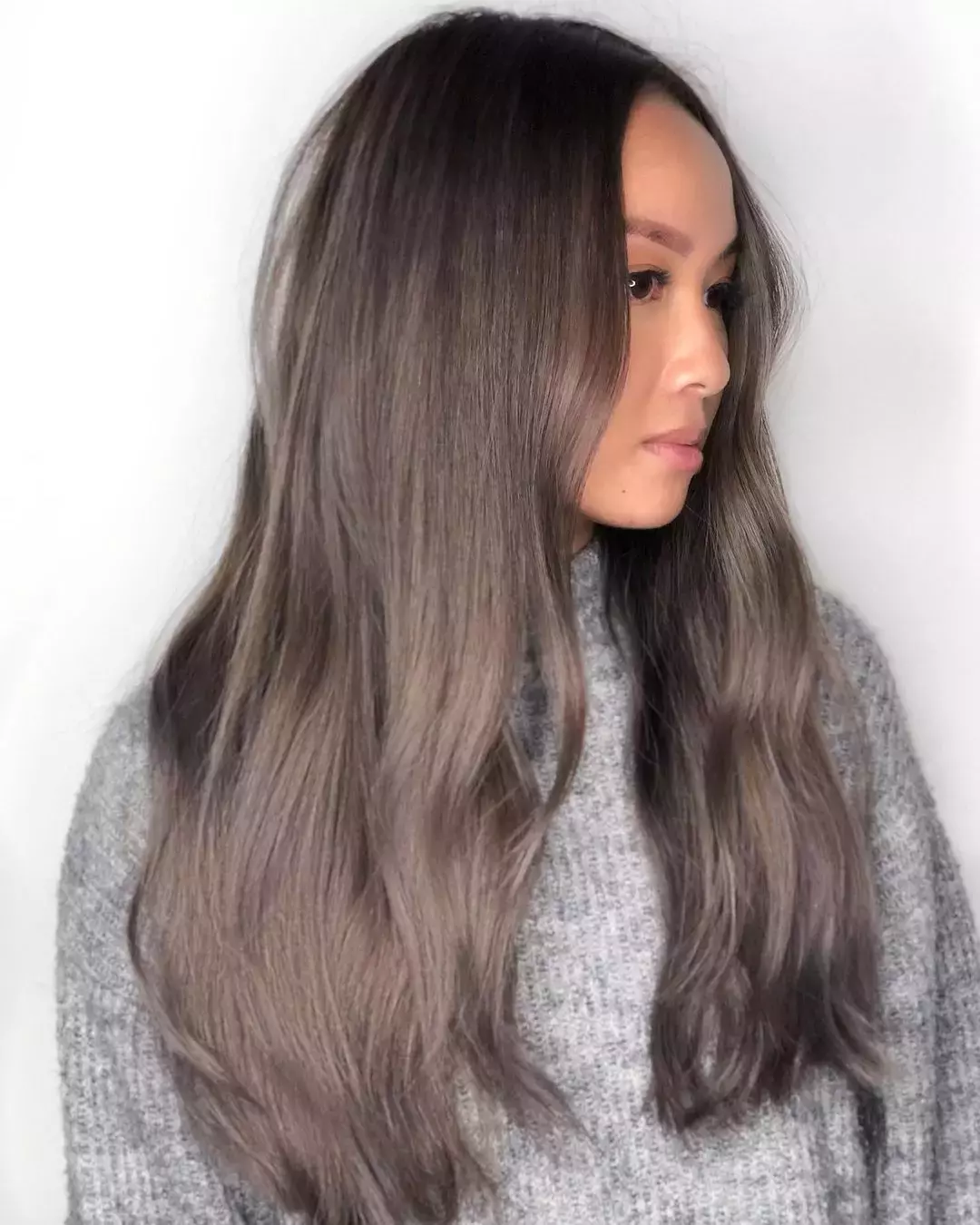
Ash brown hair is a cool-toned shade of brown color infused with smokey grey, blue, or green undertones designed to neutralize warm, reddish, or brassy hues. Spanning from Level 4 Dark Ash Brown to Level 6 Light Ash Brown, this dimensi...
Ash brown hair is a cool-toned shade of brown color infused with smokey grey, blue, or green undertones designed to neutralize warm, reddish, or brassy hues. Spanning from Level 4 Dark Ash Brown to Level 6 Light Ash Brown, this dimensional shade delivers a matte, low-shine finish that flatters cool, olive, and neutral skin tones.
Contents
Understanding Ash Brown: Tone Science and Color Level Fundamentals
Achieving the perfect ash brown requires an understanding of trichology, color theory, and the International Hair Color Level System. Unlike warm brown shades—such as chestnut, caramel, or chocolate—which contain heavy golden, red, or warm copper pigments, ash brown relies strictly on cool primary and secondary tones.
Hair color is classified on a depth scale from Level 1 (Jet Black) to Level 10 (Lightest Platinum Blonde). Ash brown occupies Levels 4 through 6:
- Level 4 (Dark Ash Brown): A deep charcoal-tinted espresso shade. It requires blue-green undertones to counteract the strong natural red-orange underlying pigment present at Level 4.
- Level 5 (Medium Ash Brown): The quintessential ash shade, balancing deep smokey tones with visible brown depth. It utilizes blue-ash pigments to suppress underlying pure orange pigments.
- Level 6 (Light Ash Brown): A bright, cool brown shade bordering on dark ash blonde. It requires violet-blue or green-blue ash undertones to neutralize yellow-orange pigments.
The key challenge when formulating ash brown lies in underlying warm pigments (pheomelanin). Every natural hair strand contains warm natural undertones that are exposed whenever hair color is lifted with developer. When lifting dark brown hair, the underlying red and orange pigments naturally reveal themselves. Ash hair dyes use complementary colors on the color wheel—blue to cancel orange, green to cancel red, and violet to cancel yellow—to strip away warmth, leaving a subdued, matte surface reflection.
Because cool dye molecules (particularly blue and green pigments) have a smaller physical molecular size than warm red and yellow molecules, they penetrate deeply into the cortex but can also wash out more rapidly if the hair cuticle is porous or damaged. Maintaining structural hair integrity is vital for pigment retention.
Professional Formulation Rule Always determine the client's starting level and underlying pigment before selecting an ash tone. If attempting to lift hair by more than two levels, a stronger cool base (such as an intense ash or double-ash series like .11 or .AA) must be selected to offset the warm underlying pigments revealed during oxidation.
Matching Ash Brown to Skin Undertones and Eye Colors
While ash brown is exceptionally versatile, matching the correct depth and tonal sub-base (blue-ash vs. green-matte ash vs. violet-ash) to skin undertones prevents a washed-out or muted appearance.
Cool Skin Undertones
Individuals with pink, red, or bluish undertones in their skin, often accompanied by blue, grey, or dark cool brown eyes, harmonize naturally with ash brown. The smokey qualities of Level 5 and Level 6 light ash brown draw out radiance in cool complexions while neutralizing any unwanted flushness in the cheeks.
Olive Skin Undertones
Olive complexions carry natural greenish or yellowish undertones. Standard green-based ash colors can make olive skin appear yellow or tired. For olive skin tones, a violet-ash brown or smokey grey-ash brown (combining cool ash with subtle iridescent violet) is optimal. The violet neutralizes yellow surface tones in the skin, providing a bright, clean frame for the face.
Warm Skin Undertones
Peachy, golden, or deep bronze skin tones feature warm underlying tones. While a heavy, dark ash brown can create sharp contrast against warm skin, a mushroom ash brown (a balanced mix of cool ash and neutral beige) bridges the gap. Pure ash brown on overly warm skin creates a high-contrast aesthetic that requires deliberate makeup choices to balance.
Complete Comparison Matrix: Ash Brown Hair Shades and Base Formulations
The table below outlines technical formulation parameters across different ash brown depths, detailing underlying pigments, color wheel correctors, and recommended developer strengths.
| Shade Name | Color Level | Underlying Natural Pigment | Complementary Corrective Tone | Developer Strength (Virgin Base) | Maintenance Refresher Cycle |
|---|---|---|---|---|---|
| Dark Ash Espresso | Level 4 | Deep Red-Orange | Green-Blue (.13 / .A) | 10 Vol (Deposit) or 20 Vol (1 Level Lift) | Every 6 to 8 Weeks |
| Medium Smokey Ash | Level 5 | Pure Orange | True Blue / Slate Grey (.11 / .AA) | 20 Vol (1–2 Levels Lift) | Every 4 to 6 Weeks |
| Light Mushroom Brown | Level 6 | Yellow-Orange | Violet-Blue (.12 / .AV) | 20 Vol or 30 Vol (Lift dependent) | Every 4 Weeks |
| Icy Hazelnut Ash | Level 5.5 | Orange-Gold | Ash-Beige / Pearl (.18 / .AP) | 20 Vol | Every 5 to 6 Weeks |
| Matte Deep Mocha | Level 4.5 | Dark Red | Pure Matte Green (.07 / .G) | 10 Vol or 20 Vol | Every 6 Weeks |
Professional vs. At-Home Application: Step-by-Step Guide
Transforming warm or virgin hair into a cool ash brown requires precise step-by-step execution to prevent brassiness, patchy tone distribution, or over-darkening.
Step 1: Base Assessment and Clarification
Begin by evaluating the starting base. If the hair contains pre-existing dark artificial dye, direct application of ash brown dye will not lighten it, as color cannot lift color. A light color-stripping service or mild bleach bath (clarifying powder with 10-volume developer) is required first to strip legacy artificial warm tones. If the hair is virgin, proceed directly to strand testing.
Perform a strand test on a hidden section of hair. This step confirms developer strength, processing time, and checks if the selected ash tone produces an overly green or muddy result on lighter sections.
Step 2: Formulation Selection
Select your developer strength based on target lift:
- 10-Volume (3% peroxide): Used for deposit-only coloring, darkening existing light hair, or toning previously lightened hair without lifting natural pigment.
- 20-Volume (6% peroxide): Standard choice for lifting natural hair 1 to 2 levels while depositing ash pigment, or for covering stubborn grey hair.
- 30-Volume (9% peroxide): Reserved for lifting virgin dark brown hair 3 levels up to a Light Ash Brown (Level 6), though this exposes significant orange undertones requiring a heavy ash booster.
Step 3: Application Technique
Divide dry, unwashed hair into four distinct quadrants (front right, front left, back right, back left).
- For Virgin Hair: Apply the mix starting 1/2 inch away from the scalp down through the mid-lengths and ends. The heat from the scalp speeds up processing, so root application occurs last during the final 15–20 minutes to avoid a "hot root" (where roots turn brighter or warmer than the ends).
- For Touch-Ups / Pre-Colored Hair: Apply the formula exclusively to the regrown roots first. Process for 20 minutes, then pull a diluted, gloss version of the ash tone through the mid-lengths and ends for the remaining 10 minutes to refresh color without causing structural pigment build-up.
Step 4: Timing and Acidic Rinsing
Allow the hair color to process for the full duration specified by the color manufacturer (typically 35 to 45 minutes). Rinsing prematurely leaves processing incomplete, stopping the action after the warm undertones have lifted but before the cool ash pigments have fully oxidized into the cortex.
Rinse thoroughly with tepid water until clear. Apply a pH-balancing post-color sealer or acidic bonding treatment (pH 3.5–4.5) to instantly close the cuticle scale, locking cool blue and grey pigments securely inside the hair shaft.
Maintenance and Longevity Protocol: Keeping Ash Brown Cool
Ash brown pigments fade faster than warm tones due to environmental oxidizers, washing habits, and thermal styling. Implementing a targeted maintenance routine preserves cool tones between coloring sessions.
Blue Shampoo vs. Purple Shampoo Optimization
Understanding pigment neutralization is critical for post-color home care:
- Use Blue Shampoo for Ash Brown: Blue pigment sits directly opposite orange on the color wheel. Because brown hair fades into orange or reddish-orange brassiness, blue-pigmented shampoos and conditioners are essential for maintaining ash brown hair. Use once per week.
- Avoid Excessive Purple Shampoo: Purple shampoo is formulated with violet pigments designed to neutralize bright yellow tones in blonde hair. On brown hair, purple shampoo lacks sufficient depth to cancel strong orange brassiness.
Thermal and Environmental Protection
Direct heat breaks down cool synthetic color molecules rapidly. When using hot styling tools (curling irons, straighteners), cap the temperature at 350°F (175°C) and apply a silicone- or polymer-based thermal protectant spray.
UV radiation oxidizes hair melanin and artificial dyes, causing cool ash brown to shift toward warm copper. Apply UV-filtering leave-in conditioners during extended sun exposure, and install a shower head filter if living in an area with hard water, as calcium and iron deposits accelerate color degradation.
In-Salon Gloss Maintenance Routine Schedule an acidic ash glaze or gloss treatment every 4 weeks. These non-lifting, deposit-only glosses restore smokey ash tones, fill porous cuticle gaps, and add intense shine without causing structural damage to the hair shaft.
Common Ash Brown Mistakes and Troubleshooting
Even with precise application, chemical variables can cause tone shifts. Here is how to diagnose and correct common ash brown color issues.
1. Hair Appears "Muddy" or Green
- Cause: Applying a blue-green based ash dye over hair that has been lightened to a yellow or pale yellow state. Green ash mixed with yellow hair creates a noticeable swampy green cast.
- Solution: Perform a warm tonal fill. Apply a semi-permanent copper or warm gold gloss for 5 to 10 minutes to reintroduce warm missing base pigments, bringing the hair back to a clean, smokey neutral brown.
2. Hair Fades to Brassy Orange Within Two Weeks
- Cause: Under-formulation of cool tones or using an under-strength developer that lifted warm natural pigments without depositing enough cool ash dye. High-porosity hair also sheds ash molecules rapidly.
- Solution: Apply a deposit-only Level 5 or Level 6 blue-based tone mixed with a 10-volume developer or acidic color gloss. Transition to sulfate-free, color-safe shampoos and incorporate a weekly blue toning mask.
3. Roots Are Brassy While Ends Are Cool ("Hot Roots")
- Cause: Scalp heat accelerated the developer action on virgin roots, lifting them faster than the rest of the hair shaft, or an overly warm developer (like 30-volume) was used directly on the scalp.
- Solution: Apply a targeted root-shadow formula using a deposit-only cool ash brown tone one level darker than the rest of the hair, mixed with a 6-volume or 10-volume developer, for 15 minutes.
Frequently Asked Questions About Ash Brown Hair
What is the main difference between ash brown and chocolate brown hair?
Ash brown contains cool grey, blue, or green undertones that eliminate brassiness and give a muted, smokey appearance. Chocolate brown relies on warm golden, red, and mahogany undertones that reflect light with warm radiance.
Can I achieve ash brown hair at home without bleach?
Yes, if your starting hair color is virgin medium-to-light brown or dark blonde, you can achieve ash brown without bleach using high-lift cool ash dyes. However, if your hair is currently dyed dark brown or black, a mild lightener or color remover is necessary to lift legacy dark pigments before applying ash tones.
Should I use blue shampoo or purple shampoo for ash brown hair?
You should use blue shampoo for ash brown hair. Blue pigments counteract the orange and red-orange brassy tones that naturally emerge as brown hair dye fades, whereas purple shampoo is designed specifically to neutralize pale yellow tones in blonde hair.
Will ash brown hair cover grey hair completely?
Pure ash tones can sometimes make grey hair look translucent or slightly green due to the absence of natural warm underlying pigments in white hair. To fully cover grey hair, mix equal parts of a Natural (.0 or N) base shade with your chosen Ash (.1 or A) shade using a 20-volume developer.
Why does ash brown hair look darker than warm brown hair at the same level?
Cool pigments reflect less light than warm pigments, making ash shades visually absorb light and appear about half a level darker to the human eye than warm golden or reddish brown shades at the exact same depth level.
Professional Color Care Recommendation
Achieving a refined ash brown hair color relies on evaluating underlying hair pigments, selecting precise developer strengths, and using proper tone-correcting bases. To protect your cool ash investment, use sulfate-free cleansing systems, apply blue toning conditioners weekly, and apply a gloss refresher every 4 to 6 weeks to keep your shade vibrant and brass-free.
Image Gallery