Navigating Metro Delay DC: Real-Time Updates, System Challenges, and Commuter Strategies for 2026
Dealing with a metro delay in Washington, D.C. can completely derail your morning commute, disrupt transit schedules, and impact your workday across the region. Managing these disruptions effectively requires a solid grasp of live trac...
Dealing with a metro delay in Washington, D.C. can completely derail your morning commute, disrupt transit schedules, and impact your workday across the region. Managing these disruptions effectively requires a solid grasp of live tracking resources, alternative transit options, and the structural causes behind the delays on the Metrorail network managed by the Washington Metropolitan Area Transit Authority (WMATA).
Contents
Understanding the Anatomy of Washington D.C. Metrorail Disruptions
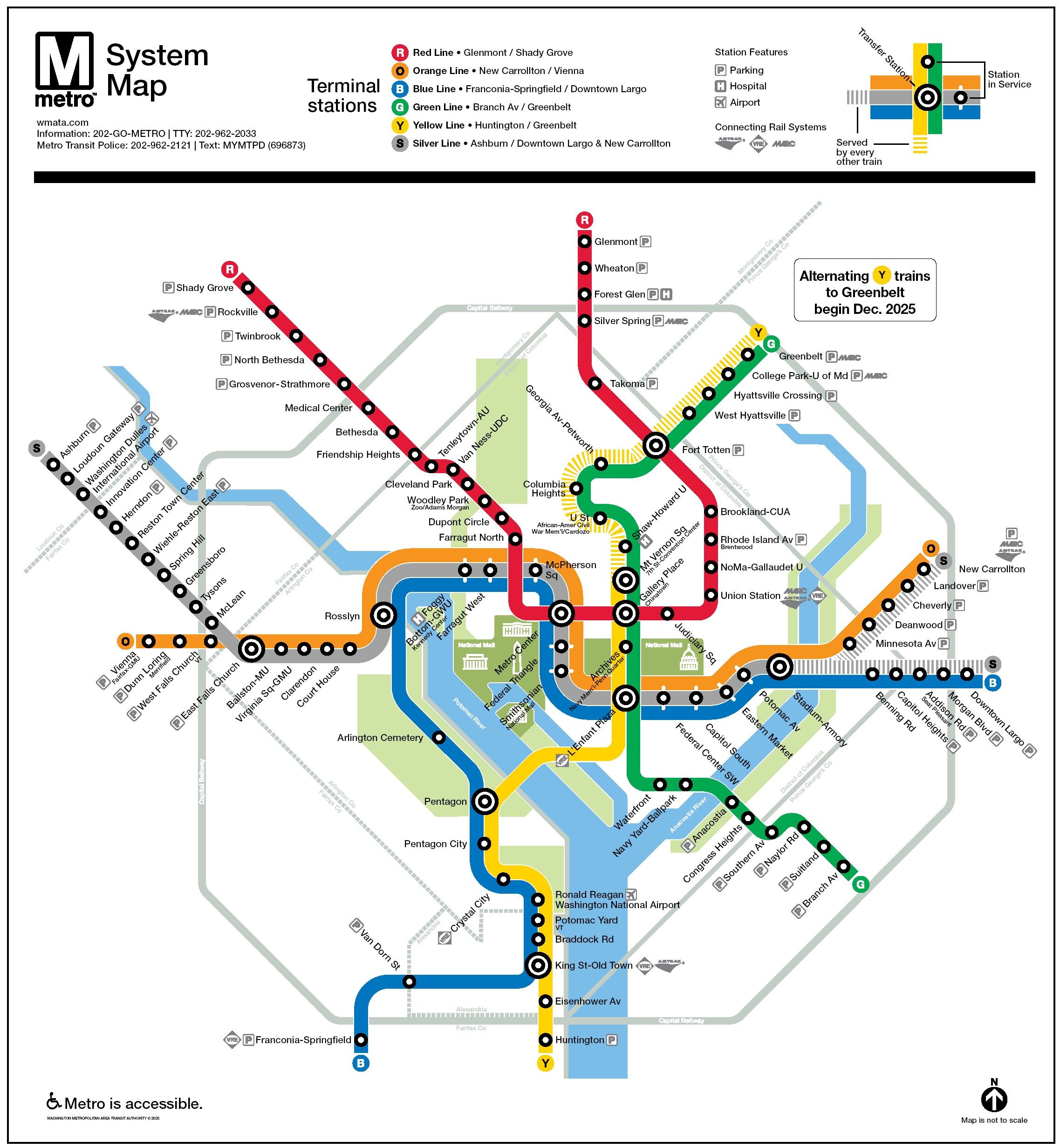
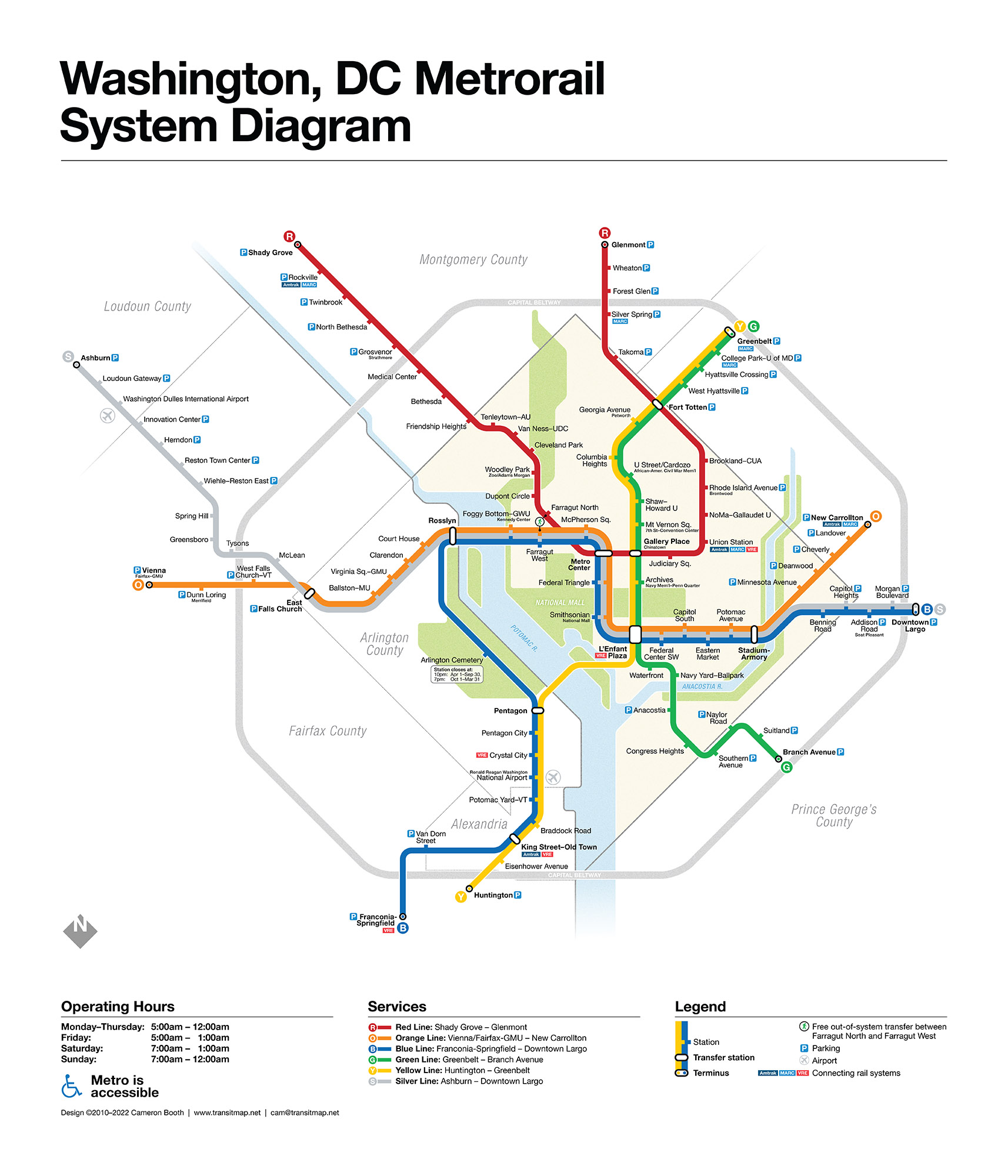
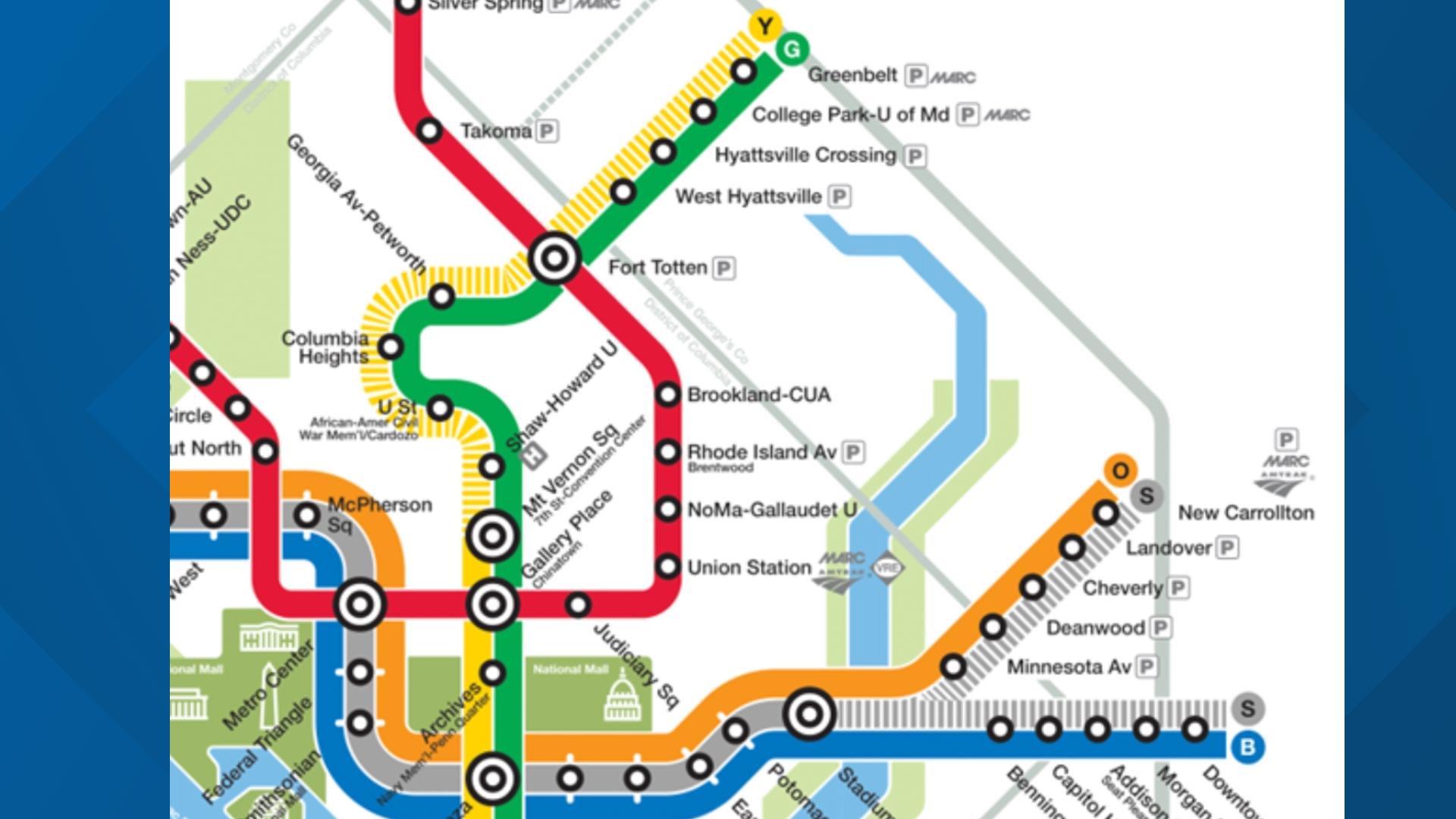
The Washington, D.C. Metrorail system operates six color-coded lines spanning nearly 130 miles with 98 stations across the District of Columbia, Maryland, and Virginia. When a disruption occurs, it rarely stays isolated to a single station. Due to the high interlining of tracks and the centralized nature of the core trunk lines—such as the Blue, Orange, and Silver lines sharing the Foggy Bottom to Rosslyn corridor—a minor signal failure or train malfunction in one jurisdiction can quickly cascade system-wide.
Commuters must distinguish between various types of disruptions. Signal issues, rail adhesion problems during autumn leaf falls or winter icing, mechanical track maintenance overruns, and power outages each manifest differently on the system. Understanding these root causes helps passengers evaluate whether to wait out a minor delay or immediately execute an alternative transit contingency plan.
- Signal and Power Failures: Often require single-tracking, which drastically reduces train frequency and causes significant bunching.
- Mechanical Train Failures: Require offloading passengers between stations, leading to single-tracking or temporary line suspensions.
- Track Maintenance Overruns: Scheduled overnight work that occasionally runs past the morning opening time, resulting in severe speed restrictions.
- Police or Medical Emergencies: Unpredictable events that prompt WMATA to hold trains or shut down power to specific platform zones.
Essential Tools and Channels for Real-Time Metro Delay Tracking
Waiting passively on a crowded platform without verified information is the worst approach to a transit delay. WMATA provides several official channels, but savvy commuters often combine these with third-party verification tools to get an accurate picture of transit health before even leaving their homes or offices.
Relying solely on platform announcements can leave you stranded because station speakers often experience audio distortion or lag behind real-time control room decisions. Utilizing a multi-layered information strategy ensures you can pivot your route before entering the fare gates.
| Information Source | Primary Utility | Accuracy & Latency |
|---|---|---|
| Official WMATA MetroHero / App | Direct push notifications for service advisories. | High accuracy; low latency for official alerts. |
| Official X (formerly Twitter) Accounts | Real-time operational updates (@MetrorailInfo). | High accuracy; moderate latency during major flash events. |
| Third-Party Transit Apps (Citymapper, Transit) | Dynamic routing and crowdsourced delay reports. | High utility for alternative bus connections. |
| Station Platform PIDs (Passenger Information Displays) | Next-train arrival times and live system banners. | High proximity accuracy; prone to clearing slowly after a sudden hold. |
Step-by-Step Contingency Playbook for Major System Delays
When a major delay strikes your line during peak hours, having a pre-determined evacuation and rerouting strategy prevents panic and minimizes lost time. Executing these steps systematically allows you to bypass bottlenecks before getting trapped underground.
Commuter Preparedness Rule Always maintain a loaded SmarTrip card or mobile wallet equivalent with sufficient funds to cover multi-modal transfers, and keep regional bus route maps downloaded for your specific commute corridor.
- Assess the Severity: Check official social media feeds and third-party apps to determine if the delay is a brief holding pattern (under 10 minutes) or a sustained disruption involving single-tracking or line suspension.
- Evaluate Station Exit Options: If you are already underground and the train has been stationary for more than ten minutes without explanation, check with the station manager regarding fare gate exits if you choose to abandon the system.
- Pivot to Metrobus Alternatives: Identify parallel Metrobus routes that cover your exact corridor. For example, the 16 series buses or downtown DC circulator routes often mirror heavy rail lines during disruptions.
- Utilize Rideshare or Micro-Mobility Wisely: If bus lines are overwhelmed, consider using bikeshare docks (Capital Bikeshare) or electric scooters for the final or intermediate leg of your journey, avoiding surface-street gridlock where possible.
- Notify Your Workplace: Send a proactive update to your employer citing specific WMATA advisory notices if your transit window is severely compromised.
Comparative Analysis: Metrorail vs. Alternative Commuting Modes During Delays
When the Metrorail system experiences prolonged disruptions, commuters are forced to weigh the efficiency of rail against other regional transit modes. Each alternative comes with distinct cost, time, and reliability trade-offs.
Metrorail Delay Encountered | +---> Option A: Metrobus (Cost-Effective, slower in surface traffic) +---> Option B: Capital Bikeshare / Scooter (High flexibility, weather dependent) +---> Option C: Rideshare / Taxi (High cost, subject to surge pricing & bridge traffic) +---> Option D: Commuter Rail - MARC / VRE (High speed, fixed infrequent schedules)
During severe single-tracking events, buses often become packed to capacity near major transfer hubs like Metro Center, L'Enfant Plaza, or Rosslyn. Conversely, micro-mobility options offer predictable travel times over short distances, bypassing vehicular traffic jams entirely.
Mitigating Delays: WMATA's Ongoing Infrastructure Investments
WMATA continues to execute capital improvement programs aimed at reducing the frequency and severity of delays. Modernizing the legacy signal systems, replacing aging railcar fleets (such as the introduction of the 8000-series cars), and conducting continuous preventive track maintenance are central to these long-term efforts.
However, commuters must balance expectations against the reality of an aging urban transit network. Planned weekend track work, while inconvenient in the short term, remains critical for preventing catastrophic mid-week mechanical failures. Checking the weekend service advisory before planning leisure travel across the D.C., Maryland, and Virginia footprint prevents unexpected disruptions.
Frequently Asked Questions Regarding Metro Delays in D.C.
How do I check for live metro delays in Washington D.C.?
You can check live delays by monitoring the official WMATA service advisory page, checking the @MetrorailInfo feed on X, or using real-time transit applications like Citymapper or Transit that aggregate live vehicle positioning and user reports.
Are refunds issued by WMATA for severe delays?
WMATA does not typically issue cash or credit refunds for standard delays, but they do offer a Guarantee program for specific circumstances or provide official delay verifications that commuters can present to their employers.
What should I do if I get stuck on a train between stations?
Remain calm, stay seated, and listen carefully to instructions broadcast by the train operator or transit police. Never attempt to pry open doors or walk onto the tracks unless explicitly directed and escorted by emergency personnel.
How do single-tracking delays impact travel times?
Single-tracking forces trains in both directions to share a single rail line, which cuts line capacity in half and typically adds 15 to 30 minutes or more to standard journey times.
Are bikes allowed on the Metro during rush hour delays?
Standard rules permit bicycles on trains at all times except during weekday peak hours (7:00 AM – 10:00 AM and 4:00 PM – 7:00 PM), though operational adjustments during severe emergencies may temporarily alter bike accessibility.
Practical Commuter Recommendation
Always check the active status board before tapping through the fare gates, and maintain a secondary transit app on your mobile device to ensure you can instantly pivot to bus or micro-mobility options when a major metro delay strikes the Washington, D.C. network.
Image Gallery