Comprehensive Guide to Maine Life Insurance Laws and Rules for Exam Preparation
To master the Maine life insurance producer exam in 2026, candidates must navigate the specific statutes found in Title 24-A of the Maine Revised Statutes. This guide synthesizes the essential laws, licensing requirements, and consumer...
To master the Maine life insurance producer exam in 2026, candidates must navigate the specific statutes found in Title 24-A of the Maine Revised Statutes. This guide synthesizes the essential laws, licensing requirements, and consumer protections—frequently categorized in study aids like Quizlet—to ensure a thorough understanding of the regulatory environment managed by the Maine Bureau of Insurance.
Contents
The Regulatory Framework: The Maine Bureau of Insurance
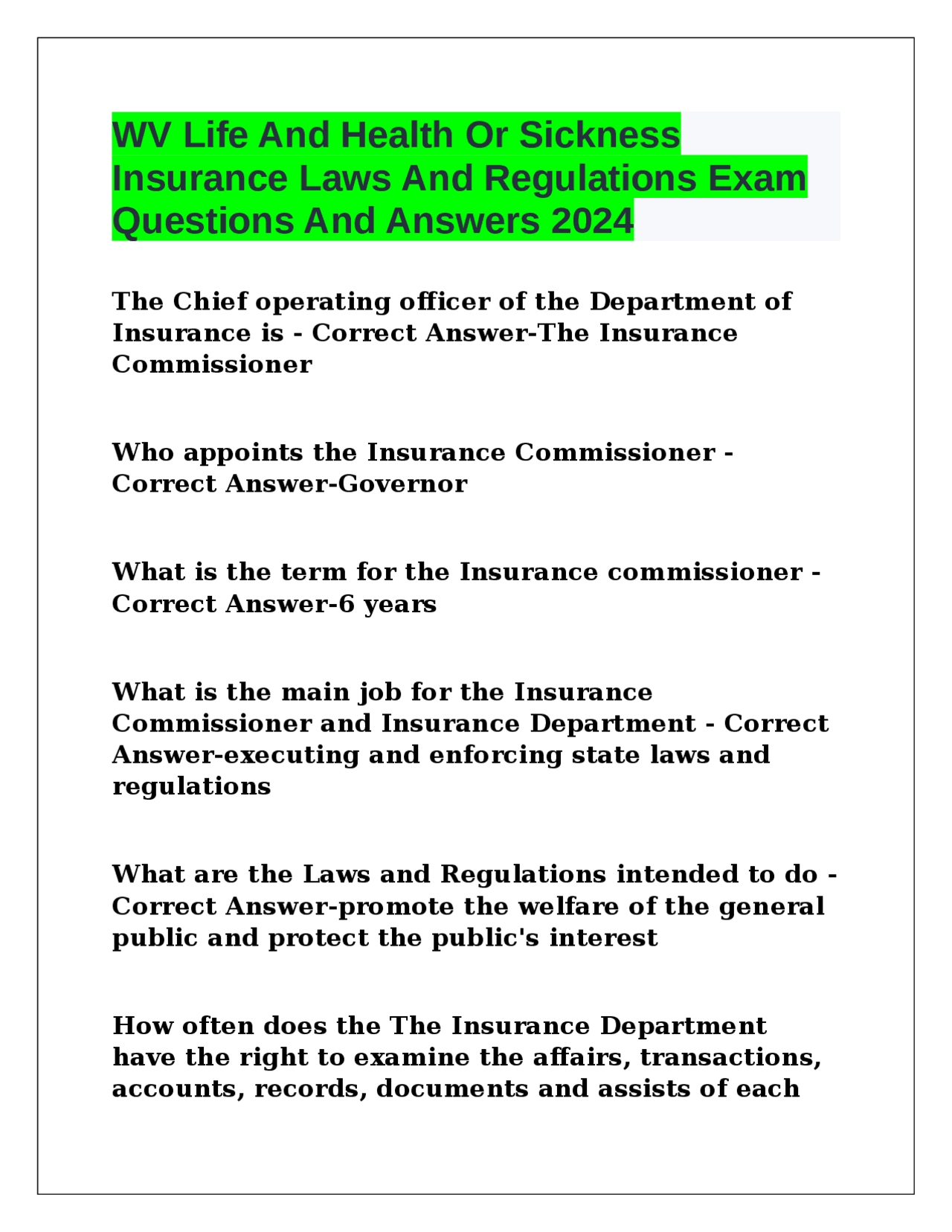
As of 2026, the Maine Bureau of Insurance (BOI), a division of the Department of Professional and Financial Regulation, remains the primary regulatory body for all insurance activities within the state. The Bureau is headed by the Superintendent of Insurance, an official appointed to oversee the execution of state insurance laws. It is critical to understand that while the Superintendent does not write the laws—that is the role of the Maine State Legislature—they have broad authority to issue rules and regulations to enforce them.
Powers of the Superintendent
The Superintendent’s primary mandate is the protection of the public interest. To achieve this, the Superintendent has the authority to conduct examinations of insurers and producers. Under Maine law, the Superintendent must examine every domestic insurer at least once every five years. Furthermore, if a producer is suspected of violating Maine’s insurance code, the Superintendent can hold hearings.
When a violation is confirmed, the Superintendent can issue a Cease and Desist Order. In 2026, administrative penalties for violating Maine insurance laws can reach up to $500 per violation for an individual and up to $5,000 for a corporation, though these amounts can be higher if the violation was willful or part of a consistent pattern of unfair trade practices.
Licensing Requirements and Maintenance in 2026
To legally solicit, negotiate, or sell life insurance in Maine, an individual must hold a valid producer license. The licensing process is designed to ensure that only competent and ethical individuals represent the insurance industry.
Prerequisites for Licensing
A candidate must meet several basic criteria to qualify for a life insurance producer license in Maine:
- Age: The applicant must be at least 18 years of age.
- Competency: The applicant must pass the state-proctored examination, demonstrating knowledge of both general life insurance concepts and Maine-specific laws and rules.
- Character: The applicant must not have committed any act that is a ground for denial, suspension, or revocation under Maine law (e.g., felony convictions involving breach of trust).
Continuing Education (CE) Requirements
Once licensed, a producer must maintain their expertise through mandatory Continuing Education. In Maine, producers are required to complete 24 hours of CE every two-year reporting period. At least 3 hours of these credits must specifically cover ethics. Failure to meet these requirements by the renewal deadline can lead to the automatic termination of the license.
Administrative Notifications
Producers are under a legal obligation to keep the Bureau of Insurance informed of their current status. Under Title 24-A, a producer must notify the Superintendent within 30 days of any change in:
- Legal name.
- Residential or business address.
- Email address.
- Criminal convictions or administrative actions taken in other jurisdictions.
Mandatory Maine Life Insurance Policy Provisions
Maine law mandates that all life insurance policies issued in the state contain specific provisions designed to protect policyholders from unfair treatment. These are the core concepts often found in high-level "Maine laws and rules life insurance Quizlet" sets.
The Entire Contract Provision
This provision states that the policy, including the application (if attached) and any riders, constitutes the entire agreement between the insurer and the policyowner. No changes to the policy are valid unless approved by an executive officer of the insurance company and attached to the policy in writing. Agents or producers do not have the authority to alter or waive any policy provisions.
The Incontestability Clause
Maine law requires an incontestability clause, which prevents the insurer from challenging the validity of the policy after it has been in force for two years during the insured’s lifetime. The only major exceptions to this rule are the non-payment of premiums or, in some specific instances, extreme fraud.
The Grace Period
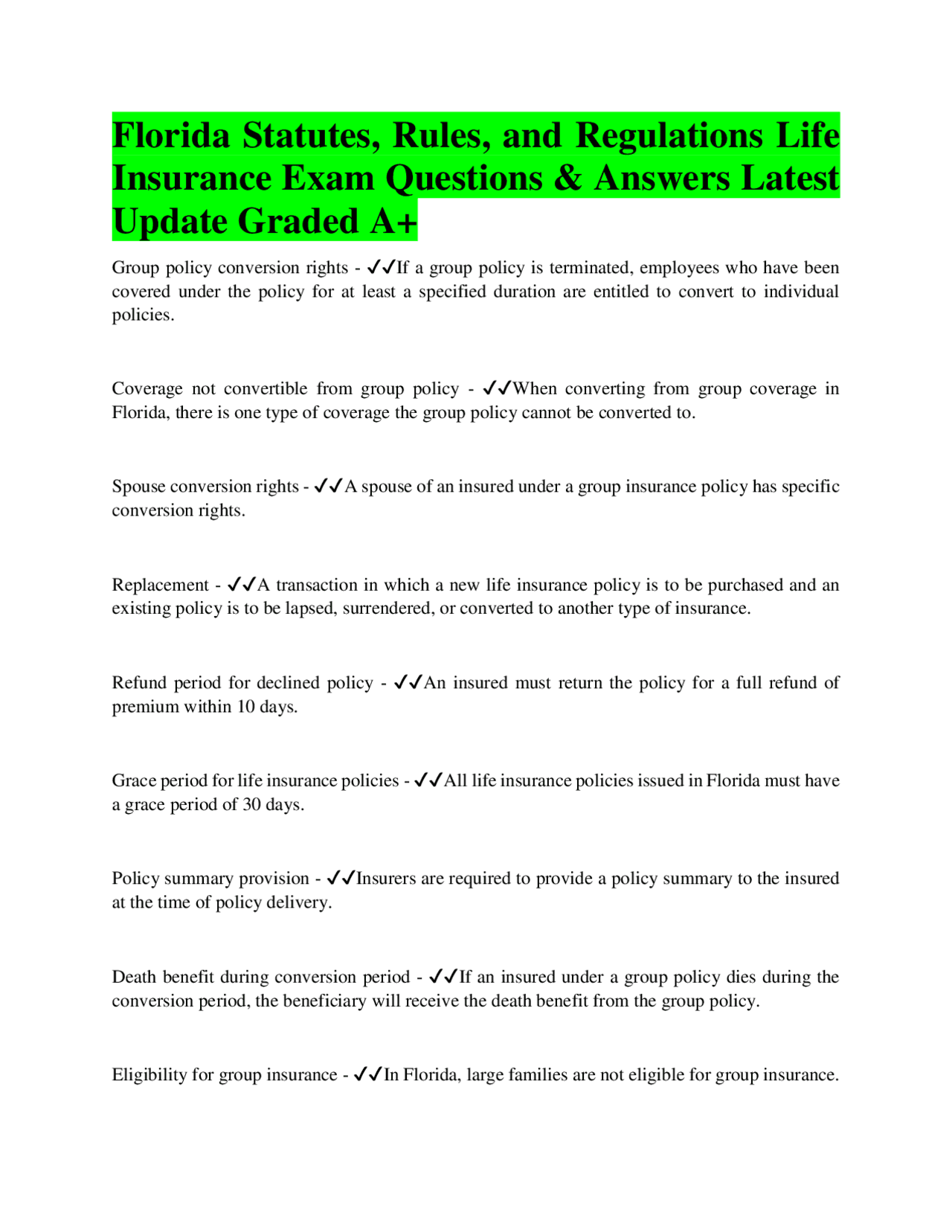
The grace period is a safety net for policyholders who miss a premium payment. In Maine, the standard grace period for life insurance is 30 days (or one month). If the insured dies during the grace period, the insurer must pay the death benefit, though they may deduct the overdue premium from the final payout.
Reinstatement Requirements
If a policy lapses due to non-payment, Maine law allows the policyowner to reinstate the policy within a specific timeframe (usually three years). To reinstate, the owner must:
- Provide evidence of insurability (a new medical exam).
- Pay all back premiums plus interest.
- Repay any outstanding policy loans.
Free Look Period
The "Free Look" or "Right to Examine" provision allows a new policyowner a set number of days to review the policy and return it for a full refund of all premiums paid if they are dissatisfied for any reason. In Maine, the standard free look period is 10 days from the date of delivery. However, if the policy is a replacement of an existing policy, the free look period is extended to 20 or 30 days, depending on the insurer's specific filing and the type of contract.
| Provision | Maine Requirement (2026) | Purpose |
|---|---|---|
| Grace Period | 30 Days | Prevents immediate lapse if a premium is missed. |
| Incontestability | 2 Years | Protects the beneficiary from claims denials for old errors. |
| Free Look | 10 Days (Standard) | Allows a "trial period" for the consumer to cancel. |
| Reporting Changes | 30 Days | Keeps state records accurate for producer contact. |
| CE Credits | 24 Hours / 2 Years | Ensures ongoing professional competence and ethics. |
| Suicide Clause | 2-Year Maximum | Limits the insurer's liability for self-inflicted death early in the policy. |
Unfair Trade Practices and Marketing Standards
Maine strictly regulates how insurance products are marketed and sold to prevent deceptive practices. Understanding these terms is vital for both the exam and ethical practice.
Misrepresentation and False Advertising
It is illegal to make any statement that misrepresents the benefits, advantages, conditions, or terms of any insurance policy. This includes making false or misleading statements about the financial condition of an insurer.
Twisting and Churning
- Twisting: This occurs when a producer makes a misleading comparison of policies to induce a policyholder to lapse, forfeit, or surrender an existing policy and replace it with a new one from a different company.
- Churning: Similar to twisting, but the replacement occurs within the same insurance company, usually solely to generate additional commissions for the producer without a tangible benefit to the client.
Rebating
Rebating is the practice of offering a prospect an inducement to purchase insurance that is not specified in the policy. This includes sharing commissions with the applicant or offering gifts of significant value (usually exceeding $25-$50 depending on specific annual Bureau thresholds). Rebating is illegal in Maine because it creates an uneven playing field and can lead to unfair discrimination among policyholders.
Defamation
Producers are prohibited from making any oral or written statement that is false or maliciously critical of the financial condition of an insurer or the character of a competing producer.
Replacement Regulations
When a new life insurance policy is intended to replace an existing one, Maine law requires strict adherence to the Replacement Rule. The goal is to ensure that the consumer has all the facts necessary to make an informed decision, as replacing a policy can often result in higher premiums, a new contestability period, and the loss of accumulated cash values.
- Producer Duties: The producer must provide the applicant with a "Notice Regarding Replacement" and a signed statement indicating whether the replacement is occurring.
- Insurer Duties: The replacing insurer must notify the existing insurer of the proposed replacement within a specified timeframe (typically 3-5 business days) to allow the original company an opportunity to provide a "conservation" offer to the client.
Maine Life and Health Insurance Guaranty Association
The Maine Life and Health Insurance Guaranty Association provides a safety net for Maine residents if their insurance company becomes insolvent (bankrupt). All insurers authorized to sell life and health insurance in Maine must be members of this association as a condition of their authority to do business.
Coverage Limits
It is important to note that the Guaranty Association does not provide unlimited coverage. In 2026, the typical limits for life insurance are:
- $300,000 in life insurance death benefits.
- $100,000 in net cash surrender or withdrawal values.
Prohibited Practice: It is an unfair trade practice for a producer to use the existence of the Guaranty Association as a selling point or an inducement to purchase insurance. Consumers should buy insurance based on the strength of the company, not the state safety net.
Frequently Asked Questions
What is the minimum age to get a life insurance license in Maine?
In accordance with Maine Revised Statutes Title 24-A, an applicant must be at least 18 years old to be eligible for an insurance producer license.
How long do I have to report a change of address to the Superintendent?
You must notify the Maine Bureau of Insurance of any change in your residential, business, or email address within 30 days of the change. This can typically be done through the NAIC's Gateway or the Bureau's online portal.
What is the difference between twisting and rebating on the Maine exam?
Twisting involves using misrepresentation to trick a client into replacing a policy. Rebating involves giving the client a financial "kickback" or gift (outside the policy terms) to persuade them to buy the policy. Both are illegal in Maine.
Is the "Free Look" period longer for replaced policies?
Yes. While the standard free look period is 10 days, Maine law generally extends this to 20 or 30 days when a policy is being replaced, giving the consumer more time to compare the old and new coverage.
How many ethics credits are required for license renewal in Maine?
Out of the 24 required continuing education (CE) hours every two years, at least 3 hours must be dedicated to an approved ethics course.
Summary and Recommended Actions
Mastering Maine's life insurance laws requires a focus on consumer protection and administrative compliance. For those using study tools like Quizlet, ensure the data aligns with Title 24-A and the 2026 standards of the Maine Bureau of Insurance.
Next Steps for Candidates:
- Verify Your Study Materials: Ensure any Quizlet sets or prep books are updated for the 2026 exam cycle, specifically regarding penalty amounts and CE requirements.
- Focus on Timeframes: Memorize the common "day" counts (30 days for address changes, 10 days for free look, 2 years for incontestability).
- Review Replacement Rules: Understand the specific forms and notifications required when a client switches policies, as this is a heavily tested area.
- Consult the Bureau: For the most current bulletins and regulatory changes, visit the Maine Bureau of Insurance official website.
Image Gallery