The Golden Era of Nickelodeon from the 90s: Defining a Generation of Television
Nickelodeon from the 90s represents a revolutionary epoch in children's television characterized by creator-driven animation, live-action sketch comedy, and a subversive attitude that directly respected its young audience. This era est...
Nickelodeon from the 90s represents a revolutionary epoch in children's television characterized by creator-driven animation, live-action sketch comedy, and a subversive attitude that directly respected its young audience. This era established the foundational identity of the network, blending gross-out humor, innovative game shows, and sophisticated storytelling that continues to influence modern entertainment culture.
Contents
The Genesis of Nicktoons: How Original Animation Changed the Channel
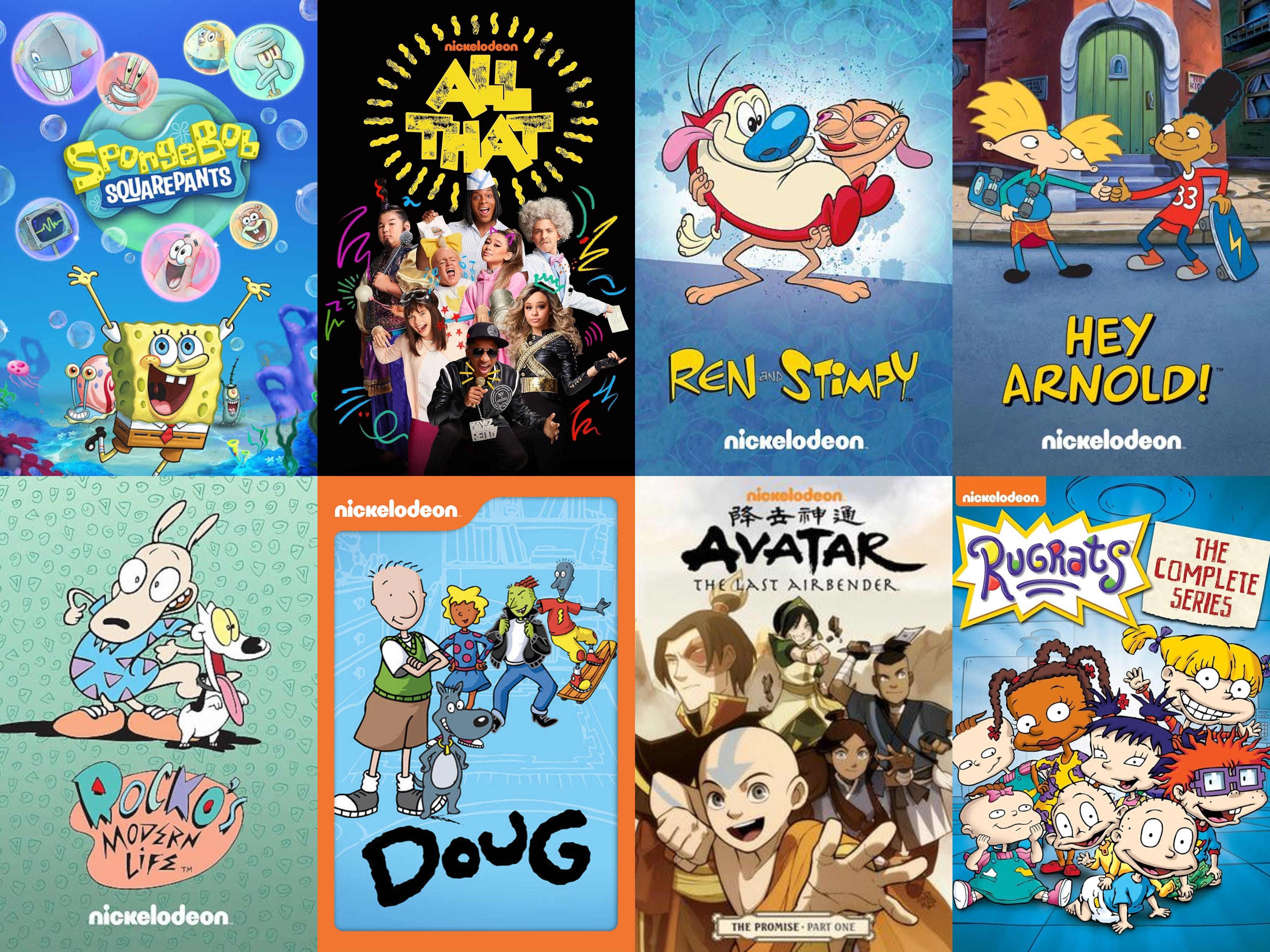
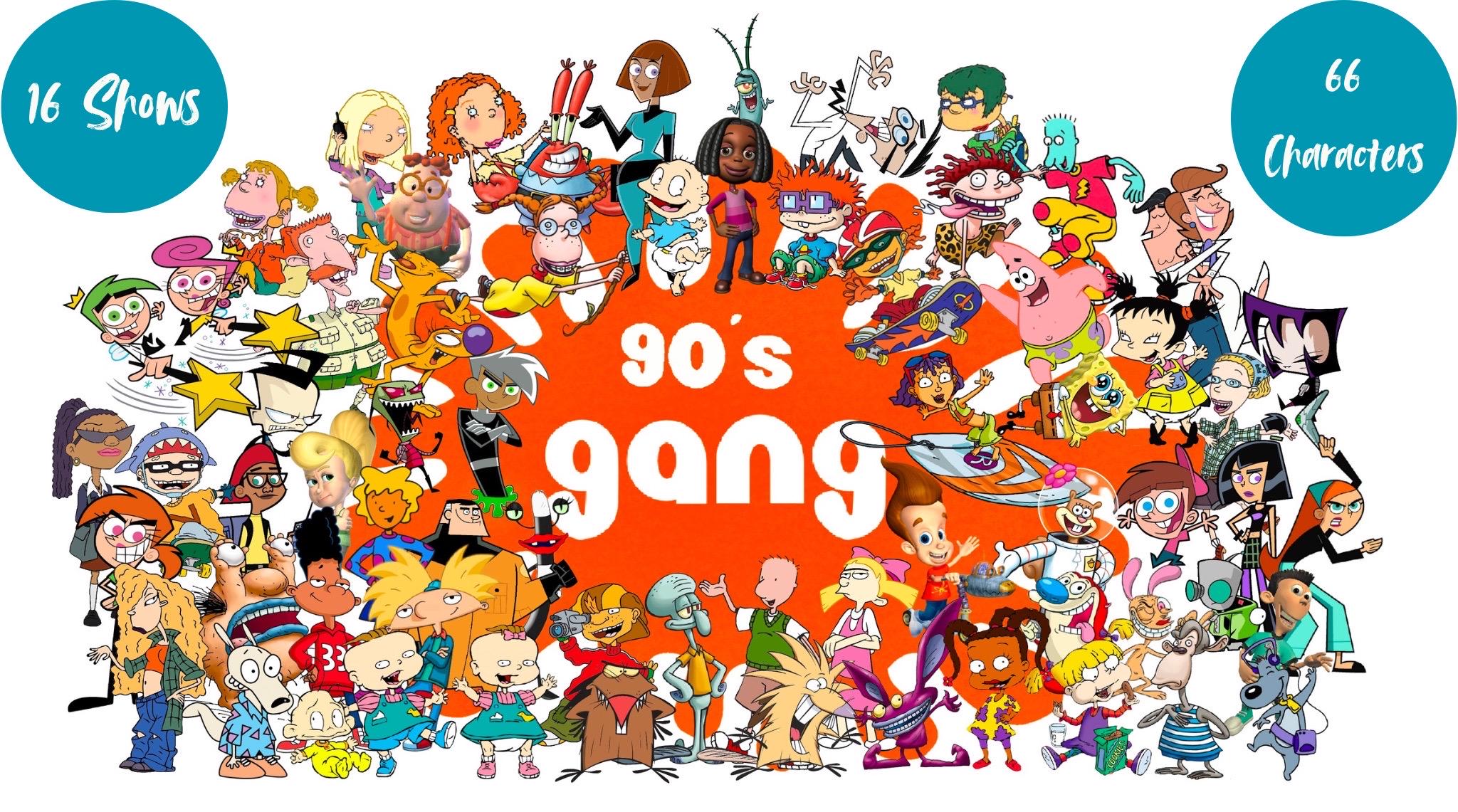
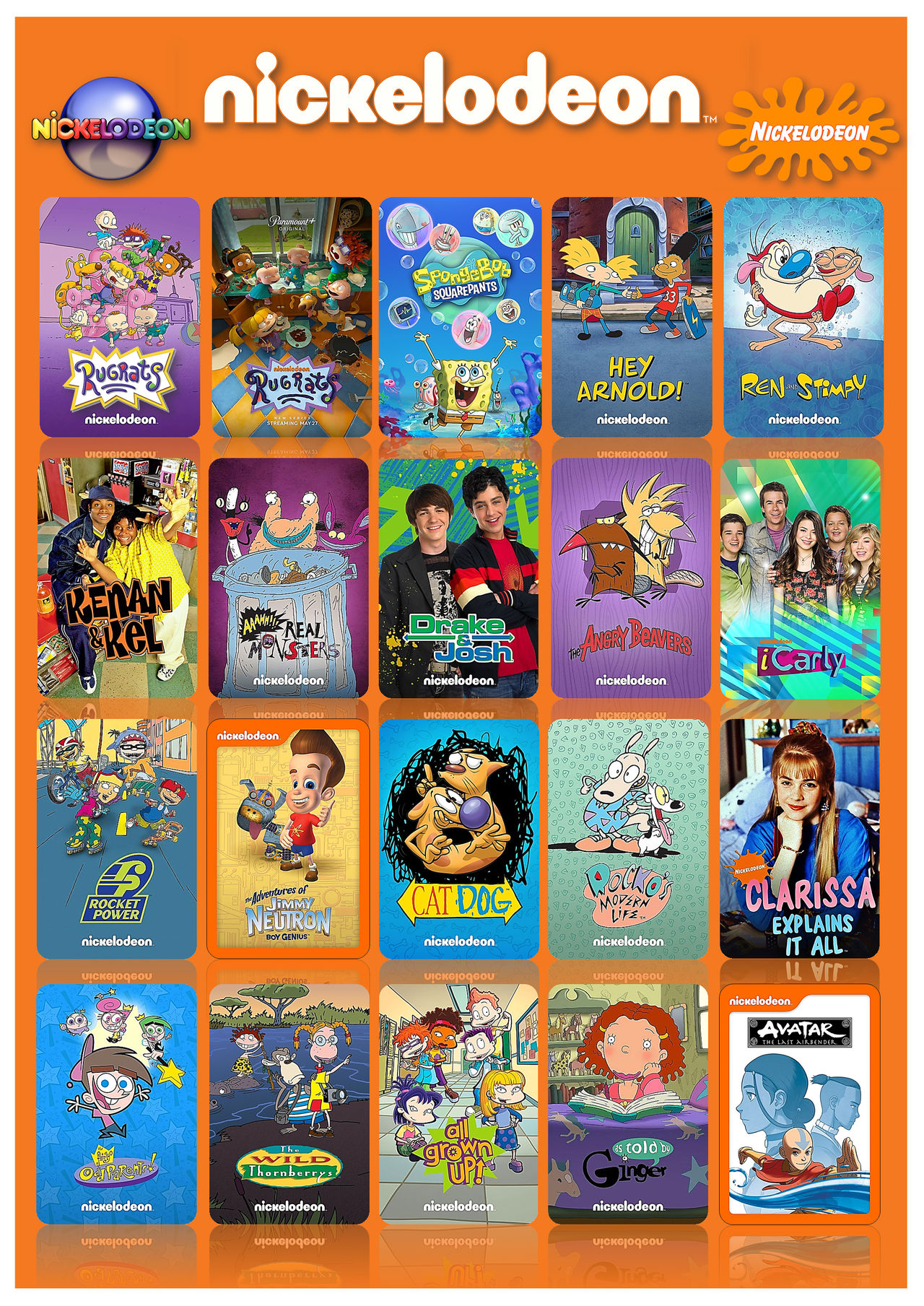
Before 1991, cable networks primarily relied on syndicated cartoons or limited original productions. The launch of the original Nicktoons lineup—featuring Doug, Rugrats, and The Ren & Stimpy Show—completely transformed the television landscape. These programs were built on creative freedom, allowing visionary animators to bring distinct visual styles and narrative sensibilities to the screen.
Doug explored the awkward, endearing anxieties of middle school through the journal entries of Doug Funnie, establishing a grounded, empathetic tone for animation. Rugrats examined the world from the perspective of toddlers, turning everyday mundane environments like living rooms and grocery stores into epic landscapes of imagination. Meanwhile, The Ren & Stimpy Show pushed the boundaries of aesthetic grotesque and manic energy, proving that animation could appeal equally to adults and children through sheer artistic audacity.
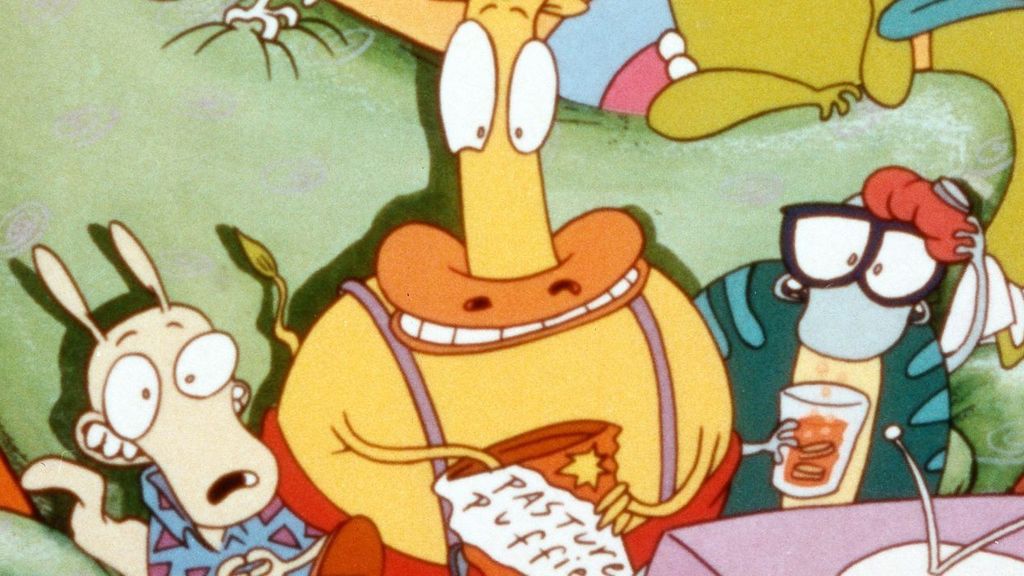
As the decade progressed, the lineup expanded to include titles like Rocko's Modern Life and Hey Arnold!. These series integrated sharp social satire and urban melancholy, elevating children's television into a medium capable of addressing complex emotional and societal themes without losing its comedic core.
Live-Action Innovation and the Sketch Comedy Revolution
While animation defined the network's visual identity, live-action programming cemented its cultural dominance. Shows like You Can't Do That on Television laid the groundwork, but domestic productions revolutionized the format. All That emerged as a sketch comedy powerhouse for a younger generation, often dubbed the "Saturday Night Live for kids," launching the careers of numerous prominent comedic actors.
Simultaneously, long-form narrative series captured the imaginations of millions. The Adventures of Pete & Pete offered a surreal, highly cinematic suburban experience driven by poetic writing, memorable guest stars like Michael Stipe and Iggy Pop, and an iconic indie-rock soundtrack by the Polaris. This show proved that children's television could possess high artistic merit, featuring complex character dynamics and existential themes wrapped in whimsical plots.
Iconic Live-Action and Game Show Formats
- Game Shows: Programs like Nick Arcade, Legends of the Hidden Temple, and Double Dare allowed children to participate actively in physical and mental challenges, turning the television set into an interactive playground.
- Horror and Mystery: Are You Afraid of the Dark? introduced young viewers to atmospheric horror and supernatural mysteries, structured around the campfire storytelling sessions of the Midnight Society.
- Daily Serial Drama: Clarissa Explains It All gave teenagers a relatable, independent female protagonist who directly addressed the camera, navigating the trials of adolescence with sharp wit and distinct fashion choices.
Interactive Culture, Slime, and Brand Identity
Nickelodeon from the 90s was more than just a collection of shows; it was a fully realized lifestyle brand defined by interactive consumer culture. The network fostered a profound sense of community through live events, fan magazines, and physical spaces. The green slime, originally popularized on You Can't Do That on Television, became the ultimate badge of honor, culminating in messy rituals on shows like Figure It Out and the annual Kids' Choice Awards.
Studio City in Orlando, Florida, and the Nick Hotel later on, allowed fans to experience the network physically. Viewers could witness production processes firsthand at Nickelodeon Studios inside Universal Studios Florida. This immersive approach cultivated fierce brand loyalty, transforming passive viewers into active participants in the network's chaotic, vibrant ecosystem.
Comparative Analysis of 90s Programming Pillars
To understand the structural success of the era, it is essential to examine how different programming categories served distinct developmental and entertainment needs for the audience.
| Programming Category | Primary Target Demographic | Defining Characteristics | Representative Shows |
|---|---|---|---|
| Animation (Nicktoons) | Ages 6–11 | Creator-driven art styles, relatable childhood themes, subversive humor | Rugrats, Hey Arnold!, Rocko's Modern Life |
| Live-Action Sketch | Ages 8–14 | Fast-paced comedic sketches, recurring characters, ensemble casts | All That, The Amanda Show |
| Action & Adventure Game Shows | Ages 7–13 | Physical exertion, historical/mythological trivia, high-stakes prizes | Legends of the Hidden Temple, Guts |
| Narrative Drama / Slice-of-Life | Ages 9–15 | Single protagonists, coming-of-age challenges, cinematic direction | Clarissa Explains It All, The Adventures of Pete & Pete |
The Enduring Legacy and Cultural Resurgence
The cultural footprint of 90s Nickelodeon remains exceptionally strong in the current media landscape. The generation that grew up watching these programs now holds significant purchasing power and creative influence in the entertainment industry. This demographic reality drove the creation of platforms like The Splat (later integrated into TeenNick and Paramount+), dedicated to preserving and streaming original archival prints of these classic series.
Furthermore, contemporary animation and comedy heavily borrow the pacing, boundary-pushing humor, and emotional depth pioneered by 90s creators. The willingness to treat children as sophisticated consumers capable of appreciating irony, melancholy, and genuine stakes changed television production permanently. Modern creators frequently cite the artistic freedom granted by Nickelodeon executives during this era as the catalyst for the modern golden age of animation.
Frequently Asked Questions
What was the first official Nicktoons series to premiere on the network?
Doug was the first Nicktoon to premiere, debuting on August 11, 1991, closely followed by Rugrats and The Ren & Stimpy Show on the exact same day. This triple-premiere marked the official launch of the network's original animation block.
Where was 90s live-action Nickelodeon programming produced?
Much of the live-action programming and game shows, including Clarissa Explains It All and Legends of the Hidden Temple, were produced at Nickelodeon Studios located inside Universal Studios Florida in Orlando, while others were filmed in production facilities in Los Angeles, California.
Why is Nickelodeon from the 90s considered a golden era?
The era is celebrated because the network gave unprecedented creative control to animators and writers, resulting in original, high-quality content that avoided pandering and spoke honestly to the childhood experience through diverse artistic mediums.
How can current audiences stream 90s Nickelodeon shows?
Most classic 90s series, including Rugrats, Hey Arnold!, All That, and Are You Afraid of the Dark?, are available for streaming on Paramount+, as well as via digital purchase on platforms like Amazon Prime Video and Apple TV.
What inspired the green slime used on Nickelodeon?
The green slime originated as a gag on the Canadian sketch comedy show You Can't Do That on Television, which Nickelodeon imported in the early 1980s. The network later adopted the slime as its signature mascot element for messy game shows and special events.
Exploring the Nostalgia
Revisiting the programming of this defining decade offers valuable insight into the evolution of modern media and children's entertainment standards. Whether analyzing the sophisticated writing of suburban surrealism or enjoying the chaotic energy of classic game shows, the catalog remains a masterclass in television production. Explore archival streaming platforms today to experience the foundational shows that shaped modern pop culture.
Image Gallery