Comprehensive Guide to Mobile Home Rentals in 2026: Finding Affordable and Quality Housing
Mobile home rentals offer a versatile and cost-effective alternative to traditional apartments, providing increased privacy, yard space, and detached living at a lower price point. In 2026, these units—formally known as manufactured ho...
Mobile home rentals offer a versatile and cost-effective alternative to traditional apartments, providing increased privacy, yard space, and detached living at a lower price point. In 2026, these units—formally known as manufactured homes—are found in land-lease communities or on private property, requiring tenants to balance monthly rent with specific park regulations and maintenance responsibilities.
Contents
Navigating the landscape of mobile home rentals requires an understanding of how the market has shifted over the last decade. As of 2026, the demand for affordable housing has pushed manufactured homes into the spotlight, moving them from a niche housing segment to a primary solution for families, retirees, and young professionals. Whether you are looking for a short-term lease or a long-term residence, understanding the technical standards, financial implications, and legal frameworks of this housing type is essential for a successful rental experience.
The Evolution of Mobile Home Rentals in 2026
The term "mobile home" technically refers to factory-built housing constructed before June 15, 1976. Anything built after that date is strictly categorized as a manufactured home under the HUD Code (U.S. Department of Housing and Urban Development). However, in common parlance and search intent, "mobile home rentals" remains the dominant term. In 2026, the market is characterized by a mix of legacy units and modern, energy-efficient manufactured homes that rival site-built houses in quality and aesthetics.
The 2026 rental market has seen a significant influx of corporate-owned communities. Many investors have consolidated smaller "mom-and-pop" parks, leading to standardized rental applications, professionalized management, and often, updated amenities such as community centers, upgraded playgrounds, and high-speed fiber-optic internet integration. While this has increased the average rental price in many regions, it has also improved the reliability of maintenance and the safety of the communities.
Key Classifications of Rental Units
When searching for a rental, you will typically encounter three distinct categories of mobile homes:
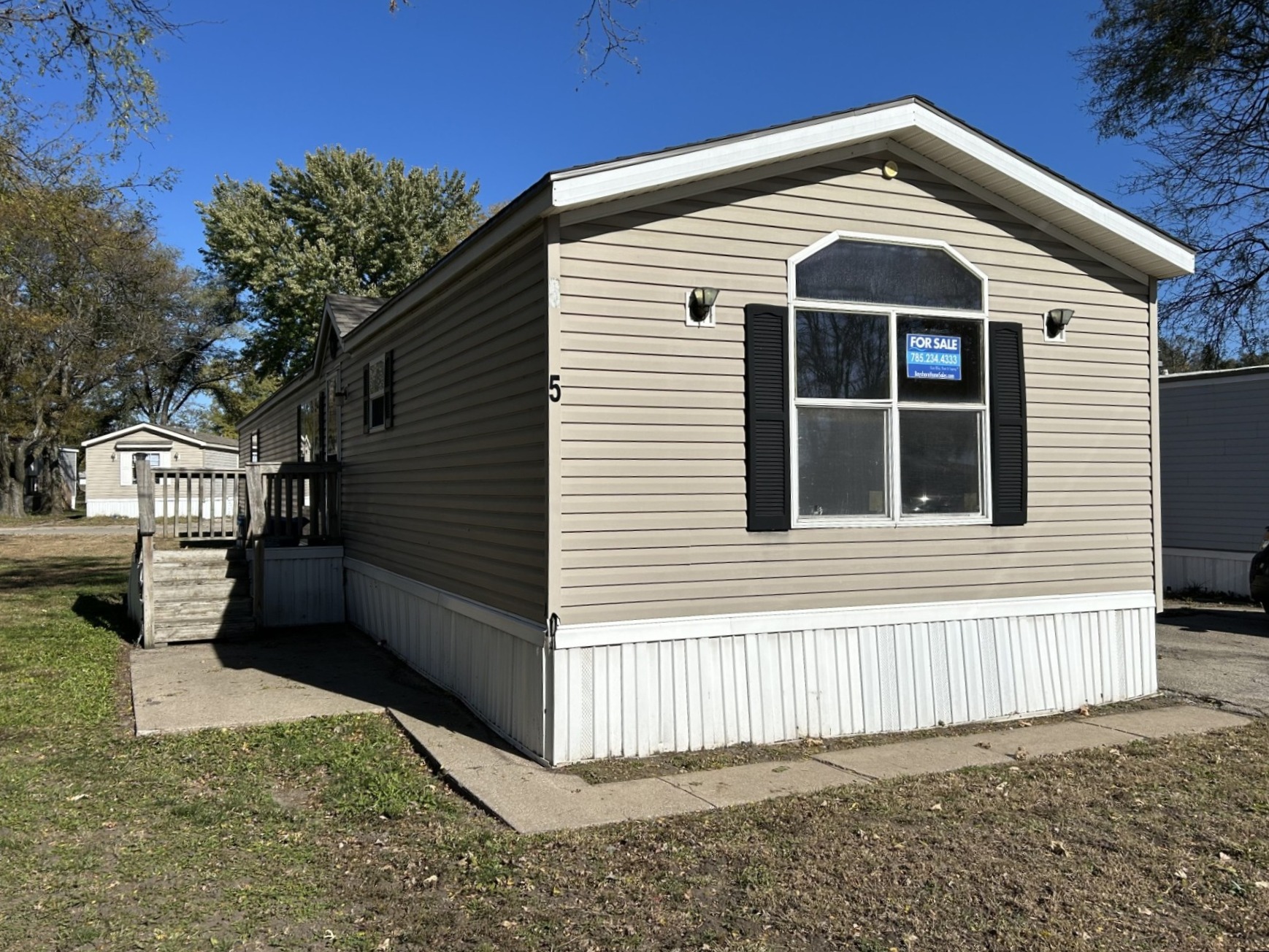
- Single-Wide Units: Typically 14 to 18 feet wide and 50 to 80 feet long. These are ideal for individuals or small families and are the most common rental type due to their lower price point and abundance in older parks.
- Double-Wide Units: Created by joining two sections on-site, these units offer 1,000 to 2,200 square feet of living space. They provide a layout more akin to a traditional home and are highly sought after in the 2026 rental market.
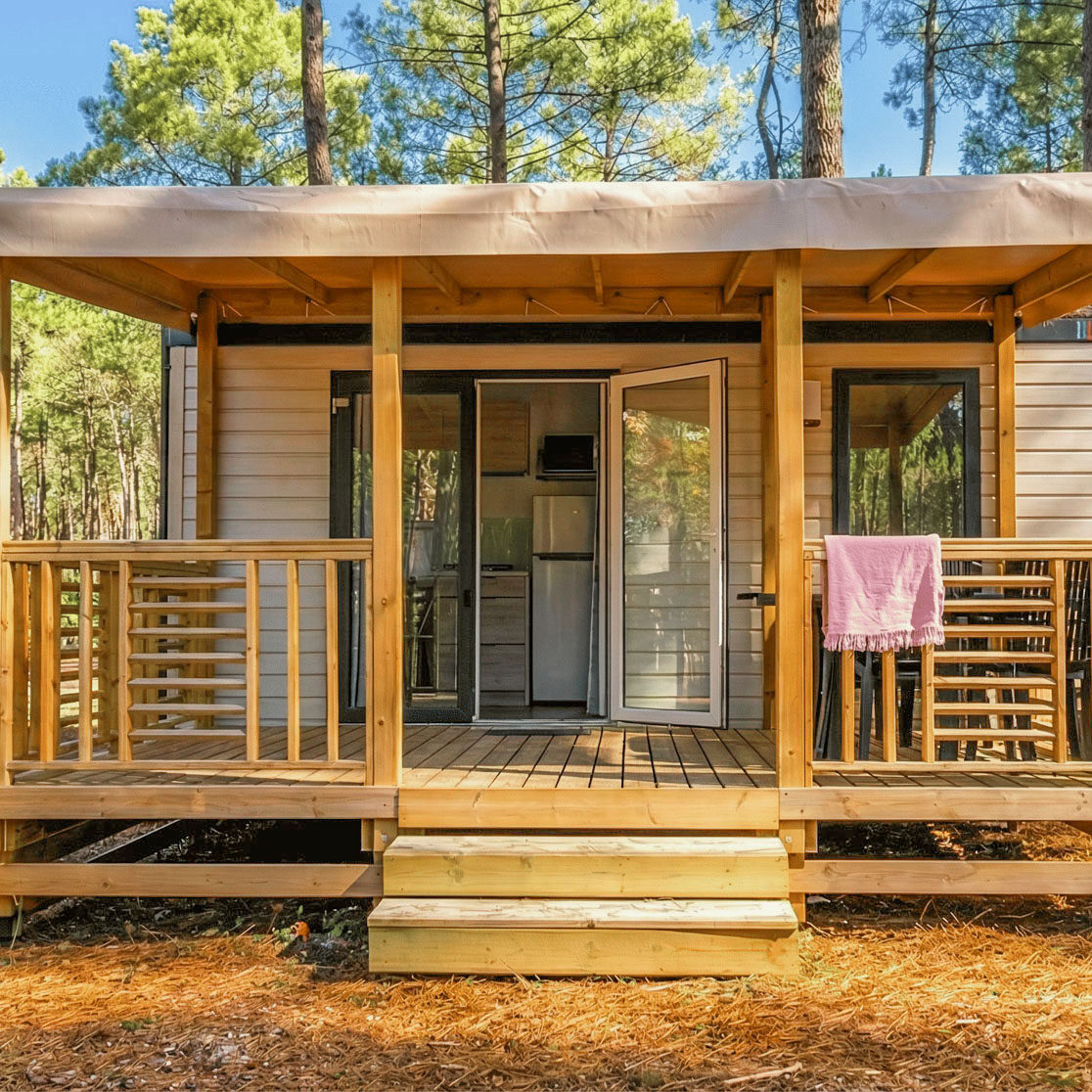
- Park Models: Smaller units, often under 400 square feet, frequently used for seasonal rentals or in areas with high land costs. These are increasingly popular in "tiny home" style communities.
Financial Realities: Understanding Costs and Fee Structures
Renting a mobile home involves a different financial structure than renting an apartment or a traditional house. In 2026, the national average for a mobile home rental ranges from $900 to $1,800 per month, depending heavily on the geographic location and the age of the unit. However, the "all-in" cost often includes variables that can catch new tenants off guard.
The Land-Lease vs. Private Lot Distinction
The most critical financial factor is whether the home is located in a land-lease community or on private land.
Community Rentals In most cases, when you rent a mobile home in a park, the "rent" you pay to the landlord covers both the home and the lot it sits on. However, some arrangements require the tenant to pay a base rent for the unit to a private owner and a separate "lot rent" to the park management. Always clarify if the advertised price is inclusive of lot rent.
Private Land Rentals Renting a mobile home on a private acre of land is often more expensive but offers maximum privacy. In these scenarios, the tenant is typically responsible for all utility hookups, including septic tank maintenance or well-water testing, which are usually handled by the park in a community setting.
Common Fee Disclosures for 2026
- Security Deposits: Standardized at one to two months' rent.
- Pet Fees: Because mobile homes often have yards, pet policies are more common but frequently include "breed restrictions" dictated by the park's master insurance policy.
- Utility Pass-Throughs: In 2026, many parks use sub-metering systems where the park bills the tenant for water, sewer, and trash based on actual usage rather than a flat fee.
- Maintenance Escrows: Some high-end rentals require a small monthly fee into a maintenance fund for HVAC and skirting repairs, which are unique to manufactured housing.
Technical Standards and Inspection Checklists
Before signing a lease in 2026, a technical inspection is mandatory to ensure the unit meets safety standards and will not result in high utility bills. Manufactured homes have specific vulnerabilities that traditional apartments do not.
The Chassis and Foundation
Unlike a traditional home, a mobile home sits on a steel chassis. Over time, the ground can shift, causing the home to become unlevel. If you notice doors that won't stay open (or won't close), or cracks in the interior walls near the ceiling, the home likely needs re-leveling. A responsible landlord should have a levelness certification performed every few years.
Skirting and Under-Home Access
The skirting—the material around the base of the home—is not just for aesthetics. It protects the plumbing and ductwork from pests and freezing temperatures. Ensure the skirting is secure and ventilated. In 2026, many modern rentals use insulated "rapid-wall" skirting to improve energy efficiency, which is a major plus for the tenant.
HVAC and Ductwork
Mobile home furnaces are specialized units designed for the specific airflow requirements of a manufactured home. They are typically located in a central closet. Verify that the furnace is a "sealed combustion" unit, which is the HUD requirement for safety in confined spaces. Check the floor vents for significant dust or debris, which can indicate poor duct integrity under the home.
| Feature | Mobile Home Rental | Traditional Apartment | Single-Family House Rental |
|---|---|---|---|
| Privacy Level | High (Detached) | Low (Shared Walls) | High (Detached) |
| Average Cost (2026) | $900 - $1,800 | $1,500 - $3,000 | $2,200 - $4,500 |
| Yard Access | Usually Included | Common Areas Only | Full Private Yard |
| Maintenance | Tenant/Landlord Split | Management Led | Landlord/Tenant Negotiated |
| Energy Efficiency | Variable (Age Dependent) | Moderate to High | High (Modern Standards) |
| Parking | Driveway/On-site | Garage/Complex Lot | Driveway/Garage |
Where to Find Mobile Home Rentals in 2026
Finding quality listings requires looking beyond general real estate platforms. Because the manufactured housing market is specialized, dedicated resources often yield better results.
Online Marketplaces and Niche Sites
In 2026, sites like MHVillage and MyMHCommunity are the primary hubs for manufactured home listings. These platforms allow you to filter by "rent-only" options. General sites like Zillow and Apartments.com have improved their "manufactured home" filters, but they often miss the smaller, privately-owned units found in rural areas.
Direct Community Outreach
Many of the best rental deals are never posted on national websites. In 2026, the most effective strategy remains visiting local land-lease communities directly. Most parks have a management office with a "Home for Rent" list. This allows you to inspect the park's general upkeep and talk to current residents about management responsiveness before you apply.
Social Media and Local Groups
Facebook Marketplace has become a dominant force for private mobile home rentals. However, this is also where most "rental scams" occur. Always verify ownership through county tax records before sending any "holding fees" or "application deposits."
Legal Protections and Lease Agreements
Tenant-landlord laws for mobile homes can be complex because they often fall under specific "Manufactured Home Residency Acts" rather than standard residential tenancy laws.
The Importance of the Written Lease
Never enter a "handshake" agreement for a mobile home rental. A 2026-compliant lease should explicitly state:
- Who is responsible for the "skirting" and "tie-downs."
- Who pays the property taxes (usually the owner, but some leases attempt to pass this through).
- The specific park rules (which must be attached to the lease).
- The procedure for "Park Sale" notifications—in many states, if the land is sold to a developer, tenants have specific rights or relocation assistance requirements.
Understanding Park Rules
When you rent in a community, you are bound by the "Rules and Regulations" of that park. These can be surprisingly strict, covering everything from the color of your curtains to the year and model of the car you park in the driveway. In 2026, many parks have implemented strict "curb appeal" standards to protect the property values of owners within the park. Failing to follow these rules can lead to eviction from the park, even if your rent is paid in full to the home owner.
Pros and Cons of Mobile Home Living
Understanding the trade-offs is essential for determining if this housing niche fits your lifestyle in 2026.
Advantages
- Affordability: You get more square footage per dollar compared to urban apartments.
- No Shared Walls: No noisy neighbors above or beside you.
- Parking Convenience: Most units have a private driveway directly next to the front door.
- Community Environment: Many parks offer a tight-knit, neighborhood feel that is often lost in high-rise living.
Disadvantages
- Depreciation and Image: While changing, some stigma remains, and units do not appreciate like site-built homes (though this matters less to a renter than an owner).
- Stricter Rules: Park management can be more intrusive than apartment management regarding outdoor space usage.
- Climate Sensitivity: In 2026, extreme weather events are a concern; mobile homes require proper anchoring and are generally less resistant to high-force winds than masonry buildings.
Step-by-Step Guide to Securing a Mobile Home Rental
If you have decided that a mobile home rental is the right move for 2026, follow this systematic approach to ensure you get the best unit possible.
- Define Your Location Parameters: Decide between a "managed community" (amenities, rules, security) or "private land" (freedom, privacy, potentially more maintenance).
- Verify the HUD Label: Ensure any home built after 1976 has a "HUD Data Plate" (usually inside a kitchen cabinet or bedroom closet). This confirms the home was built to federal safety standards for wind, fire, and thermal protection.
- Review the Park Prospectus: If in a community, ask for the park's prospectus. This document outlines the long-term plans for the park and any scheduled rent increases.
- Perform a "Soft Walkthrough": Check for soft spots in the floor (indicating water damage), check under the sinks for leaks, and ensure the windows seal tightly.
- Check Connectivity: In 2026, remote work is standard. Verify the cellular signal strength inside the unit, as metal siding can sometimes act as a "Faraday cage," weakening signals.
- Submit the Application: Expect a background check and a credit check. Most 2026 landlords require a 3-to-1 income-to-rent ratio.
Frequently Asked Questions
Are mobile home rentals safe during storms?
Modern manufactured homes are built to specific wind zones defined by HUD. In 2026, it is vital to verify that the home’s anchoring system (tie-downs) has been inspected within the last three years. While they are safer than older units, it is always recommended to utilize a community storm shelter during severe weather warnings.
Is lot rent included in the monthly price?
It depends on the listing. In a "Park-Owned Rental," the lot rent and home rent are usually bundled into one payment. In a "Private Rental" within a park, you might pay the owner for the home and the park for the lot. Always ask for the "Total Monthly Housing Cost" to avoid surprises.
Can I buy the mobile home I am currently renting?
Many landlords in 2026 offer "Rent-to-Own" or "Lease-Option" programs. However, be cautious with these contracts. Ensure that a portion of your rent is legally going toward the equity and that you have a fixed purchase price set at the beginning of the lease.
Who is responsible for repairs in a mobile home rental?
Generally, the landlord is responsible for structural, electrical, and plumbing issues. However, because mobile homes require specific maintenance like "re-leveling" and "skirting repair," your lease should clearly define these responsibilities. Typically, the tenant is responsible for yard maintenance and minor interior upkeep.
How do utilities work in a mobile home park?
In 2026, most modern parks utilize sub-metering. This means the park receives a master bill and then bills each resident based on their individual meter readings for water, electricity, and gas. Trash service is often a flat monthly fee added to the rent.
Final Recommendations for Renters
The 2026 mobile home rental market offers an excellent opportunity for those seeking a balance between budget and independence. To maximize your experience, prioritize homes built after 2010, as these units feature significantly better insulation and modern appliances, which will save you hundreds of dollars in utility costs annually. Always prioritize communities with active management and clear, enforced rules, as these factors directly correlate with your quality of life and safety.
By conducting a thorough technical inspection and clearly understanding the components of your lease, you can secure a mobile home rental that provides the comfort and privacy of a traditional home at a fraction of the cost.
Image Gallery