Why The Dark Knight Movie Awards Still Matter
When Christopher Nolan’s The Dark Knight was released in 2008, it redefined commercial superhero cinema. However, its ultimate legacy was solidified during the 81st Academy Awards in 2009. The film’s exclusion from the Best Picture cat...
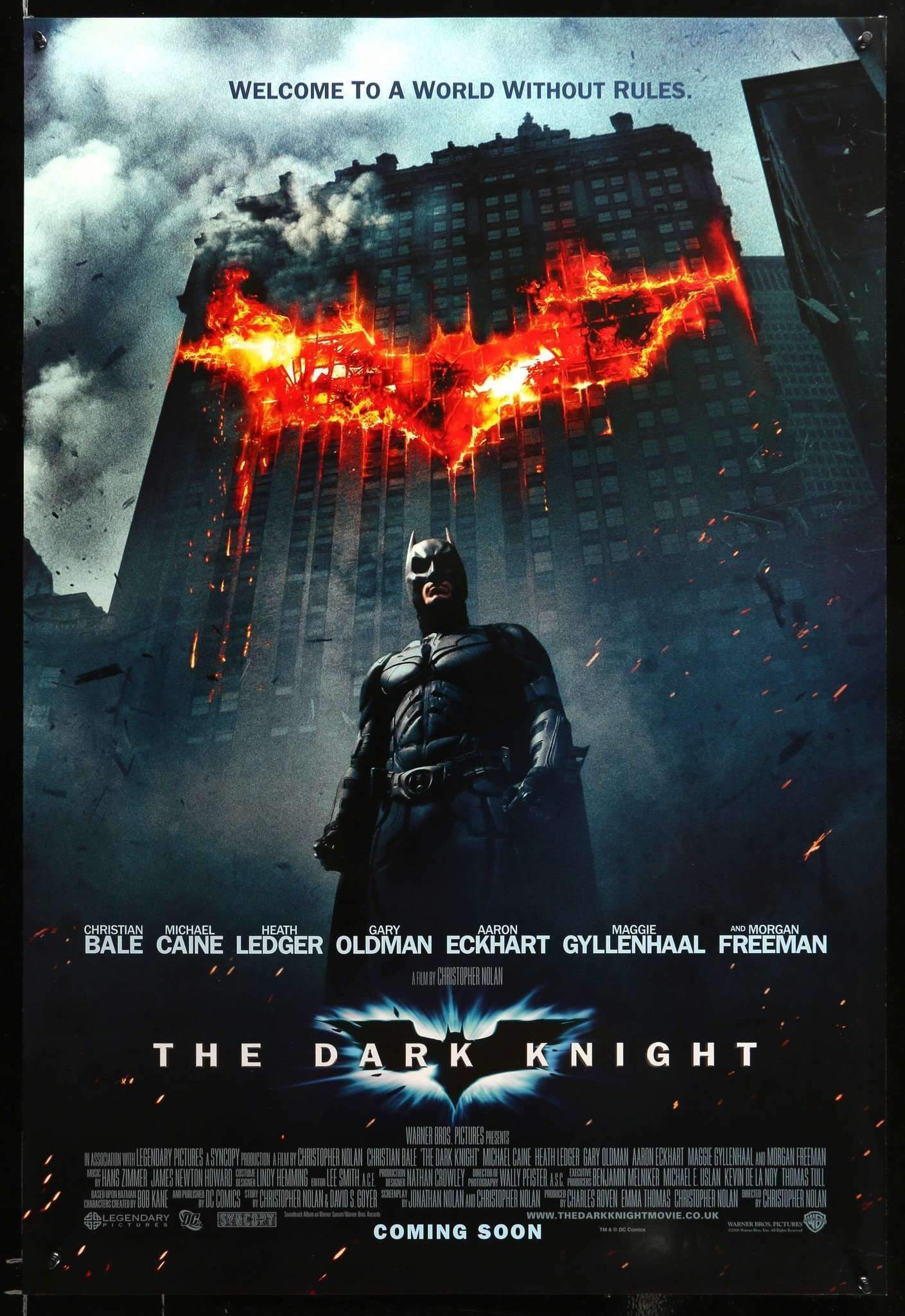
When Christopher Nolan’s The Dark Knight was released in 2008, it redefined commercial superhero cinema. However, its ultimate legacy was solidified during the 81st Academy Awards in 2009. The film’s exclusion from the Best Picture category—despite critical acclaim and monumental box office success—sparked a systemic overhaul of the Oscars voting structure, permanently altering how Hollywood evaluates blockbuster cinema, genre performances, and prestige campaigns.
Contents
The 81st Academy Awards: A Watershed Moment in Film History
When nominations for the 81st Academy Awards were announced in January 2009, The Dark Knight secured eight nominations, primarily in technical categories, alongside a posthumous Best Supporting Actor nomination for Heath Ledger. Despite being the highest-grossing film of the year and holding a 94% approval rating on Rotten Tomatoes, the film was conspicuously missing from the Best Picture and Best Director slates.
At the time, the Best Picture category was strictly limited to five nominees. The 2008 roster included Slumdog Millionaire, The Curious Case of Benjamin Button, Frost/Nixon, Milk, and The Reader. While these films represented traditional Oscar-caliber drama, public and critical backlash was immediate. Critics, industry insiders, and audiences argued that the Academy of Motion Picture Arts and Sciences (AMPAS) remained out of touch with contemporary cinematic achievements by favoring conventional period pieces and dramas over revolutionary, high-art genre filmmaking.
The response to The Dark Knight being left out of the top tier was not merely emotional outrage; it exposed a growing disconnect between mainstream cultural impact and the voting demographics of AMPAS. The failure to recognize a film that combined narrative sophistication, technical innovation, and massive cultural resonance forced the Academy leadership to execute one of the most significant procedural changes in awards history.
"The Dark Knight Rule": Expanding the Best Picture Category
In June 2009, just months after the 81st ceremony, then-AMPAS President Sid Ganis announced a historic structural policy change: starting with the 82nd Academy Awards, the Best Picture category would expand from five to ten nominees. The intent was explicit—to create space for critically lauded blockbusters, animated films, and independent features that previously struggled to break through the traditional five-slot barrier.
This rule adjustment, universally dubbed by film journalists as "The Dark Knight Rule," fundamentally reshaped Oscar season dynamics:
- Immediate Diversification of Nominees: At the 82nd Academy Awards in 2010, the expanded ballot immediately yielded nominations for James Cameron’s sci-fi epic Avatar, Pixar’s animated feature Up, and Neill Blomkamp’s low-budget sci-fi commentary District 9.
- Standardization of the Preferential Ballot: To handle an expanded field, AMPAS adopted a preferential voting system (instant-runoff voting) for determining the Best Picture winner. This voting mechanic favors films with broad consensus approval across the entire voting body rather than films with intense but polarized passion.
- Fluctuating Slate Sizes: AMPAS experimented between 2011 and 2021 with a sliding scale of five to ten nominees depending on vote thresholds, before re-establishing a fixed 10-nominee rule starting at the 94th Academy Awards.
Without the controversy surrounding The Dark Knight, landmark modern Best Picture nominees such as Mad Max: Fury Road, Get Out, Black Panther, Top Gun: Maverick, Dune, and Avatar: The Way of Water might never have achieved top-tier Oscar status.
Heath Ledger’s Posthumous Oscar and Genre Acting Credibility
Heath Ledger’s portrayal of the Joker remains a cornerstone of film history. Winning the Academy Award for Best Supporting Actor posthumously at the 81st ceremony marked only the second time an actor received a posthumous acting Oscar (following Peter Finch for Network in 1977). More importantly, it shattered the long-standing stigma surrounding comic book and fantasy performances.
- Pre-2008 Era: Comic Book Roles
- Viewed as campy, commercial, or superficial
- Post-2008 Era: Comic Book Roles
- Validated as complex psychological character studies
Historically, major awards bodies viewed comic book adaptations as vehicles for visual effects and sound design rather than serious dramatic craft. Ledger’s performance, characterized by intense physical commitment, distinct vocal improvisation, and psychological depth, set a new benchmark for genre acting.
This recognition established a direct precedent for future awards outcomes:
- Joaquin Phoenix won Best Actor at the 92nd Academy Awards for playing the title role in Joker (2019), making the character of Arthur Fleck / The Joker only the second character in film history to yield Oscar wins for two different actors (following Vito Corleone in The Godfather and The Godfather Part II).
- Angela Bassett earned a Best Supporting Actress nomination for Black Panther: Wakanda Forever (2022), representing the Marvel Cinematic Universe’s first individual acting nomination.
- Colin Farrell achieved critical acclaim across the industry for his transformed performance as Oswald Cobblepot in The Batman (2022) and its subsequent television expansion.
Redefining Auteur Cinema and Studio FYC Campaigns
Prior to The Dark Knight, studios maintained a strict division in their release strategies: summer months were reserved for high-concept, commercial popcorn movies, while the autumn and winter months were saved for prestige "Oscar bait" dramas. Christopher Nolan demonstrated that a summer tentpole film could operate simultaneously as an auteur-driven crime thriller and a multi-billion-dollar commercial engine.
The film won the Oscar for Best Sound Editing (awarded to Richard King) and earned nominations for Best Cinematography (Wally Pfister), Best Film Editing (Lee Smith), Best Art Direction, Best Makeup, Best Visual Effects, and Best Sound Mixing. This sweeping technical validation proved that high-budget action blockbusters could achieve technical excellence without sacrificing narrative gravity.
- The Dark Knight Paradigm Shift
- Commercial Impact ($1B+ Box Office)
- Technical Excellence (8 Oscar Noms)
- Auteur Legitimacy (Nolan's Prestige Trajectory)
This artistic and commercial triumph irrevocably altered For Your Consideration (FYC) campaign strategies. Major studios began crafting FYC campaigns for large-scale blockbusters with the same political and artistic positioning previously reserved for indie art-house fare. It established the career trajectory for Christopher Nolan himself, creating the industry momentum that eventually led to his sweeping victories for Best Director and Best Picture with Oppenheimer at the 96th Academy Awards.
Comparative Analysis: Pre- and Post-Dark Knight Award Structures
To understand the full scope of how The Dark Knight altered the awards landscape, it is helpful to examine the institutional differences between the pre-2009 era and the post-2009 landscape.
| Parameter | Pre-2009 Oscar Era (Five-Nominee Slate) | Post-2009 Oscar Era ("The Dark Knight" Era) |
|---|---|---|
| Best Picture Field Size | Strictly 5 Nominees | Expanded (5–10, now fixed at 10) |
| Genre Inclusion | Almost exclusively traditional dramas, biopics, and historical epics | Regular inclusion of Sci-Fi, Horror, Fantasy, and Comic Book films |
| Voting System | Plurality vote among 5 titles | Preferential (Instant-Runoff) ballot among up to 10 titles |
| Release Timing | Heavy bias toward November–December prestige releases | Year-round eligibility for Best Picture contenders (e.g., Everything Everywhere All at Once) |
| Superhero Film Status | Restricted to technical categories (VFX, Sound, Makeup) | Eligible for major categories (Best Picture, Adapted Screenplay, Acting) |
| Studio FYC Budgeting | Focused narrowly on mid-budget dramatic films | Large-scale campaigns for $100M+ tentpole blockbusters |
Long-Term Industry Impact on Modern Pop Culture
The impact of The Dark Knight awards trajectory extends beyond trophy counts and voting ballots; it fundamentally altered how mainstream audiences interact with awards season.
When popular blockbusters are included in prestige awards ceremonies, television viewership and public engagement historically see measurable increases. The Academy's decision to broaden its criteria restored a level of cultural relevancy to the Oscars during a period when cable television ratings were beginning a decades-long decline.
Furthermore, The Dark Knight set the modern aesthetic standard for dark, grounded reboots. Hollywood spent the subsequent decade attempting to replicate its gritty realism, psychological complexity, and prestige tone across properties ranging from James Bond (Skyfall) to classic monster universes.
Frequently Asked Questions
Did The Dark Knight win any Academy Awards?
Yes. The Dark Knight won two Academy Awards at the 81st ceremony in 2009: Best Supporting Actor for Heath Ledger (awarded posthumously) and Best Sound Editing for Richard King. It was nominated for eight Oscars in total.
What is "The Dark Knight Rule" in Oscar history?
"The Dark Knight Rule" refers to the decision made by the Academy of Motion Picture Arts and Sciences in June 2009 to expand the Best Picture category from 5 to 10 nominees. This change was implemented directly in response to public and critical outrage over The Dark Knight being omitted from the Best Picture lineup despite its widespread critical acclaim.
How did Heath Ledger's Oscar win change superhero movies?
Heath Ledger’s posthumous Best Supporting Actor win legitimized acting within superhero films. It proved that genre roles could offer deep psychological complexity and top-tier dramatic performance, paving the way for future nominations and wins for actors in comic book adaptations, such as Joaquin Phoenix in Joker.
Why was The Dark Knight snubbed for Best Picture originally?
At the time, the Academy's voting body was historically conservative, leaning heavily toward traditional historical dramas, period pieces, and intimate independent films. Superhero movies were viewed primarily as commercial products rather than serious artistic achievements, limiting their recognition to technical categories like visual effects and sound design.
How many Oscars was The Dark Knight nominated for?
The Dark Knight received eight Oscar nominations: Best Supporting Actor, Best Art Direction, Best Cinematography, Best Film Editing, Best Makeup, Best Sound Editing, Best Sound Mixing, and Best Visual Effects.
Key Takeaway for Film Historians and Audiences
The accolades surrounding The Dark Knight matter today because they represent the exact historical inflection point where modern populist cinema demanded—and received—structural recognition from traditional cultural institutions. For film scholars, industry strategists, and cinephiles, studying the 2008–2009 awards cycle offers the clearest blueprint for understanding how contemporary Oscars voting functions, why blockbusters now regularly contend for top-tier awards, and how superhero films achieved dramatic legitimacy on the world's biggest cinematic stage.
Image Gallery