Why the New York City Subway Death Risk Demands Stricter Safety Reform
The New York City subway system faces a persistent fatality crisis driven by platform falls, track intrusions, mechanical hazards, and interpersonal violence. Addressing this death risk demands stricter safety measures—including physic...
The New York City subway system faces a persistent fatality crisis driven by platform falls, track intrusions, mechanical hazards, and interpersonal violence. Addressing this death risk demands stricter safety measures—including physical platform screen barriers, advanced track-intrusion detection sensors, modernized communications-based train control, and expanded crisis intervention—to protect millions of daily transit riders across the metropolitan network.
Contents
The Scope of Mortality Risk Across the NYC Transit Network
The Metropolitan Transportation Authority (MTA) operates one of the oldest and largest mass transit systems in the world, carrying millions of passengers each day. However, open track beds and exposed platform edges leave riders uniquely vulnerable to severe injury and death. Transit fatalities in New York City generally fall into four distinct operational and environmental categories: track trespassing, psychiatric and self-harm crises, accidental platform slips or stumbles, and violent interpersonal assaults such as platform pushes.
Data compiled by transit safety oversight bodies highlights that hundreds of track intrusion incidents occur annually across the system's 472 stations. A significant portion of these collisions result in fatal outcome due to the extreme kinetic force of moving train sets and the presence of energized third rails carrying 600 volts of direct current.
| Primary Subway Hazard Categories |
|---|
| 1. Track Intrusion & Trespassing (Intentional or accidental entry) |
| 2. Platform Pushes & Assaults (Interpersonal violence) |
| 3. Self-Harm & Psychiatric Crises (Lack of track access barriers) |
| 4. Mechanical & Signal Vulnerabilities (Decelerative buffer failures) |
Historically, subway platforms were constructed without physical separations between waiting passengers and active trackways. Unlike modern automated transit systems built in Asian and European capitals during recent decades, New York City’s legacy infrastructure was planned in the early 20th century with narrow platform clearances, heavy structural columns near curb edges, and varying station geometry. This spatial design exacerbates the risk of catastrophic strikes whenever track intrusions occur.
Physical Infrastructure Solutions: Platform Screen Doors and Edge Barriers
The most definitive engineering control to prevent subway platform deaths is the installation of physical barriers between the platform and active rail tracks. Platform Screen Doors (PSDs)—full-height glass walls equipped with sliding doors synchronized with train arrivals—completely isolate passengers from the track bed, eliminating accidental falls, track jumping, thrown debris, and platform pushes.
- Platform Area
- High-density space
- Climate managed
- Sync Sliding Door
- Opens on alignment
- Emergency egress push
- Track / Train
- Isolated third rail hazard
Engineering and Structural Obstacles
While physical barriers offer absolute protection against platform-to-track falls, implementing them across the NYC subway system presents complex engineering challenges:
- Fleet Heterogeneity: The MTA operates diverse subway car classes (such as the R46, R68, R142, R160, and R211 series). Older subway models feature varying door spacing and vehicle lengths, making it impossible to align fixed sliding doors across multiple car types until train fleets are fully standardized.
- Structural Load Limits: Many elevated and underground platforms were not designed to support the dead-load weight of structural steel framing, glass enclosures, and overhead door-actuation machinery. Structural reinforcement of aging station decks is frequently required before installation.
- Platform Geometry and Clearance: Dozens of legacy stations feature curved platforms, narrow passenger walkways, and structural support columns situated inches from the platform edge. Fixed barriers in curved stations can create dangerous gaps between the door threshold and the train body.
- Capital Expense: Retrofitting single stations with platform enclosures can cost tens of millions of dollars, requiring significant allocations within multi-year capital financial plans.
To address these limitations, pilot programs have evaluated lower-profile Platform Edge Doors (PEDs) and automatic platform gates at select stations, such as 14th Street-8th Avenue. Expanding structural retrofits and targeted gate installations remains a core requirement for long-term fatality reduction.
Technological Detection and Automated Signal Safety
Where physical walls are structurally or financially unfeasible in the near term, advanced electronic monitoring and signal technology provide vital secondary layers of risk mitigation. Modern sensor networks can detect human presence on track beds seconds before a train arrives, alerting train operators and triggering automated emergency brake applications.
- Sensor Array
- Thermal/Radar
- Computer Vision AI
- Object Classification
- CBTC Interlock
- Brake Trip Unit
Track Intrusion Detection Systems (TIDS)
Modern intrusion detection leverages multi-sensor technology to monitor the pit area below platform edges:
- Thermal Imaging and Infrared Sensors: Detect heat signatures of individuals on the trackbed, differentiating human profiles from static debris or small animals.
- LiDAR and Radar Arrays: Continuous laser scanning creates a precise 3D grid of the track space, instantly registering structural interruptions caused by a falling body or trespassing individual.
- Computer Vision AI Analysis: Station cameras equipped with real-time video analytics detect irregular movement patterns near platform edges, alerting station control centers before an individual enters the danger zone.
Communications-Based Train Control (CBTC) Integration
Upgrading legacy block signaling systems to Communications-Based Train Control (CBTC) represents an essential technological foundation for safety. CBTC uses high-frequency radio communication to report exact train location and velocity continuously.
When integrated with track intrusion sensors, CBTC can automatically apply emergency brakes to approaching trains much faster than human reaction times allow. Furthermore, CBTC enables precise automatic train operation (ATO), ensuring that trains dock at exact designated positions to align seamlessly with platform doors or gate apertures.
Behavioral Health, Crisis Outreach, and Public Safety Interventions
Subway safety is not strictly a mechanical or engineering challenge; it is also deeply interconnected with municipal mental health infrastructure, social services, and public safety enforcement. A substantial percentage of track intrusion incidents stem from acute psychiatric crises or individuals residing in station environments without stable housing.
- MTA Transit Operations
- Mental Health Clinicians (SCOUT)
- Law Enforcement
- Integrated Station Safety
Co-Responder Models and Clinical Outreach
Deploying specialized co-responder teams—such as the Subway Co-Responder Outreach Teams (SCOUT)—pairs trained mental health clinicians with law enforcement officers. This interagency framework focuses on:
- Early Identification: Engaging individuals exhibiting acute behavioral distress on platforms before dangerous escalations occur.
- Direct De-escalation: Providing immediate clinical intervention and diversion to voluntary stabilization centers or hospital facilities rather than custodial arrest.
- Trackbed Access Prevention: Securing non-public station zones, end-of-platform emergency stairs, and service tunnels where unauthorized entry frequently occurs.
Station Security and Platform Patrols
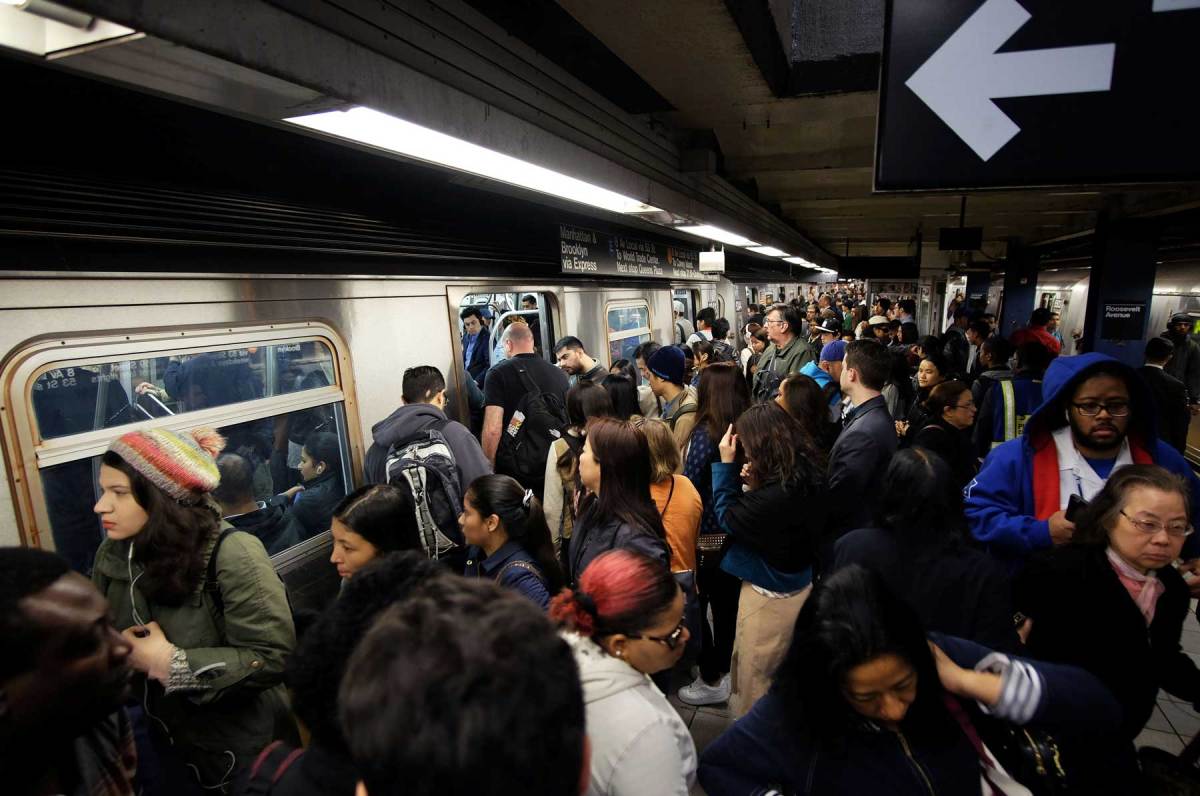
Targeted uniformed presence on platform decks acts as a deterrent against physical violence, harassment, and reckless behavior. Strategic positioning of safety personnel near high-traffic stairwells and platform edges helps maintain orderly passenger queuing, reduces crowding risks, and provides rapid response capability during emergency events.
Disclaimer: Safety procedures, emergency helpline numbers, and transit oversight regulations are provided for informational and educational purposes. Individuals experiencing emotional distress or witnessing an active emergency on transit property should immediately contact emergency services (911) or call/text the Suicide & Crisis Lifeline at 988.
Framework Comparison: Subway Safety Mitigation Strategies
The table below contrasts key physical, technological, and behavioral interventions available to transit planners, evaluating their risk reduction potential, capital requirements, and implementation complexity.
| Mitigation Strategy | Primary Hazard Addressed | Engineering / Implementation Complexity | Capital & Operational Cost | Relative Fatality Mitigation Impact |
|---|---|---|---|---|
| Full-Height Platform Screen Doors (PSDs) | Accidental falls, platform pushes, self-harm, track debris | Very High (Requires fleet alignment, structural platform retrofits) | Extremely High ($25M–$50M+ per complex station) | Maximum (Eliminates direct physical trackbed access) |
| Half-Height Platform Edge Gates | Accidental stumbles, platform pushes | High (Requires exact train positioning via CBTC) | High ($10M–$20M per station) | High (Prevents most accidental falls; partial barrier against intentional entry) |
| Thermal / LiDAR Track Sensors (TIDS) | Track trespassing, undetected fallen persons | Moderate (Requires power, sensor installation, interlock wiring) | Moderate ($1M–$3M per station) | Moderate to High (Provides automated early braking warnings) |
| CBTC Signal Modernization | Over-speed collisions, train-to-train impacts, slow braking response | Extremely High (System-wide line retrofits, custom car cabling) | Extremely High ($1B+ per subway line corridor) | High (Provides precise speed control and automated braking) |
| Behavioral Co-Responder Outreach (SCOUT) | Psychiatric crises, unsheltered track dwell risk | Low to Moderate (Requires interagency staffing and operational logistics) | Ongoing Operational ($20M–$50M annually system-wide) | Moderate (Mitigates crisis-driven track entry before it occurs) |
| Raised Tactile Platform Edge Striping | Visual missteps, slips near edge | Low (Standard masonry and surface tile installation) | Low ($100K–$300K per station) | Low to Moderate (Improves spatial awareness for visually impaired and distracted riders) |
Regulatory Oversight and Transit Policy Imperatives
Achieving long-term improvements in NYC subway safety requires stringent statutory oversight, robust funding allocations, and administrative transparency. Federal, state, and local regulatory frameworks govern transit safety enforcement:
- Federal Transit Administration (FTA)
- Ensures federal safety standards & audit oversight
- National Transportation Safety Board (NTSB)
- Investigates severe rail accidents & safety recommendations
- NYS Public Service Commission / State Safety Oversight (SSO)
- Monitors day-to-day operational compliance & corrective plans
Agency Roles and Compliance Mechanisms
- Federal Transit Administration (FTA): Sets national public transportation safety standards, enforces safety management systems (SMS), and conducts federal audits of transit agency operations.
- National Transportation Safety Board (NTSB): Conducts independent investigations of major rail accidents, issuing formal safety recommendations to prevent system-wide recurrences.
- State Safety Oversight (SSO) Program: Operating under state jurisdiction, the SSO exercises regulatory authority over rail fixed guideway systems, approving hazard management programs and auditing compliance with corrective action plans.
Policy advocates emphasize that municipal transit funding must prioritize core safety infrastructure over aesthetic enhancements. Transparent reporting of track intrusion metrics, clear timelines for station retrofits, and strict adherence to federal safety recommendations are critical to rebuilding public confidence in metropolitan mass transit.
Actionable Safety Guidance for Transit Riders and Advocates
While long-term system modifications require agency investment, transit users can adopt practical habit changes to maximize personal safety on platforms:
Personal Platform Safety Rules
- Maintain Distance from the Edge: Always stand well behind the yellow tactile warning strip until the train comes to a complete stop within the station.
- Avoid Distracted Waiting: Limit smartphone use and keep audio volume low while standing on platforms to maintain situational awareness of surroundings and approaching train sets.
- Position Against Structural Support: When waiting on narrow or crowded platforms, place your back against a station wall or structural pillar rather than standing unprotected in open floor space.
- Never Access Trackbeds for Dropped Items: If an item falls onto the track bed, do not attempt to retrieve it. Inform an MTA station agent or transit police officer immediately to coordinate safe retrieval.
- Emergency Track Response: If a person falls onto the tracks and a train is approaching, immediately run down the platform away from the incoming train while waving brightly colored items or arms to signal the train operator. If a train is immediately entering the station and no escape is possible, individuals are advised to lie flat in the center trough between the rail tracks beneath the platform edge clearance.
Advocating for Transit Safety Upgrades
Riders seeking structural safety enhancements can participate in public administrative processes:
- Attend MTA Board Meetings: Public comment periods allow commuters to voice safety concerns directly to agency executives.
- Engage Rider Advisory Committees: Organizations such as the Permanent Citizens Advisory Committee (PCAC) to the MTA synthesize rider feedback to advocate for capital program safety expenditures.
- Support Capital Improvement Funding: Advocating for state and federal transit grants ensures dedicated funding for platform screen door installation, signaling modernizations, and accessible infrastructure.
Frequently Asked Questions
Why hasn't the MTA installed platform screen doors across all NYC subway stations?
Installing platform screen doors across all 472 NYC subway stations is constrained by high capital costs, varying vehicle door placements across aging train fleets, structural load limits on older elevated and underground platform decks, and narrow platform geometries. The MTA is deploying doors selectively in stations that can structurally support retrofits while working toward fleet standardization.
What are Track Intrusion Detection Systems (TIDS), and how do they work?
Track Intrusion Detection Systems use advanced sensors—such as thermal imaging, LiDAR, radar arrays, and AI-powered video analytics—to monitor track areas beneath platform edges. If a person or heavy object enters the track space, the system alerts station controllers and train operators immediately, and can trigger automated emergency braking in CBTC-equipped lines.
What should you do if someone falls or is pushed onto the NYC subway tracks?
If someone falls onto the tracks, immediately call out for help and alert a station agent or transit police officer. If a train is approaching, run toward the incoming train end of the platform while waving your arms to signal the train operator to stop. If a train cannot stop in time, the fallen individual should attempt to lie flat in the center depression (trough) between the rails, below the height of the wheel carriages. Never step onto active tracks without official track power de-energization.
How does Communications-Based Train Control (CBTC) improve platform safety?
CBTC replaces legacy fixed-block signaling with continuous radio communications that pinpoint train locations in real time. This system enables automated speed enforcement, prevents train-to-train collisions, reduces required stopping distances, and allows automated emergency braking systems to interface directly with track intrusion sensors.
Which government agencies oversee New York City subway safety regulations?
The New York City subway system is overseen by the Federal Transit Administration (FTA) at the national level, which enforces safety management systems; the National Transportation Safety Board (NTSB), which investigates transit accidents; and the New York State Safety Oversight (SSO) program, which monitors regulatory compliance and safety corrective action plans across state rail systems.
Image Gallery