Do You Need Auto Insurance for a Vespa? Legal Requirements and Coverage Explained
You cannot cover a Vespa under a standard passenger car insurance policy; instead, you must purchase a specialized motorcycle or motor scooter policy. Most jurisdictions legally require at least bodily injury and property damage liabil...
You cannot cover a Vespa under a standard passenger car insurance policy; instead, you must purchase a specialized motorcycle or motor scooter policy. Most jurisdictions legally require at least bodily injury and property damage liability insurance for Vespas driven on public roads, though exact coverage mandates depend on your scooter's engine size and local state laws.
Contents
Disclaimer: Insurance requirements, vehicle classifications, and motor vehicle laws vary significantly by jurisdiction and state. This guide provides general educational information. Always verify current registration and insurance mandates with your local Department of Motor Vehicles (DMV) or a licensed insurance professional.
Auto Insurance vs. Scooter Insurance: How Vehicles Are Classified
A common point of confusion for new scooter owners is whether a Vespa can simply be added to an existing automobile insurance policy. Under standard personal auto policies (such as the standard form developed by the Insurance Services Office), an insured vehicle is explicitly defined as a four-wheeled land motor vehicle. Because a Vespa is a two-wheeled motorized vehicle, standard auto insurance carriers will not extend liability, collision, or comprehensive coverage to it under a traditional car policy.
Instead, insurance companies write policies for Vespas under motorcycle insurance frameworks or specialized motor scooter insurance policies. While these policies operate similarly to auto insurance—offering coverage options like liability, collision, comprehensive, and medical payments—they are distinct legal contracts tailored to the unique risk profile of two-wheeled transport.
When shopping for coverage, major carriers like Progressive, GEICO, Allstate, and Dairyland list Vespas under their motorcycle or powersports divisions. In some cases, if you already have auto insurance with a carrier that also insures motorcycles, you can bundle your Vespa policy onto the same account to earn a multi-policy discount, but the Vespa itself will remain on a separate motorcycle policy contract.
How Engine Displacement (cc) Dictates Legal Requirements
Whether you are legally required to hold insurance for your Vespa depends primarily on its engine displacement, measured in cubic centimeters (cc), or its motor output in kilowatts (kW) for electric models. State licensing agencies and departments of insurance set legal thresholds based on these power outputs.
Vespa Engine Size Categories:
- 50cc & Below (e.g., Primavera 50, Sprint 50)
- Top Speed: ~30–35 mph
- License: Standard Driver's License (in many states)
- Insurance: Required in most states; optional/moped status in a few
- 150cc Class (e.g., Primavera 150, Sprint 150)
- Top Speed: ~60–65 mph
- License: Motorcycle Endorsement (M Class) Required
- Insurance: Mandatory Minimum Liability Required
- 300cc Class (e.g., GTS 300, GTV 300)
- Top Speed: ~75–80+ mph (Highway Capable)
- License: Motorcycle Endorsement (M Class) Required
- Insurance: Mandatory Minimum Liability Required
50cc Vespa Models (Primavera 50, Sprint 50)
Entry-level Vespas, such as the Primavera 50 or Sprint 50, feature single-cylinder engines under 50cc that restrict top speeds to approximately 30 to 35 miles per hour.
- Classification: Depending on the state, 50cc scooters are categorized either as "mopeds," "limited-use motorcycles," or "motor-driven cycles."
- Insurance Status: In many states, any motorized vehicle operated on public roadways must carry liability insurance, regardless of displacement. However, a minority of states exempt 50cc mopeds from mandatory insurance requirements if they cannot exceed 30 mph on flat ground.
- Licensing: Most states allow operation of a 50cc Vespa with a standard Class D driver's license, without requiring a specialized motorcycle endorsement.
150cc to 300cc Vespa Models (Primavera 150, Sprint 150, GTS 300, GTV)
Mid-size and large-frame Vespas range from 150cc to 300cc and can reach speeds from 60 mph to over 80 mph, making them capable of freeway or highway driving.
- Classification: State laws universally classify any scooter over 50cc as a standard motorcycle.
- Insurance Status: You are legally mandated to purchase motorcycle liability insurance before registering the scooter or riding on public roads.
- Licensing: Operators must hold a valid motorcycle license or a motorcycle endorsement (Class M) on their driver's license. Operating a 150cc+ Vespa without an M endorsement can void insurance coverage in the event of an accident.
Electric Vespas (Vespa Elettrica)
The Vespa Elettrica is categorized by its equivalent speed rating rather than displacement. The 45 km/h (28 mph) variant is generally treated like a 50cc moped under state laws, while the 70 km/h (44 mph) variant falls under motor-driven cycle or motorcycle regulations. Insurance requirements for electric models mirror their internal-combustion equivalents based on top speed and power metrics.
State-by-State Mandatory Coverage vs. Optional Protection
Insurance laws for two-wheeled vehicles are established at the state level in the United States and at the provincial or national level internationally. Organizations like the National Association of Insurance Commissioners (NAIC) offer resources tracking minimum state requirements across different vehicle classes.
While specific legal limits vary, most states mandate minimum financial responsibility levels similar to car policies. A standard state baseline might require coverage limits such as:
- $25,000 for bodily injury per person
- $50,000 for total bodily injury per accident
- $10,000 or $25,000 for property damage per accident
However, relying solely on state-mandated minimum liability leaves Vespa owners exposed to substantial legal and financial risks.
Mandatory Coverages
- Bodily Injury Liability: Pays for medical bills, lost wages, and legal fees if you cause an accident that injures another driver, pedestrian, or your own passenger.
- Property Damage Liability: Covers damage you cause to another person’s vehicle, property, or city infrastructure (such as guardrails or light poles).
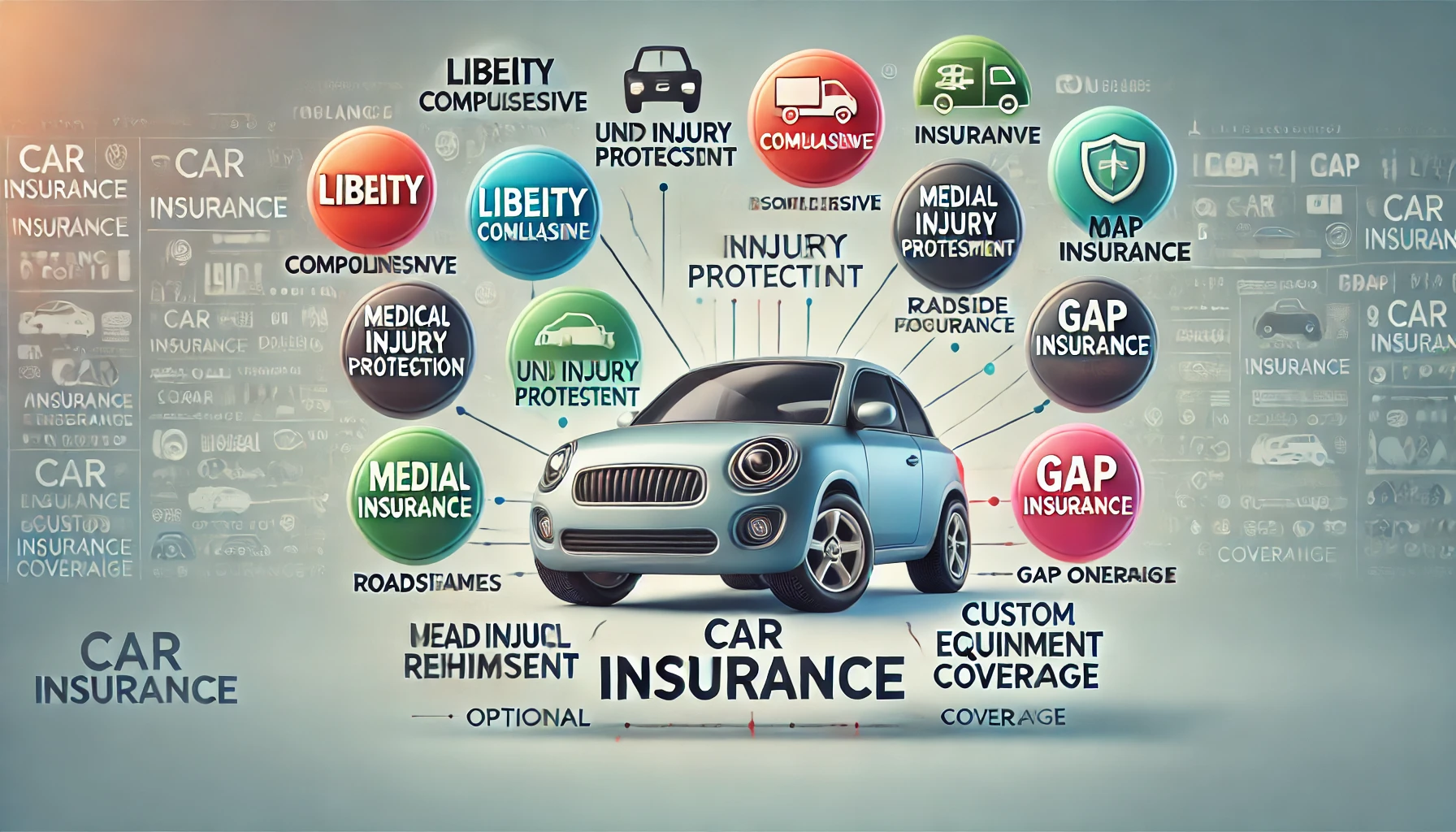
Essential Optional Coverages for Vespa Owners
Given the physical vulnerability of scooter riders and the high market value of Vespas compared to generic scooters, optional coverages are highly advisable:
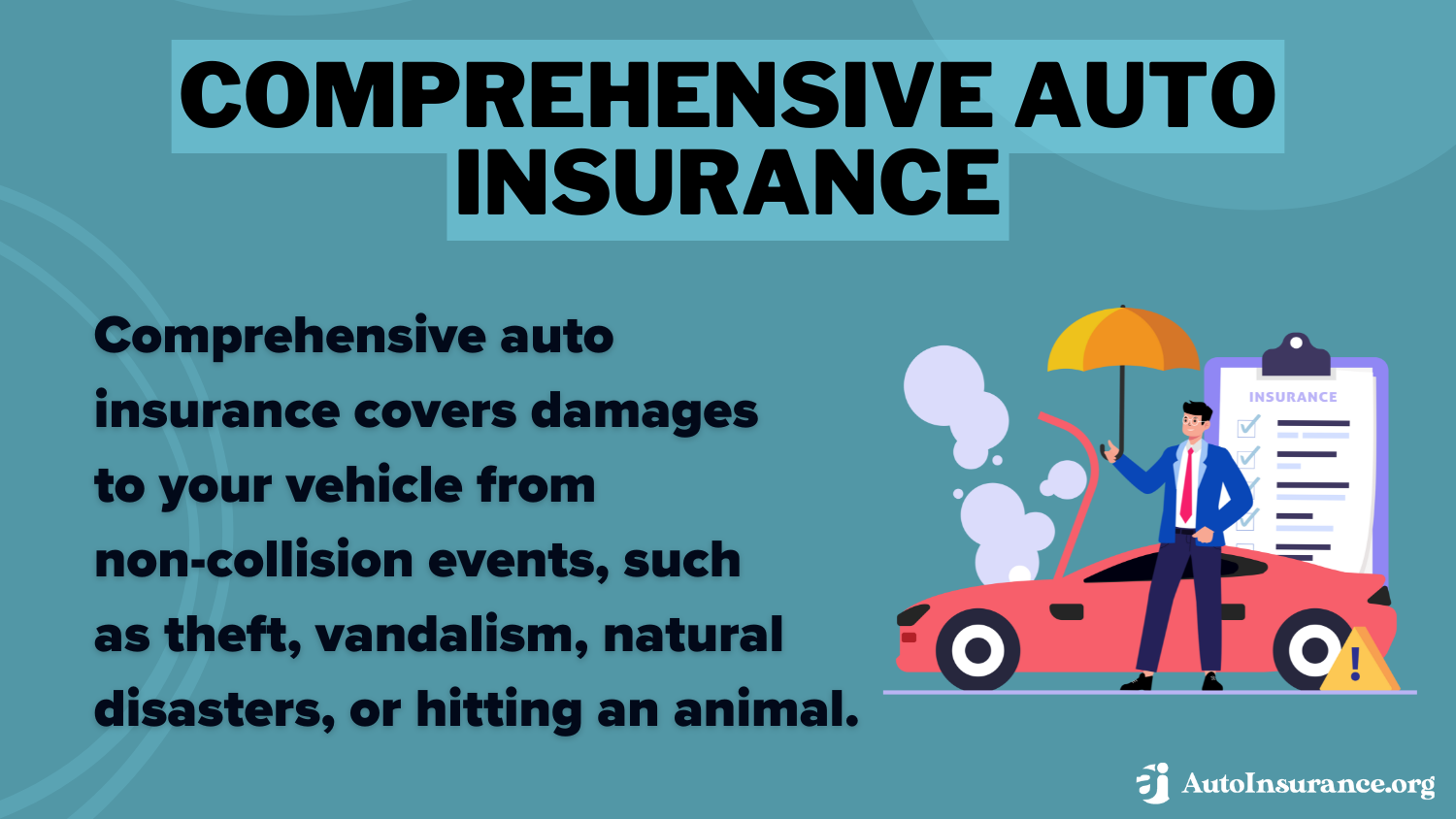
- Comprehensive Coverage: Vespas are primary targets for theft because two people can quickly lift a 250-pound scooter into the back of a pickup truck. Comprehensive coverage reimburses you if your Vespa is stolen, vandalized, damaged by fire, or struck by an animal.
- Collision Coverage: Covers repairs to your Vespa if you hit another vehicle, crash into an obstacle, or lay the bike down on slick asphalt, regardless of who was at fault.
- Uninsured/Underinsured Motorist (UM/UIM) Coverage: If an uninsured car strikes your Vespa or flees the scene in a hit-and-run, UM/UIM covers your medical expenses and bike repairs. Given the severity of injuries riders can suffer in vehicle collisions, UM/UIM is one of the most vital protections for scooter operators.
- Medical Payments (MedPay) or Personal Injury Protection (PIP): Helps pay immediate medical costs, emergency transportation, and hospital bills for you and your passenger regardless of fault.
- Custom Parts and Equipment (CPE): Original Vespa top cases, windscreen extensions, chrome crash guards, and performance exhausts often exceed standard policy limits. CPE coverage protects non-factory upgrades.
Vespa Model & Classification Comparison
The following matrix compares common Vespa models, their technical specs, license requirements, and insurance classifications under typical U.S. state vehicle codes:
| Vespa Model | Engine Displacement / Power | Top Speed (Approx.) | Typical Vehicle Classification | License Required | Insurance Mandate Status |
|---|---|---|---|---|---|
| Vespa Primavera 50 | 49cc (Gasoline) | 30–35 mph | Moped / Limited-Use Motor Vehicle | Standard Driver's License | Required in most states; optional in select moped jurisdictions |
| Vespa Sprint 50 | 49cc (Gasoline) | 30–35 mph | Moped / Limited-Use Motor Vehicle | Standard Driver's License | Required in most states; optional in select moped jurisdictions |
| Vespa Elettrica (28 mph) | 3.6 kW Motor | 28 mph | Electric Moped | Standard Driver's License | Required in most states |
| Vespa Primavera 150 | 155cc (Gasoline) | 60–65 mph | Motorcycle | Motorcycle Endorsement (Class M) | Mandatory minimum liability policy |
| Vespa Sprint 150 | 155cc (Gasoline) | 60–65 mph | Motorcycle | Motorcycle Endorsement (Class M) | Mandatory minimum liability policy |
| Vespa GTS 300 | 278cc (Gasoline) | 75–80 mph | Motorcycle | Motorcycle Endorsement (Class M) | Mandatory minimum liability policy |
| Vespa GTV 300 | 278cc (Gasoline) | 75–80 mph | Motorcycle | Motorcycle Endorsement (Class M) | Mandatory minimum liability policy |
Factors That Determine Vespa Insurance Premiums
Vespa insurance is generally much less expensive than insurance for high-displacement sportbikes or passenger cars, but rates vary widely based on several key underwriting metrics. On average, basic liability coverage for a Vespa ranges from $100 to $200 per year, while comprehensive full-coverage policies for newer 150cc or 300cc models range between $300 and $600 annually.
Key Factors Influencing Vespa Insurance Costs:
- Rider Profile: Age, riding experience, driving record
- Scooter Specifications: Engine size (cc), model year, market valuation
- Usage & Location: Urban vs. suburban ZIP code, annual mileage, commuting status
- Storage & Security: Locked garage vs. street parking, anti-theft devices installed
- Coverage Choices: Deductible amounts ($250, $500, $1000), policy limits selected
Key Cost Drivers Explained
- Engine Size and Valuation: A 50cc Primavera costs significantly less to insure than a $8,500 Vespa GTS Super 300 because of lower replacement values and lower maximum operating speeds.
- Geographic Location: Scooters parked on city streets in dense metropolitan areas like New York, San Francisco, or Miami face high theft rates, leading to higher comprehensive premiums than scooters stored in suburban garages.
- Rider Age and Experience: Young or novice riders pay higher premiums. Completing an accredited safety course, such as those offered by the Motorcycle Safety Foundation (MSF), often earns a 5% to 15% premium discount across major insurance providers.
- Storage Security: Insurance companies frequently ask whether the vehicle is stored in a secured enclosure. Using disc locks, GPS trackers, or keeping the Vespa inside a private garage lowers the risk profile for comprehensive claims.
Step-by-Step: How to Properly Insure Your Vespa
Follow this process to secure valid coverage before taking your scooter onto public roads:
Step 1: Obtain the Vehicle Identification Number (VIN)
Whether buying new from a dealer or used from a private seller, locate the 17-character VIN on the Vespa chassis frame or registration title. Insurers need the VIN to accurately identify the specific model year, displacement, and factory options.
Step 2: Confirm Your Local DMV Requirements
Check your state’s DMV or Department of Transportation website to determine whether your specific Vespa model is classified as a moped or a motorcycle. Note whether you need a motorcycle endorsement to operate it legally on public roads.
Step 3: Determine Your Needed Coverage Level
If your Vespa is financed through a bank or dealer loan, the lender will require full coverage (collision and comprehensive) with maximum deductible limits (typically $500 or $1,000). If you own the bike outright, evaluate whether your budget can absorb the loss if the Vespa is stolen or damaged in a single-vehicle spill.
Step 4: Gather Quotes and Apply Discounts
Obtain quotes from multiple motorcycle insurers. Inquire about available policy discounts:
- Multi-policy bundling (combining auto, home, or renters insurance)
- MSF Safety Course completion discount
- Paid-in-full discount
- Association discounts (e.g., Vespa Club of America membership)
Step 5: Finalize the Policy and Register the Scooter
Purchase the policy and set the effective date to start on or before the day you take possession of the Vespa. Bring printouts of your insurance binder or digital insurance card to the DMV to complete registration and receive your license plate.
Common Pitfalls to Avoid
Riding a Vespa without proper coverage or licensing can lead to costly consequences. Avoid these frequent mistakes made by new scooter owners:
- Assuming Car Insurance Extends to Scooters: Driving a Vespa under the impression that your auto policy automatically covers you can result in denied claims, personal liability for damages, and citations for driving uninsured.
- Riding Without an M Endorsement on 150cc+ Models: If you crash a 150cc or 300cc Vespa and only hold a standard Class D driver's license, your insurance carrier may deny the claim due to unauthorized or illegal operation.
- Skipping Comprehensive Coverage on Urban Commuters: Because Vespas are lightweight and easy to roll away, bike theft is a common claim type. Dropping comprehensive coverage to save a few dollars a month leaves you completely unprotected if your Vespa vanishes from street parking.
- Failing to Insure Accessories: Factory wind-deflectors, top cases, leather seats, and high-end helmets are not always covered under standard motorcycle policies unless added via an accessory endorsement.
Frequently Asked Questions
Can I add my Vespa to my standard car insurance policy?
No, standard auto policies strictly cover four-wheeled passenger vehicles. You must purchase a standalone motorcycle policy or add a motorcycle endorsement to your insurer's powersports lineup. However, you can often bundle both policies under one provider account for a discount.
Do I need insurance for a 50cc Vespa?
In most U.S. states and international jurisdictions, any motorized vehicle operated on public roads requires minimum liability insurance, including 50cc models. A small number of states classify 50cc scooters as mopeds and exempt them from insurance mandates, but holding liability and comprehensive protection remains strongly recommended.
Does Vespa insurance cover theft?
Insurance covers theft only if you carry Comprehensive Coverage. Basic liability policies mandated by states cover damage you cause to others, but offer zero reimbursement if your Vespa is stolen, vandalized, or damaged by fire.
Will my insurance cover a passenger on my Vespa?
Passenger coverage depends on your policy terms. Guest Passenger Liability coverage is included in many standard motorcycle policies, but some states or insurers require you to explicitly add it to your contract. Check your policy documentation before carrying a passenger on a double-seat Vespa model.
Is insurance cheaper for an electric Vespa compared to a gas model?
Insurance rates for the Vespa Elettrica are comparable to gas-powered 50cc or 150cc models with similar top speeds. Premium differences depend more on the replacement cost of the electric battery and vehicle repair estimates than the drivetrain itself.
Practical Recommendation & Next Steps
If you are planning to purchase or currently own a Vespa, treat its insurance requirements with the same diligence as a standard motor vehicle.
- Verify Legal Status: Contact your local DMV to confirm whether your Vespa model requires a motorcycle endorsement or simple moped registration.
- Select Comprehensive Protection: Given high urban theft rates for Italian scooters, opt for a policy that includes Comprehensive coverage alongside your legal minimum liability limits, selecting a deductible ($250 or $500) you can comfortably afford out-of-pocket.
- Secure Discounts: Enroll in a recognized Motorcycle Safety Foundation (MSF) basic rider course to sharpen your defensive riding skills while securing immediate policy discounts with your chosen carrier.
Image Gallery