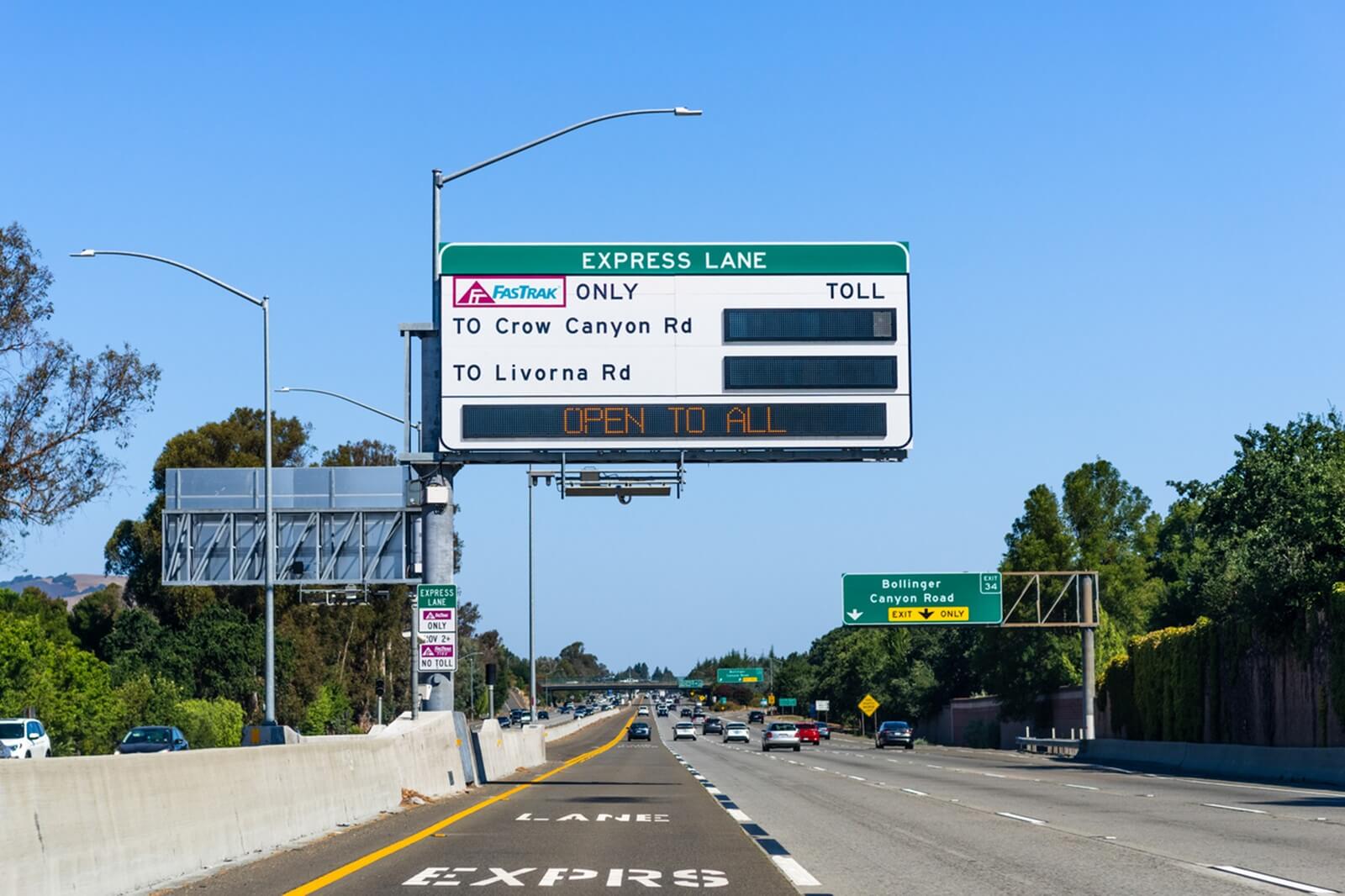
California Toll Fees and Payment Systems: Complete 2026 Driver Guide
Navigating California's toll roads, bridges, and express lanes requires understanding a fragmented network managed by multiple regional agencies. Toll fees vary significantly by location, payment method, and vehicle occupancy, with ele...
Navigating California's toll roads, bridges, and express lanes requires understanding a fragmented network managed by multiple regional agencies. Toll fees vary significantly by location, payment method, and vehicle occupancy, with electronic transponders like FasTrak offering the most cost-effective travel across state-operated and private infrastructure.
Contents
Understanding California's Toll Infrastructure and Regional Authorities
California does not have a single centralized toll authority. Instead, operations are divided among several regional transportation agencies and public-private partnerships. Each entity sets its own pricing structures, operational rules, and violation policies, though most accept the statewide standard electronic toll collection system.
- Bay Area Toll Authority (BATA): Manages the seven state-owned bridges in the San Francisco Bay Area, including the San Francisco-Oakland Bay Bridge, Antioch, Benicia-Martinez, Carquinez, Dumbarton, Richmond-San Rafael, and San Mateo-Hayward bridges.
- Golden Bridge, Highway and Transportation District: Operates exclusively on the iconic Golden Gate Bridge, utilizing all-electronic toll collection with no cash lanes.
- Transportation Corridor Agencies (TCA): Operates Orange County's toll roads, including State Routes 73, 133, 241, and 261, offering flexible express connector options.
- Los Angeles County Metropolitan Transportation Authority (Metro) & Caltrans District 7: Manages the growing network of High-Occupancy Toll (HOT) express lanes on major freeways like I-110, I-10, and parts of SR-91.
- San Diego Association of Governments (SANDAG): Operates the Interstate 15 Express Lanes and State Route 125 South Bay Expressway in the San Diego region.
Current Toll Fee Structures Across Major California Corridors
Toll rates in California depend heavily on peak commuting hours, axle counts, and whether drivers use an electronic transponder or the "Toll-by-Plate" registration image capture system. Modern pricing models utilize dynamic congestion pricing, meaning rates fluctuate based on real-time traffic volume in express lanes.
| Toll Facility / Region | Standard Transponder Rate | Toll-by-Plate / Video Rate | Peak Hour Pricing Rules |
|---|---|---|---|
| Bay Area State-Owned Bridges | $8.00 - $9.50 (Flat / Peak) | $8.00 - $9.50 | Higher rates apply during peak commute hours (typically 5:00 AM – 10:00 AM and 3:00 PM – 7:00 PM). |
| Golden Gate Bridge | $8.75 | $9.75 | Flat rate applied to all registered users; higher fee assessed for unregistered license plate imaging. |
| Orange County Toll Roads (SR-73, 133, 241, 261) | $2.50 - $7.50 per segment | $3.50 - $8.50 per segment | Rates vary by specific toll plaza, direction of travel, weekend versus weekday schedules, and axle count. |
| LA Metro Express Lanes (I-10, I-110) | $0.50 - $1.40+ per mile | Not Available (FasTrak Required) | Dynamic pricing changes every few minutes based on real-time freeway speeds and congestion levels. |
| SR-91 Express Lanes (Orange County) | $1.50 - $11.50+ | Not Available (FasTrak Required) | Heavily tiered schedule based on exact minute, hour, and day of the week, with maximum rates during peak crunch times. |
Operational Notice: Cash is no longer accepted at any major toll bridge or highway facility in California. All lanes have transitioned entirely to electronic toll collection or license plate reading infrastructure to maintain continuous traffic flow and reduce idling emissions.
Available Payment Methods and Transponder Options
Choosing the correct payment method prevents costly toll violations and administrative fees. California relies heavily on interoperable transponder technology and digital account management platforms.
FasTrak Electronic Transponders
FasTrak is accepted on every toll bridge, toll road, and express lane throughout California. Drivers can choose between standard switchable transponders and standard sticker transponders.
- Standard Switchable Transponder: Ideal for vehicles eligible for carpool discounts. Features a physical switch (1, 2, or 3+ occupants) required to claim carpool and high-occupancy vehicle (HOV) toll exemptions on specific express lanes.
- Sticker Transponder: A thin, battery-free RFID sticker permanently affixed to the inside windshield. Suitable for solo drivers who do not qualify for carpool discounts. Note that sticker transponders cannot be switched and will automatically charge standard solo rates.
Toll-by-Plate and License Plate Accounts
For motorists who do not wish to mount a physical transponder, setting up a License Plate Account links a specific vehicle registration and credit card to the toll system. When passing through a toll point, overhead cameras photograph the license plate and automatically deduct the toll fee from the linked account balance.
One-Time Payments and Guest Passes
Drivers who only use California toll facilities occasionally can make one-time payments online or via customer service call centers.
- Bay Area Crossings: Payments must be made within 48 hours before or 48 hours after crossing a bridge.
- Orange County Toll Roads: Payments must be made within 5 days after driving the road to avoid receiving a formal Toll Invoice in the mail.
- Golden Gate Bridge: One-time payments can be made up to 48 hours in advance or within 48 hours after travel.
Step-by-Step Guide: How to Pay a Toll Invoice or Dispute a Violation
Failing to pay a toll within the designated grace period triggers a Notice of Toll Evasion. Navigating this process requires prompt attention to avoid steep late penalties.
- Check Your Notice Details: Review the Notice of Toll Evasion or Toll Invoice for the exact license plate number, vehicle description, date, time, and location of the unpaid toll transaction.
- Access the Managing Agency Portal: Identify which regional agency issued the notice (e.g., BATA, The Toll Roads of Orange County, or Golden Gate Bridge District) and navigate to their official online customer service portal.
- Enter Account or Notice Credentials: Input the violation notice number and the vehicle license plate number to pull up the photographic evidence and outstanding balances.
- Select Payment or Dispute Options: Pay the base toll plus any initial administrative fees using a credit card, debit card, or electronic check. If the vehicle was sold, stolen, or operated by another driver, follow the specific dispute or transfer-of-liability instructions provided on the back of the notice.
- Submit Supporting Documentation: For contested violations, upload required legal documents such as a DMV Notice of Transfer and Release of Liability, a police report for a stolen vehicle, or rental car agreements within the specified administrative deadline (typically 21 days from the notice mailing date).
Pros and Cons of Using California Express Lanes and Toll Roads
Evaluating the financial and time-saving trade-offs helps drivers decide whether to utilize toll facilities during daily commutes.
Advantages
- Significant Time Savings: Express lanes and toll bypasses consistently save commuters 15 to 45 minutes during peak rush hours, particularly in congested corridors like the SR-91 and I-405.
- Predictable Travel Times: High-occupancy toll lanes guarantee minimum speed thresholds (typically 45 mph or greater), providing reliable arrival times for appointments and work shifts.
- Carpool Incentives: Clean air vehicles (CAVs) and high-occupancy vehicles often receive significant toll discounts or free passage during specific hours, promoting fuel efficiency.
Disadvantages
- High Dynamic Pricing Costs: During severe traffic congestion, express lane toll fees can escalate rapidly, making daily use expensive for regular commuters.
- Fragmented Administrative Systems: Managing multiple accounts across different regional operators (FasTrak Bay Area versus TCA versus Metro Express Lanes) can create confusion.
- Severe Violation Penalties: Missing short payment windows results in administrative fees and late penalties that quickly exceed the cost of the original toll.
Troubleshooting Common California Toll Issues
Resolving billing errors and transponder malfunctions promptly prevents accounts from entering default collections.
- Transponder Not Reading: If overhead gantries consistently fail to read a transponder, ensure it is mounted correctly within two inches of the rearview mirror without metal tinting obstructing the signal. Request a replacement transponder from your issuing agency if the internal battery fails.
- Rented or Borrowed Vehicles: When driving a rental car, check if the rental company provides an integrated toll pass program. Many rental agencies charge daily convenience fees whether tolls are used or not. Alternatively, bring a portable FasTrak transponder or register the temporary license plate on a temporary visitor account.
- Unrecognized Plate Images: Ensure your state DMV registration details match your current mailing address. Outdated addresses prevent toll invoices from reaching you before late penalties are applied.
Frequently Asked Questions About California Toll Fees
What happens if I drive through a California toll lane without a transponder?
Cameras capture your license plate, and a Toll Invoice is mailed to the registered owner of the vehicle. You have a limited window (typically 48 hours to 5 days depending on the facility) to pay the standard toll online before administrative penalties and violation notices are issued.
Do electric vehicles get discounts on California toll roads?
Certain clean air vehicles (CAVs) with valid decals qualify for toll discounts on specific express lanes and bridges, though rules vary widely by regional authority. Drivers must check current local regulations and use a switchable FasTrak transponder set to the correct occupant position to claim these benefits.
Can I use a single FasTrak transponder across all California toll roads?
Yes. FasTrak transponders are fully interoperable and accepted on all toll bridges, toll roads, and express lanes throughout Northern and Southern California.
How do carpool discounts work on express lanes?
To receive carpool discounts, vehicles must meet the minimum passenger occupancy requirement (usually 2 or 3+ people depending on the lane) and use a switchable FasTrak transponder set to the corresponding number of occupants before entering the lane.
How can I check if I owe unpaid tolls in California?
You can search for unpaid tolls across all regional networks by visiting the primary California FasTrak website or checking individual regional agency portals using your vehicle's license plate number and VIN.
To streamline your daily commute, establish a prepaid FasTrak account today, ensure your vehicle registration address is completely up to date with the DMV, and mount your transponder correctly to secure the lowest possible toll rates across California.
Image Gallery