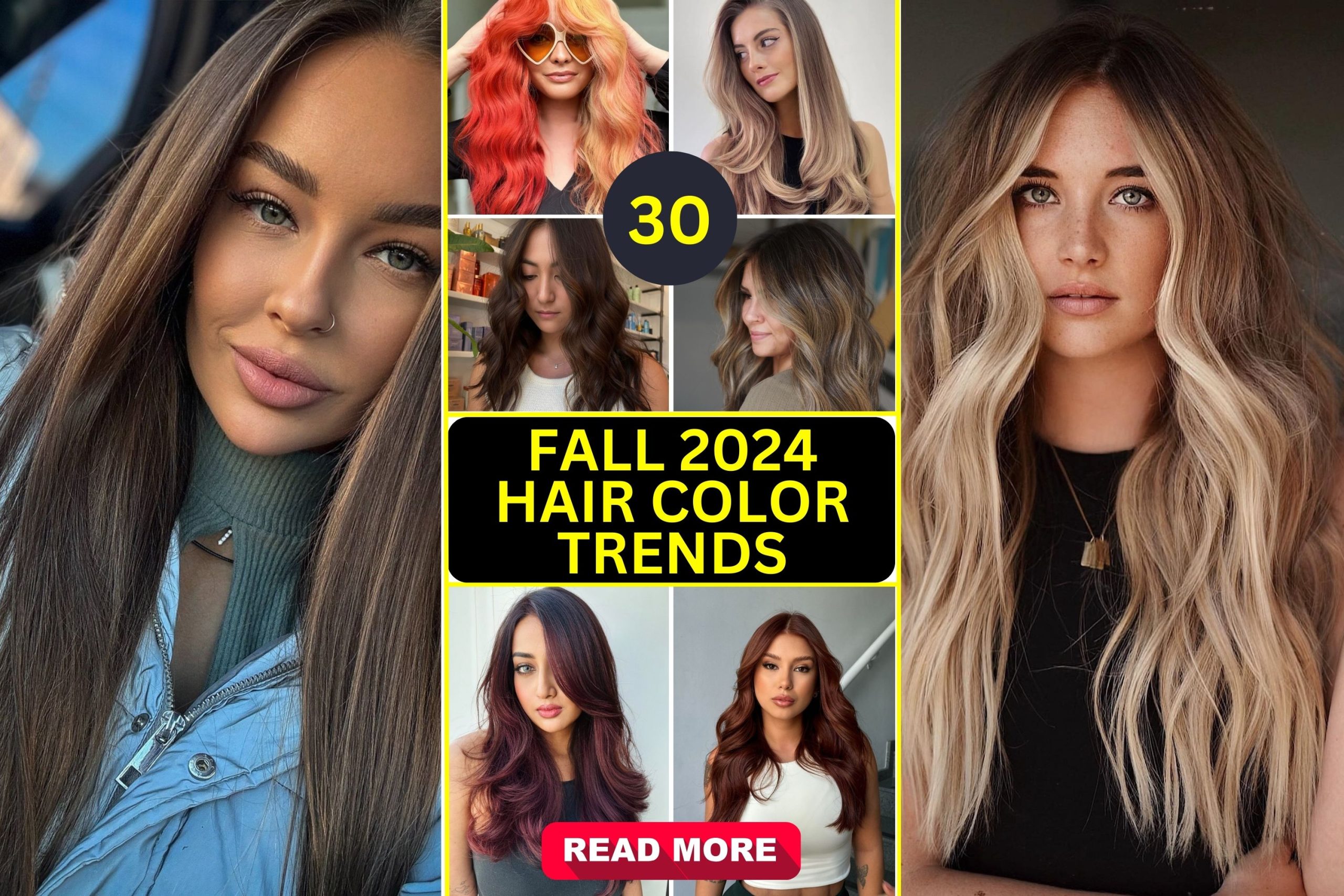
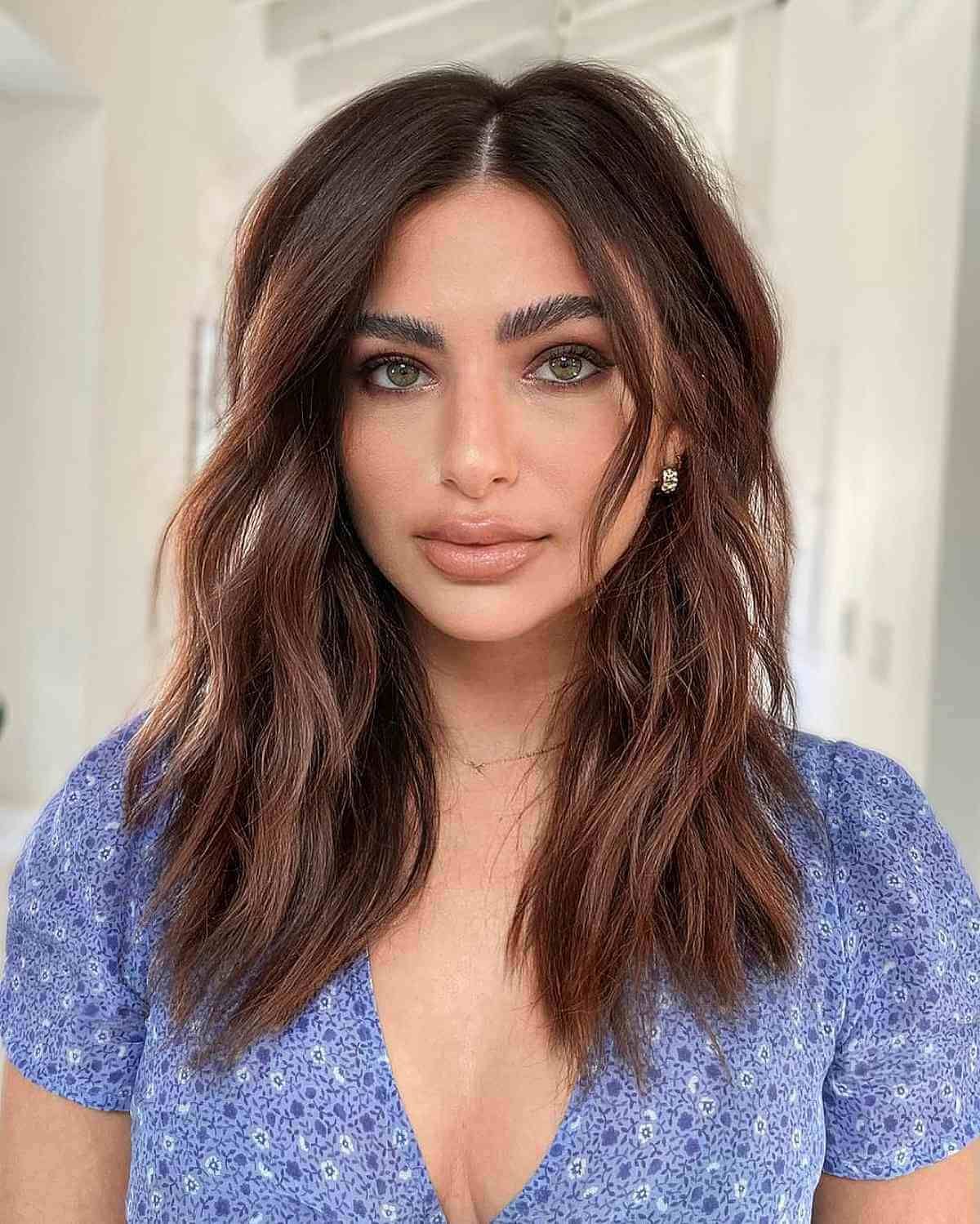
Fall Hair Color with Highlights: 2026 Trend Guide, Technique Breakdown, and Shade Matching
Fall hair colors with highlights combine rich, deeper base shades—such as warm espresso, deep auburn, or rich chestnut—with dimension-enhancing highlight techniques like honey balayage, cinnamon babylights, or caramel ribbons. This sea...
Fall hair colors with highlights combine rich, deeper base shades—such as warm espresso, deep auburn, or rich chestnut—with dimension-enhancing highlight techniques like honey balayage, cinnamon babylights, or caramel ribbons. This seasonal transition blends thermal warmth with structural depth, refreshing sun-bleached summer tresses while protecting hair integrity against drier autumn climates.
Contents
The Science and Aesthetics of Autumn Hair Color Transitions
Transitioning hair color from summer to fall is not merely an aesthetic shift; it is a structural recalibration of the hair shaft. Summer exposure to ultraviolet (UV) radiation, saltwater, and chlorine degrades the hair’s cuticle layer, opening the shaft and stripping natural lipids. This process leaves the hair with elevated porosity and underlying brassy or raw yellow pigments.
Fall color formulation leverages this post-summer state by utilizing low-volume developers and demi-permanent glosses to deposit pigment back into porous strands without further lifting the natural base. When adding highlights to autumn hair, colorists work with the natural level system (ranging from Level 1 Black to Level 10 Lightest Blonde) to create contrast and depth.
Level System & Pigment Spectrum (Technical Breakdown):
- Levels 1–3 (Black to Dark Brown): Predominant Red Underlying Pigment
- Levels 4–5 (Medium to Light Brown): Predominant Red-Orange Underlying Pigment
- Levels 6–7 (Dark Blonde to Medium Blonde): Predominant Orange-Yellow Underlying Pigment
- Levels 8–10 (Light to Lightest Blonde): Predominant Yellow Underlying Pigment
Achieving a harmonious fall hair color with highlights requires balancing the natural underlying pigment of your base shade with tone-correct placement. Rather than high-contrast, stark bleaching, fall highlights prioritize warmth—incorporating amber, mahogany, cinnamon, toasted gold, and soft bronze—to reflect the shift in seasonal ambient lighting.
Top Fall Hair Color with Highlights Trends for 2026
The dominant color trends for autumn 2026 prioritize rich depth accented by dimensional placement. Rather than full-head lightening, these styles lean heavily into dimensional hand-painting, strategic foil placement, and root-melting techniques.
1. Espresso Base with Cinnamon and Amber Foilyage
This high-contrast yet seamless look uses a deep Level 3 or 4 espresso base complemented by hand-painted foilyage highlights in tones of cinnamon, copper, and warm amber (Levels 6 through 7).
- Best For: Medium to thick hair density; dark brown to natural black bases.
- Maintenance Level: Low to moderate (touch up highlights every 10–12 weeks; gloss every 5 weeks).
- Color Tone: Deep, spicy warmth with reflective amber catch-lights under direct sun.
2. Golden Chestnut Base with Honey Butter Babylights
A classic autumn palette combining a warm Level 5 chestnut brown base with microscopic micro-highlights (babylights) of soft honey and pale gold (Level 8). The ultra-fine weave ensures there are no harsh lines of demarcation as the hair grows out.
- Best For: Fine to medium hair textures seeking the optical illusion of added density and volume.
- Maintenance Level: Low (seamless grow-out over 12 weeks).
- Color Tone: Balanced, soft, golden illumination suitable for light-to-medium complexions.
3. Deep Auburn Base with Copper and Bronze Ribbons
For redheads and lovers of vibrant warmth, this style pairs a rich Level 5 auburn base with thick, dimensional "ribbon" highlights of radiant copper and metallic bronze. The ribbon placement creates movement throughout the mid-lengths and ends.
- Best For: Warm or neutral skin undertones; natural warm brunettes or natural dark redheads.
- Maintenance Level: Moderate to high (red pigments oxidize faster; requires color-depositing conditioners).
- Color Tone: Intense, fiery warmth with high dimensional contrast.
4. Cool Walnut Base with Smoky Mushroom Highlights
Not all fall colors require warm red or yellow undertones. The smoky mushroom trend relies on a cool, neutral Level 4 walnut brown base paired with muted ash-beige and pale violet-grey highlights (Level 7–8).
- Best For: Cool skin tones with pink, olive, or bluish undertones.
- Maintenance Level: Moderate (requires purple or blue neutralizing glosses to prevent brassiness).
- Color Tone: Earthy, cool-toned, neutral depth.
5. Dark Chocolate Base with Salted Caramel Teasylights
Teasylights involve backcombing the hair before applying lightener, creating an ultra-soft blur at the root transition. Paired with a dark chocolate base (Level 4), salted caramel tones (Level 6–7) create a rich, luminous look.
- Best For: Anyone transitioning from heavily highlighted summer blonde back to a deeper brunette.
- Maintenance Level: Very Low (root shadow allows for 12–16 weeks between lightenings).
- Color Tone: Creamy, sweet caramel warmth with lived-in softness.
Highlight Application Techniques Compared
The technique used to apply your fall highlights dictates the final visual texture, maintenance schedule, and structural impact on your hair. Selecting the right application method is just as vital as choosing the color shade itself.
| Highlight Technique | Method Overview | Root Demarcation | Optimal Hair Texture | Ideal Fall Vibe | Maintenance Frequency |
|---|---|---|---|---|---|
| Balayage | Freehand surface sweeping of lightener without foil isolation. | Soft, diffuse, invisible grow-out. | Waves, curls, medium-to-thick straight hair. | Sun-kissed, natural graduation to warm fall tips. | 12 – 16 Weeks |
| Foilyage | Hand-painted sections enclosed in thermal foil for maximum lift. | Soft root, bright mid-lengths & ends. | All hair types, especially dark bases. | Vibrant contrast (e.g., Espresso to Amber). | 10 – 12 Weeks |
| Babylights | Micro-fine foil weaves placed densely throughout the head. | Blended, delicate growth line. | Fine to medium, thin, or delicate hair. | Soft, overall brightness like honey-butter silk. | 8 – 10 Weeks |
| Teasylights | Backcombed weaves lightened in foil for seamless blend. | Extremely soft, shadow-root finish. | Medium to coarse hair, straight or wavy. | Lived-in, effortless salted-caramel depth. | 12 – 16 Weeks |
| Traditional Foils | Precise foil weaves brought directly to the root scalp line. | Crisp, defined lines as hair grows. | Straight, structured cuts, short to medium length. | High contrast, structured autumn dimensional stripes. | 6 – 8 Weeks |
Matching Fall Highlights to Your Skin Undertone and Base Color
Selecting an autumn hair color requires evaluating your skin's undertone (cool, warm, or neutral) to ensure the frame around your face enhances your natural complexion rather than washing it out.
Professional Colorist Insight: When selecting fall highlight tones, look at the veins on the inside of your wrist under natural light. Greenish veins indicate warm undertones; blue or purple veins indicate cool undertones; a mix of both indicates neutral undertones.
Cool Skin Undertones (Pink, Red, Olive, or Blue Undertones)
If your skin has cool or pink undertones, avoid bright golden-yellow or intense orange highlights, which can accentuate redness or flush in the face.
- Ideal Base Shades: Dark chocolate, cool ash brown, espresso, icy dark chestnut.
- Ideal Highlight Tones: Mushroom blonde, smoky ash brown, cool taupe, beige, muted cinnamon-clove.
- Placement Tip: Keep the lightest framing pieces soft and ash-toned around the cheekbones to balance redness.
Warm Skin Undertones (Golden, Peach, or Yellow Undertones)
Warm complexions look vibrant paired with autumn hues that mirror their golden base.
- Ideal Base Shades: Warm chestnut, golden brown, deep mahogany, warm rich black.
- Ideal Highlight Tones: Honey blonde, butterscotch, rich copper, amber gold, warm salted caramel.
- Placement Tip: Concentrate warm caramel or honey face-framing "money pieces" near the eyes and jawline to illuminate your skin.
Neutral Skin Undertones (Balanced Blend of Warm and Cool)
Neutral complexions can wear almost any color spectrum. Fall is an ideal time to experiment with dimensional hybrid shades.
- Ideal Base Shades: True dark brown, rich mocha, neutral auburn.
- Ideal Highlight Tones: Bronde (blonde-brunette hybrid), rose gold, spicy nutmeg, hazelnut.
- Placement Tip: Mix two distinct highlight shades—such as warm copper and cool beige—for maximum dimensional depth.
Step-by-Step Maintenance Protocol for Fall Hair Color
Transitioning to deeper fall tones with highlights requires specific maintenance steps. Cooler, lower humidity autumn air depletes moisture, while dyed warm pigments (especially red and copper) are vulnerable to rapid wash-out if not properly sealed.
- Step 1: Color Application & Acidic Bond Sealer (Salon Phase)
- Step 2: 48-Hour Water Fast & Lipid Barrier Restoration
- Step 3: Weekly Sulfate-Free Cleansing & Cold-Water Rinse Routine
- Step 4: Bi-Weekly Pigment-Refreshing Gloss or Color Mask
- Step 5: Daily Thermal Protection & Hydration (Leave-In Oils/Serums)
Step 1: Post-Color Wash Fasting (First 48 Hours)
Do not wash your hair for at least 48 hours following a color service. This period allows the hair cuticle to fully lay flat and locked, trapping the new oxidative dye molecules inside the cortex. Washing too early opens the cuticle and leaches out demi-permanent tonal glazes.
Step 2: Switch to Low-pH, Sulfate-Free Cleansers
Standard shampoos contain harsh sulfates (such as Sodium Lauryl Sulfate) that strip hair dyes and natural scalp oils. Transition to an acidic, sulfate-free shampoo formulated specifically for color-treated hair (pH 4.5–5.5). The lower pH seals the cuticle scale, locking in warmth and moisture.
Step 3: Integrate Color-Correcting Deposition Treatments
- For Caramel, Honey, and Warm Brown Highlights: Use a blue-pigmented shampoo once every 2–3 weeks to neutralize unwanted orange or brassy tones on Level 4–6 brunettes.
- For Blonde or Beige Highlights: Use a purple-pigmented shampoo once a week to keep Level 8–10 highlights clean and ash-toned.
- For Copper, Auburn, and Cinnamon Highlights: Avoid anti-brass shampoos entirely. Instead, use a copper or red color-depositing conditioner every 3rd wash to reintroduce vibrant dye molecules lost during cleansing.
Step 4: Apply Weekly Hydro-Nourishing Masks
Autumn weather reduces ambient humidity, drying out highlighted ends. Apply a deep-conditioning mask rich in fatty acids (e.g., argan oil, shea butter, squalane) and structural proteins (keratin, hydrolyzed silk) once a week. Apply from mid-lengths to ends, leave on for 15 minutes, and rinse with lukewarm or cool water.
Step 5: Seal with Heat Protectants Before Styling
Direct heat from blow dryers, curling irons, and straighteners melts artificial hair toner, turning warm caramel highlights into raw, brassy orange. Always apply a heat-protectant serum or spray rated up to 450°F (232°C) prior to using hot tools. Keep tool temperatures below 375°F (190°C) for color-treated hair.
Common Pitfalls: How to Fix Brassy, Faded, or Muddy Fall Tones
Even with careful application, fall colors with highlights can experience tonal shifts over time. Understanding color chemistry helps you fix these issues effectively.
Problem A: Highlights Turned Unwanted Brassy Orange
- The Cause: As glosses fade, the underlying warm pigment exposed during the lightening process (orange at Levels 5–7) resurfaces.
- The Solution: Schedule an in-salon demi-permanent gloss service or use an at-home blue-tinted toning mask. Blue sits directly opposite orange on the color wheel, immediately neutralizing brassiness into a rich, neutral brown.
Problem B: Color Looks "Muddy" or Too Dark
- The Cause: Applying a dark fall root melt or lowlights over lightened summer blonde without first "filling" the hair with a warm target pigment cause the hair to absorb too much ash, resulting in a dull, grey, or greenish tint.
- The Solution: A colorist must perform a clarifying treatment followed by a warm gold or copper filler glaze to restore lost warm undertones.
Problem C: Copper or Red Highlights Fade Rapidly
- The Cause: Red dye molecules are physically larger than other color pigments and do not penetrate as deeply into the hair cortex, making them wash out faster.
- The Solution: Wash hair exclusively in cold water, reduce shampoo frequency to 2 times a week max, use dry shampoo between washes, and use a custom red/copper color-depositing conditioner weekly.
Frequently Asked Questions
How do I transition my bright summer blonde to a fall hair color with highlights?
Transitioning from summer blonde to fall color involves adding lowlights and a root shadow rather than completely dyeing over your blonde. A colorist will paint deeper brown or warm amber tones back into your hair while leaving select pieces bright to create contrast.
This approach creates a low-maintenance, dimensional look that naturally transitions your bright summer color into rich autumn warmth without causing unnecessary damage to your hair strands.
Will adding dark lowlights and fall highlights damage my hair?
Adding dark lowlights deposits color into your hair using gentle, low-volume developers, which causes minimal to no damage. Highlights require lightener, but because fall highlights prioritize warm, richer shades (like amber, honey, or caramel), your colorist does not need to lift your hair as drastically as they would for bright summer blonde.
Using bond-building additives during the bleaching process further protects your hair's structural integrity.
How often should I refresh my fall highlights and gloss?
You should refresh your toner or gloss every 4 to 6 weeks to maintain shade richness, shine, and tone accuracy. Full highlight touch-ups depend heavily on the technique used: traditional foils require touch-ups every 6 to 8 weeks, while balayage, foilyage, or teasylights can easily go 12 to 16 weeks between salon visits.
Can I get fall highlights if I have natural dark brown or black hair?
Yes, dark brown and natural black bases look striking with fall highlights when using shades like cinnamon, warm bronze, copper, or rich caramel. Techniques like foilyage and teasylights allow dark hair to achieve vibrant lightened tones while maintaining a seamless, natural root blend that avoids harsh grow-out lines.
What is the difference between caramel balayage and honey babylights?
Caramel balayage uses a freehand painting technique to apply warm, medium-brown caramel tones (Levels 6–7) onto larger sections of hair, creating soft, sweeping dimensional ribbons focused on the mid-lengths and ends. Honey babylights use micro-fine foil weaves to distribute pale golden-honey tones (Level 8) evenly from root to tip, resulting in a finely blended, overall brightening effect.
Consultation Blueprint: What to Tell Your Colorist
Before stepping into the salon for your autumn hair transformation, clear communication with your colorist ensures your expectations match the final chemical result. Bring reference photos showing hair under natural daylight, and be prepared to discuss your routine.
- Specify Your Ideal Maintenance Window: Explicitly state how often you can visit the salon (e.g., "I can only come in every 12 weeks, so I need a seamless balayage or root shadow").
- Disclose Chemical History: Inform your colorist of all chemical services performed over the last 2 years, including home box dyes, glosses, keratin treatments, or henna.
- Discuss Your Styling Habits: Tell your colorist if you air-dry, heat-style daily, or regularly wear your hair up, as this dictates where face-framing highlights and dimensional ribbons should be placed.
Investing in high-quality, sulfate-free color care and protecting your hair from excessive heat styling ensures your fall hair color with highlights stays rich, dynamic, and radiant throughout the entire season.
Image Gallery