Alternative App Store Ecosystem: The Complete Technical and Regulatory Guide
An alternative app store is any third-party digital marketplace that operates independently of default mobile platform gatekeepers, specifically Google Play on Android and Apple's App Store on iOS. These platforms allow developers and...
An alternative app store is any third-party digital marketplace that operates independently of default mobile platform gatekeepers, specifically Google Play on Android and Apple's App Store on iOS. These platforms allow developers and end users to distribute, monetize, install, and update mobile applications outside the primary walled gardens enforced by operating system vendors.
Contents
Regulatory mandates—most notably the European Union's Digital Markets Act (DMA)—and continuous technical evolutions have transformed alternative marketplaces from developer workarounds into commercially viable channels. Whether evaluating these storefronts for competitive user acquisition or side-loading open-source utilities, navigating this landscape requires a deep understanding of distribution architectures, security postures, fee models, and regional platform policies.
Technical Mechanics of Sideloading and Third-Party Marketplaces
Platform architectures differ substantially in how they handle software distribution outside their native ecosystems. Android and iOS rely on separate operating systems, permission frameworks, and execution policies.
Android Distribution Architecture
Android was designed natively with an open application installation framework. Users can install software packages directly through package installation daemons without system-level jailbreaking or unlocking bootloaders.
- Android Package Architecture (APK vs. AAB): While Google Play requires the Android App Bundle (AAB) format to split binaries dynamically on their servers, third-party distribution often relies directly on traditional monolithic APKs, split-APKs (APKS), or open packaging formats like APKM.
- The PackageInstaller API: Modern Android systems expose the
android.content.pm.PackageInstallerAPI. With permissions granted viaREQUEST_INSTALL_PACKAGES, an alternative marketplace can download binaries, queue installations, and trigger package manager sessions. - Unattended Background Updates: Introduced in Android 12, third-party stores can execute automated, unattended background updates for apps they originally installed, provided the user gives ownership authority and the app targets the modern API level.
- Security Scaffolding: Google layers protection across the distribution pipeline via Google Play Protect. Even when downloading an application via an independent store, Play Protect operates as a system-level scanning daemon checking binary signatures against real-time threat intelligence feeds.
iOS Distribution Architecture and the EU Framework
Unlike Android's permissive baseline, iOS remains completely closed by default. Outside the European Union, installing apps outside the iOS App Store generally requires enterprise mobile device management (MDM) provisioning profiles or ad-hoc developer certificates that expire every 7 to 365 days.
Within the European Union, the enforcement of the Digital Markets Act compelled Apple to construct an official framework for alternative app marketplaces on iOS 17.4 and later.
- MarketplaceKit Framework: Apple exposes explicit APIs through
MarketplaceKit. This framework enables designated marketplace apps to handle the direct installation, catalog display, and version tracking of external iOS applications. - Notarization Engine: Alternative iOS apps do not bypass Apple entirely. Every binary submitted for distribution through an external store must pass through Apple’s automated Notarization process. This verifies binary integrity, inspects for known malicious payloads, checks for basic functional compliance, and signs the binary cryptographically.
- Web Distribution & Sideloading: Eligible developers who meet rigorous financial thresholds (such as maintaining a standing letter of credit or demonstrating millions of first-installs) can also distribute apps directly from their own certified websites, bypassing both the native App Store and third-party stores entirely.
Regulatory Catalysts: The Digital Markets Act and Global Mandates
The commercial expansion of alternative app stores is primarily driven by antitrust enforcement and legislative mandates targeting gatekeeper platforms.
The European Union Digital Markets Act (DMA)
The European Commission designated Apple and Google as core platform service gatekeepers under Regulation (EU) 2022/1925. The DMA explicitly prohibits gatekeepers from restricting the installation of third-party marketplaces or requiring developers to use proprietary in-app payment processors.
In response, Apple introduced revised business terms for EU developers. These terms separate the standard commission framework into modular components: an reduced commission for native store listings, a payment processing fee, and the Core Technology Fee (CTF). The CTF levies an annual fee per initial installation after crossing specific volume thresholds, creating unique financial modeling challenges for high-volume, free-to-play apps distributed on alternative channels.
United States Antitrust Litigation and State Initiatives
In the United States, judicial rulings in cases such as Epic Games v. Google forced structural modifications to Google's distribution ecosystem. Rulings require Google to stop mandating Google Play Billing as the exclusive in-app payment method and prohibit anti-steering rules that barred developers from linking users to external, cheaper payment flows.
Simultaneously, multiple U.S. states have advanced open-app-market legislation aimed at preventing operating system vendors from tying platform distribution to mandatory in-app payment schemes.
Asian Regulatory Actions
South Korea’s Telecommunications Business Act amendments laid early groundwork by prohibiting mobile platform operators from forcing specific payment systems on developers. In Japan, the Act on Promotion of Competition for Specified Smartphone Software establishes similar mandates, requiring both Apple and Google to permit alternative marketplaces and external payment systems under threat of severe domestic revenue penalties.
Architectural Comparison: Leading Alternative App Stores
The alternative ecosystem spans commercial enterprise platforms, regional OEM storefronts, and decentralized, open-source repositories. The following table profiles the primary alternative app stores operating across Android and iOS.
| Platform | Primary OS | Primary Distribution Method | App Curation / Vetting Model | Developer Fee Structure | Target Audience & Core Focus |
|---|---|---|---|---|---|
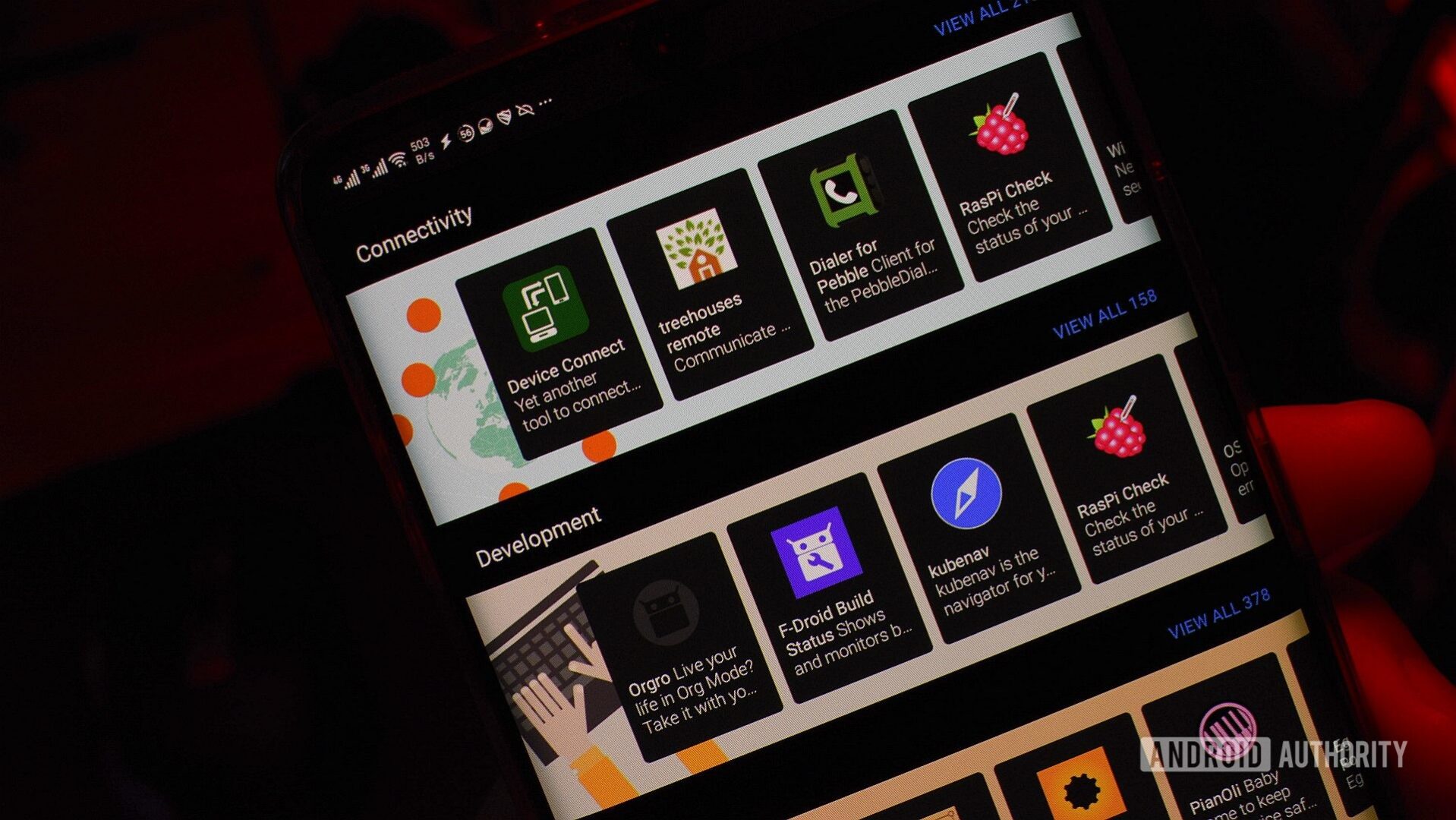
| F-Droid | Android | APK Repository / Client | 100% Free and Open-Source Software (FOSS) audit from source | 0% (Donation / Grant Model) | Privacy advocates, open-source developers, power users |
| Amazon Appstore | Android / Fire OS | Proprietary Client / Pre-installed | Automated security scans + manual quality review | Standard 70/30 split; tiered reductions for small businesses | Fire tablet owners, mainstream consumers, global games |
| Samsung Galaxy Store | Android | Native pre-installation on Samsung hardware | Enterprise security scanning + device optimization review | Standard 70/30 split; negotiable enterprise terms | Samsung device users, customized themes, regional gaming |
| Epic Games Store | Android / iOS (EU Only) | Direct Web Sideload / MarketplaceKit (iOS) | Strict commercial game and utility curation | 88/12 revenue split; 0% fee on external payment processors | Core gamers, cross-platform developers, high-profile studios |
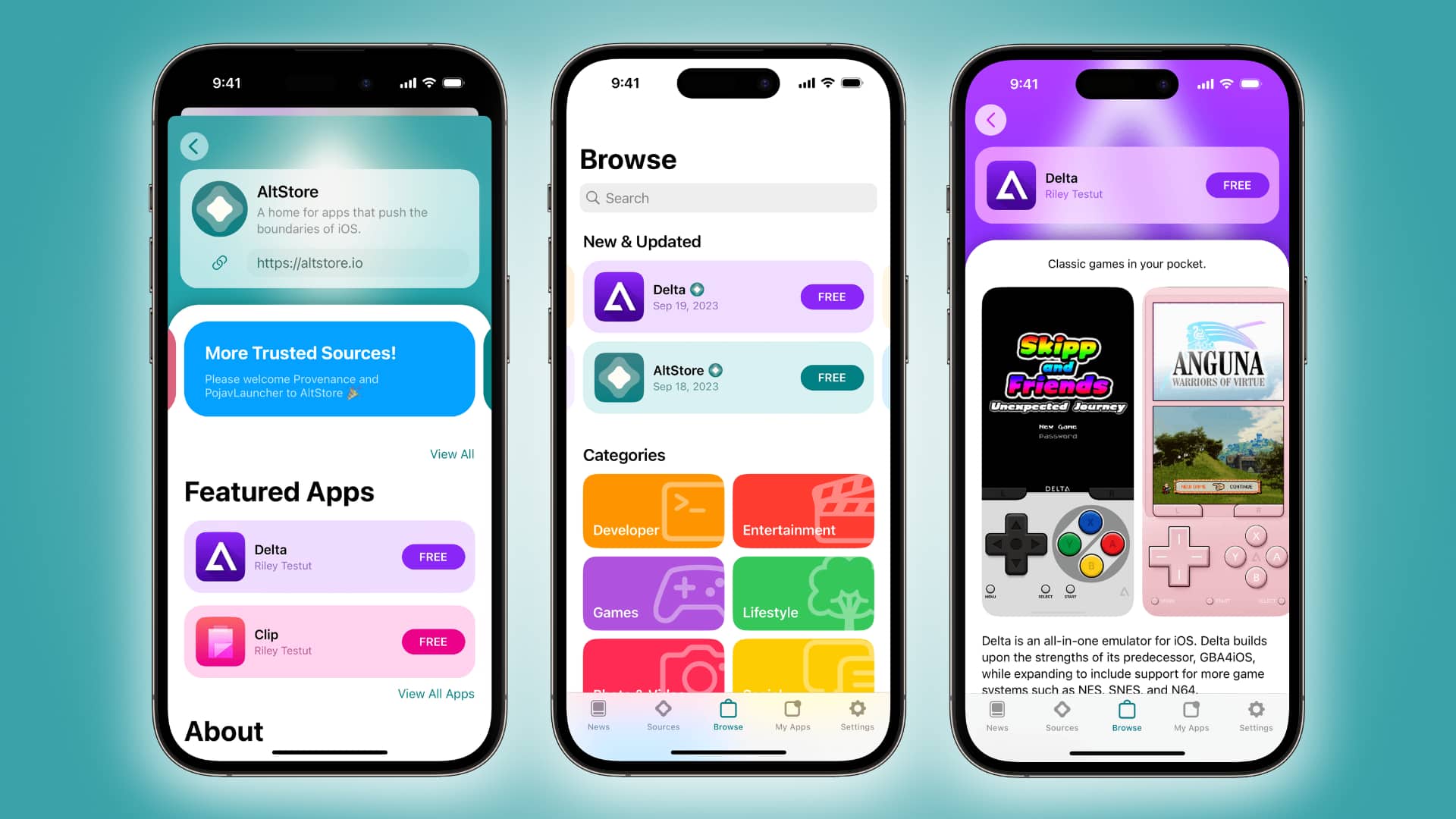
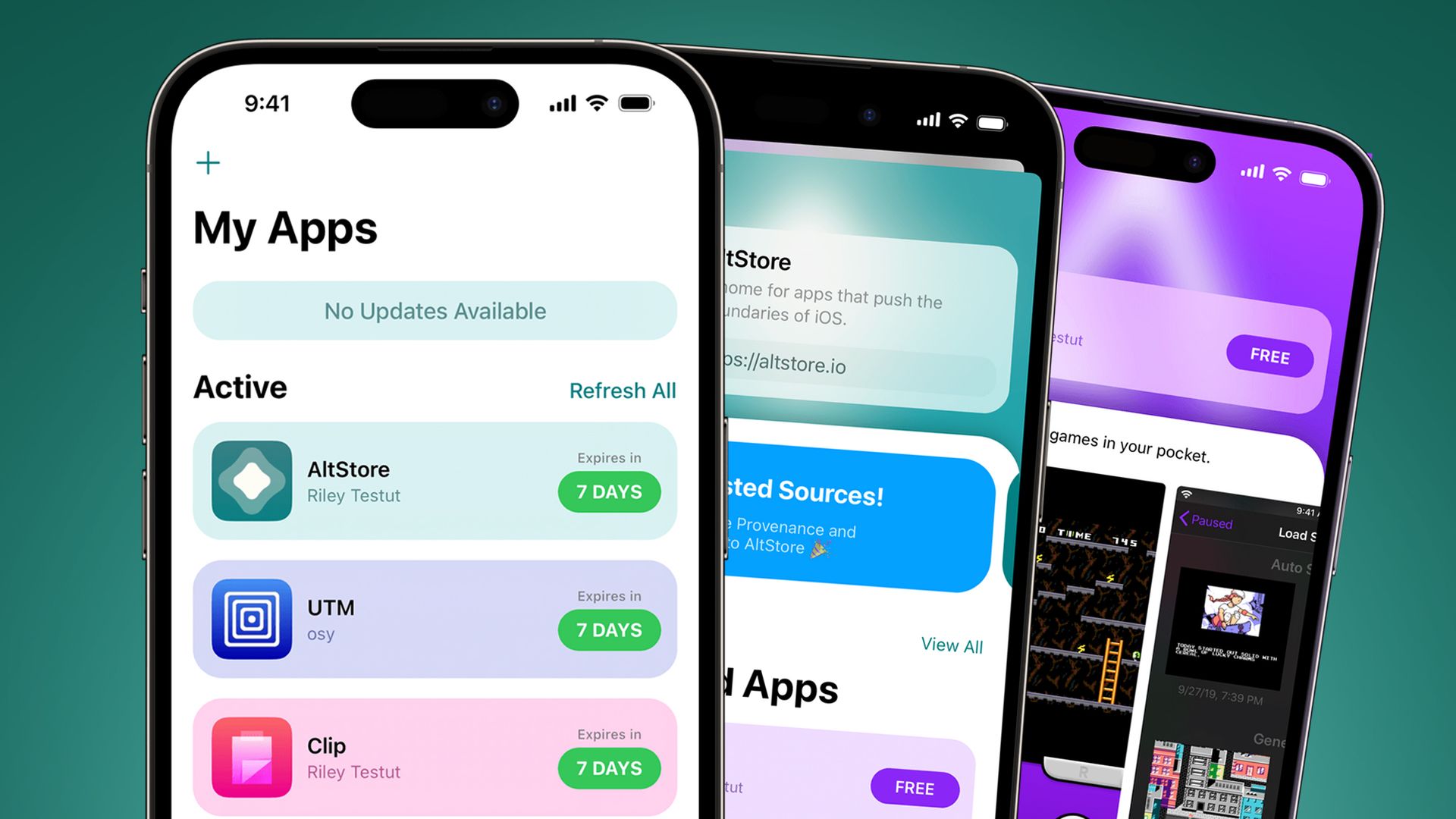
| AltStore PAL | iOS (EU Only) | MarketplaceKit / Web Distribution | Apple Notarization + open-source algorithmic verification | Free apps subsidized by grants/fees; 0% cut of developer transactions | Indie developers, retro emulators, specialized consumer utilities |
| Huawei AppGallery | Android (HarmonyOS) | Pre-installed on Huawei devices / Sideloadable | Multi-layer threat detection and developer real-name verification | Variable rates (5% to 30%) based on app category and region | Users in Huawei-dominated regions, HMS ecosystem developers |
Developer Operations: Packaging, Signing, and Monetization
Distributing software through alternative marketplaces requires engineering and operational adjustments to your continuous integration and deployment (CI/CD) pipelines.
Binary Optimization and Entitlements
When decoupled from Google Play, applications lose automatic access to Google Play Services APIs. This impacts push notifications, location telemetry, dynamic app updates, and integrity verification:
- Push Notifications: Replace or augment Firebase Cloud Messaging (FCM) with open standards like UnifiedPush or vendor-specific implementations like Huawei Mobile Services (HMS) Push Kit or Amazon Device Messaging (ADM).
- Integrity Checks: Decouple your authentication and anti-tamper logic from the Google Play Integrity API. Transition to cross-platform verification services or local public-key cryptography.
- App Bundling: Configure CI/CD runners to compile universal APK packages containing all required application binary interfaces (ABIs like
armeabi-v7a,arm64-v8a,x86_64) rather than relying on dynamic cloud builds.
In-App Purchases and Payment Gateways
One of the primary business incentives for entering alternative app stores is bypassing the standard 15% to 30% platform cuts associated with native in-app purchasing (IAP) rails:
Integration Architecture:
When distributing through independent stores, developers can implement direct merchant-of-record (MoR) or payment service provider (PSP) integrations like Stripe, Adyen, or Paddle. Ensure your billing service includes server-to-server webhook endpoints capable of handling real-time subscription lifecycle updates, automated chargeback remediation, and global value-added tax (VAT) compliance without native platform receipts.
On iOS in the European Union, transactions conducted using external payment systems do not pay Apple's store commission. However, developers must account for the Core Technology Fee and any relevant commercial terms if they operate outside the standard small-developer exceptions.
Security Analysis: Threat Models, Malware Risks, and Mitigations
Alternative distribution fundamentally alters the mobile device threat model. While bypassing walled gardens provides architectural autonomy, it shifts greater operational security responsibility to distributors and users.
Attack Vectors in Unregulated Environments
- Repackaged Trojans and Piracy: Unofficial aggregation platforms often scrape legitimate binaries, inject malicious payloads (such as banking trojans or adware), and redistribute the modified APKs. Because Android checks that updates are signed by the same private key, users who install a trojanized version cannot seamlessly install official updates until they completely remove the compromised package.
- Stale and Abandoned Packages: Unlike centralized stores that actively de-index software targeting obsolete target SDK versions, unmaintained alternative catalogs can expose users to software vulnerable to privilege escalation vulnerabilities that have been patched in modern Android releases.
- Certificate Revocation Delays: In ecosystems without continuous cloud validation, revoking a compromised developer certificate requires active coordination with every individual third-party marketplace to ensure blacklisting across networks.
Enterprise and Advanced Security Mitigations
Deploying secure applications across alternative networks requires several platform safeguards:
- Cryptographic Signing: Strictly utilize Android Signature Scheme v3 or v4. These schemes bind package contents cryptographically to signing certificates, preventing runtime payload alterations and unauthorized repackaging.
- Certificate Transparency and Pinning: Enforce public key certificate pinning within the application networking layer to prevent man-in-the-middle (MitM) attacks, particularly when using untrusted local networks to download updates.
- Binary Hardening: Apply advanced code obfuscation, native code packing, and anti-debugging protection to deter reverse engineering and repackaging by malicious third-party scrapers.
How to Deploy and Manage an Alternative App Store on Android
To run and manage an alternative marketplace such as F-Droid on modern Android devices, users must configure specific operational permissions. The following deployment process details how to establish an external distribution pipeline securely.
Step 1: Configure Package Manager Permissions
- Open the device Settings application.
- Navigate to Apps > Special App Access > Install Unknown Apps.
- Select your primary browser (for example, Google Chrome or Firefox) or your local file explorer.
- Toggle Allow from this source to active status. This grants that specific application permission to invoke the system
PackageInstallerdaemon.
Step 2: Download and Verify the Marketplace Binary
- Download the official installation binary (APK) directly from the marketplace's primary, verified domain.
- Verify the cryptographic SHA-256 checksum of the downloaded file against the publisher's published fingerprints using a mobile terminal emulator or file analysis utility.
- Open the binary to trigger the initial package installation process.
Step 3: Grant Unattended Update Permissions
- Launch the newly installed alternative store.
- When prompted, grant the marketplace application Install Unknown Apps privileges.
- In the store's settings, locate the background synchronization toggle. On Android 12 and newer, activating this feature permits the marketplace to download and silently install package updates for apps originally sourced through its repository without requiring repeated manual approval for every version bump.
Frequently Asked Questions
Does downloading apps from an alternative app store void a device warranty?
No, using an alternative app store does not void your hardware warranty. Modern devices running Android or EU-configured iOS versions natively support alternative app installation without root access, bootloader unlocking, or firmware tampering. Hardware warranties remain legally enforceable regardless of software sources.
However, if an unauthorized or malicious app damages hardware components (such as an overclocking utility causing thermal stress), manufacturers may deny repair coverage for those specific software-induced failures.
Can iOS users outside the European Union access alternative app stores?
Officially, no. Apple uses a multi-factor geographic validation model that evaluates Apple Account billing regions, device network configurations, and physical geolocation telemetries to limit MarketplaceKit availability strictly to the European Union.
Users outside the EU can only access external software through traditional developer channels, such as side-loading apps via ad-hoc distribution, utilizing enterprise MDM profiles, or employing local computer signing utilities (such as Sideloadly) with personal developer certificates.
How do alternative app stores verify application safety?
Safety verification protocols depend on the individual marketplace architecture. Trusted platforms like F-Droid verify safety by compiling every open-source application directly from its public source code repository, eliminating hidden tracking libraries.
Commercial stores like the Amazon Appstore and Huawei AppGallery execute automated anti-malware pipelines combined with manual developer identity verification. Conversely, uncurated repository sites rely strictly on automated hash checks, exposing users to higher risks of repackaged binaries and signature spoofing.
Will apps installed via alternative stores automatically update?
Yes, provided specific platform criteria are met. On Android 12 and above, an alternative store can automatically update any app it originally installed without user intervention, as long as the store retains installation privileges and the app developer maintains matching signing keys.
On iOS in the EU, third-party marketplaces manage background updates directly through Apple's notarized marketplace APIs.
What are the main payment risks of purchasing through alternative app stores?
Native gatekeepers like Google Play and the iOS App Store provide centralized subscription tracking, unified refund requests, and family payment controls.
When you purchase via an alternative marketplace or through a developer's direct web-billing system, refund disputes, subscription management, and privacy terms are handled entirely by that specific third party or their payment processor (such as Stripe or Paddle). You lose centralized platform-level billing protections and unified cancellation interfaces.
Navigating the alternative app store landscape requires balancing commercial flexibility and lower fee margins against developer integration complexity and distributed security considerations. For engineering teams evaluating multi-store publishing pipelines, begin by separating your app's internal logic from proprietary platform APIs to ensure seamless portability across all target application marketplaces.
Image Gallery