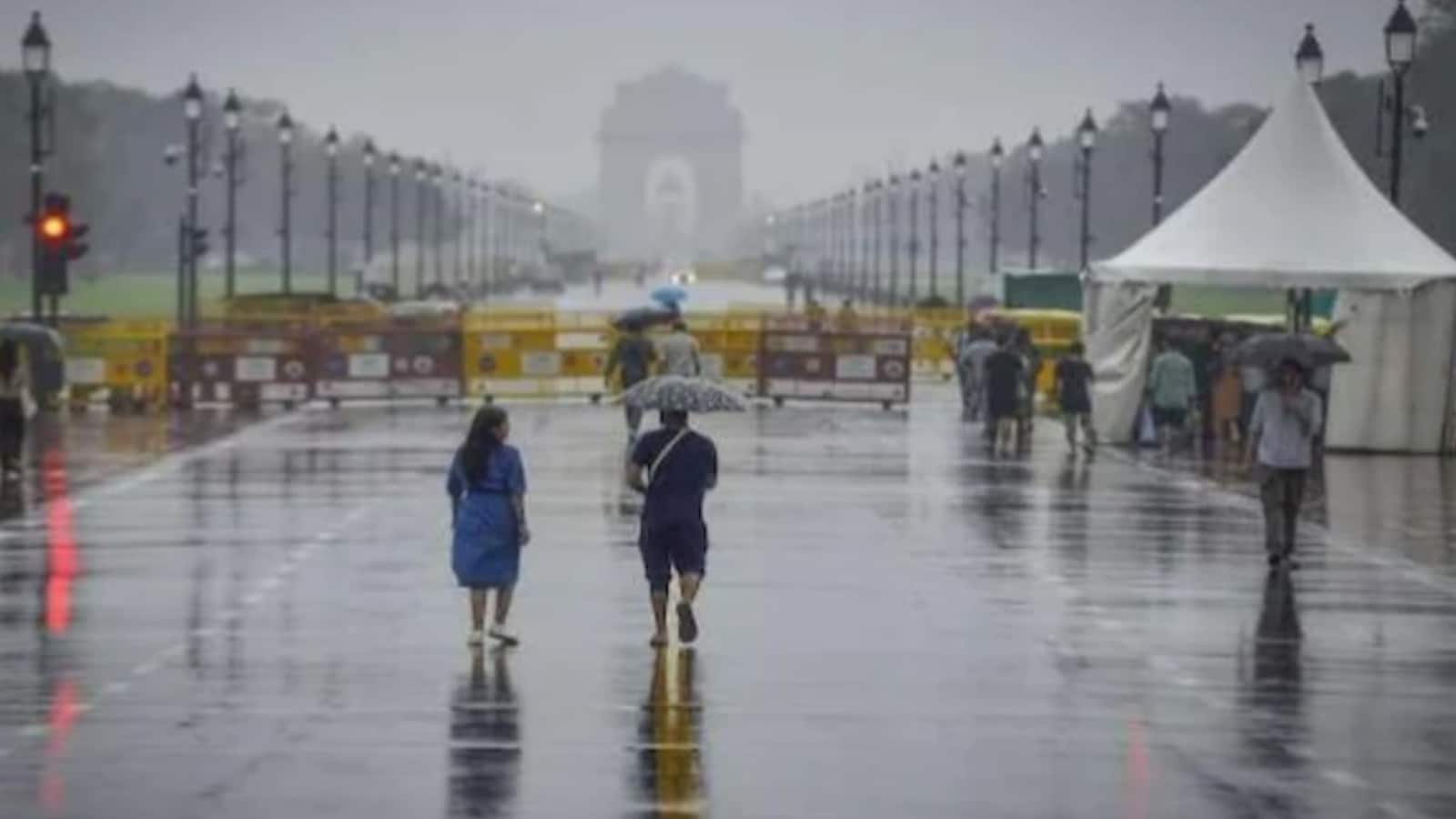
Is the Delhi Rainy Season Worth Planning a Trip?
Planning a trip to Delhi during the rainy season is worth it for budget-conscious travelers and culture enthusiasts seeking lower hotel rates, lush historic gardens, and fewer crowds. However, it requires flexibility to navigate high h...
Planning a trip to Delhi during the rainy season is worth it for budget-conscious travelers and culture enthusiasts seeking lower hotel rates, lush historic gardens, and fewer crowds. However, it requires flexibility to navigate high humidity, sudden downpours, and localized waterlogging by relying on public transit like the Delhi Metro.
Contents
Understanding Delhi’s Monsoon Season: Climate Dynamics and Timeline
The monsoon in National Capital Territory of Delhi typically arrives in late June or early July and extends through late September. Driven by the Arabian Sea and Bay of Bengal branches of the Southwest Monsoon, this period brings a dramatic shift from the scorching, arid heat of May and June.
During the rainy season, average daily temperatures fall to a range between 30°C and 35°C (86°F to 95°F). However, relative humidity routinely surges to between 70% and 90%. This combination creates a high heat index, meaning the real-feel temperature often exceeds actual air temperatures, particularly during breaks between rain showers when the sun breaks through.
Monsoon rainfall in Delhi is characteristically episodic rather than continuous. Instead of non-stop torrential rain for days, the city experiences brief, intense downpours lasting anywhere from thirty minutes to a few hours, followed by dry spells. Monthly rainfall totals peak in July and August, averaging between 180 mm and 230 mm per month, before tapering off significantly in mid-to-late September.
The Pros of Visiting Delhi During the Rainy Season
While summer deters visitors due to extreme heat and winter brings cold waves alongside air quality challenges, the monsoon presents several distinct advantages for strategic travelers.
Lower Accommodation Costs and Increased Availability
Because the rainy season falls outside Delhi’s peak winter tourism window (October through February), hospitality demand drops. Luxury hotels, boutique guest houses, and budget accommodations across areas like Aerocity, Central Delhi, and South Delhi frequently offer discounted room rates, complimentary upgrades, and flexible booking policies. Travelers can secure high-end accommodations at a fraction of peak-season prices.
Vibrant Greenery Across Historic Heritage Sites
The influx of moisture transforms Delhi’s extensive urban canopy and historical parks. The red sandstone and white marble of UNESCO World Heritage Sites—such as Humayun’s Tomb, the Qutub Minar complex, and the Red Fort—contrast sharply against dark rain clouds and vibrant foliage.
Public parks and heritage precincts experience a visual resurgence:
- Sundar Nursery: The 90-acre heritage park adjacent to Humayun's Tomb displays blooming flora, active water bodies, and revived micro-habitats.
- Lodhi Garden: The 15th-century Sayyid and Lodi Dynasty tombs stand surrounded by lush green lawns and dense tree cover, making early morning walks pleasant when precipitation cools the air.
- Mehrauli Archaeological Park: Rain washes away dust from ancient structures, providing stark visual clarity for photography.
Reduced Tourist Footfall
Popular monuments, museums, and markets experience significantly smaller crowds compared to the winter months. Visitors can explore sites like the National Museum or the Chandni Chowk historical quarter without long entry queues or dense walking traffic, allowing for a more measured and immersive experience.
Seasonal Culinary Traditions
Monsoon holds a specific cultural place in North Indian cuisine. Rain showers prompt local markets and eateries to showcase seasonal comfort foods. Street vendors and established sweet shops across Old Delhi and South Delhi serve freshly fried pakoras (fritters), samosas, and hot jalebis, traditionally paired with spiced masala chai. The seasonal culinary environment provides authentic cultural engagement for food-focused travelers.
The Challenges: Operational and Environmental Risks
Visiting Delhi during the monsoon requires realistic preparation for several infrastructure and environmental obstacles.
Severe Waterlogging and Road Traffic Paralysis
Delhi’s urban drainage infrastructure frequently struggles under sudden downpours. Low-lying areas, underpasses, and major vehicular arteries—such as the Delhi-Gurugram Expressway, Ring Road, and arterial roads near ITO—are susceptible to rapid water accumulation.
This waterlogging causes severe vehicular congestion. Surface taxi services, rideshare vehicles, and auto-rickshaws experience significant delays, fare surges, or service cancellations during heavy rain events.
High Humidity and Physical Comfort
When rain pauses, solar radiation quickly evaporates standing water, causing humidity to spike. Outdoor sightseeing during these intervals can feel oppressive without proper hydration, breathable clothing, and frequent breaks in air-conditioned environments.
Mosquito-Borne Health Risks
The accumulation of stagnant rainwater increases the breeding rate of Aedes mosquitoes, leading to a rise in vector-borne illnesses such as Dengue fever and Chikungunya between July and October. Travelers must take deliberate protective measures, including applying insect repellent containing DEET or Picaridin and booking accommodations with fully sealed windows and functional climate control.
Seasonal Comparison: Monsoon vs. Summer vs. Winter
To decide whether the monsoon fits your travel profile, consider how it compares to Delhi's other primary weather windows:
| Feature / Metric | Rainy Season (Jul–Sep) | Winter Season (Oct–Feb) | Summer Season (Mar–Jun) |
|---|---|---|---|
| Average Temperature | 30°C – 35°C (86°F – 95°F) | 8°C – 22°C (46°F – 72°F) | 35°C – 45°C (95°F – 113°F) |
| Humidity Levels | High (70% – 90%) | Moderate (40% – 60%) | Very Low (20% – 40%) |
| Precipitation | Frequent heavy downpours | Minimal to none | Rare dust storms / dry heat |
| Air Quality (AQI) | Moderate to Good (Rain washes PM2.5) | Poor to Severe (Smog / Temperature Inversion) | Moderate to Poor (Dust) |
| Tourist Crowds | Low to Moderate | Peak Tourist Season | Low |
| Accommodation Rates | Discounted / Off-Peak | Premium / Peak Rates | Discounted / Off-Peak |
| Primary Risk Factor | Waterlogging & Traffic Delays | Severe Air Pollution & Smog | Extreme Heatstroke Risk |
Practical Strategies for Traveling Delhi in the Rain
With targeted planning, visitors can navigate monsoon disruptions effectively.
Transit Management: Prioritize the Delhi Metro
The Delhi Metro Rail Corporation (DMRC) operates an extensive, fully air-conditioned, mostly underground and elevated rail network. Unlike surface road transport, the Metro operates on strict schedules unaffected by waterlogged streets or gridlocked traffic.
Key tourist destinations directly accessible via Metro stations include:
- Yellow Line: Access to Chandni Chowk (Old Delhi), Rajiv Chowk (Connaught Place), and Qutub Minar.
- Violet Line: Direct stops for Humayun’s Tomb (JL N Stadium station), Khan Market, and the Heritage Line stations near Jama Masjid.
- Magenta Line: Connections to South Delhi precincts and direct airport connectivity via the Airport Express Line.
Relying on the Metro as your primary mode of transit avoids surface traffic delays during downpours.
Curate Indoor Sightseeing Contingency Plans
When heavy rain makes outdoor monument walking impractical, redirect your itinerary toward Delhi’s indoor cultural spaces:
- National Museum (Janpath): Features extensive collections spanning 5,000 years of Indian art, bronzes, and historical artifacts.
- National Gallery of Modern Art (NGMA): Located near India Gate, housing modern and contemporary Indian art within historic Jaipur House.
- Crafts Museum (Pragati Maidan): Features covered galleries showcasing traditional Indian textiles, village crafts, and artisanal demonstrations.
- Kiran Nadar Museum of Art (Saket): A prominent private museum holding contemporary South Asian art exhibitions.
Monsoon Itinerary Strategy: [Morning: Outdoor Heritage Sites] ➔ (If Rain Begins) ➔ [Midday: Metro Transit to Indoor Museums] ➔ [Evening: Covered Dining / Shopping Precincts]
Essential Monsoon Packing Checklist
Pack lightweight, functional gear to stay dry and comfortable:
- Quick-Dry Clothing: Synthetic or lightweight cotton fabrics that dry rapidly after sudden showers.
- Waterproof Footwear: Breathable, non-slip sandals or water-resistant shoes. Avoid leather, suede, or heavy canvas footwear that retains moisture.
- Compact Umbrella and Rain Jacket: A sturdy, wind-resistant umbrella combined with a breathable rain jacket.
- Dry Bags / Waterproof Covers: Protective sleeves for electronics, camera gear, passports, and physical documents.
- Topical Insect Repellent: Formulations containing DEET, Picaridin, or Oil of Lemon Eucalyptus (OLE) for outdoor excursions.
Month-by-Month Monsoon Breakdown
July: Peak Rain and Transition
July marks the arrival of the full monsoon. The city experiences a steep drop in ambient temperatures alongside a sharp rise in humidity. Rain spells can be heavy and sudden. Vegetation revives quickly, making parks vibrant, though municipal drainage delays are most frequent as the city adapts to early-season downpours.
August: High Humidity and Cultural Events
August maintains consistent rainfall patterns with high humidity. However, August 15 marks India’s Independence Day, centered around the Red Fort in Old Delhi. Visiting during mid-August requires planning around heightened security restrictions, road closures, and airspace limitations in Central and Old Delhi. Heritage sites outside the security cordon remain open.
September: Receding Monsoon and Ideal Conditions
September offers arguably the best balance during the rainy season. Rainfall frequency drops, humidity gradually decreases, and air quality remains clear prior to the post-harvest agricultural burning season in neighbouring regions. September provides comfortable conditions for outdoor exploring before peak winter pricing begins in October.
Final Recommendation: Is It Worth It for You?
Planning a trip to Delhi during the rainy season is worth it if:
- You prioritize avoiding peak winter crowds and inflated accommodation rates.
- You are comfortable adjusting daily schedules based on real-time weather conditions.
- You plan to use underground public transit (Delhi Metro) rather than relying exclusively on taxis.
- You enjoy landscape photography, lush greenery, and regional culinary experiences.
It is not recommended if:
- Your schedule requires tight, minute-by-minute travel connections easily disrupted by road traffic.
- You have low tolerance for high humidity and warm weather.
- You have mobility limitations that make navigating wet, uneven pavements or step-heavy monument grounds difficult.
Frequently Asked Questions
Is the air quality good during the rainy season in Delhi?
Yes. The monsoon season generally delivers Delhi’s cleanest air of the year. Precipitation washes suspended particulate matter (PM2.5 and PM10) out of the atmosphere, resulting in Air Quality Index (AQI) levels that are significantly lower and healthier than the severe smog levels observed in late autumn and winter.
Can you visit the Taj Mahal in Agra from Delhi during the rainy season?
Yes. Agra experiences similar monsoon weather to Delhi. Travel between Delhi and Agra remains reliable via express train routes like the Gatimaan Express or Vande Bharat Express, or via the Yamuna Expressway. Outdoor walking around the Taj Mahal during light rain is manageable, though visibility of the monument can occasionally be reduced during intense downpours.
Are major attractions closed during heavy rain in Delhi?
Major monuments managed by the Archaeological Survey of India (ASI)—including the Red Fort, Qutub Minar, and Humayun’s Tomb—remain open seven days a week (or according to their standard operating days) regardless of rain, unless extreme localized flooding poses a safety issue. Indoor state museums operate on regular schedules.
How do I avoid Dengue fever while traveling in Delhi during the monsoon?
To minimize risk, apply an effective insect repellent to exposed skin, wear long-sleeved lightweight shirts and trousers during dawn and dusk when vector mosquitoes are most active, and ensure your hotel room is air-conditioned with modern, fully sealed windows.
Does the rain affect flights at Delhi Airport (DEL)?
Indira Gandhi International Airport operates continuously throughout the monsoon. While brief delays can occur during severe electrical storms or low-visibility downpours, operations are generally unaffected, as the airport possesses modern instrument landing infrastructure to handle rainy weather.
Image Gallery