Comprehensive Guide to Age Eligibility for Medicaid in 2026
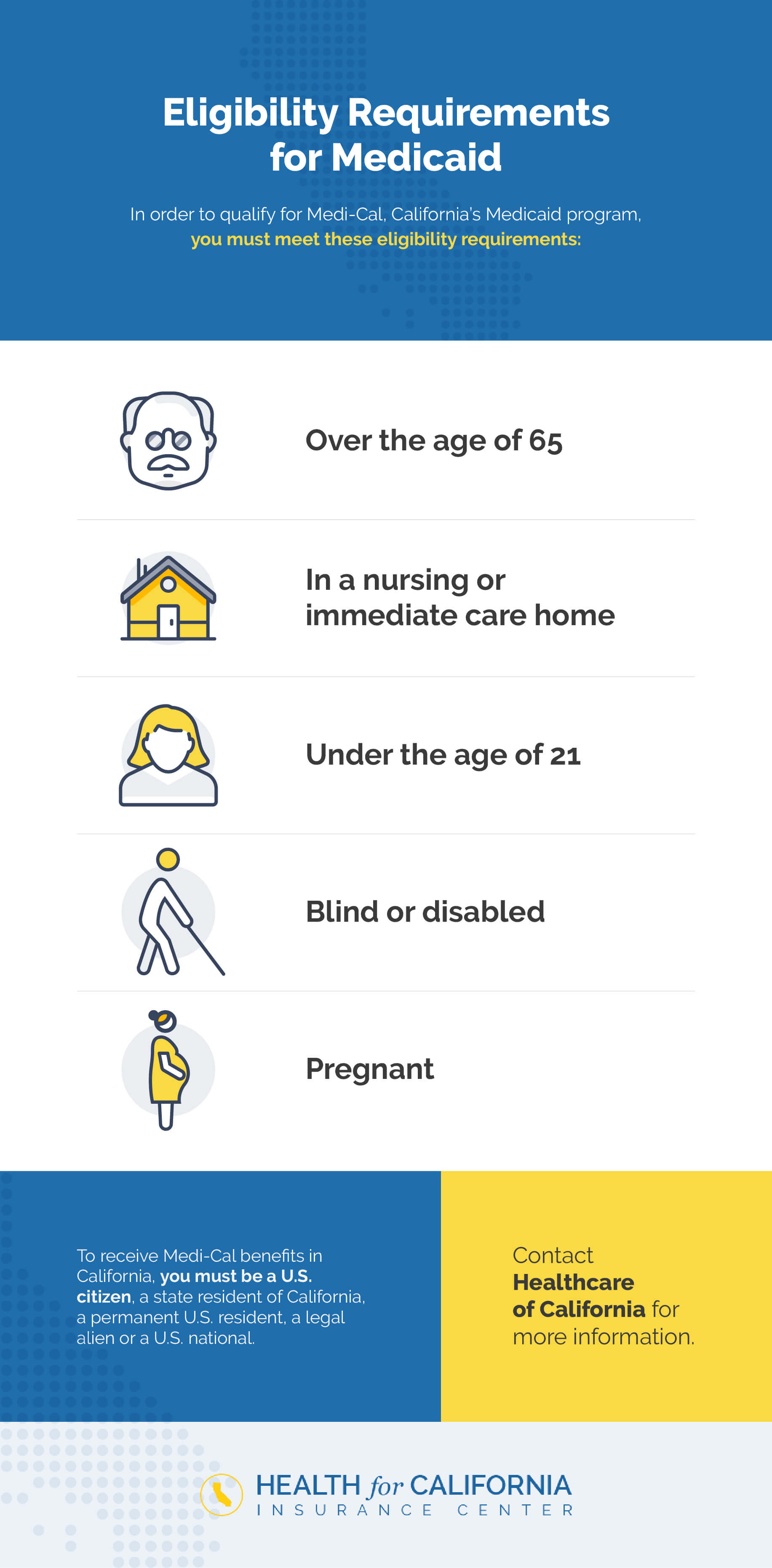
Medicaid age eligibility is structured into three primary categories: children under age 19, adults aged 19 to 64, and seniors aged 65 and older. While age dictates which specific program rules apply, financial need—measured against th...
Medicaid age eligibility is structured into three primary categories: children under age 19, adults aged 19 to 64, and seniors aged 65 and older. While age dictates which specific program rules apply, financial need—measured against the Federal Poverty Level (FPL)—remains the underlying requirement for coverage across all age groups.
Contents
Medicaid is a cornerstone of the American healthcare system, functioning as a joint federal and state program. As of 2026, it provides essential health coverage to over 90 million individuals. However, understanding whether you qualify based on your age involves navigating a complex web of federal mandates and state-specific options. The rules that apply to a 30-year-old worker are fundamentally different from those applying to a 70-year-old retiree, particularly regarding how income and assets are calculated.
The Three Pillars of Medicaid Age Categorization
To understand age eligibility, one must first identify which "bin" they fall into. The Centers for Medicare & Medicaid Services (CMS) categorizes applicants to determine which set of financial logic to apply.
1. Children and Adolescents (Birth through Age 18)
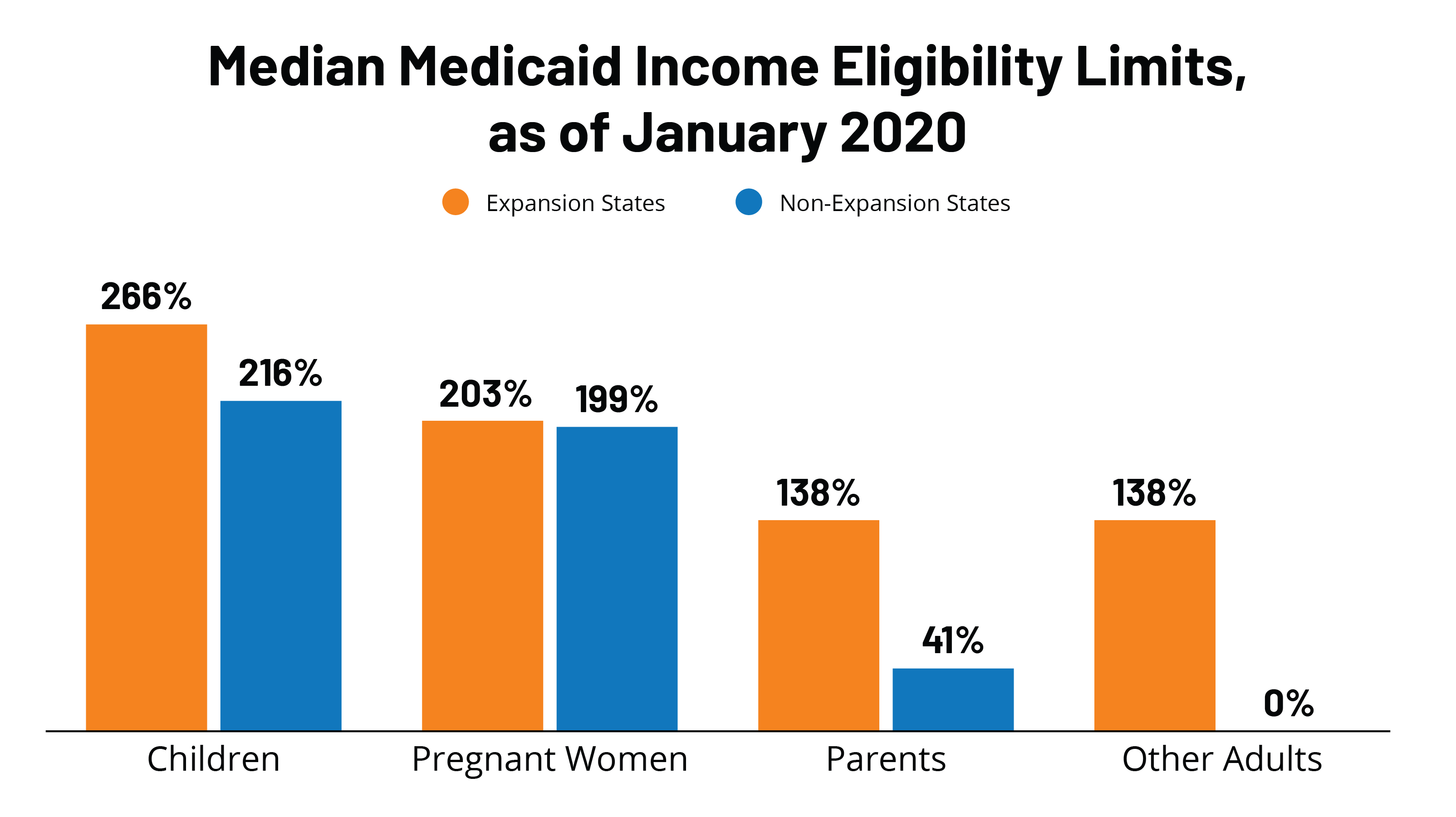
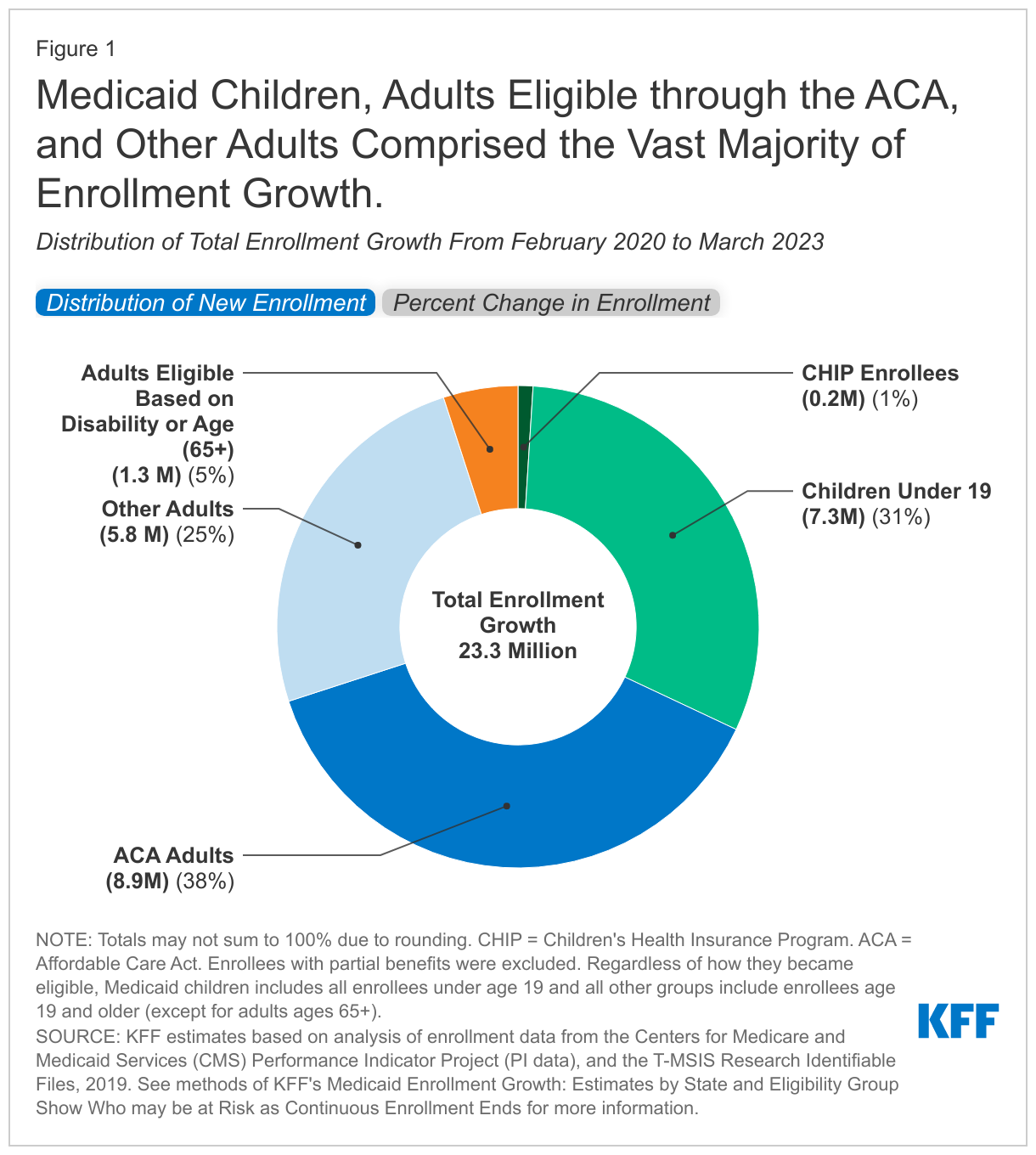
Children represent the largest group of Medicaid enrollees. Under federal law, states must provide Medicaid to children in families with incomes up to at least 133% of the FPL. However, most states set their limits much higher, often reaching 200% or 300% of the FPL through the Children's Health Insurance Program (CHIP). For this group, age eligibility is straightforward: coverage typically lasts until the individual’s 19th birthday, at which point they must transition to adult Medicaid or other insurance.
2. The Expansion Adult Group (Ages 19 to 64)
Prior to the Affordable Care Act (ACA), many adults under 65 were ineligible for Medicaid regardless of how little they earned unless they were pregnant, parenting, or had a disability. In 2026, the majority of states have adopted Medicaid expansion. In these states, any adult aged 19–64 with an income below 138% of the FPL is eligible. This group is often referred to as "MAGI-eligible" because their eligibility is based solely on Modified Adjusted Gross Income (MAGI), with no consideration of their savings or property.
3. Seniors and the "Aged" Category (Ages 65 and Older)
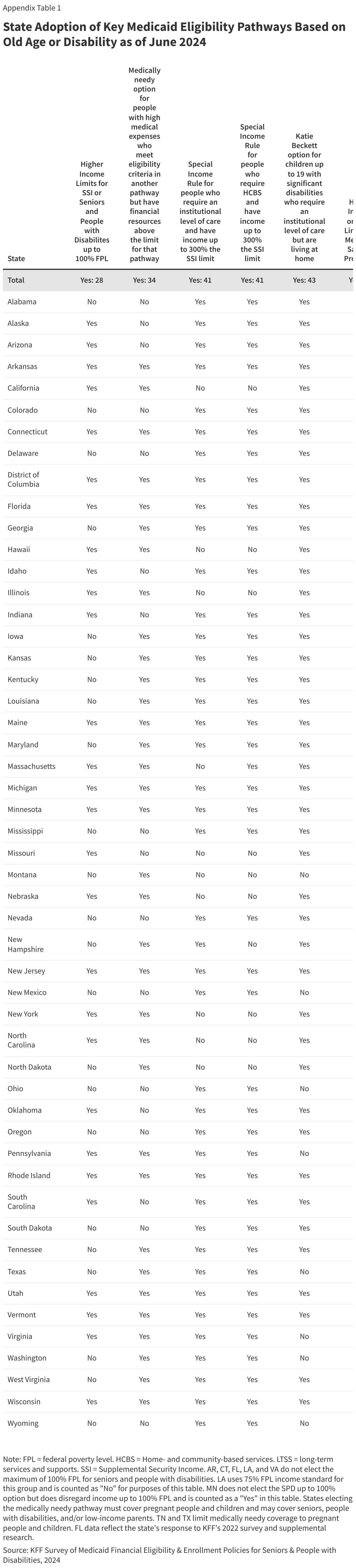
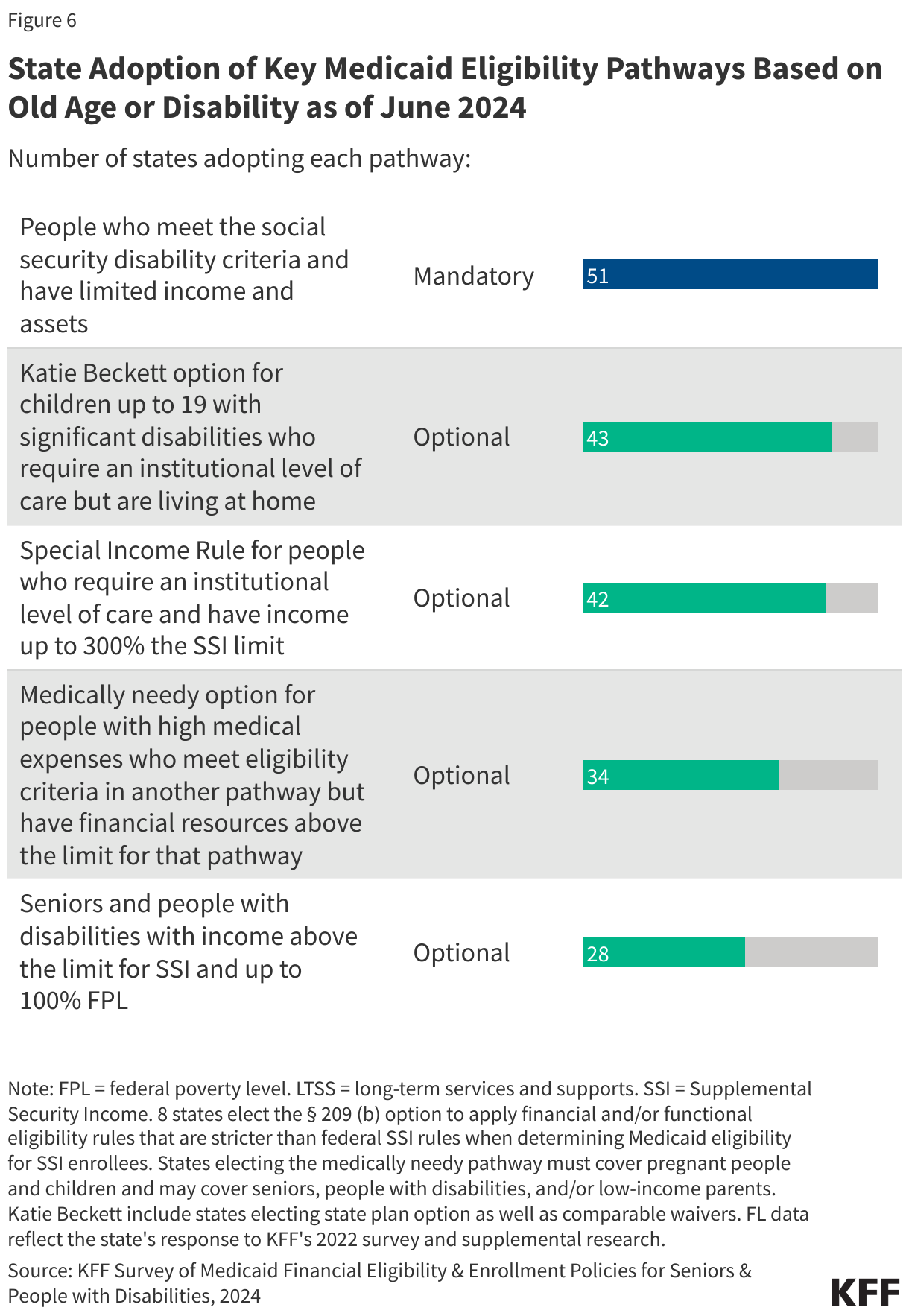
Once an individual turns 65, they are classified as "Aged, Blind, or Disabled" (ABD). This is a critical pivot point. Even if a person was on Medicaid as an expansion adult, their eligibility rules change the moment they hit 65. They typically transition to "Dual Eligibility," where Medicaid works alongside Medicare. Unlike the 19–64 group, seniors are subject to an asset test, meaning the government looks at both their monthly income and their total resources (savings, secondary properties, and investments).
Age-Specific Financial Criteria and Asset Tests
The distinction between how age groups are treated financially is the most common source of confusion for applicants. As of 2026, the divergence between "MAGI" and "Non-MAGI" groups remains the standard.
The MAGI Standard (Under 65)
For those under 65, Medicaid eligibility is designed to be streamlined. Under the MAGI rules, there is no "resource test." You could have $100,000 in a savings account, but if your monthly income from a part-time job is below the threshold (approximately $1,732 for an individual in 2026), you qualify. This allows younger individuals to maintain modest savings for the future while still receiving health coverage during periods of low income.
The Non-MAGI Standard (65 and Older)
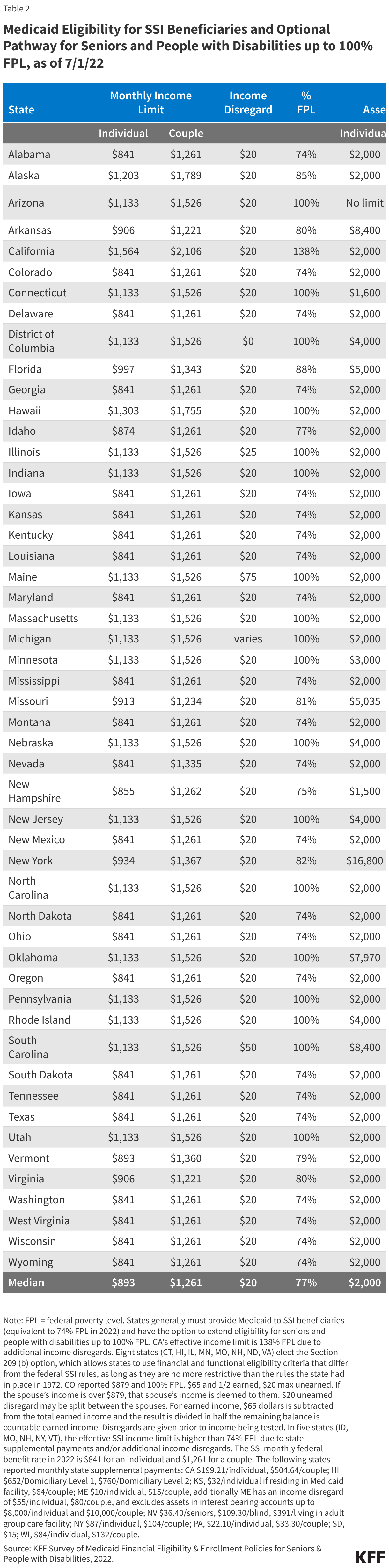
For seniors, Medicaid serves a different purpose, often acting as a safety net for long-term care or as a supplement to Medicare. Because of this, the "Aged" category involves a rigorous look at assets. In most states, a single senior cannot have more than $2,000 in "countable resources."
Excluded assets generally include:
- The primary residence (up to a certain equity limit, often around $713,000–$1,071,000 in 2026 depending on the state).
- One primary vehicle.
- Personal belongings and household goods.
- Specific types of burial funds or life insurance policies with low face values.
Medicaid Eligibility by Age Group and Program Type (2026)
| Age Group | Primary Program Name | Income Logic | Asset Limit? | Key Requirement |
|---|---|---|---|---|
| 0 - 18 | CHIP / Medicaid | MAGI | No | Family income below state threshold |
| 19 - 64 | Expansion Medicaid | MAGI | No | Income below 138% FPL (in expansion states) |
| 65+ | ABD / Dual Eligible | Non-MAGI | Yes | Income below state limit AND assets < $2,000 |
| 65+ | Nursing Home Medicaid | Institutional | Yes | Requires "Level of Care" medical necessity |
The Impact of State Residency on Age Requirements
While the federal government sets the "floor" for Medicaid, states have significant leeway in how they treat different age brackets. This is most apparent in the "Medicaid Gap" found in states that have not adopted the ACA expansion.
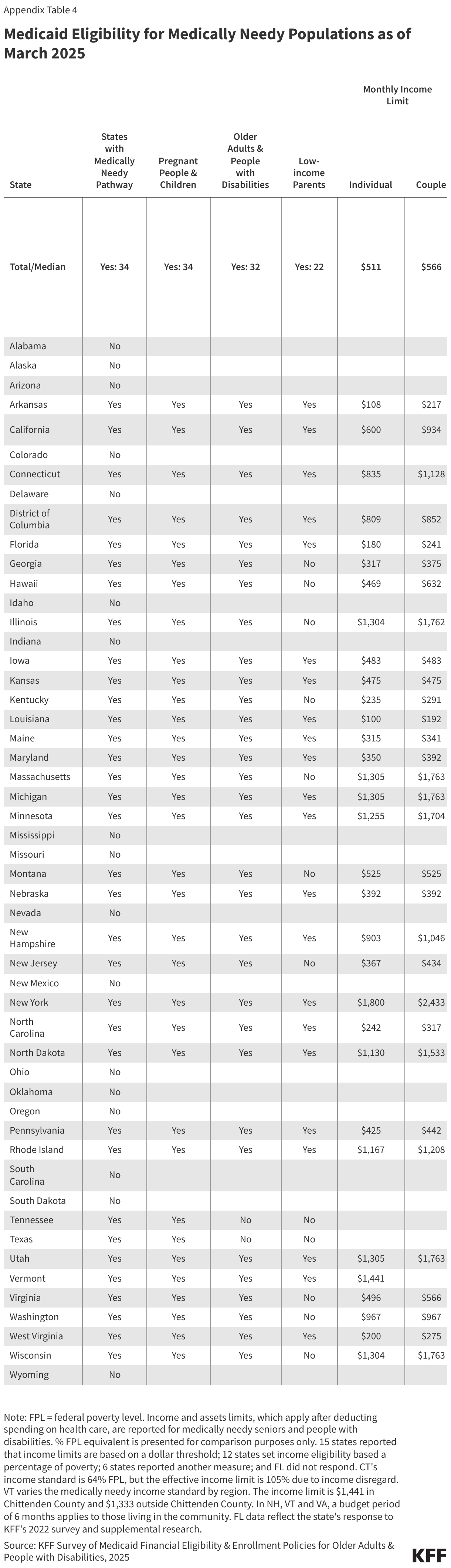
In non-expansion states, an adult aged 25 with no children and an income of $0 is often ineligible for Medicaid. However, that same individual might become eligible the day they turn 65, provided they meet the strict asset requirements for the "Aged" category. Furthermore, some states offer "Medically Needy" or "Spend-Down" programs. These allow seniors whose income is slightly too high for Medicaid to "spend down" their excess income on medical bills until they reach the eligibility threshold.
Transitioning at Age 65: The Medicare Intersection
The transition from the 19–64 category to the 65+ category is often fraught with administrative hurdles. At age 65, most Americans become eligible for Medicare. Medicaid then shifts from being the primary payer to a secondary payer.
Medicare Savings Programs (MSPs)
For seniors who don't qualify for full Medicaid but have modest incomes, age-based eligibility extends to Medicare Savings Programs. These programs, such as the Qualified Medicare Beneficiary (QMB) program, use Medicaid funds to pay for Medicare Part B premiums, deductibles, and co-insurance. Eligibility for these is strictly tied to reaching age 65 and meeting specific income tiers.
Long-Term Care and the "Look-Back" Period
Age eligibility for Medicaid is perhaps most vital when it concerns long-term care (nursing homes). To prevent people from giving away their money to qualify for Medicaid once they hit 65, the government employs a "look-back" period—typically 60 months. If an individual aged 65 or older applies for Medicaid-funded long-term care, the state will examine all financial transfers made in the five years prior. This emphasizes the importance of long-term financial planning well before reaching the "Aged" eligibility bracket.
Common Obstacles in Verifying Age and Identity
While age eligibility seems like a simple matter of a birth certificate, the verification process can be rigorous. Federal law requires Medicaid applicants to provide proof of citizenship and identity.
Commonly accepted documents for age verification include:
- U.S. Passport (current or expired).
- Certified copy of a birth certificate.
- Social Security Administration records (Cross-referenced automatically in most 2026 systems).
- Final adoption decrees.
In 2026, many states utilize the Federal Data Services Hub, which allows Medicaid agencies to verify an applicant's age and citizenship in real-time by pinging Social Security and Department of Homeland Security databases. This has significantly reduced the "paperwork burden" for many families, but those with discrepancies in their records (such as name changes due to marriage or clerical errors on old birth certificates) may still face delays.
Frequently Asked Questions
Can I stay on my parent's Medicaid until I am 26?
No. Unlike private insurance, which allows children to stay on a parent's plan until age 26 under the ACA, Medicaid generally transitions children to adult coverage at age 19. If the adult child's income is low enough, they can re-apply for Medicaid in their own right as an "Expansion Adult," but they are no longer part of the "Child" eligibility category.
Does Medicaid eligibility end at a certain age?
No. There is no upper age limit for Medicaid. As long as a senior meets the income and asset requirements for the "Aged" category, they can remain on Medicaid for the rest of their life. In fact, Medicaid is the primary payer for long-term care for the oldest segment of the U.S. population.
What happens to my Medicaid when I turn 65 if I’m already enrolled?
When you turn 65, your state Medicaid agency will conduct a redetermination. They will move you from the "Expansion Adult" category to the "Aged" category. This is a critical transition because you will suddenly be subject to asset limits (usually $2,000 for an individual) that did not apply to you when you were 64. You should consult with a State Health Insurance Assistance Program (SHIP) counselor to navigate this change.
If I am 65 and still working, can I get Medicaid?
Yes, but it is more difficult. Your income from work must be low enough to meet the "Aged" category limits, and your total savings must be under the asset cap. Some states offer "Medicaid Buy-In" programs for working seniors with disabilities, which have higher income and asset limits.
Are the age requirements different for immigrants?
Generally, no, but there are "qualified alien" rules. Most legal permanent residents must wait five years after receiving their green card before they can access Medicaid, regardless of their age. However, some states have waived this "five-year bar" for children (under 19) and pregnant individuals.
Final Recommendation
If you are approaching a milestone age—specifically 19 or 65—you should begin reviewing your Medicaid status at least three months in advance. For those turning 65, the transition to the "Aged" category involves a shift to asset-based eligibility that requires careful financial documentation. Visit Medicaid.gov or your state's specific health department portal to begin the redetermination process early and avoid a gap in coverage.
Image Gallery