Liberty University Online Guide: Programs, Admissions, and Academic Framework
Liberty University Online is a comprehensive digital learning platform offering over 600 accredited degree programs from an evangelical Christian perspective. Designed for flexibility, the university serves hundreds of thousands of stu...
Liberty University Online is a comprehensive digital learning platform offering over 600 accredited degree programs from an evangelical Christian perspective. Designed for flexibility, the university serves hundreds of thousands of students globally with fully online associate, bachelor's, master's, and doctoral degrees structured across eight-week intensive sub-terms.
Contents
Understanding the Structure of Liberty University Online
Operating as a pioneer in digital higher education, the institution blends traditional private nonprofit university standards with asynchronous learning technologies. Students interact with course materials, lecture modules, and peer discussions through the Canvas learning management system. Faculty members oversee these virtual classrooms, providing structured feedback and grading assignments according to rigorous academic rubrics.
The institution holds regional accreditation from the Southern Association of Colleges and Schools Commission on Colleges (SACSCOC) to award associate, bachelor's, master's, and doctoral degrees. This accreditation ensures that credits earned transfer seamlessly to other regionally accredited colleges and universities, and that employers recognize the validity of the credentials conferred.
Academic Formats and Term Structure
Flexibility stands as a core design principle of the digital campus. Rather than adhering to traditional 16-week semesters, undergraduate and graduate courses are typically split into compressed eight-week terms.
- Intensive Semesters: Multiple start dates throughout the academic year allow students to enroll without waiting for a traditional fall or spring intake window.
- Asynchronous Learning: Lecture notes, reading assignments, and multimedia resources remain accessible 24 hours a day, seven days a week, enabling working professionals to balance career and family obligations.
- Structured Deadlines: While students study independently, weekly assignment deadlines prevent procrastination and maintain a steady cohort pace.
Degree Pathways and Available Programs
The academic catalog mirrors the scope of a brick-and-mortar university campus. Programs span numerous disciplines, ranging from business administration and nursing to counseling, divinity, and aviation.
| Degree Level | Common Disciplines | Typical Duration | Credit Requirements |
|---|---|---|---|
| Associate | Business, Paralegal Studies, Interdisciplinary Studies | 2 Years | 60-65 Credits |
| Bachelor's | Psychology, Strategic Communication, Information Technology | 4 Years | 120-128 Credits |
| Master's | Executive Leadership, Public Health, Clinical Mental Health Counseling | 1.5 - 3 Years | 30-60 Credits |
| Doctoral | Education (Ed.D.), Ministry (D.Min.), Business Administration (DBA) | 3 - 5 Years | 45-60 Credits |
Admissions Requirements and Application Process
Securing admission requires meeting specific criteria tailored to the degree level. Prospective undergraduate students must submit an official high school self-certification or transcripts, while graduate applicants require an earned bachelor's degree from an accredited institution with a minimum cumulative GPA.
Admissions Best Practices: Transcript Procurement: Request official transcripts directly from prior institutions well in advance to prevent enrollment delays. Electronic transcript submission networks significantly accelerate the evaluation process. Standardized Testing Policies: Many programs feature test-optional policies, though specific graduate tracks may require entrance exams like the GRE or GMAT depending on undergraduate GPA thresholds.
Tuition Costs, Financial Aid, and Military Benefits
Investing in higher education requires a clear financial strategy. Tuition rates are structured per credit hour, with flat-rate tuition models often applied to full-time course loads. Financial aid advisors work with applicants to maximize federal student aid through the Free Application for Federal Student Aid (FAFSA).
- Military Discounts: Special tuition rates apply to service members, veterans, and military spouses, often paired with textbook discounts and flexible deployment policies.
- Institutional Scholarships: Merit-based awards, departmental grants, and corporate partnership discounts lower out-of-pocket expenses for eligible learners.
- Employer Reimbursement: Many organizations recognize the university's accreditation, allowing students to utilize corporate tuition assistance programs.
Student Support Services and Digital Resources
Succeeding in a virtual environment requires robust institutional backing. The digital campus provides dedicated touchpoints designed to keep students on track from matriculation to graduation.
- Academic Advising: Assigned advisors guide degree planning, course registration, and graduation audits.
- Online Library Services: Access to peer-reviewed journals, academic databases, and virtual reference librarians facilitates thorough research.
- Writing Center: Professional tutors review draft submissions, offering constructive critiques on formatting, citation styles (APA, MLA, Turabian), and structural flow.
- Technical Support: 24/7 help desk assistance resolves login errors, browser incompatibilities, and learning management system navigation issues.
Comparing Online Education Models
| Feature | Liberty University Online | Traditional On-Campus Universities | Competency-Based Programs |
|---|---|---|---|
| Flexibility | High (Asynchronous with weekly deadlines) | Low (Fixed class times) | Maximum (Self-paced progress) |
| Worldview Integration | Evangelical Christian framework | Secular or non-denominational | Secular |
| Term Length | 8-week intensive modules | 16-week semesters | 6-month subscription terms |
| Community Engagement | Discussion boards and virtual groups | Face-to-face interaction | Minimal peer collaboration |
Frequently Asked Questions
Is a degree from Liberty University Online respected by employers?
Yes, degrees earned online carry the exact same academic weight and accreditation standing as those earned on the residential campus. Employers value the regional accreditation and the practical skill sets developed throughout the curriculum.
How do online exams and proctoring work?
Examinations are administered securely through the learning management system, often utilizing automated proctoring software that monitors webcam activity and browser focus to maintain academic integrity.
Can transfer credits be applied toward a degree?
Up to 75 percent of an undergraduate degree and up to 50 percent of a graduate degree can typically be fulfilled using transfer credits from regionally or nationally accredited institutions.
Are online students eligible to participate in commencement ceremonies?
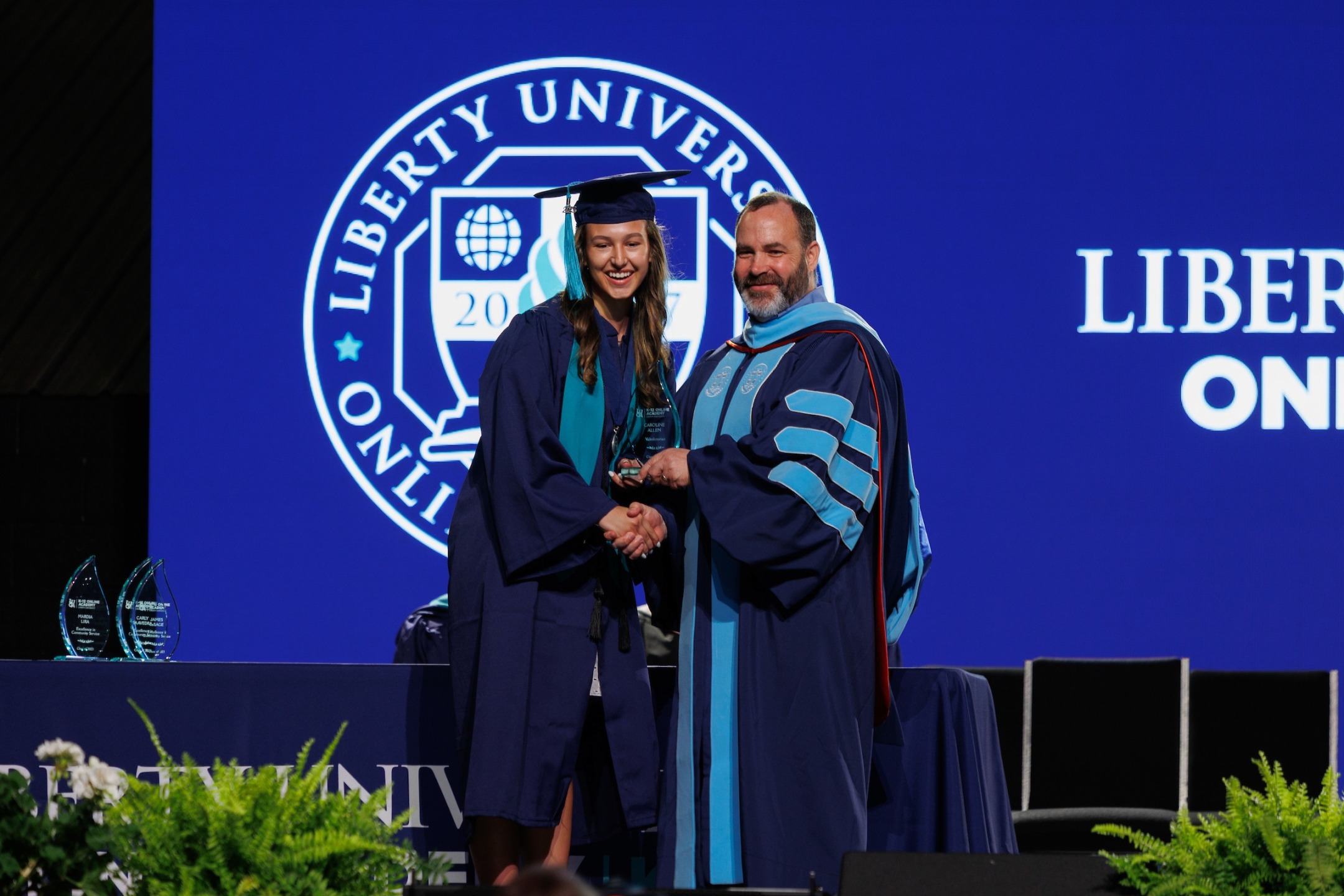
Yes, distance learners are strongly encouraged to travel to the main residential campus in Lynchburg, Virginia, to participate in the annual commencement exercises.
What technical equipment is required to participate?
Students need a reliable high-speed internet connection, a modern computer (Windows or Mac) equipped with a webcam and microphone, and standard office productivity software for document creation.
Conclusion and Next Steps
Evaluating higher education options involves aligning personal career objectives with institutional strengths. Reviewing specific degree sheets, calculating potential financial aid packages, and speaking directly with an admissions counselor will clarify whether this digital learning environment matches your professional and academic aspirations.
Image Gallery