What Themis Means in Greek Mythology: The Personification of Divine Order
Themis is a Titaness in Greek mythology who serves as the personification of divine law, natural order, and established custom. As the daughter of Uranus and Gaia, she represents the immutable principles that govern the universe, actin...
Themis is a Titaness in Greek mythology who serves as the personification of divine law, natural order, and established custom. As the daughter of Uranus and Gaia, she represents the immutable principles that govern the universe, acting as a counselor to Zeus and an overseer of the moral and social laws that maintain balance among both gods and mortals.
Contents
Origins and Divine Lineage
In the standard genealogies of Greek mythology, Themis belongs to the first generation of Titans. She is the daughter of the sky god Uranus and the earth mother Gaia. This lineage positions her as one of the oldest deities in the pantheon, predating the reign of the Olympians. Because she emerged from the foundational union of earth and sky, her nature is linked to the fundamental rules of existence rather than the specific, human-like passions that define later generations of gods.
As a Titaness, she represents a cosmic force. Unlike deities who govern specific phenomena like the sea or the forge, Themis governs the "how" of the universe. She is the embodiment of Themis (the noun), which refers to that which is laid down—divine ordinance, tradition, and the inevitable flow of natural events.
The Role of Themis as Counselor to Zeus
Themis is perhaps best known in mythology for her status as the most trusted advisor to Zeus. While Zeus holds the supreme position as the King of the Gods, Themis provides the legal and moral framework that allows his rule to function effectively. She is often depicted sitting beside his throne, providing counsel on matters of governance and divine law.
Her relationship with Zeus is foundational to the stability of the cosmos. In several mythological accounts, she is identified as the mother of the Moirai (the Fates) and the Horae (the Hours or Seasons), who represent the cyclical, ordered passage of time and destiny. By fathering these children with Themis, Zeus aligns his reign with the concepts of order and predictability, ensuring that his command is not merely based on force, but on the established, inevitable structure of the universe.
Themis vs. Dike: Distinguishing Divine Order from Legal Justice
A common point of confusion in classical studies is the distinction between Themis and her daughter, Dike. While they are often conflated in later antiquity, they represent distinct concepts:
- Themis: Represents divine law—the ancient, unwritten customs and the natural order of the universe. It is the framework that prevents chaos before it begins. It is proactive and cosmic.
- Dike: Represents judicial justice—the enforcement of law and the resolution of individual disputes. Dike is reactive and social; she travels among humans to ensure that legal systems, courts, and moral conduct reflect the cosmic standards set by Themis.
When Themis is disregarded, the natural order is disrupted; when Dike is disregarded, specific human institutions collapse. Together, they form a hierarchy where Themis provides the universal blueprint, and Dike acts as the instrument of its application in the daily lives of people.
Iconography and Modern Representation
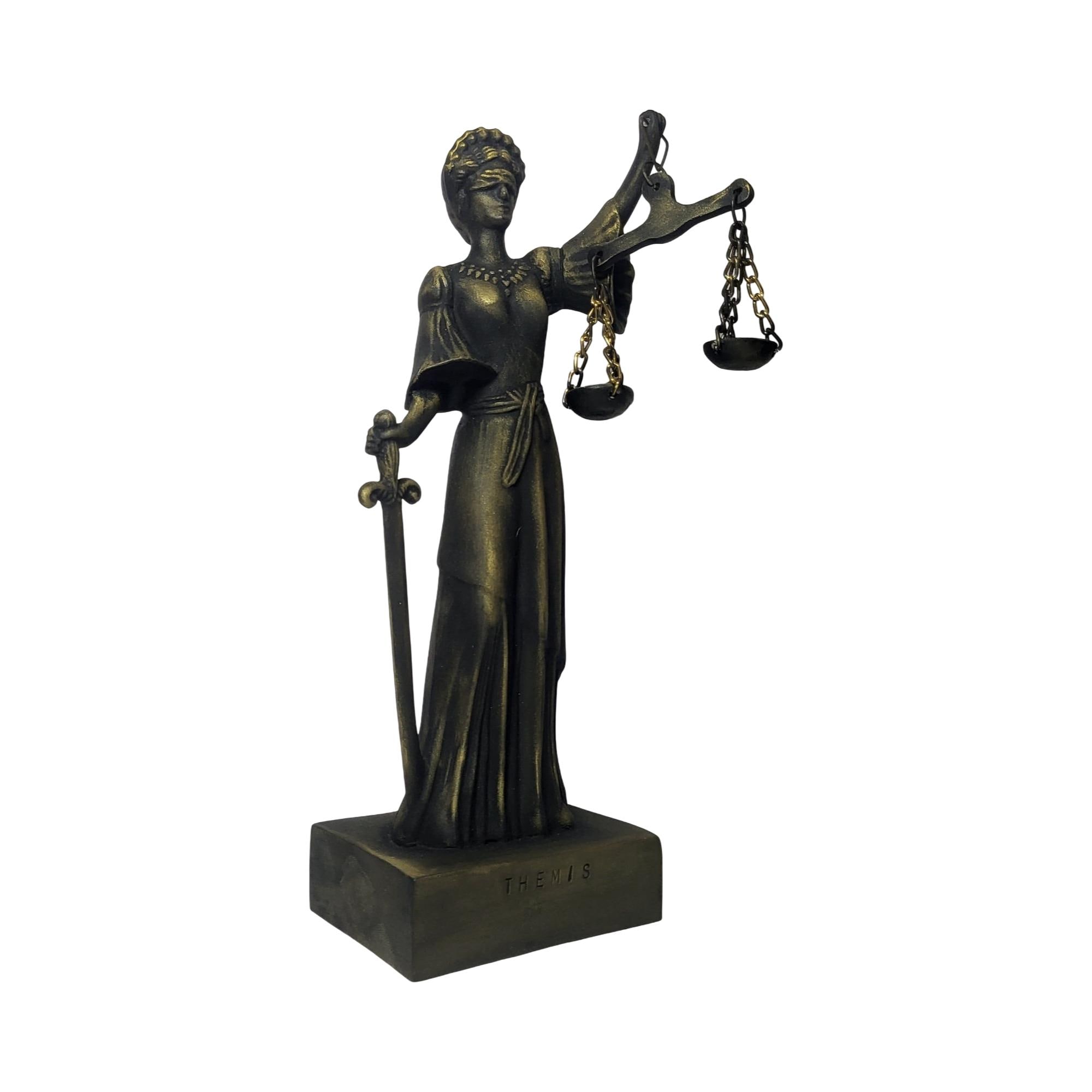
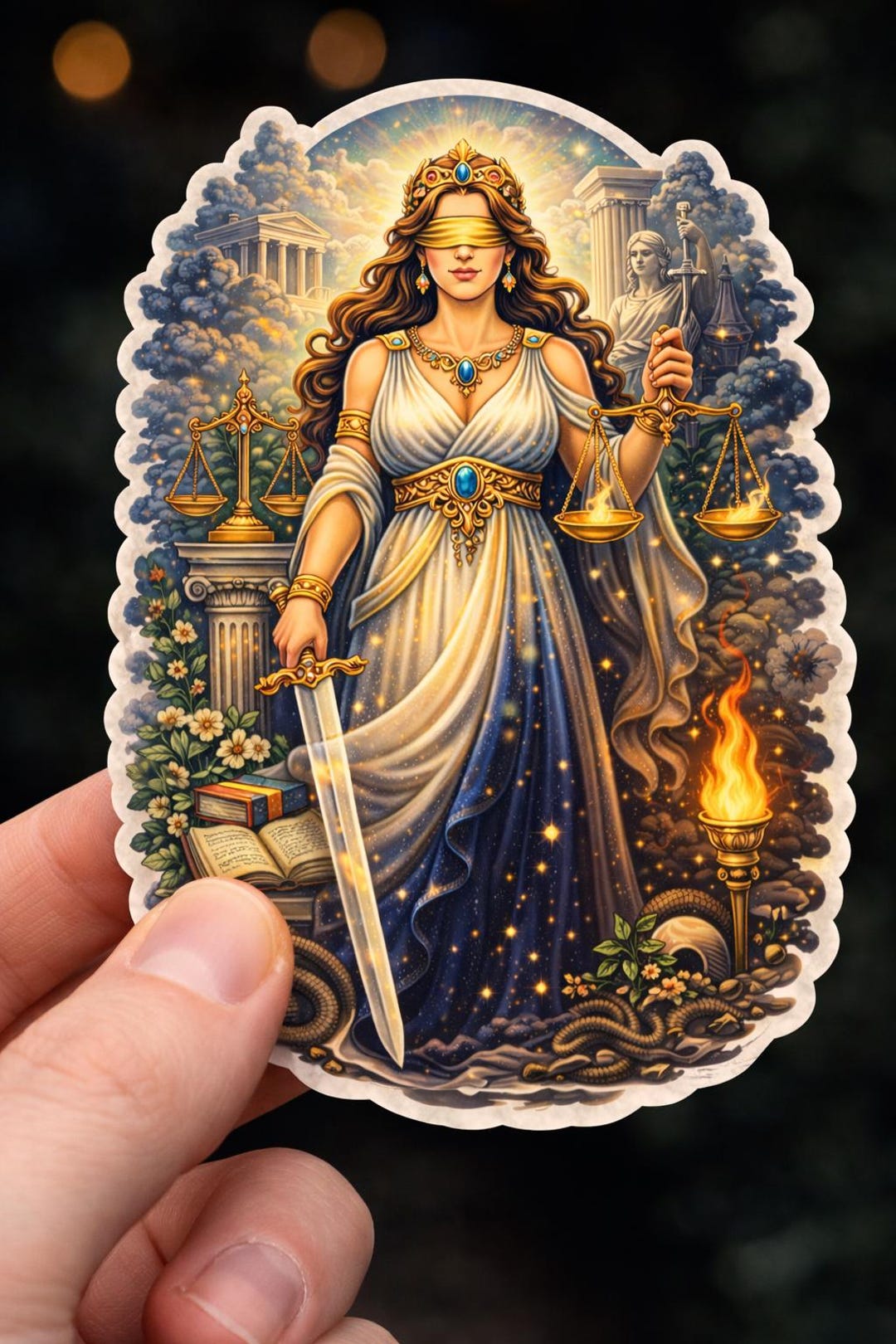
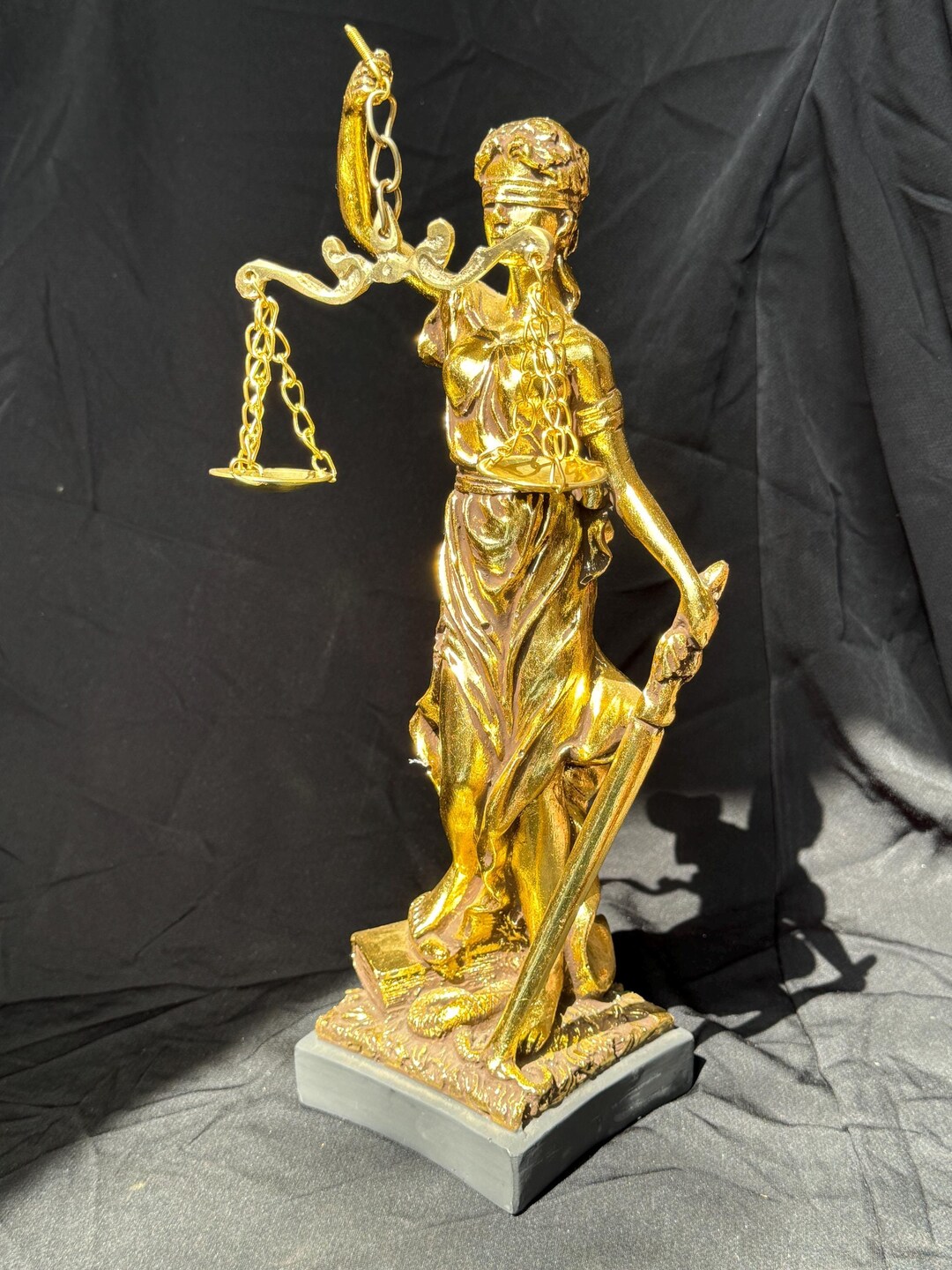
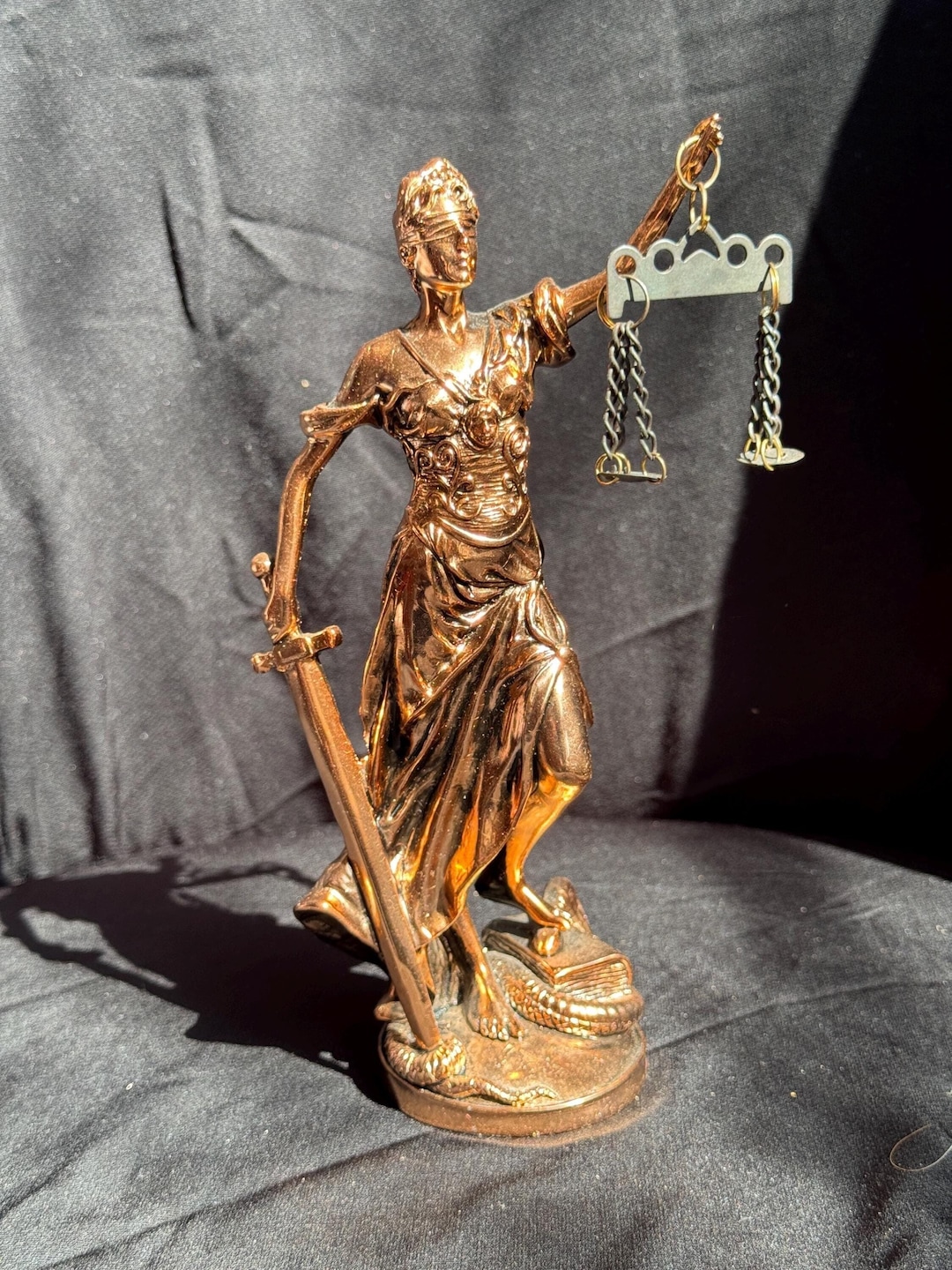
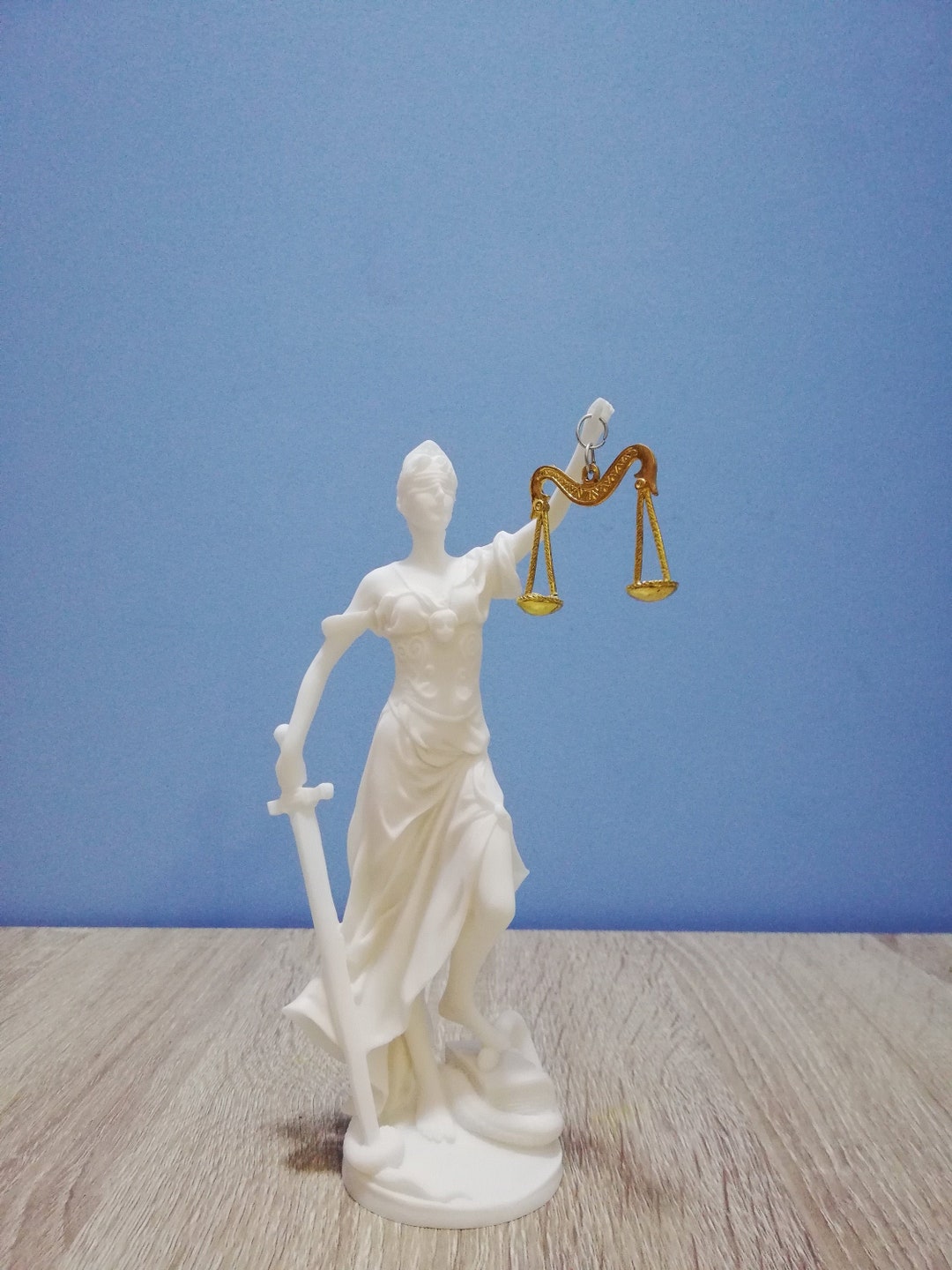
While the image of a blindfolded woman holding scales—often referred to as "Lady Justice"—is a fixture of modern courthouses, it is a syncretic evolution of classical figures. The iconography of Themis typically includes:
- The Scales: Representing the weighing of evidence and the balance required to maintain order.
- The Cornucopia: Symbolizing the abundance that results from a society governed by stable laws and divine order.
- The Sword: Though more commonly associated with the Roman goddess Justitia, in modern interpretations, it represents the power of enforcement.
In the 2026 legal and academic landscape, Themis remains a profound symbol of the Rule of Law. She is not merely a judge, but the embodiment of the idea that law is an inherent part of the universe. She serves as a reminder that legal systems are meant to reflect a higher, more stable sense of equity rather than the shifting whims of individuals in power.
Comparison of Key Attributes
| Attribute | Themis (Divine Order) | Dike (Legal Justice) |
|---|---|---|
| Primary Domain | Cosmic, unwritten tradition | Civil, human jurisprudence |
| Relationship | Mother / Source | Daughter / Executor |
| Function | Establishing the "way things are" | Correcting "wrongs done" |
| Symbolism | Natural laws & stability | Scales & judicial trial |
Themis and the Oracular Tradition
Beyond her role as a lawgiver, Themis is closely associated with prophecy. In many traditions, she was the original possessor of the Oracle at Delphi, occupying the site before it was associated with Apollo. As the personification of divine will, she was uniquely qualified to interpret the unfolding of destiny.
The connection between law and prophecy in Greek thought is significant. Both rely on the belief that there is a hidden, underlying structure to the world. A prophet understands the "law" of the future, just as a judge understands the "law" of the present. By holding the Oracle, Themis was tasked with the immense responsibility of communicating the inevitable outcomes ordained by the laws of the universe.
Frequently Asked Questions
Is Themis the same as the goddess of justice?
Themis is the personification of divine law and custom. While she is an ancestor of the concept of justice, modern "Lady Justice" is a composite figure that blends the Greek Themis and the Roman goddess Justitia. Themis is more focused on the foundational order of the world than the courtroom-specific justice of today.
What is the difference between a Titan and an Olympian?
Titans, like Themis, belong to the older generation of gods who ruled before the Olympians. Olympians, led by Zeus, represent the current, organized, and anthropomorphic generation of deities. Themis is unique because, despite being a Titan, she is accepted into the Olympian court as an essential counselor.
Who are the children of Themis?
Themis is primarily credited as the mother of the Moirai (Clotho, Lachesis, and Atropos), who spin the threads of fate, and the Horae, who preside over the seasons and the orderly passage of time. These offspring reinforce her role as the guardian of cosmic timing and inevitability.
Did Themis have temples?
Yes, Themis was honored in various parts of Greece. Her cult was typically associated with her role as a prophetic and foundational deity. She often had altars or small temples near oracles or within other sanctuary complexes, reflecting her role as a supporting figure who provided the "legal" and "prophetic" structure for other gods' domains.
Conclusion and Next Steps for Further Research
To fully grasp the significance of Themis, one must look beyond the simplified sketches found in introductory textbooks. Themis represents the transition from a world governed by chaotic force to one governed by law and predictable outcomes.
For readers interested in exploring this topic further, consider examining the works of Hesiod, particularly the Theogony, which provides the most comprehensive account of the Titan genealogies. Additionally, reviewing classical scholarship on the evolution of Greek legal thought provides a clearer view of how the mythological concept of Themis influenced the development of the polis (the Greek city-state). Researching the transition of the Delphic Oracle from Themis to Apollo also offers a fascinating look at how ancient civilizations redefined their understanding of divine order over time.
Image Gallery