Complete Guide to NC Gun Shows in 2026: Schedules, Regulations, and Buying Tips
Attending North Carolina gun shows in 2026 offers collectors, hobbyists, and lawful firearms purchasers a centralized marketplace to compare prices, examine diverse inventories, and acquire equipment directly from licensed dealers and...
Attending North Carolina gun shows in 2026 offers collectors, hobbyists, and lawful firearms purchasers a centralized marketplace to compare prices, examine diverse inventories, and acquire equipment directly from licensed dealers and private vendors. Navigating these events successfully requires a clear understanding of state-specific purchase laws, upcoming event schedules across major cities like Raleigh, Charlotte, and Greensboro, and standard admission protocols.
Contents
Understanding North Carolina Gun Show Schedules and Locations
North Carolina hosts a robust calendar of firearms exhibitions throughout the year, primarily coordinated by regional promoters such as Dixie Gun and Knife Shows. These events rotate through major municipal fairgrounds and convention centers, bringing together dozens of commercial vendors, knife makers, gear suppliers, and private collectors under one roof.
Major Event Venues Across North Carolina
- The Jim Graham Building at the NC State Fairgrounds (Raleigh): One of the largest and most frequently utilized venues for major exhibitions in the Triangle region, hosting large-scale events multiple times a year.
- The Metrolina Expo or Local Fairgrounds (Charlotte): Serving the Charlotte metropolitan area, these venues accommodate massive crowds and expansive dealer layouts featuring modern firearms, optics, and tactical gear.
- Greensboro Coliseum Complex (Greensboro): Centrally located in the Triad, this facility provides accessible staging for regional shows drawing attendees from Winston-Salem, High Point, and surrounding counties.
- Western North Carolina Agricultural Center (Asheville/Fletcher): Serving the mountain region, this venue hosts periodic exhibitions focusing on hunting rifles, historical arms, and outdoor equipment.
Frequency and Timing Considerations
Most regional shows operate on a weekend schedule, typically opening on Saturday morning and closing Sunday afternoon. Early admission on Saturday often attracts serious collectors and buyers looking for rare items or specific surplus parts before inventory diminishes. Checking official promoter websites prior to attendance remains essential to confirm dates, verify admission fees, and review venue parking guidelines.
Regulatory Framework for Purchases at NC Gun Shows
Purchasing a firearm at a North Carolina gun show involves compliance with federal, state, and local laws. While North Carolina repealed its state-level pistol purchase permit requirement in 2023, all transactions conducted with federally licensed firearms dealers (FFLs) at gun shows remain subject to standard federal regulations and background checks.
Licensed Dealer (FFL) Transactions
Every commercial vendor operating a booth at an NC gun show is an FFL holder. When purchasing a firearm from an FFL dealer:
- The buyer must complete ATF Form 4473 (Firearms Transaction Record).
- The dealer initiates a background check through the National Instant Criminal Background Check System (NICS) or utilizes North Carolina's established verification pathways where applicable.
- The buyer must present a valid, government-issued photo identification displaying their current residential address.
Private Party Transactions and State Standards
State law permits private, non-licensed individuals to buy and sell firearms privately within North Carolina, provided the buyer is not legally prohibited from possessing a firearm. However, many gun show promoters enforce strict internal rules prohibiting private-to-private sales inside the exhibition hall. Attendees looking to engage in private sales typically must do so outside the venue property or rely exclusively on the licensed dealers inside.
| Transaction Type | Federal Background Check (NICS) | Form 4473 Required | Venue Restrictions |
|---|---|---|---|
| Licensed Dealer (FFL) | Mandatory | Yes | Fully permitted inside all exhibition halls |
| Private Party (Inside Venue) | Generally Prohibited by Promoters | No | Mostly banned by venue and show policies |
| Private Party (Off-Site/Exterior) | Optional under state law, recommended | No | Must comply with local municipal ordinances |
Preparation and Best Practices for Attending
Maximizing a gun show visit requires strategic planning, adherence to safety protocols, and a clear purchasing objective. Whether searching for a specific concealed carry handgun, military surplus ammunition, or specialized reloading components, preparation prevents wasted time and ensures a smooth transaction.
Essential Items to Bring
- Valid Government-Issued Photo ID: A driver's license or state identification card is mandatory for any commercial purchase and entry verification.
- Cash and Credit Cards: While many vendors accept major credit cards, cash frequently provides leverage for negotiation, especially with private table holders or for bulk ammunition purchases. Some venues charge cash-only entry fees.
- Concealed Carry Permit (if applicable): Carrying a concealed handgun inside the venue is governed by state law and promoter policies. Those who carry should verify whether loaded firearms are permitted and follow strict safety peace-tying procedures at the entrance.
Inspection and Evaluation Tips
Exhibits feature a mix of factory-new inventory, used surplus, and antique firearms. Buyers examining used firearms should perform a thorough physical inspection:
- Verify the firearm is unloaded immediately upon picking it up from a table, keeping the muzzle pointed in a safe direction.
- Check the bore condition, rifling clarity, and crown integrity using a bore light if available.
- Inspect the action smoothness, trigger break, safety engagement, and locking mechanisms.
- Match serial numbers on major components (receiver, barrel, bolt) for historical or collectible firearms.
Pros and Cons of Buying at Gun Shows Versus Traditional Retailers
Evaluating whether to purchase a firearm or accessory at a gun show versus a brick-and-mortar gun store involves weighing specific advantages and potential drawbacks.
Advantages of Gun Shows
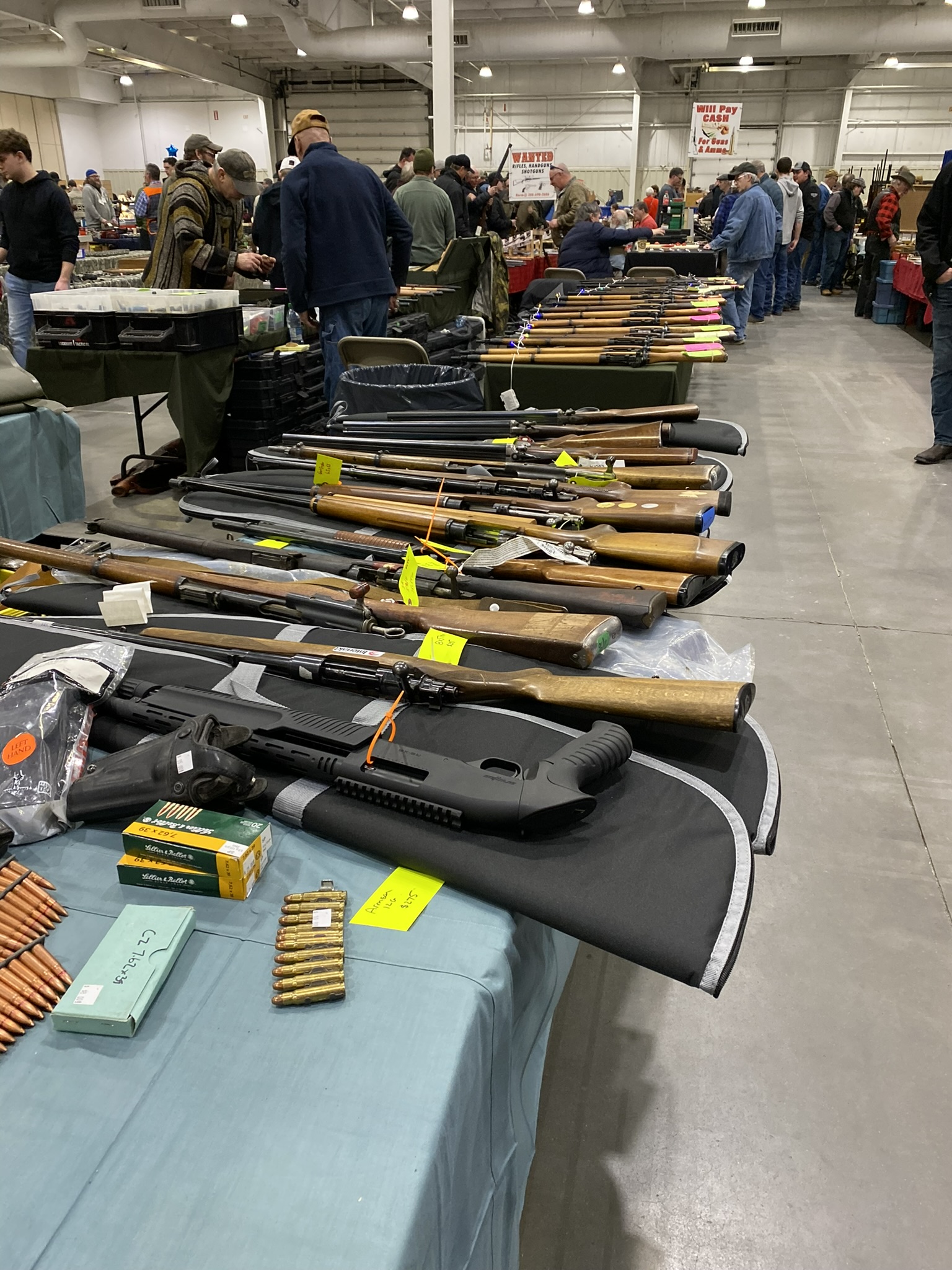
- Inventory Concentration: Buyers can compare dozens of different manufacturers, models, and price points under a single roof without driving to multiple retail locations.
- Access to Specialized Goods: Shows frequently feature vendors selling rare military surplus, hard-to-find calibers, custom knife blades, vintage reloading supplies, and specialized holsters.
- Negotiation Potential: Private vendors and smaller dealers may have more flexibility on pricing or package deals compared to corporate big-box sporting goods stores.
Disadvantages and Limitations
- Admission and Parking Fees: Attendees pay an entry fee and sometimes parking costs before even viewing the inventory, which can offset minor savings on small purchases.
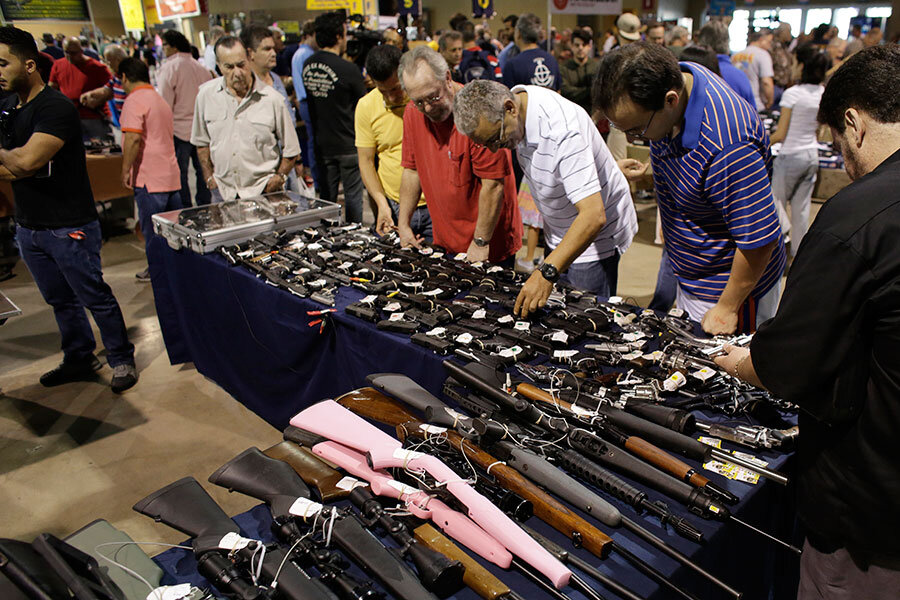
- Crowd Density: Popular weekend hours result in crowded aisles, making detailed examination of firearms difficult and requiring patience at vendor tables.
- Limited Post-Sale Support: Returning a defective firearm or seeking warranty assistance from a traveling weekend vendor can be more challenging than visiting a local storefront with a dedicated customer service desk.
Frequently Asked Questions
Do I need a permit to buy a gun at an NC gun show?
No state-level pistol purchase permit is required for handgun purchases in North Carolina. However, all buyers purchasing from licensed dealers must pass a federal NICS background check at the time of sale.
Can I carry a loaded firearm inside a North Carolina gun show?
Policies vary by venue and promoter, but most shows require all personal firearms brought in for sale, trade, or carry to be securely zip-tied or unloaded and checked at the entrance by security personnel. Always verify specific show rules before entry.
Are background checks required for every purchase?
Background checks are legally required for all purchases made from federally licensed dealers (FFLs). Private party transactions outside the venue fall under different state guidelines, though reputable shows restrict unlicensed sales on the premises.
Can out-of-state residents purchase firearms at NC gun shows?
Out-of-state residents can purchase long guns (rifles and shotguns) from an FFL in North Carolina, provided the transfer complies with the laws of both North Carolina and the buyer's home state. Handgun purchases generally must be shipped to an FFL in the buyer's home state for transfer.
What is the best time to find deals at a gun show?
Sunday afternoons often see vendors more willing to negotiate on remaining inventory to avoid packing items back up for transport, though prime collector items and rare firearms are usually claimed early Saturday morning.
Securing Your Next Firearm Safely
Attending North Carolina gun shows provides an unmatched opportunity to explore a vast marketplace of firearms, tactical accessories, and historical artifacts. By understanding the legal requirements, adhering strictly to safety protocols, and comparing prices between vendors, buyers can navigate these events efficiently and make informed, lawful purchases. Always verify upcoming 2026 event schedules and venue policies directly with official promoters before planning your visit.
Image Gallery