Live-Action Stitch Original Design: Translating Disney’s Animated Classic to Photorealistic CGI
Disney's adaptation of Lilo & Stitch into a live-action and CGI hybrid feature required visual effects teams to translate the alien Experiment 626 from classic 2D animation into a photorealistic creature. The live-action Stitch design...
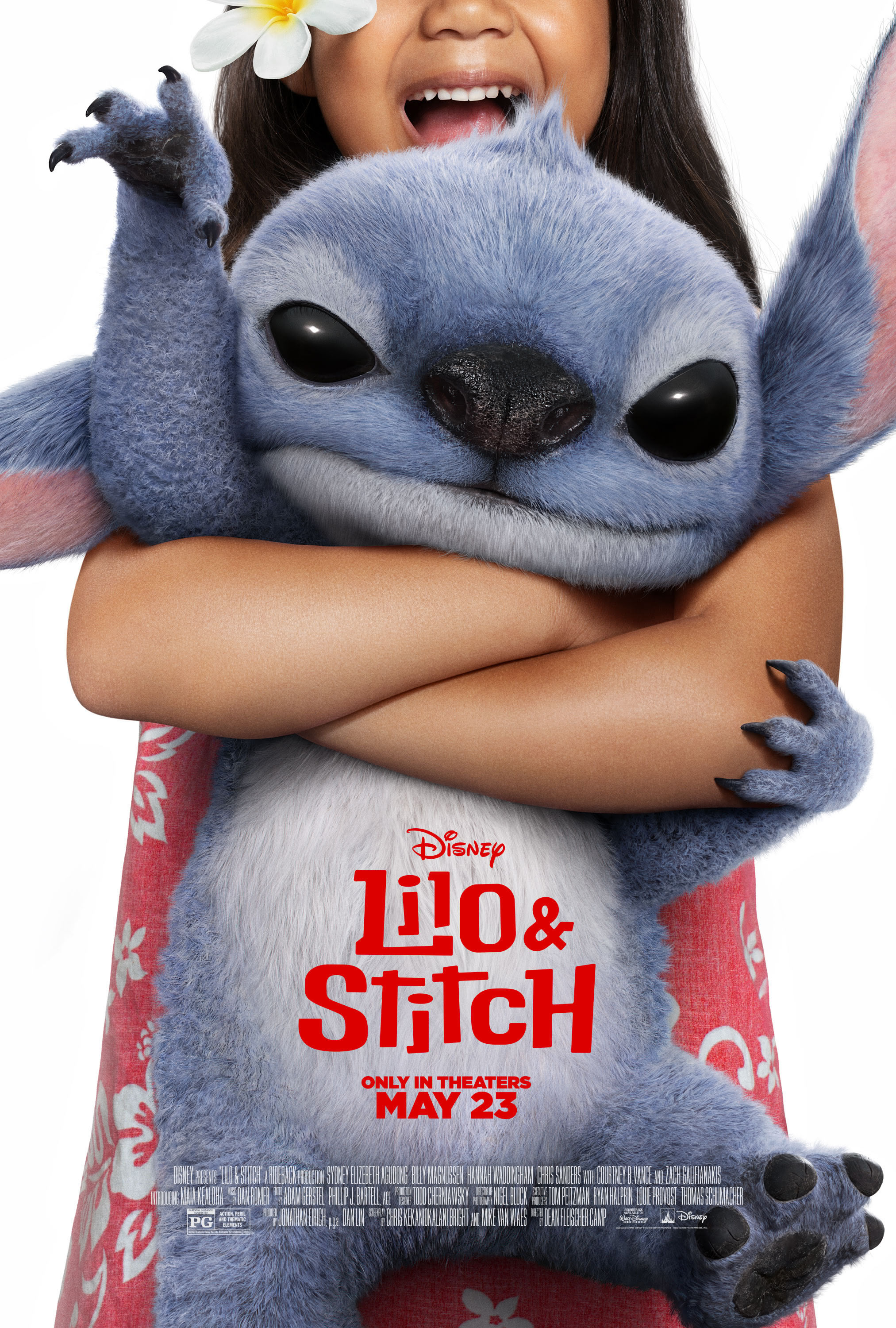
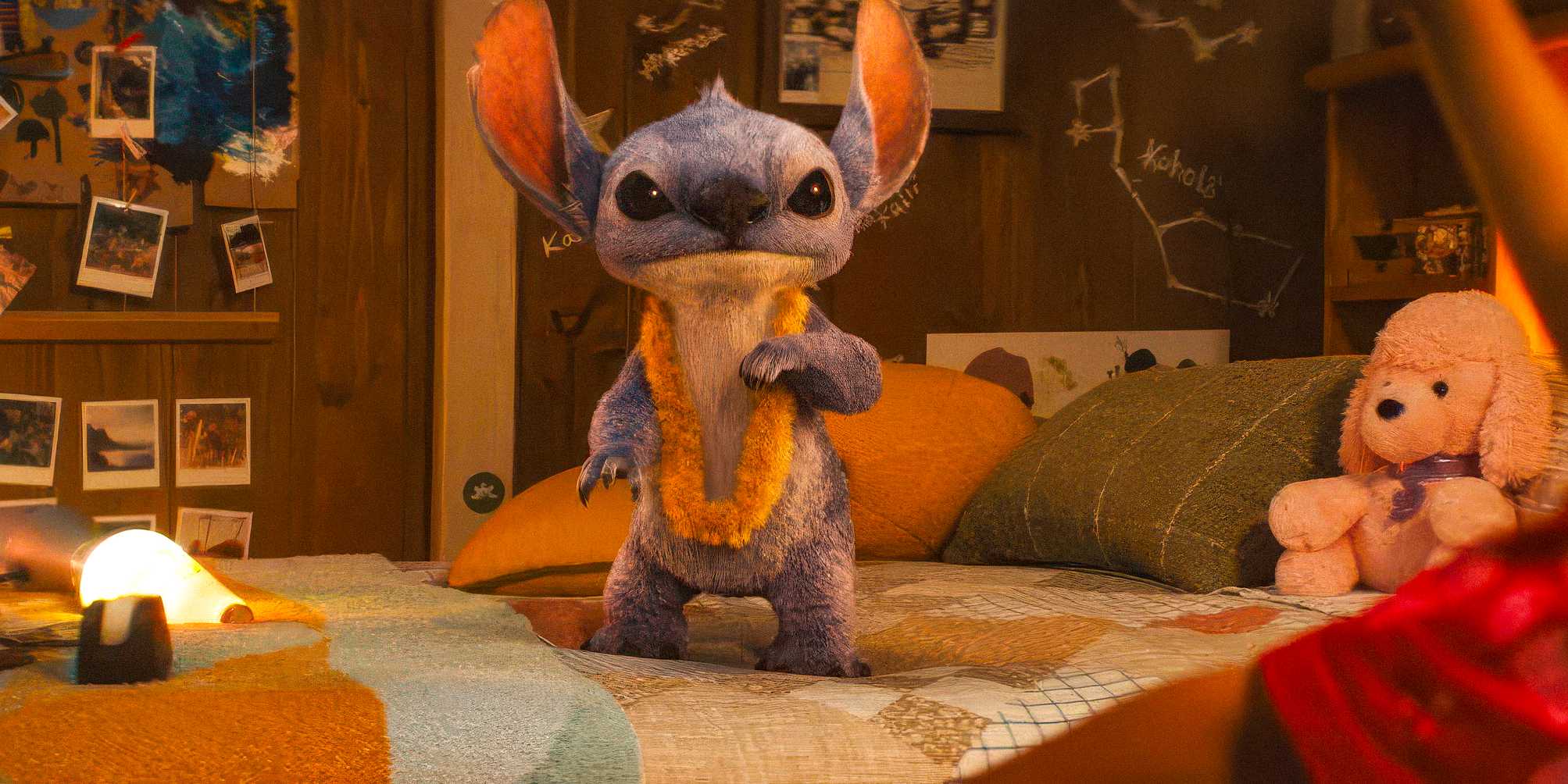
Disney's adaptation of Lilo & Stitch into a live-action and CGI hybrid feature required visual effects teams to translate the alien Experiment 626 from classic 2D animation into a photorealistic creature. The live-action Stitch design preserves Chris Sanders’ original 2002 silhouette—including his oversized ears, koala-like proportions, and expressive eyes—while applying realistic fur physics and micro-detailed anatomy.
Contents
The Blueprint: Chris Sanders' Original 2002 Character Design
To evaluate how the live-action design translates Experiment 626 to three dimensions, one must first examine the foundational choices of the original 2002 animated feature. Co-director and creator Chris Sanders designed Stitch with a distinct, rounded aesthetic that set him apart from traditional Disney character visual languages of the early 2000s.
- Original 2002 Concept
- Soft, watercolor shapes
- Flat blue tone palette
- High-stretch expression
- Stylized ear notches
- Live-Action CGI Translation
- Realistic fur physics
- Subsurface skin lighting
- Anatomical muscle structure
- Photorealistic eye depth
Sanders blended traits from Koalas, French Bulldogs, and mythical creatures to construct a silhouette that felt simultaneously cute and hazardous. The 2002 design relied on specific, non-negotiable visual markers:
- Proportions: A large, rounded head mounted on a short torso with stocky limbs, yielding a low center of gravity.
- Facial Architecture: Oversized, deep black eyes lacking distinct irises or scleras, paired with a broad, bulbous navy nose and asymmetric ear notches.
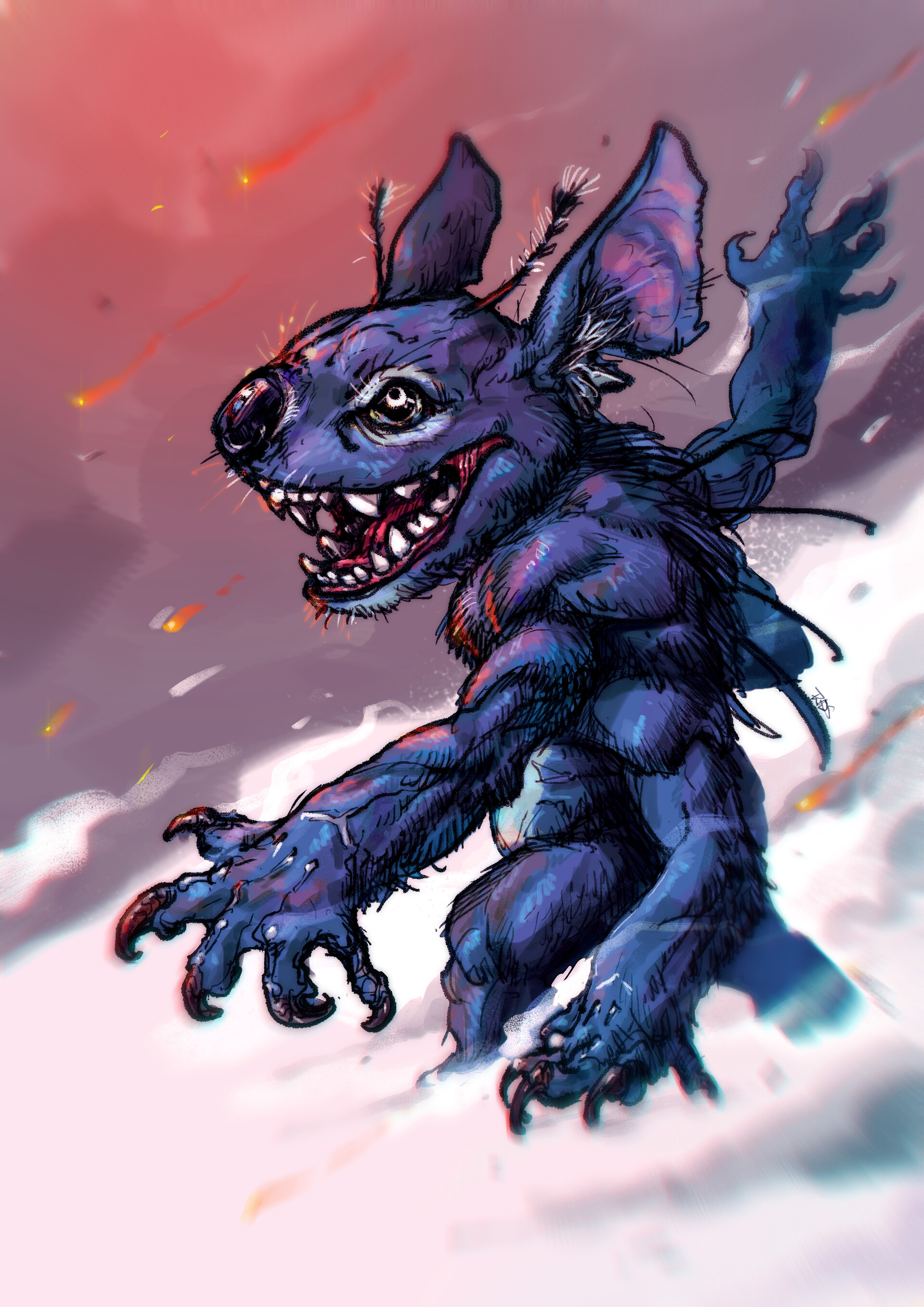
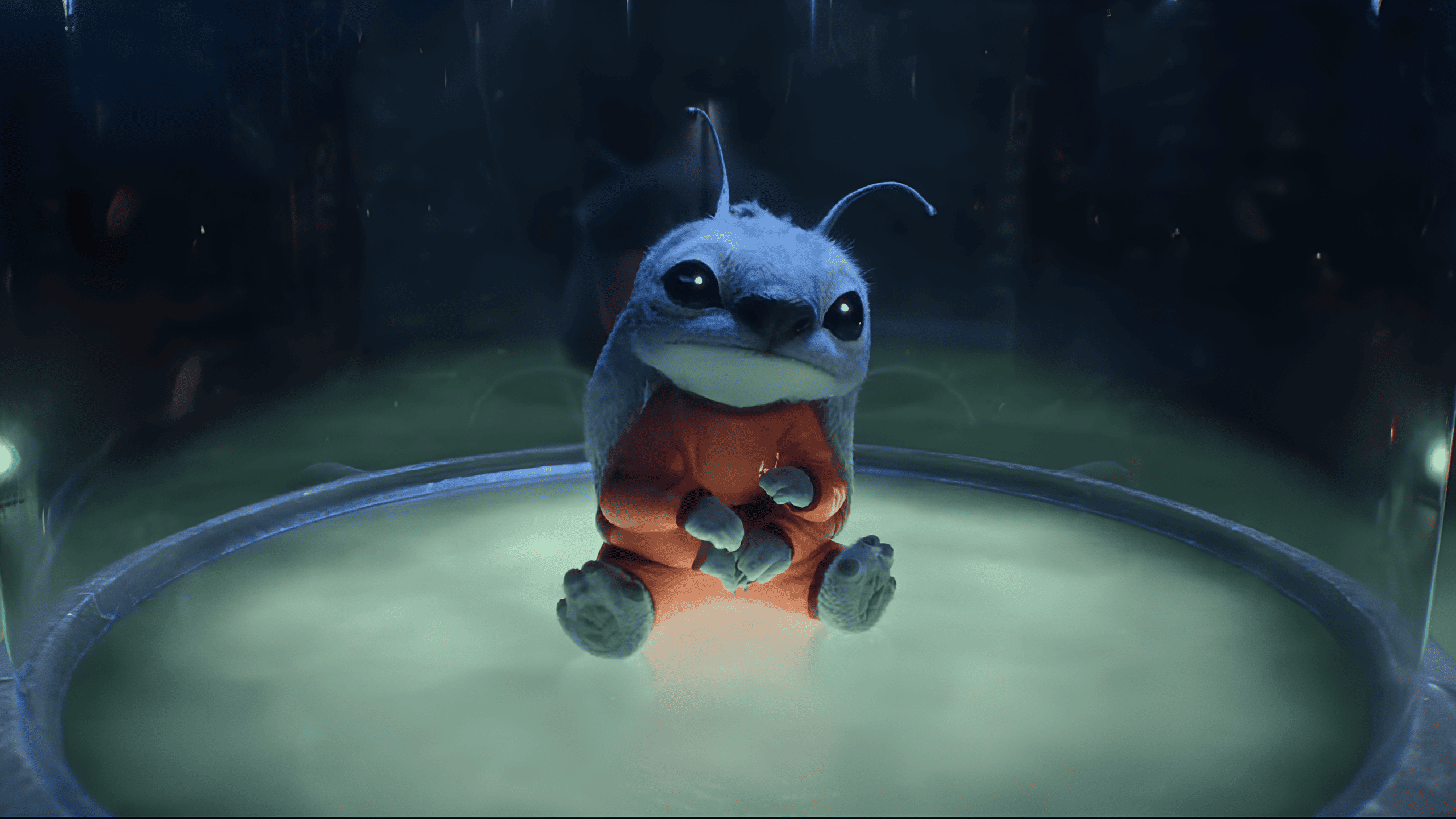
- Alien Form Features: Retractable secondary arms, back spines, and antenna-like appendages that could retract completely into the torso to allow Stitch to disguise himself as a domestic dog.
- Color Palette: A primary royal blue fur coat contrasted by lighter sky-blue patches around the eyes, chest, and belly, with dark navy markings across the back.
The challenge in bringing this original design into a live-action environment lies in maintaining those exaggerated, cartoon-bound proportions without triggering the "uncanny valley"—the discomfort viewers feel when a stylized character appears unconvincingly real or unnaturally altered in a photorealistic setting.
Translating 2D Stylization into 3D Photorealism
Converting a hand-drawn 2D animation character into a photorealistic visual effects model requires rebuilding the character from the inside out. In 2D hand-drawn feature animation, artists stretch and squash facial features dynamically from frame to frame to convey emotion, often ignoring strict volume conservation. A live-action CGI model, by contrast, must obey the laws of physics, light transport, and skeletal anatomy.
Fur Simulation and Grooming Physics
In the original 2002 film, Stitch’s exterior was rendered as smooth, solid blocks of watercolor tone. For the live-action translation, digital artists had to decide how Stitch’s coat would behave under real-world physical conditions.
Visual effects studios utilized advanced groom simulation tools to layer short, dense under-fur beneath longer guard hairs. The grooming map maintains the iconic color separations—the lighter blue facial and chest markings—not by painting flat colors onto a texture map, but by assigning distinct pigment properties to individual digital hair follicles. The fur must react convincingly to environmental factors specific to the film's Hawaiian setting, including coastal winds, salt water immersion, sand cling, and tropical sunlight.
Subsurface Scattering and Skin Texture
Underneath the fur coat, Stitch’s anatomical mesh incorporates subsurface scattering (SSS) shaders. Subsurface scattering simulates the way light penetrates translucent surfaces—such as skin, cartilage, and muscular tissue—blends beneath the surface, and exits at different angles. This technical feature prevents the creature from appearing like a rigid plastic toy or a stuffed animal.
Light passing through the thin cartilage of Stitch's large, notched ears illuminates blood vessels and tissue density, echoing the natural physiology of real mammals like bats or dogs. The nose feature trades flat dark blue fill for a porous, leather-like epidermis texture featuring natural moisture highlights around the nostrils.
Anatomy and Micro-Details: Preserving Iconic Features
The central pillar of the live-action Stitch original design strategy is absolute fidelity to the character's core structural geometry. Rather than redesigning the creature's core silhouette—a mistake made in early iterations of other live-action adaptations like 2019's Sonic the Hedgehog—the visual development team chose to retain Chris Sanders' primary shape language.
Live-Action Stitch Anatomy Breakdown
- Ears: Deep ear notches retained
- Facial Features:
- Eyes: Glossy, high-reflectivity ocular lenses
- Nose: Wet leather-texture nose
- Mouth: Retractable canine & alien tooth row
- Body: Short, dense blue fur (layered groom with pigment maps)
- Limbs: Fully retractable secondary limbs (Arm 1, Arm 2, Arm 3, Arm 4)
Ocular Structure and Expression Rigging
Stitch’s eyes present a significant technical hurdle in creature design. In the 2D film, his eyes are large, solid black ovals that compress and expand to show mood. To replicate this expressiveness without losing photorealism, character riggers built a multi-layered eye model featuring:
- A deep, dark pupil region: Retaining the iconic black void look while incorporating subtle, dark-brown iris striations observable only under direct light.
- A clear corneal outer lens: Creating sharp, real-time reflections of the surrounding live-action environment, grounded in realistic studio or natural lighting maps (HDRIs).
- Complex palpebral muscle controls: Micro-rigging around the eyelids allowing the CGI mesh to squint, widen, and convey warmth, aggression, or confusion without distorting the skull mesh unnaturally.
Ear Articulation and Notch Preservation
Stitch’s ears serve as his primary emotional indicators, acting similarly to a dog's ears. The live-action design retains the signature deep tear or notch on the left ear tip. The ear mechanics rely on complex muscle systems that permit twitching, flattening back against the cranium during aggressive stances, and drooping down during moments of sadness.
Retractable Limbs and Alien Appendages
A defining characteristic of Experiment 626 is his biological adaptability. In his true alien form, Stitch possesses six legs, two retractable head antennae, and a row of sharp dorsal spines along his back. When disguising himself as a dog, he folds his secondary pair of arms into specialized torso cavities and retracts his spines and antennae beneath his fur.
The visual effects team engineered the character’s internal skeletal rig to accommodate these transformations smoothly. The torso geometry includes hidden muscular folds that allow the secondary limbs to extend during action sequences without stretching the surrounding skin textures or causing fur clipping artifacts.
On-Set Production: Animatronics, Reference Puppets, and Visual Effects
Creating a convincing interaction between a CGI creature and human actors requires precise physical references during principal photography on location in Hawaii. To achieve natural eye lines and physical contact, production teams deploy a combination of practical tools before post-production digital asset integration takes place.
| Production Tool | Operational Role on Set |
|---|---|
| Stuffie / Stand-in | Establishes spatial scale and lighting baseline |
| Practical Puppet | Provides real-time eye lines and physical weight |
| Animatronic Rig | Delivers mechanical movement for close-up shots |
| Full CGI Mesh | Replaces physical reference assets in final frame |
- Reference Puppets ("Stuffies"): Soft, color-accurate scale models of Stitch are used during rehearsals. These stand-ins allow actors like the performer playing Lilo to understand physical dimensions, hold the character naturally, and maintain accurate eye contact.
- Lighting and HDR Capture Balls: Chrome and gray spheres, alongside a fully textured, high-detail physical model of Stitch, are filmed in every location. This provides VFX lighting artists with exact real-world lighting data, capturing how Hawaiian sunlight reflects off Stitch's specific fur color and nose texture.
- Animatronic and Practical Components: For scenes involving direct physical contact—such as hugging or sitting in an actor's lap—practical animatronic rigs or weighted foam puppets are utilized. These physical props create authentic depressions in clothing, skin compression, and natural arm placement that digital artists later replace or enhance frame-by-frame.
Technical & Visual Feature Comparison
The transformation from 2D animation to a 2020s live-action hybrid model involves updates across artistic, technical, and physical parameters. The table below details these technical shifts between the original design and the live-action adaptation.
| Design Feature | Original 2D Animated Design (2002) | Live-Action CGI Adaptation Design | Technical & Visual Impact |
|---|---|---|---|
| Surface Material | Flat watercolor fills, cel-shaded ink outlines | Multi-layered groom simulation with dense undercoat and guard hairs | Adds depth, realism, and natural reaction to wind, water, and dirt |
| Eye Architecture | Solid black ink shapes, dynamic 2D shape squashing | Multi-layered corneal lens with subtle iris textures and environment reflections | Preserves iconic black appearance while anchoring the model into live-action lighting |
| Anatomical Rigging | Freeform squash-and-stretch without volume limits | Skeletal mesh bound by real-world mass conservation and muscle simulation | Prevents uncanny distortion during high-velocity action scenes |
| Nose Texture | Uniform dark blue fill with simple white highlight | Leather-like porous epidermis with subsurface scattering and moisture sheen | Replicates canine/mammalian nose texture under direct macro cinematography |
| Color Palette | Pure royal blue (#2C539E spectrum) and sky blue patches |
Pigment-mapped fur fibers with tonal variation under natural sun lighting | Maintains iconic color boundaries while preventing oversaturated video artifacts |
| Ear Mechanics | Flat geometric shapes with static notch paths | Dynamic cartilage mesh with light translucency (subsurface scattering) | Enhances emotional expression through micro-twitches and lighting pass-through |
| Alien Appendages | Instant, frame-jump hide/reveal transitions | Anatomically rigged retractable bones sliding beneath fur-covered muscle pockets | Makes the transition from six-limbed alien to four-limbed "dog" biologically believable |
Mitigating the Uncanny Valley in Creature Adaptation
Adapting cherished animated characters into realistic digital assets carries inherent creative risks. Film history contains numerous examples of character designs that stumbled when transitioning to photorealism. Visual development artists avoid these traps with the live-action Stitch by adhering to three visual design rules:
Preserving Silhouette Primacy
The most critical factor in avoiding character rejection by audiences is maintaining the established silhouette. Stitch’s iconic outline—a wide triangular head topped by large, angled ears set atop a rounded torso—remains untouched. By avoiding changes to his underlying frame, the digital character remains immediately recognizable as Experiment 626 even before fur, lighting, or motion are rendered.
Balancing Expressiveness with Animal Realism
Real animals have limited facial expressions compared to 2D animated characters. If a CGI creature’s face moves with total 2D elasticity, it can appear like melting plastic. Conversely, if it is locked into strict animal rigidity, it loses its emotional warmth.
The live-action design balances these constraints by grounding Stitch's movements in natural mammalian behaviors. His expressions draw heavily from canine eyebrow shifts, feline ear movements, and primate hand gestures. This grounding allows Stitch to convey complex emotions—such as loneliness, mischief, or affection—without breaking the photorealistic reality of the live-action frame.
Balancing Visual Realism with Expressive Character Design
- High Cartoon Elasticity: Uncanny melting plastic look
- Over-Rigid Realism: Loss of emotional warmth
- Optimal Hybrid Design Zone:
- Exact 2002 shape silhouette
- Grounded canine/feline physics
- Micro-expressive facial rigging
Frequently Asked Questions
Did Disney change Stitch’s original color scheme for the live-action design?
No. The live-action design maintains the primary royal blue fur coat, sky-blue eye/stomach patches, and dark navy back markings seen in the 2002 film. The main difference lies in how light interacts with individual fur strands, creating natural tonal variations depending on the sun or indoor environment.
Who originally created the design for Stitch?
Stitch was originally created and designed by filmmaker and animator Chris Sanders in the late 1980s as a children's book character, before being adapted into Disney's 2002 animated feature Lilo & Stitch, which Sanders co-wrote and co-directed alongside Dean DeBlois.
How does the live-action design handle Stitch's extra arms and spines?
The CGI model features an advanced internal muscular rig that allows Stitch's secondary arms, head antennae, and back spines to retract smoothly into skin folds beneath his fur. This preserves his ability to transform between his alien form and his domestic "dog" disguise as established in the original lore.
Why does Stitch's fur look short and dense rather than shaggy?
The visual effects team modeled Stitch's fur after dense, short-coated mammals like koalas, otters, and French bulldogs. This dense groom maintains his crisp, rounded silhouette while ensuring water, sand, and lighting interact realistically with his body during Hawaiian outdoor scenes.
Is the live-action Stitch created entirely with CGI or animatronics?
The final on-screen character is primarily rendered using full 3D visual effects (CGI). However, physical animatronic puppets, scale stand-ins, and weighted props were used on set in Hawaii to give actors precise eye lines and provide realistic physical interaction during scenes requiring direct contact.
Key Takeaways and Next Actions
Understanding how Disney adapted Stitch’s original design highlights the complex balance between preserving legacy character art and leveraging cutting-edge digital creature FX. By prioritizing Chris Sanders' 2002 silhouette, applying realistic fur physics, and using physical puppets on set, the production bridges hand-drawn nostalgia with modern photorealism.
If you are a student of visual effects, character designer, or film enthusiast analyzing creature design adaptations:
- Study Silhouette Retention: Compare side-by-side stills of the 2002 2D model and the live-action CGI render to analyze how primary character geometry is preserved across mediums.
- Examine Micro-Grooming Techniques: Research how visual effects software utilizes grooming maps and subsurface scattering to translate solid color fills into organic hair pigment layers.
- Analyze Practical On-Set Interaction: Explore behind-the-scenes footage of hybrid creature productions to see how reference puppetry and HDR lighting capture establish believable physical contact between real actors and digital assets.
Image Gallery