Navigating Donner Pass Road Conditions: Essential Safety and Real-Time Travel Guide for 2026
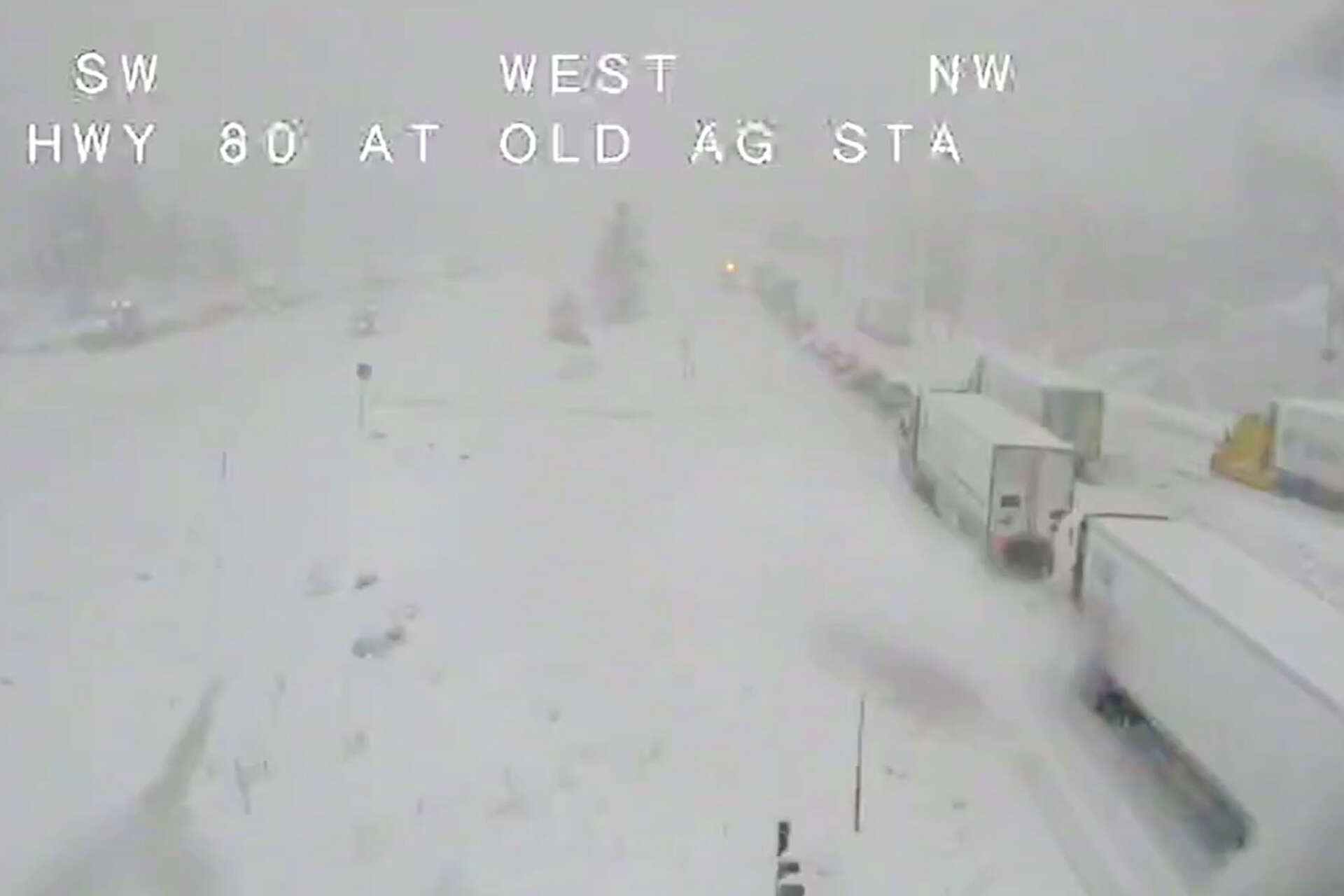
Current Donner Pass road conditions on Interstate 80 frequently fluctuate between clear pavement, chain controls, and temporary safety closures due to heavy Sierra Nevada snowfall, requiring motorists to check live updates via Caltrans...
Current Donner Pass road conditions on Interstate 80 frequently fluctuate between clear pavement, chain controls, and temporary safety closures due to heavy Sierra Nevada snowfall, requiring motorists to check live updates via Caltrans before embarking. Located along a vital transcontinental corridor in California, this mountain pass demands rigorous preparation, adherence to winter driving regulations, and continuous monitoring of weather patterns to ensure safe transit across the summit.
Contents
Understanding the Geography and Route Significance of Interstate 80 over Donner Pass
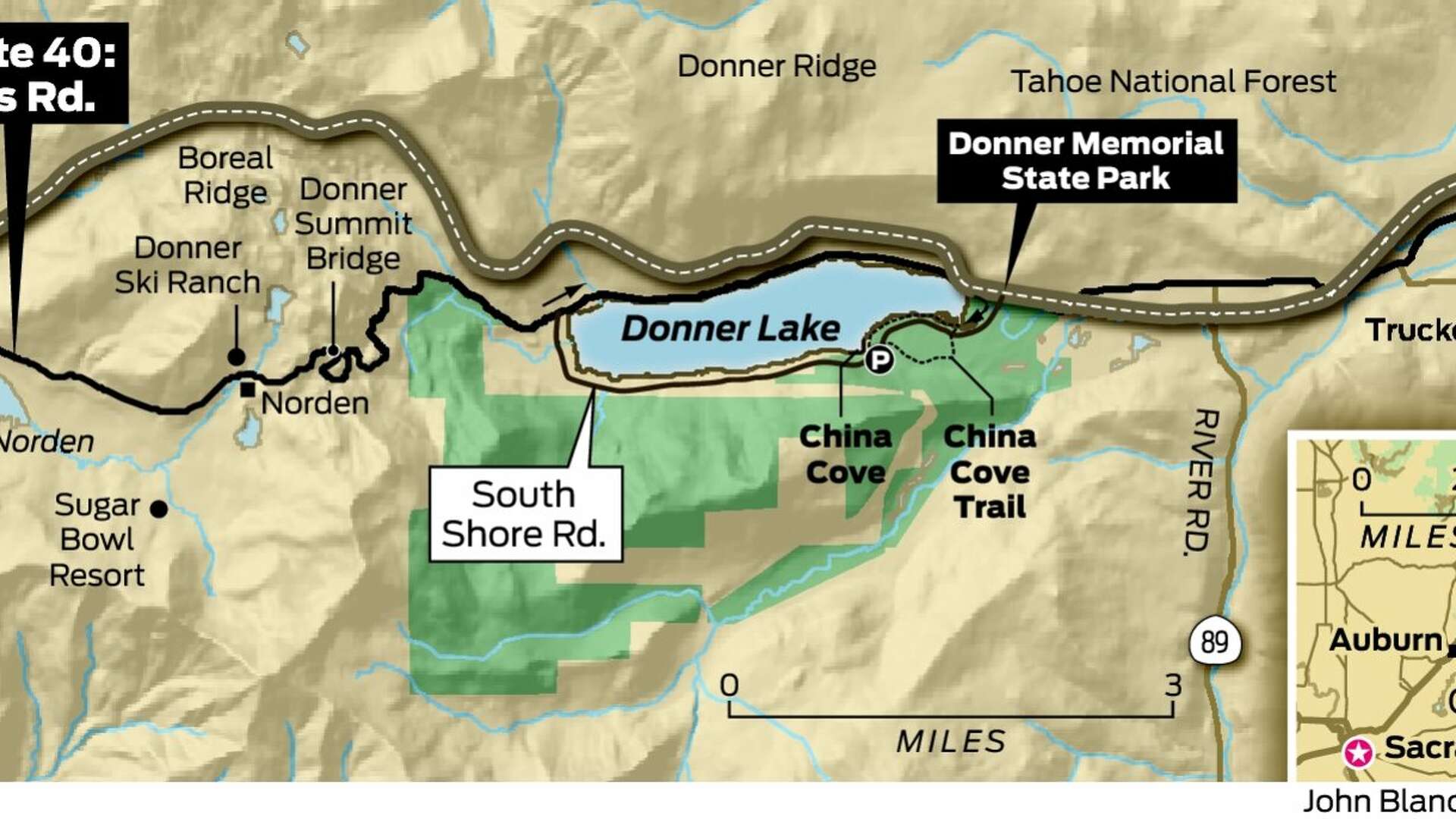
Interstate 80 over Donner Pass serves as one of the primary commercial and passenger lifelines connecting Northern California to Nevada and the broader United States. Rising to an elevation of approximately 7,057 feet at its summit near Soda Springs and passing near historical landmarks like Donner Lake, the route experiences severe meteorological extremes. Pacific storms routinely drop feet of snow and trigger high-velocity winds along this mountain stretch, making up-to-date travel intelligence indispensable for anyone traversing the Sierra Nevada.
Motorists traveling this route encounter distinct elevation challenges that differentiate valley driving from high-alpine transit. The western slope ascends rapidly from Roseville and Auburn through towns like Colfax, Dutch Flat, and Alta before hitting the high country. The eastern slope descends toward Truckee and the expansive Tahoe Basin. Understanding these topographic transitions helps drivers anticipate microclimates where localized freezing fog, black ice, and sudden whiteout conditions materialize rapidly, even when lower elevations remain clear.
Real-Time Monitoring Sources for Donner Pass Weather and Traffic
Relying on outdated forecasts or third-party mapping applications can leave motorists stranded during rapid weather transitions. Accessing verified, official channels ensures accurate, minute-by-minute updates regarding chain controls, spin-outs, and vehicular accidents.
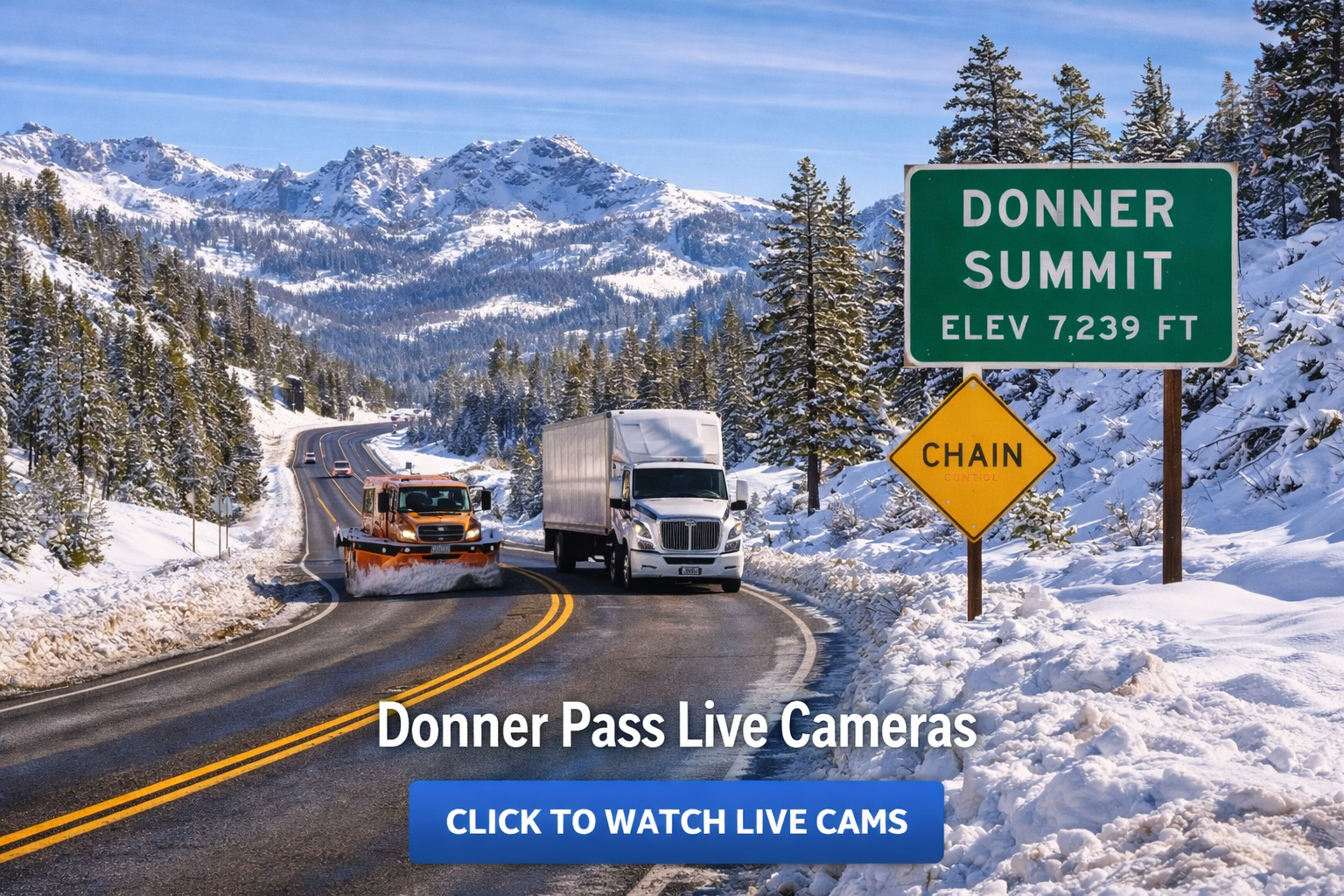
- California Department of Transportation (Caltrans): The official QuickMap service provides live traffic camera feeds, active chain control locations, and real-time speed data across District 3.
- Caltrans Highway Information Network (CHIN): Drivers can dial 511 from any California phone line to receive automated, voice-activated updates regarding mountain pass statuses.
- National Weather Service (NWS) Reno Office: Provides specialized mountain weather forecasts, including winter storm warnings, wind advisories, and expected snowfall accumulation rates for the high Sierra.
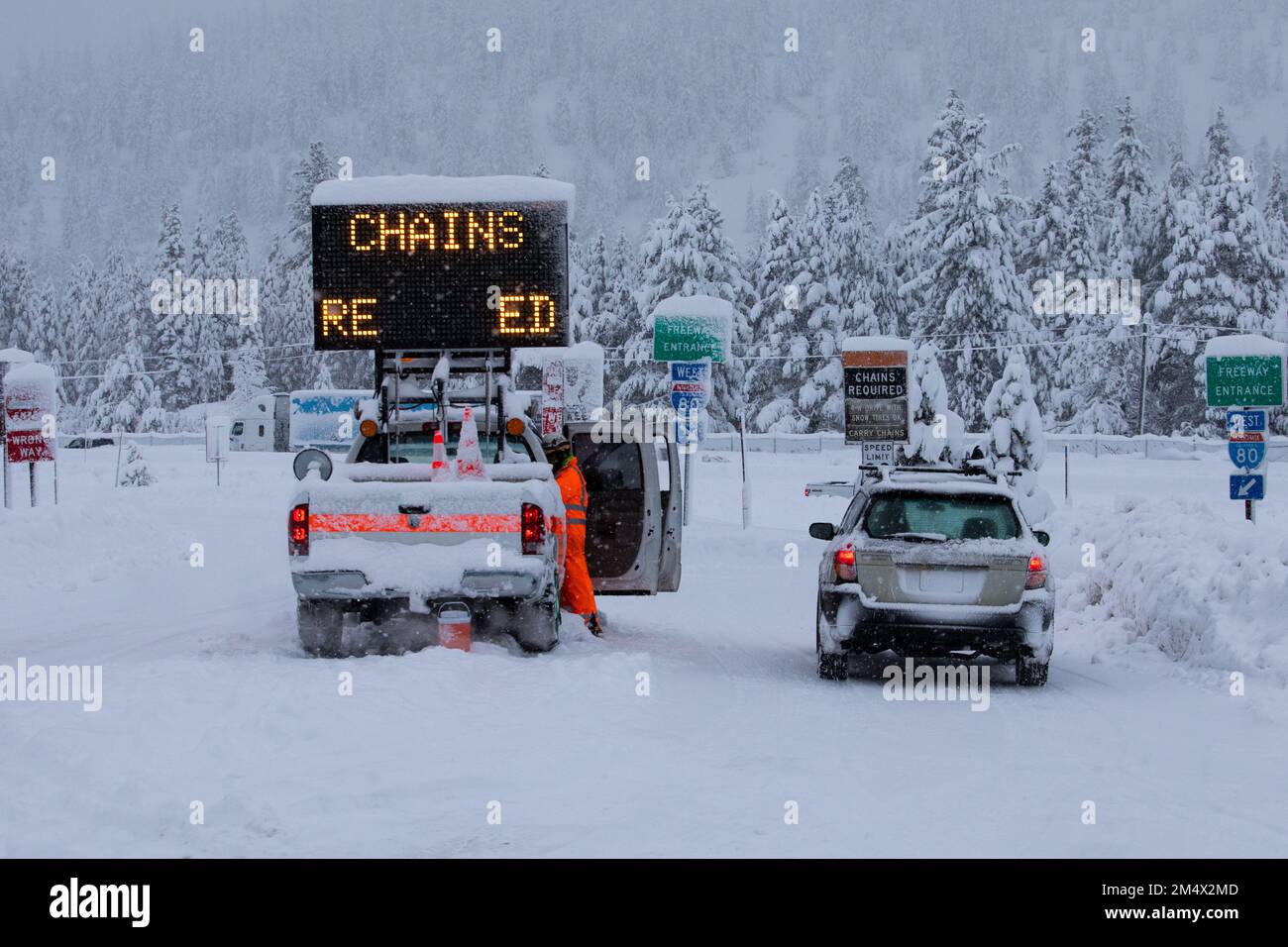
- Local Media and Variable Message Signs: Electronic overhead boards along Interstate 80 provide immediate warnings regarding speed restrictions, closures, and required traction devices.
Decoding California Chain Control Levels and Legal Requirements
Caltrans enforces strict chain control mandates to prevent accidents and maintain traffic flow during winter weather events. Failure to comply with active chain requirements can result in substantial fines, delays, or liability in the event of a collision. Drivers must understand the three distinct tiers of chain controls enforced along Donner Pass.
| Chain Control Level | Vehicle Requirement | Passenger Vehicle Rules | Commercial Vehicle Rules |
|---|---|---|---|
| R-1 | Chains required on specific vehicles unless equipped with snow tires. | Must put on chains if not driving a vehicle with M/S rated snow tires on the drive axle. | Must carry chains; must install chains on drive axles based on vehicle configuration. |
| R-2 | Chains required on all vehicles except four-wheel/all-wheel drive. | All vehicles must carry chains; 4WD/AWD vehicles may proceed without chains engaged if snow tires are present, but must carry them. | Must install chains on primary drive axles; trailer configurations require specific multi-axle chain setups. |
| R-3 | Absolute mandatory chain requirement for every single vehicle. | All vehicles, regardless of four-wheel drive, all-wheel drive, or tire type, must install chains on their drive tires. | All commercial vehicles, without exception, must install approved chains on drive and trailer axles. |
Properly fitting chains before reaching the checkpoint is vital. Stopping in active travel lanes to install traction devices creates extreme hazards for snowplows and oncoming traffic. Designated chain-fitting areas and pullouts are located frequently along Interstate 80, equipped with adequate lighting and space for motorists to secure their equipment safely.
Essential Winter Driving Gear and Vehicle Checklist
Crossing Donner Pass during winter storm cycles requires comprehensive vehicular preparation. Beyond basic traction devices, drivers should maintain an emergency kit capable of sustaining occupants during unexpected delays or highway closures that can last several hours.
- Traction Devices: Ensure tire chains or cable devices match exact tire dimensions and have been test-fitted prior to departure.
- Emergency Supplies: Pack non-perishable food, bottled water, heavy blankets, hand warmers, a flashlight with fresh batteries, and a fully charged mobile power bank.
- Vehicle Maintenance: Verify that antifreeze levels, windshield wiper fluid with freeze protection, battery voltage, and brake performance meet optimal operating standards.
- Scraping Tools: Keep a sturdy ice scraper and snow brush accessible in the passenger compartment rather than the trunk.
Step-by-Step Guide to Safely Crossing Donner Pass in Winter
Navigating high-altitude mountain passes requires specialized driving techniques that differ significantly from standard highway travel. Executing a safe crossing involves systematic preparation before, during, and after the mountain ascent.
- Pre-Trip Verification: Check the Caltrans QuickMap application and local weather advisories at least two hours before departure to confirm that Interstate 80 is open and free of major accident delays.
- Fuel and Supplies Check: Ensure the vehicle fuel tank is at least three-quarters full before entering the foothills, as idling in heavy traffic consumes significant fuel reserves.
- Ascent Discipline: Maintain a consistent, moderate speed while climbing, avoiding sudden acceleration or braking that can induce wheel slip on icy grades.
- Following Distance: Increase the following distance behind snowplows and other vehicles to a minimum of 5 to 10 seconds, allowing ample stopping distance on slick pavement.
- Descent Management: Shift into a lower gear to utilize engine braking, minimizing continuous friction braking that can cause brake fade or loss of control on steep downward grades.
- Post-Pass Inspection: Pull safely into a designated rest area or town (such as Truckee or Auburn) after clearing the pass to inspect tires, brakes, and clear accumulated snow or ice from headlights and windshields.
Common Mistakes and Hazards to Avoid
Drivers frequently underestimate the severity of Sierra weather systems, leading to preventable road closures and dangerous roadside situations. Recognizing and avoiding common pitfalls ensures a safer transit across the summit.
Mountain Safety Warning Never Bypass Chain Control Checkpoints: Attempting to drive past active chain control stations without required equipment is illegal and results in mandatory turn-arounds, heavy fines, and severe gridlock for snow removal operations.
Avoid Overreliance on Four-Wheel Drive: While 4WD and AWD systems assist with forward momentum, they do not improve braking performance on sheet ice. Gravity and momentum affect all vehicles equally on steep grades.
Never Tailgate Snowplows: Caltrans snowplows operate in echelon formations to clear all lanes simultaneously. Passing snowplows or following too closely exposes vehicles to flying ice chunks and hidden ridges of packed snow.
Frequently Asked Questions Regarding Donner Pass
How can I check live road conditions for Donner Pass right now?
Motorists can check real-time road conditions by visiting the official Caltrans QuickMap website or mobile application, or by calling the automated Highway Information Network at 511. These platforms provide live camera views, chain control updates, and accident notifications for Interstate 80 over Donner Pass.
Are tire chains mandatory on Interstate 80 over Donner Pass during winter?
Tire chains are legally required whenever Caltrans implements R-1, R-2, or R-3 chain controls. Even vehicles equipped with four-wheel drive and snow tires must carry chains in their vehicles and install them when R-3 controls are in effect.
What should I do if my car gets stuck in the snow on Donner Pass?
Stay with your vehicle, keep the exhaust pipe clear of snow to prevent carbon monoxide poisoning, and run the engine heater sparingly to conserve fuel. Call 911 if you are experiencing an immediate medical emergency, and contact roadside assistance or California Highway Patrol (CHP) non-emergency lines for towing dispatch.
Is Donner Pass closed during major snowstorms?
Yes, Caltrans implements temporary safety closures during severe blizzards, avalanches, or major multi-vehicle accidents to allow heavy snow removal equipment and emergency responders to clear the corridor safely.
How long does it take to drive over Donner Pass in normal conditions?
Under clear weather conditions, driving the stretch of Interstate 80 between Roseville and Truckee over Donner Pass takes approximately one hour to one hour and fifteen minutes. Winter weather, construction, and chain control delays can easily extend this travel time to several hours.
Can commercial semi-trucks travel over Donner Pass during storms?
Commercial trucks must follow strict chain mandates, utilize designated truck inspection stations, and pull over when truck restrictions are implemented by the California Highway Patrol to prevent jackknifes and pass blockages.
Secure Your Journey Across the Sierra
Monitoring up-to-the-minute Donner Pass road conditions, respecting chain control regulations, and equipping your vehicle for extreme alpine weather guarantees a secure and efficient passage. Always prioritize safety over schedule constraints when winter storms impact Interstate 80. Plan your itinerary carefully, keep emergency supplies on hand, and verify your route with official transportation agencies before beginning your climb.
Image Gallery