Comprehensive Overview of the Scripps Prebys Cardiovascular Institute
The Scripps Prebys Cardiovascular Institute is a regional heart care facility located on the campus of Scripps Memorial Hospital La Jolla in San Diego County, California. Opened in 2015 through a philanthropic gift from Conrad Prebys,...
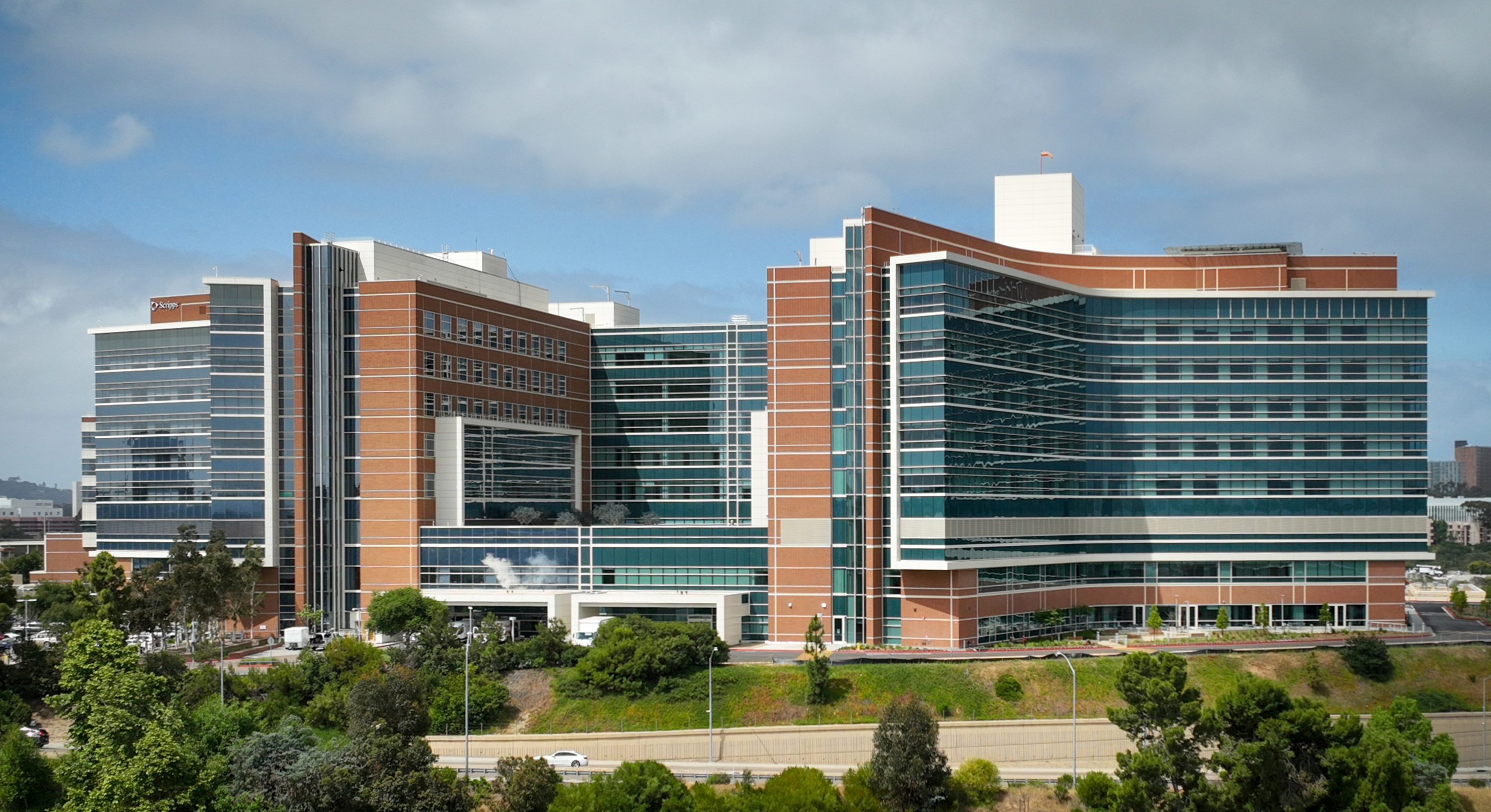
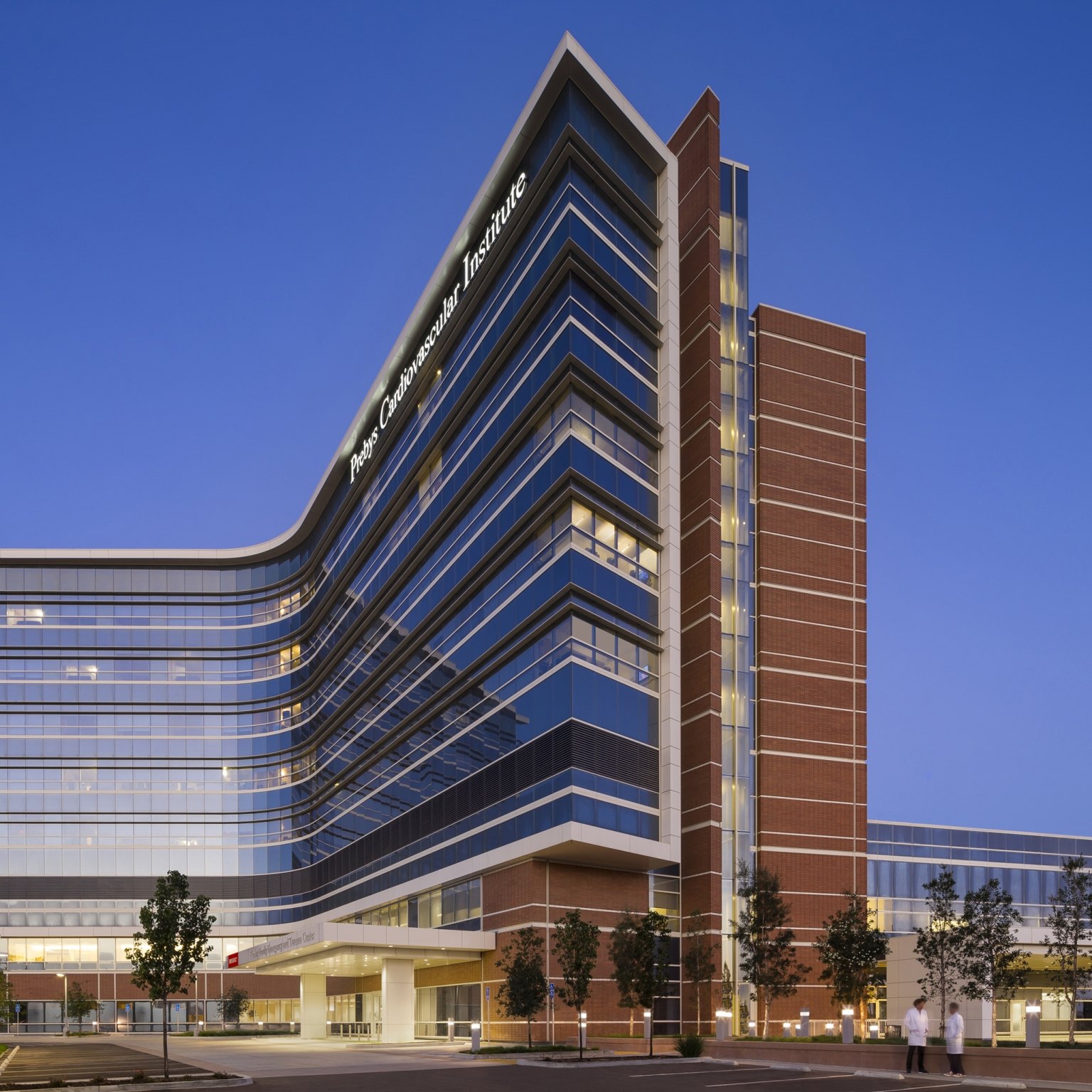
The Scripps Prebys Cardiovascular Institute is a regional heart care facility located on the campus of Scripps Memorial Hospital La Jolla in San Diego County, California. Opened in 2015 through a philanthropic gift from Conrad Prebys, the 383,000-square-foot center integrates advanced interventional cardiology, cardiac electrophysiology, structural heart disease treatment, cardiovascular surgery, clinical research, and inpatient rehabilitation within a single specialized environment.
Contents
Facility Infrastructure and Architectural Design
The physical design of the Scripps Prebys Cardiovascular Institute prioritizes clinical efficiency, patient safety, and rapid response times for acute cardiac events. Built as a landmark center for cardiovascular medicine in the Western United States, the five-story facility was planned with input from practicing cardiologists, heart surgeons, and critical care nurses to streamline emergency interventions and routine procedural care.
| Level | Facilities and Services |
|---|---|
| Level 1-2 | Catheterization & Electrophysiology Labs, Hybrid ORs |
| Level 3 | Cardiac Intensive Care Units (ICU) |
| Level 4-5 | Private Progressive Care & Inpatient Recovery Suites |
Specialized Operating Suites and Hybrid Rooms
The center houses specialized procedural rooms designed for complex open-heart, minimally invasive, and catheter-based interventions:
- Catheterization Laboratories: Outfitted with high-resolution digital fluoroscopy systems, intravascular ultrasound (IVUS), and fractional flow reserve (FFR) diagnostic capabilities to assess coronary artery blockages and execute percutaneous coronary interventions (PCI).
- Electrophysiology (EP) Labs: Equipped with advanced 3D anatomical mapping systems (such as CARTO and EnSite), intracardiac echocardiography, and specialized energy delivery platforms for radiofrequency ablation and cryoablation.
- Hybrid Operating Rooms: Large-format surgical suites combining traditional sterile operating environments with high-end angiographic imaging suites. These rooms enable multidisciplinary teams of cardiothoracic surgeons and interventional cardiologists to perform structural heart repairs—such as Transcatheter Aortic Valve Replacement (TAVR)—without relocating the patient if a procedure requires transitioning from a minimally invasive catheter approach to open surgery.
Inpatient Care Infrastructure
The inpatient tower within the institute features all-private patient rooms engineered to reduce noise, improve infection control, and support decentralized nursing stations:
- Cardiac Intensive Care Unit (CICU): Specialized critical care beds dedicated to unstable cardiac patients, post-cardiac arrest care, severe cardiogenic shock management, and immediate post-operative recovery following complex thoracic or aortic surgery.
- Progressive Care Units (Telemetry): Intermediate-level care beds with continuous continuous electrocardiographic monitoring for patients recovering from major cardiac procedures or managing stabilized heart failure prior to discharge.
Medical Disclaimer: The clinical information presented in this overview is for educational and informational purposes only and does not constitute medical advice. Patients seeking diagnostic evaluation or treatment for cardiac conditions should consult a qualified physician or contact emergency medical services immediately for acute symptoms.
Core Clinical Programs and Subspecialties
The Scripps Prebys Cardiovascular Institute operates structured subspecialty programs addressing the full continuum of cardiovascular disease. Care teams include board-certified interventional cardiologists, electrophysiologists, heart failure specialists, cardiovascular surgeons, and vascular specialists.
- Clinical Programs & Specialties
- Interventional Cardiology
- Structural Heart & Valve Program
- Electrophysiology & Arrhythmia Services
- Cardiothoracic Surgery
1. Interventional Cardiology and Coronary Care
The interventional cardiology service focuses on diagnosing and treating coronary artery disease, acute myocardial infarction (heart attack), and peripheral artery conditions. Key clinical offerings include:
- Primary Percutaneous Coronary Intervention (PCI): 24/7 emergency response for ST-elevation myocardial infarction (STEMI), utilizing balloon angioplasty, drug-eluting stent implantation, and rotational or intravascular lithotripsy for heavily calcified vessels.
- Hemodynamic Support: Utilization of temporary mechanical circulatory support devices—including intra-aortic balloon pumps (IABP), microaxial flow pumps (such as Impella devices), and extracorporeal membrane oxygenation (ECMO)—for high-risk PCI procedures and cardiogenic shock resuscitation.
2. Structural Heart and Valve Disease Program
The structural heart program offers minimally invasive, catheter-based alternatives to traditional open-heart surgery for structural and valvular abnormalities:
- Transcatheter Aortic Valve Replacement (TAVR): Indicated for patients with severe symptomatic aortic stenosis who present intermediate, high, or prohibitive surgical risk, as well as selected low-risk candidates.
- Transcatheter Edge-to-Edge Repair (TEER): Utilizing clip-based therapies (such as MitraClip and TriClip) to repair severe functional or degenerative mitral and tricuspid valve regurgitation without sternotomy.
- Left Atrial Appendage Occlusion (LAAO): Implantation of permanent closure devices (such as the WATCHMAN or Amulet) to reduce thromboembolic stroke risk in non-valvular atrial fibrillation patients who have contraindications to long-term oral anticoagulation therapy.
3. Cardiac Electrophysiology and Arrhythmia Services
The electrophysiology team evaluates and manages abnormal heart rhythms, ranging from benign palpitations to life-threatening ventricular arrhythmias:
- Catheter Ablation Therapy: Advanced radiofrequency and cryoablation for atrial fibrillation (AFib), atrial flutter, supraventricular tachycardia (SVT), and premature ventricular contractions (PVCs).
- Cardiac Device Implantation: Transvenous and subcutaneous insertion of single- and dual-chamber pacemakers, implantable cardioverter-defibrillators (ICDs), leadless pacemakers, and cardiac resynchronization therapy (CRT) devices for heart failure management.
4. Cardiothoracic and Vascular Surgery
When surgical intervention is required, the cardiovascular surgical department provides comprehensive open and minimally invasive operative procedures:
- Coronary Artery Bypass Grafting (CABG): Traditional on-pump and off-pump (beating heart) bypass procedures, emphasizing arterial revascularization techniques for long-term graft patency.
- Surgical Valve Repair and Replacement: Complex reconstruction or mechanical/bioprosthetic valve replacement for mitral, aortic, and tricuspid dysfunction.
- Aortic Surgery: Repair of thoracic aortic aneurysms, aortic dissections, and aortic root abnormalities utilizing hybrid surgical and endovascular aortic repair (EVAR/TEVAR) methodologies.
5. Advanced Heart Failure and Prevention
The institute maintains multidisciplinary outpatient clinics dedicated to heart failure optimization, lipidology, and preventive cardiology:
- Heart Failure Management: Guideline-directed medical therapy (GDMT) optimization, remote pulmonary artery pressure monitoring (such as CardioMEMS), and coordination for advanced therapies.
- Cardiovascular Prevention and Wellness: Risk-stratification programs utilizing coronary artery calcium (CAC) scoring, advanced lipid testing, metabolic evaluation, and lifestyle counseling to prevent primary and secondary cardiovascular events.
Clinical Research, Education, and Innovation
The Scripps Prebys Cardiovascular Institute integrates clinical treatment with scientific research through collaborations with the Scripps Research Translational Institute and Scripps Health's academic research infrastructure.
- Research & Innovation Loop
- Basic Science & Genetics (Scripps Research Institute)
- Clinical Trials & Testing (Scripps Prebys CV Institute)
- Patient Outcomes & Data
Clinical Trials and Device Evaluation
Patients treated at the institute often gain access to national clinical trials assessing novel medical devices, pharmaceutical agents, and procedural protocols before widespread commercial availability. Key areas of investigation include:
- Next-generation transcatheter structural heart valve technology.
- Novel pharmacological agents for heart failure with preserved ejection fraction (HFpEF) and refractory hyperlipidemia.
- Digital health initiatives, including wearable electrocardiographic monitors and remote sensor technology for early decompensation detection.
Graduate Medical Education
The institute serves as an academic teaching hub, supporting cardiology fellowship programs accredited by the Accreditation Council for Graduate Medical Education (ACGME). Programs include general cardiovascular disease fellowships, interventional cardiology subspecialty fellowships, and clinical cardiac electrophysiology training.
Comprehensive Program Comparison Matrix
The table below outlines the major clinical service areas within the institute, detailing core procedures, target clinical presentations, and primary technologies utilized.
| Subspecialty Program | Key Indications & Presentations | Primary Procedures & Therapies | Core Medical Technologies |
|---|---|---|---|
| Interventional Cardiology | Acute STEMI/NSTEMI, unstable angina, complex multi-vessel CAD | Percutaneous Coronary Intervention (PCI), atherectomy, thrombectomy | Drug-eluting stents, IVUS, FFR, Intravascular Lithotripsy (IVL) |
| Structural Heart Disease | Severe aortic stenosis, mitral regurgitation, LAA stroke prevention | TAVR, TEER (MitraClip), LAAO (WATCHMAN), paravalvular leak closure | 3D Transesophageal Echocardiography (TEE), Hybrid Fluoroscopy |
| Cardiac Electrophysiology | Atrial fibrillation, ventricular tachycardia, bradycardia, heart block | Complex arrhythmia ablation, pacemaker/ICD placement, lead extraction | 3D Electroanatomical Mapping, Cryoablation, Subcutaneous ICDs |
| Cardiothoracic Surgery | Severe CAD, complex valve pathology, thoracic aortic aneurysms | CABG, surgical valve repair/replacement, aortic root reconstruction | Cardiopulmonary bypass, minimally invasive surgical access systems |
| Advanced Heart Failure | Stage C/D heart failure, reduced ejection fraction (HFrEF), cardiogenic shock | GDMT optimization, remote hemodynamic monitoring, temporary MCS | CardioMEMS sensor, Impella, ECMO temporary circulatory support |
Patient Access, Referrals, and Navigation Pathways
Navigating cardiovascular care involves clear pathways for emergency encounters, elective physician referrals, and inpatient transfers.
- Emergency / Acute Event Pathway:
- Emergency / Acute Event
- Emergency Department
- Direct Cath Lab / CICU Admission
- Outpatient Referral Pathway:
- Outpatient Referral
- Specialist Clinic
- Diagnostic Testing / Elective Procedure
Accessing Outpatient Specialist Clinics
- Primary Care Referral: Patients presenting with symptoms such as chest pain, dyspnea, palpitations, or abnormal diagnostic tests (e.g., elevated calcium score or abnormal EKG) are typically referred by a primary care physician to a Scripps Clinic or Scripps Coastal Medical Center cardiologist.
- Self-Referral & Second Opinions: Many structural heart, electrophysiology, and surgical programs accept direct self-referrals for secondary evaluation of complex diagnoses, surgical risk assessments, or alternative treatment options.
- Pre-Procedure Evaluation: Elective procedures require pre-procedural testing, including comprehensive blood panels, non-invasive imaging (echocardiogram, cardiac CT/MRI), and risk stratification prior to scheduling.
Hospital-to-Hospital Transfer Protocols
For regional hospitals seeking to transfer critically ill patients requiring specialized interventions—such as emergent surgical repair, mechanical circulatory support, or complex structural procedures—the institute participates in a dedicated transfer center protocol:
- Attending-to-Attending Consultation: The referring physician contacts the Scripps transfer center to initiate a direct clinical review with an attending cardiologist or cardiothoracic surgeon.
- Emergency Transportation Coordination: Bed placement in the Cardiac Intensive Care Unit (CICU) and ground/air transport coordination are handled via centralized bed control to minimize transfer delays for unstable patients.
Quality Metrics, Accreditation, and Facility Details
Evaluating an advanced cardiovascular center involves reviewing regulatory accreditation, clinical volume metrics, and administrative access details.
Accreditation and Clinical Standards
- Health System Context: Operates under the licensed healthcare umbrella of Scripps Health and Scripps Memorial Hospital La Jolla.
- Designations: Recognized as a regional STEMI receiving center by local emergency medical service (EMS) agencies, guaranteeing round-the-clock emergency catheterization capability.
- Quality Registries: Participates in national clinical registries, such as the American College of Cardiology National Cardiovascular Data Registry (NCDR) and The Society of Thoracic Surgeons (STS) National Database, tracking procedural safety, complication rates, and survival outcomes against national benchmarks.
Geographic and Contact Summary
- Campus Address: 9888 Genesee Avenue, La Jolla, CA 92037 (on the campus of Scripps Memorial Hospital La Jolla).
- Access Routes: Accessible via Interstate 5 (exit Genesee Avenue) in northern San Diego County.
- Facility Scope: Serves patients across San Diego County, Imperial County, the Inland Empire, and international referrals from Mexico and Latin America.
Frequently Asked Questions
What distinguishes the Scripps Prebys Cardiovascular Institute from general community hospital heart programs?
The institute brings together specialized cardiac subspecialties under one roof with dedicated hybrid operating suites, advanced catheterization and electrophysiology labs, and specialized intensive care units. It offers high-volume procedural care for complex structural heart disease, advanced arrhythmias, and aortic surgery that may not be available in non-specialized community settings.
Do patients need a doctor's referral to receive care at the institute?
While emergency services and many outpatient specialty consultations welcome direct scheduling or self-referrals for second opinions, many insurance plans require a primary care physician (PCP) referral to cover specialist consultations. It is recommended to verify specific network requirements with your health insurance provider prior to booking.
What structural heart procedures are available at the facility?
The institute performs a wide array of catheter-based structural heart interventions. These include Transcatheter Aortic Valve Replacement (TAVR), Transcatheter Edge-to-Edge Repair (TEER) for mitral and tricuspid valve regurgitation, Left Atrial Appendage Occlusion (LAAO) for stroke risk reduction in AFib, and repair of congenital structural defects such as patent foramen ovale (PFO) or atrial septal defects (ASD).
How does the clinical collaboration with Scripps Research benefit cardiac patients?
The integration with scientific researchers at Scripps Research allows for rapid translation of laboratory discoveries into clinical practice. This offers eligible patients opportunities to participate in clinical trials evaluating novel cardiovascular devices, advanced genetic screening, diagnostic imaging modalities, and investigational pharmacological therapies before they reach standard commercial markets.
What mechanical circulatory support options are available for critically ill cardiac patients?
The center utilizes short-term mechanical circulatory support systems for patients in severe cardiogenic shock or undergoing high-risk interventional procedures. Options include intra-aortic balloon pumps (IABP), microaxial ventricular assist devices (such as the Impella family), and veno-arterial extracorporeal membrane oxygenation (VA-ECMO) within its dedicated Cardiac Intensive Care Unit.
Practical Guidance for Patients and Referring Physicians
When preparing for care or transferring a patient to the Scripps Prebys Cardiovascular Institute, taking structured steps ensures a smooth transition:
- Gather Complete Diagnostic Records: Outpatient referrals should include recent 12-lead EKGs, echocardiogram reports (with DICOM image disks if available), cardiac catheterization angiograms, laboratory results, and a complete medication history.
- Verify Insurance Coverage and Clinical Network: Confirm that both the facility (Scripps Memorial Hospital La Jolla) and the medical group (such as Scripps Clinic or Scripps Coastal Medical Center) are in-network for your specific health plan or Medicare Advantage tier.
- Coordinate Post-Procedure Support: Complex structural or surgical procedures require post-discharge rehabilitation planning. Inquire early with the care management team regarding inpatient physical therapy, cardiac rehabilitation enrollment, and remote tele-monitoring protocols prior to hospital discharge.
Image Gallery