Did Jose Menendez Have a Will: Understanding the Estate Legacy of a High-Profile Case
Jose Menendez, a successful entertainment executive and father to Lyle and Erik Menendez, did not have a valid, updated will at the time of his death in 1989. The absence of a clear, legally binding testamentary document created signif...
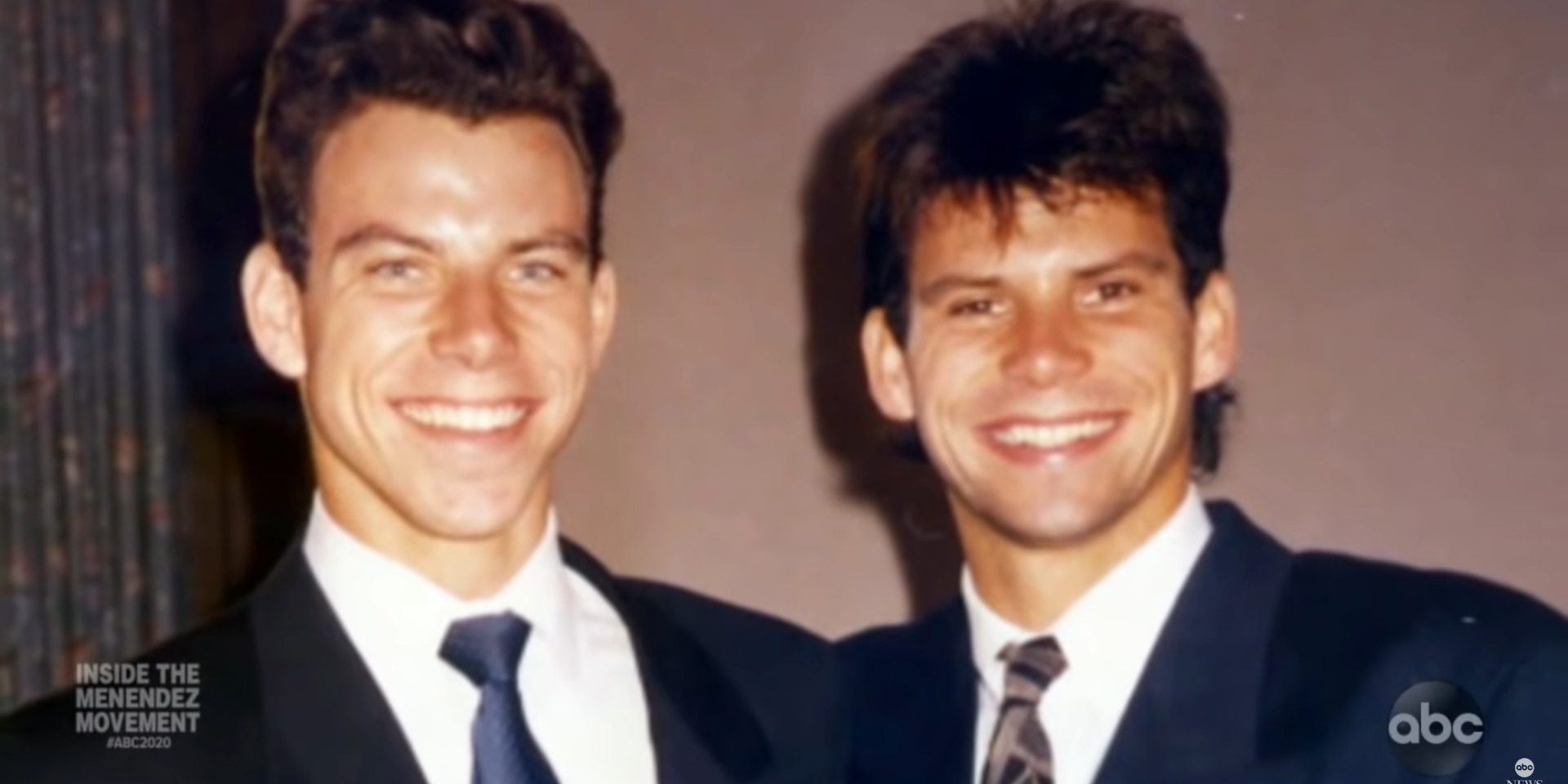
Jose Menendez, a successful entertainment executive and father to Lyle and Erik Menendez, did not have a valid, updated will at the time of his death in 1989. The absence of a clear, legally binding testamentary document created significant legal complexities regarding the management of his estate, the distribution of assets, and the subsequent probate proceedings. When a person of significant means passes away without a will, their estate enters a state of "intestacy," where state law rather than the deceased's specific wishes dictates how property is distributed.
Contents
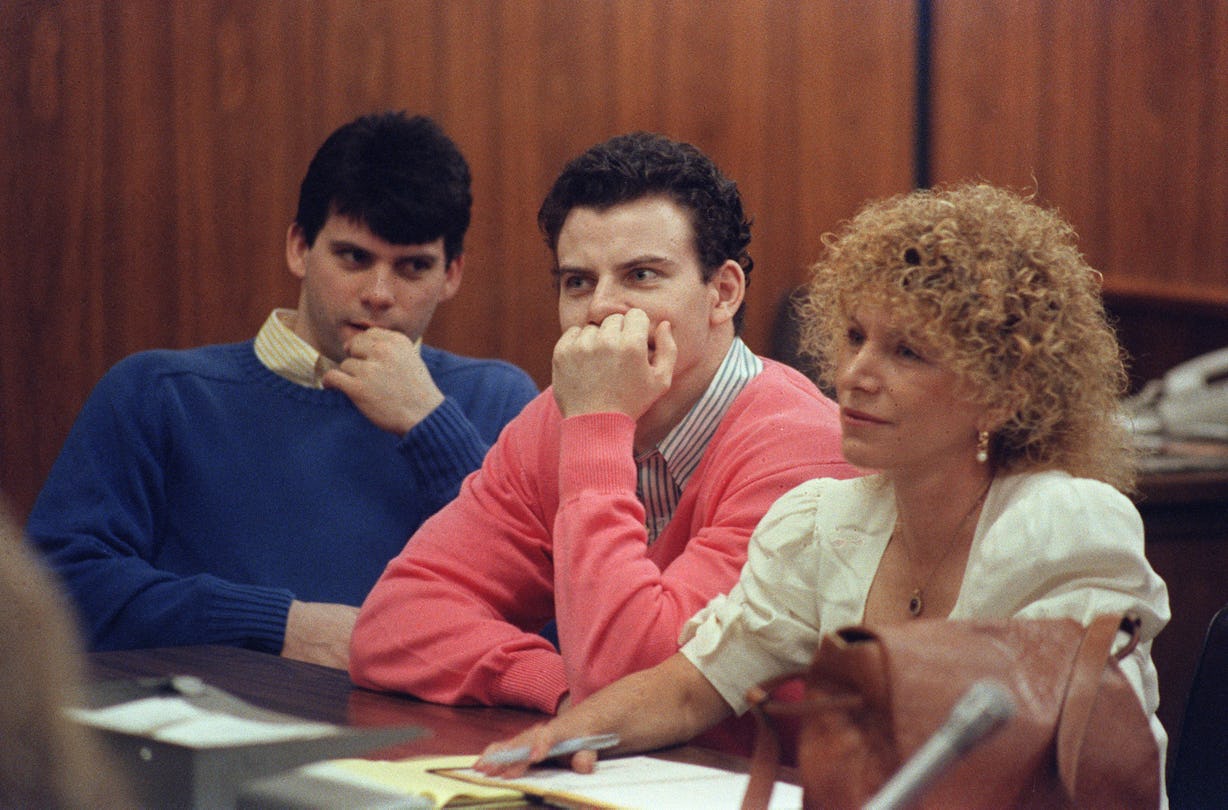
In the case of the Menendez estate, the legal situation was further complicated by the fact that the primary heirs—Lyle and Erik—were suspects in the murder of their parents, Jose and Kitty Menendez. This scenario highlights the critical importance of estate planning, particularly for individuals with substantial assets, as the lack of a will often results in protracted litigation, tax inefficiencies, and the erosion of family wealth through legal fees.
Understanding Intestacy and Estate Distribution
When an individual dies without a will, they are said to have died "intestate." In such cases, the probate court intervenes to appoint an administrator, typically a family member or a professional fiduciary, to oversee the collection of assets, payment of debts, and distribution of the remainder to heirs based on a strict hierarchy defined by state statute.
In California, where the Menendez family resided, the law generally prioritizes the surviving spouse and then the children. However, the legal determination of who qualifies as a legitimate heir can become clouded by criminal investigations. For high-net-worth individuals, the lack of a will is often seen as a significant failure of financial planning, as it prevents the owner from controlling the disposition of their property, managing tax burdens, or establishing trusts for minor children or future business interests.
The Impact of Criminal Investigations on Probate
The probate process is designed to be an orderly transfer of wealth; however, it is not equipped to function as a criminal court. When heirs are accused of murdering the person whose estate they stand to inherit, legal systems often invoke "Slayer Statutes." These statutes are designed to prevent a wrongdoer from profiting from their own crimes.
Even if Jose Menendez had drafted a comprehensive will, the legal challenges involving his sons would have likely triggered intense scrutiny. Without a will, the probate court was forced to manage an estate in total uncertainty, as the potential beneficiaries were incapacitated by their legal status. This uncertainty often leads to the freezing of assets, which can cause significant financial decline in active business holdings or investment portfolios that require constant oversight.
Why Estate Planning is Essential for High-Net-Worth Individuals
The Menendez case serves as a somber case study in the necessity of professional estate planning. Regardless of the dramatic circumstances, the fundamental principles of wealth protection remain universal. A will or a trust is not merely a document to distribute money; it is an instrument of control.
| Feature | Intestate (No Will) | Structured Estate Plan (Will/Trust) |
|---|---|---|
| Control | Determined by state default laws | Determined by the testator |
| Costs | Often higher due to legal disputes | Lower, though professional fees apply |
| Privacy | Public probate proceedings | Trusts can offer greater confidentiality |
| Timeframe | Prolonged, complex court oversight | Expedited asset transfer |
| Tax Strategy | Minimal control over tax liability | Can utilize exemptions and trusts |
The Role of Executors and Administrators
In the absence of a will, the court appoints an administrator. This individual takes on a fiduciary duty to manage the estate’s debts and assets. For an executive like Jose Menendez, whose assets included professional interests and substantial personal wealth, the lack of an appointed executor meant the court had to select someone who might not have had the specific expertise required to manage his diverse business holdings.
This often leads to the liquidation of assets that the deceased would have preferred to keep, or the mismanagement of complex business interests. In many states, if the estate is large, the costs associated with bond requirements, accounting, and legal filings for an intestate estate can quickly deplete liquid assets.
Legal Challenges and Family Beneficiaries
Beyond the immediate distribution of property, the absence of a will removes the ability of the deceased to provide specific instructions regarding business succession. For a high-ranking executive in the film and music industries, business succession planning is a vital component of wealth management. Without clear instructions, business partners, employees, and shareholders are often left in a state of flux, which can trigger buy-sell agreements or corporate governance issues that are detrimental to the long-term value of the enterprise.
Furthermore, the legal fees incurred during the probate of an intestate estate are paid directly from the estate's assets. When litigation is introduced—such as the legal battles that inevitably surround high-profile murders—these fees can compound significantly, leaving far less for the beneficiaries than the deceased originally intended.
Common Misconceptions Regarding Wills
Many people believe that their assets will automatically pass to their next of kin without the need for a will. While this is partially true under intestacy laws, the process is far from automatic.
- Automatic Transfers: Only assets with designated beneficiaries (such as life insurance policies or retirement accounts) typically bypass probate.
- The "Simple" Estate: People with significant but not "billionaire-level" assets often assume they do not need a will. This is inaccurate; complexity is often driven by the nature of the assets, not just the dollar amount.
- The "Family Trust" Myth: Many assume a verbal promise or familial understanding is sufficient. Legally, the court relies exclusively on written documentation.
The Consequences of Procrastination
The story of the Menendez estate highlights that life events can change in an instant, and the absence of a prepared estate plan creates a vacuum that is rarely filled in the way the deceased would have chosen. For individuals in 2026, the takeaway is clear: estate planning is a necessary proactive task. It involves more than just writing a document; it involves engaging with legal and financial advisors to ensure that your specific goals—whether that is philanthropic giving, business continuity, or the protection of heirs—are documented in a way that can withstand legal challenges.
Frequently Asked Questions
What happens to an estate if the primary heirs are convicted of a crime? Under the "Slayer Rule" in many jurisdictions, an heir who is convicted of the felonious and intentional killing of the decedent is typically barred from inheriting from that person’s estate. The estate then generally passes to the next eligible beneficiaries in the order of succession.
Can an estate be settled without a will? Yes, an estate can be settled without a will through the process of intestate succession. However, this is usually more expensive, more time-consuming, and less flexible than a plan created with a will or a trust. It subjects the assets to the strict distribution rules of the state.
Why are probate courts involved in these situations? Probate courts are tasked with ensuring that an estate’s debts are paid and that the remaining property is legally transferred to the rightful heirs. They act as a neutral third party to ensure that the process follows state law and that all creditors are notified.
Does a will protect an estate from all legal challenges? While a will is a critical defense, it does not guarantee the absence of litigation. However, a properly drafted will that is updated regularly provides a much stronger foundation for the executor to defend the deceased’s wishes against challenges.
What should I prioritize when starting an estate plan? You should start by taking an inventory of all assets, identifying potential beneficiaries, and selecting an executor you trust. Then, consult with a qualified estate attorney to draft a will or trust that accounts for tax implications and your specific personal goals.
Next Steps for Your Estate Plan
If you have not yet formalized your wishes, the first step is to consult with an estate planning attorney. Do not wait for a major life event to trigger this process. Begin by listing your primary assets and considering who you wish to manage your affairs should you become unable to do so. In 2026, the digital landscape also requires that you consider your "digital legacy," ensuring that your online accounts and assets are also accounted for in your planning. Taking these steps today protects your legacy and provides peace of mind for your family, regardless of the challenges they may face.
Image Gallery