Why Does My Urine Smell Like Weed? Causes, Chemistry, and Health Insights for 2026
If your urine smells like marijuana, it is most commonly caused by the excretion of specific volatile organic compounds called terpenes, which are found in both cannabis and various legal foods or supplements. While often a harmless by...
If your urine smells like marijuana, it is most commonly caused by the excretion of specific volatile organic compounds called terpenes, which are found in both cannabis and various legal foods or supplements. While often a harmless byproduct of diet, dehydration, or recent cannabis consumption, a persistent skunky odor can sometimes indicate metabolic changes or underlying health conditions requiring attention.
Contents
The phenomenon of "skunky" or "weed-like" urine is a frequent topic of clinical inquiry in 2026, as our understanding of the human metabolome—the complete set of small-molecule chemicals found within a biological sample—has expanded. For most individuals, the olfactory similarity between urine and cannabis is not a coincidence of imagination but a result of shared chemical pathways. Whether you are a consumer of cannabis or have never touched the plant, several biological and environmental factors can trigger this specific scent profile.
The Biochemical Connection: Terpenes and Thiols
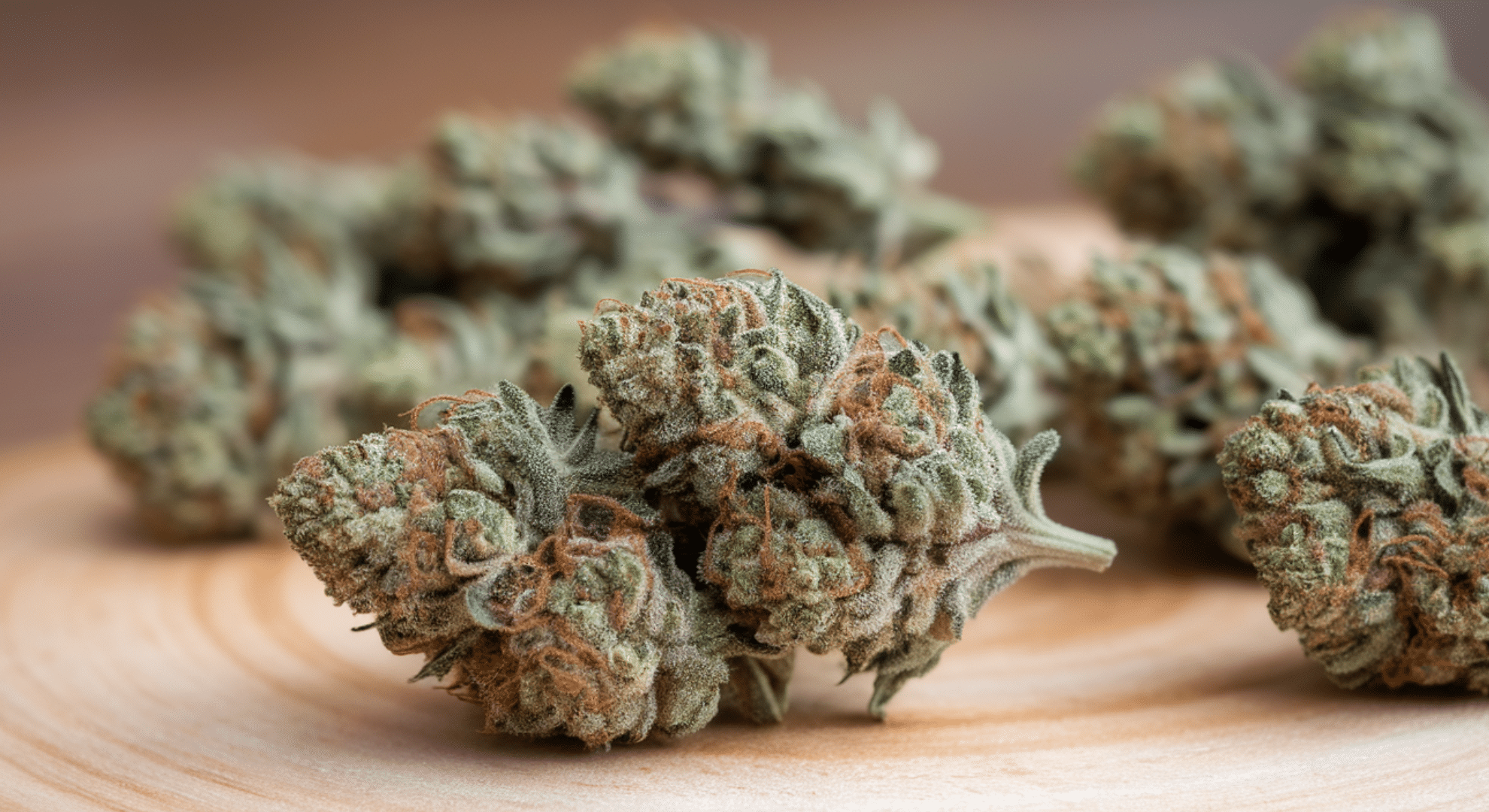
To understand why urine might mimic the scent of cannabis, one must look at the chemical composition of the cannabis plant itself. The characteristic aroma of marijuana is not produced by THC (tetrahydrocannabinol) or CBD (cannabidiol), which are largely odorless in their pure forms. Instead, the scent comes from terpenes and thiols.
Terpenes are aromatic hydrocarbons found in thousands of plant species. When you consume foods high in specific terpenes, your body must process and excrete these compounds. If the kidneys filter these volatile molecules into the bladder in high concentrations, the resulting urine can smell remarkably like specific cannabis strains.
Common Shared Terpenes
Myrcene Found in highly concentrated levels in hops, mangoes, and cannabis. It has an earthy, musky scent that can persist in urine after heavy consumption of these items.
Limonene Prevalent in citrus peels and many "Sativa" cannabis varieties. While it typically smells like lemon, when metabolized and mixed with other urinary waste products, it can take on a chemically, "skunky" undertone.
Alpha-Pinene and Beta-Pinene These provide the pine-like scent found in coniferous trees and certain weed strains. They are highly resilient through the digestive tract.
In addition to terpenes, thiols (sulfur-containing compounds) play a massive role. In the cannabis plant, prenylated volatile sulfur compounds (VSCs) are responsible for the "skunk" spray aroma. Coincidentally, the human body produces similar sulfurous byproducts when breaking down certain amino acids and vegetables.
Common Dietary Triggers for Cannabis-Scented Urine
If you have not consumed cannabis but notice the smell, your diet is the most likely culprit. The way our bodies metabolize sulfur-rich foods can lead to the production of odorants that the human nose often misidentifies as marijuana.
- Asparagus: While many associate asparagus with a "rotten cabbage" smell, the breakdown of asparagusic acid into various sulfur-containing compounds (like methanethiol) can, in some individuals, produce a pungent, skunky scent that mimics cannabis.
- Coffee: Coffee contains a high concentration of polyphenols and roasted compounds. For some people, the metabolites excreted after a heavy morning of coffee consumption can have a distinct, earthy, weed-like aroma.
- Garlic and Onions: These contain allyl methyl sulfide. When the body breaks these down, the gases can be excreted through both breath and urine, often resulting in a sharp, skunky odor.
- Vitamins and Supplements: Specifically, Vitamin B6 (pyridoxine) and certain herbal supplements can alter the scent of urine. In 2026, the rise in high-dose "nootropic" stacks has led to more reports of chemically altered urinary odors.
The Role of Cannabis Consumption and Metabolites
Naturally, the most direct cause of urine smelling like weed is the consumption of weed. However, the science of how this happens is often misunderstood.
When you ingest or inhale cannabis, your body metabolizes the cannabinoids and terpenes. While THC metabolites (like THC-COOH) are the primary targets for drug screenings, they are generally not what you are smelling. Instead, it is the aromatic terpenes that were part of the flower or extract.
If you are using high-terpene full-spectrum extracts or "live resin" products, the concentration of these aromatic compounds is much higher than in traditional flower. Because these compounds are fat-soluble, they can sometimes linger in the system, being released slowly as fat cells are metabolized. This explains why a person might notice the scent in their urine even 24 to 48 hours after their last use.
Medical Conditions and Metabolic Factors
While diet and cannabis use are the primary drivers, certain medical realities can exacerbate or cause these odors. In the clinical landscape of 2026, healthcare providers use urine odor as a secondary diagnostic marker for several conditions.
Dehydration
Dehydration is the most common reason for any strong urine odor. When you are dehydrated, your kidneys conserve water, making your urine highly concentrated with waste products, minerals, and metabolites. This concentration amplifies whatever scent is present. A faint terpene smell that might go unnoticed in well-hydrated urine becomes a pungent "weed" smell when the urine is dark and concentrated.
Urinary Tract Infections (UTI)
Bacteria such as E. coli or Proteus can alter the chemical composition of urine. While a UTI usually produces a "foul" or "fishy" smell, the interaction between bacterial waste and dietary metabolites can sometimes produce a sharp, skunky scent. If the odor is accompanied by burning, frequency, or cloudiness, an infection is likely.
Liver and Kidney Function
The liver is responsible for breaking down toxins and chemicals, while the kidneys filter them out. If the liver is struggling to process certain compounds, they may be sent to the kidneys in a partially metabolized state, leading to unusual odors. In 2026, clinicians monitor the "urinary VOC profile" as an early indicator of hepatic stress.
Ketoacidosis and Diet-Induced Ketosis
Individuals on strict ketogenic diets or those with undiagnosed diabetes may experience ketoacidosis. When the body burns fat for fuel instead of glucose, it produces ketones. Ketones typically have a "fruity" or "acetone" smell, but when combined with high levels of dietary protein and sulfur-rich vegetables (common in keto diets), the resulting scent can be perceived as skunky or similar to marijuana.
Comparing Urine Odors and Their Likely Causes
Understanding the nuances of urinary scents can help you determine whether you need to adjust your hydration or see a medical professional.
| Scent Profile | Likely Chemical Compound | Common Source or Condition |
|---|---|---|
| Marijuana / Skunky | Terpenes, Volatile Sulfur Compounds | Cannabis use, Asparagus, Coffee, Garlic |
| Ammonia / Sharp | Waste Nitrogen (Urea) | Dehydration, High protein intake, Liver issues |
| Sweet / Fruity | Ketones | Diabetes, Ketogenic diet, Starvation state |
| Foul / Rotten | Bacteria and Leukocytes | Urinary Tract Infection (UTI), Cystitis |
| Musty / Earthy | Amino Acid Metabolites | Liver disease, Phenylketonuria (rare) |
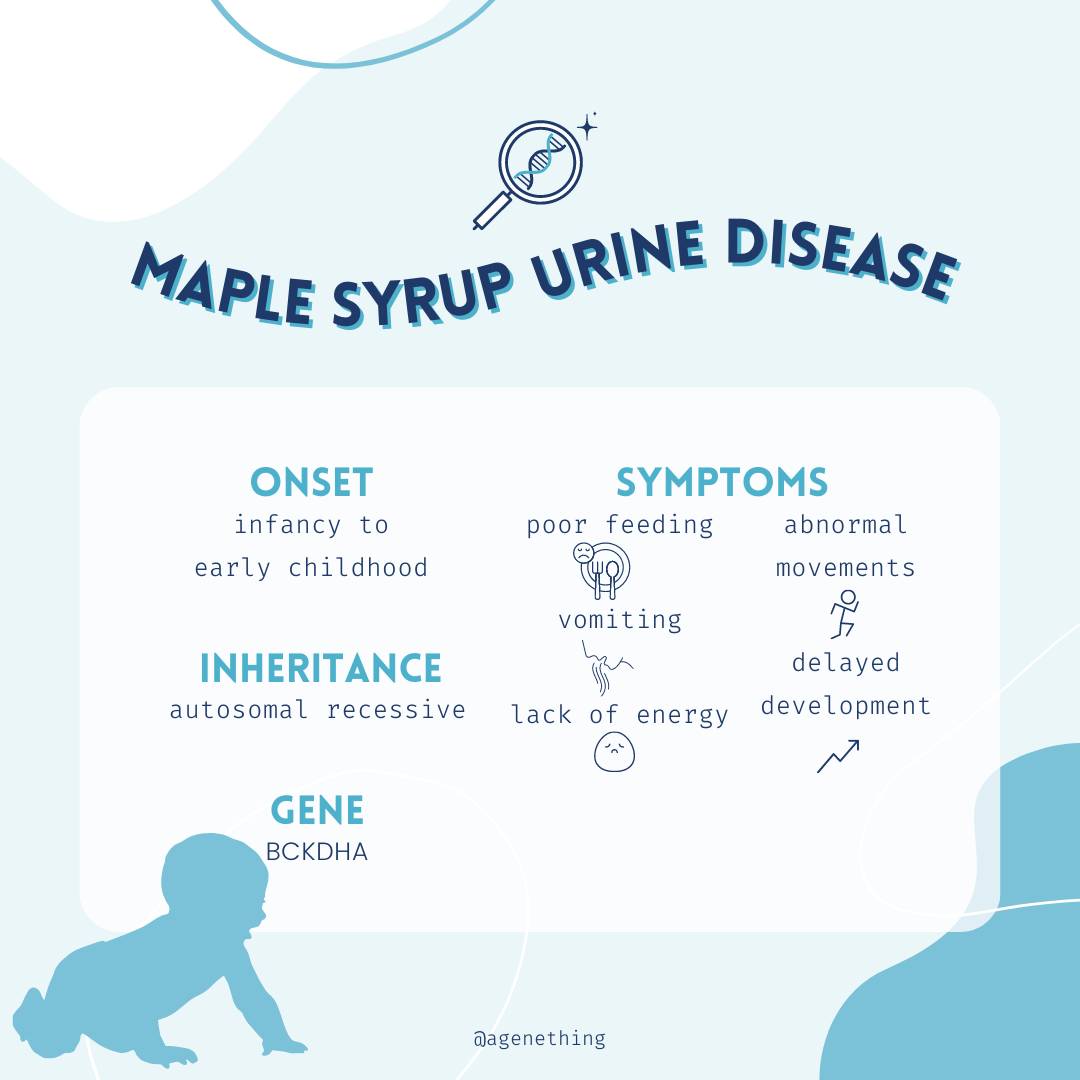
| Maple Syrup | BCAA Metabolites | Maple Syrup Urine Disease (MSUD), Fenugreek |
When to Seek Medical Advice
In the vast majority of cases, urine that smells like weed is a temporary situation that resolves within 24 to 72 hours. However, there are specific "red flag" symptoms that should prompt a visit to a healthcare provider or a urologist.
Clinical Red Flags for Urinary Health
Persistent Discoloration Urine that is consistently dark (tea-colored) or orange despite increased water intake can indicate liver or gallbladder issues.
Physical Discomfort Any pain, burning, or stinging during urination (dysuria) suggests an infection or inflammation that requires a urinalysis.
Cloudiness or Hematuria If the urine appears cloudy or contains visible blood, this is a sign of possible kidney stones, infection, or more serious bladder pathology.
Systemic Symptoms If the unusual odor is accompanied by fever, chills, back pain (kidney area), or extreme thirst, immediate medical evaluation is necessary to rule out pyelonephritis or diabetes.
2026 Diagnostic Standards and Treatment
Current medical guidelines in 2026 emphasize the use of non-invasive diagnostic tools. If you report an unusual urinary odor to your doctor, they may perform a "VOC Breath and Urine Analysis," a technology that has become more common for identifying metabolic disorders through the signature of volatile organic compounds.
How to Resolve the Odor
- Hydration Protocol: Aim for the 2026 standard of 35ml of water per kilogram of body weight daily. Proper hydration dilutes the metabolites responsible for the scent.
- Dietary Elimination: If the smell bothers you, try removing asparagus, heavy garlic, and coffee for 48 hours to see if the scent disappears.
- Supplement Review: Check your multivitamin for high doses of B-complex vitamins. Switching to a "methylated" B-vitamin can sometimes change how your body processes and smells.
- Probiotics: Maintaining a healthy gut and urinary microbiome can assist in the efficient breakdown of sulfurous compounds, potentially reducing pungent odors.
Frequently Asked Questions
Can secondhand weed smoke make my pee smell like weed? While extremely rare, heavy exposure to secondhand smoke in an unventilated area can lead to the absorption of terpenes and trace cannabinoids. However, for most people, secondhand exposure is not enough to create a discernible odor in urine. It is far more likely that a dietary factor or direct consumption is the cause.
Does coffee always make pee smell like marijuana? Not for everyone. The specific scent depends on the roast of the coffee, the presence of certain oils, and an individual’s unique metabolic enzymes (specifically the CYP450 liver enzymes). Some people have a genetic predisposition to smell certain metabolites that others do not, similar to the "asparagus pee" gene.
Is there a specific strain of weed that causes stronger urine odor? Strains high in "skunk" genetics, which contain higher levels of prenylated thiols, are more likely to result in a skunky urinary odor. In 2026, many consumers look for "low-odor" or "isolated cannabinoid" products if they wish to avoid the aromatic side effects of terpenes.
Could my pee smelling like weed mean I'm failing a drug test? Not necessarily. A drug test looks for specific metabolites of THC, not the aromatic terpenes that cause the smell. You can have urine that smells like weed due to diet and pass a drug test. Conversely, you could have odorless urine and fail a drug test if THC-COOH is present.
How long does it take for the smell to go away? If the cause is dietary (like asparagus or coffee), the smell should dissipate within 12 to 24 hours as the compounds are cleared from your system. If the cause is concentrated cannabis use, it may take 2 to 4 days for the aromatic terpenes to fully clear the body's fat stores and urinary tract.
Does dehydration make the weed smell worse? Yes. Dehydration reduces the volume of water in the urine, which increases the concentration of odor-causing molecules. Even a small amount of "skunky" metabolite will smell much stronger if it isn't diluted by adequate water intake.
Summary and Recommendations
If your urine smells like weed in 2026, the most proactive step you can take is to increase your water intake and monitor your diet. For most people, this is a benign byproduct of the fascinating way our bodies process the complex chemistry of the world around us. If the smell persists despite hydration or is joined by physical pain, consult a medical professional for a standard metabolic panel and urinalysis to ensure your internal filtration systems are functioning optimally.
Image Gallery