How Septic Pumping Services Work: A Comprehensive Guide to Maintenance and Process
Septic pumping services work by using high-powered vacuum equipment to remove accumulated sludge and scum layers from a septic tank. A technician locates the tank, uncovers the access ports, and inserts a large-diameter suction hose to...
Septic pumping services work by using high-powered vacuum equipment to remove accumulated sludge and scum layers from a septic tank. A technician locates the tank, uncovers the access ports, and inserts a large-diameter suction hose to extract the waste. This process prevents solid materials from entering and clogging the absorption area, ensuring the system continues to treat wastewater effectively.
Contents
Most homeowners rarely think about their septic system until a problem arises, yet this underground infrastructure is a complex biological and mechanical treatment plant. In 2026, with increasing environmental regulations and rising property values, understanding the technical nuances of septic maintenance is essential for avoiding catastrophic system failures and costly excavations.
The Anatomy of a Septic Tank: What Happens Inside
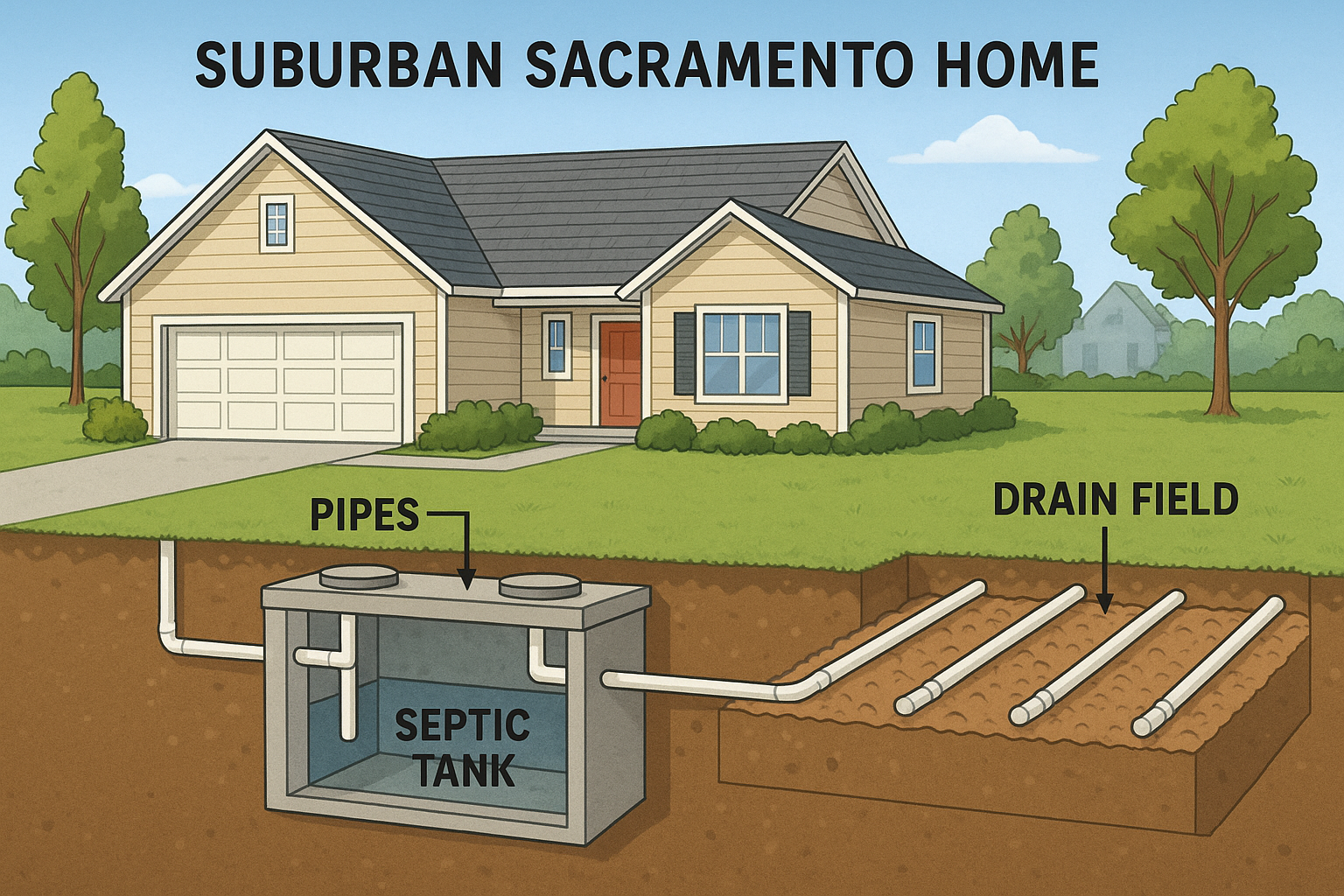
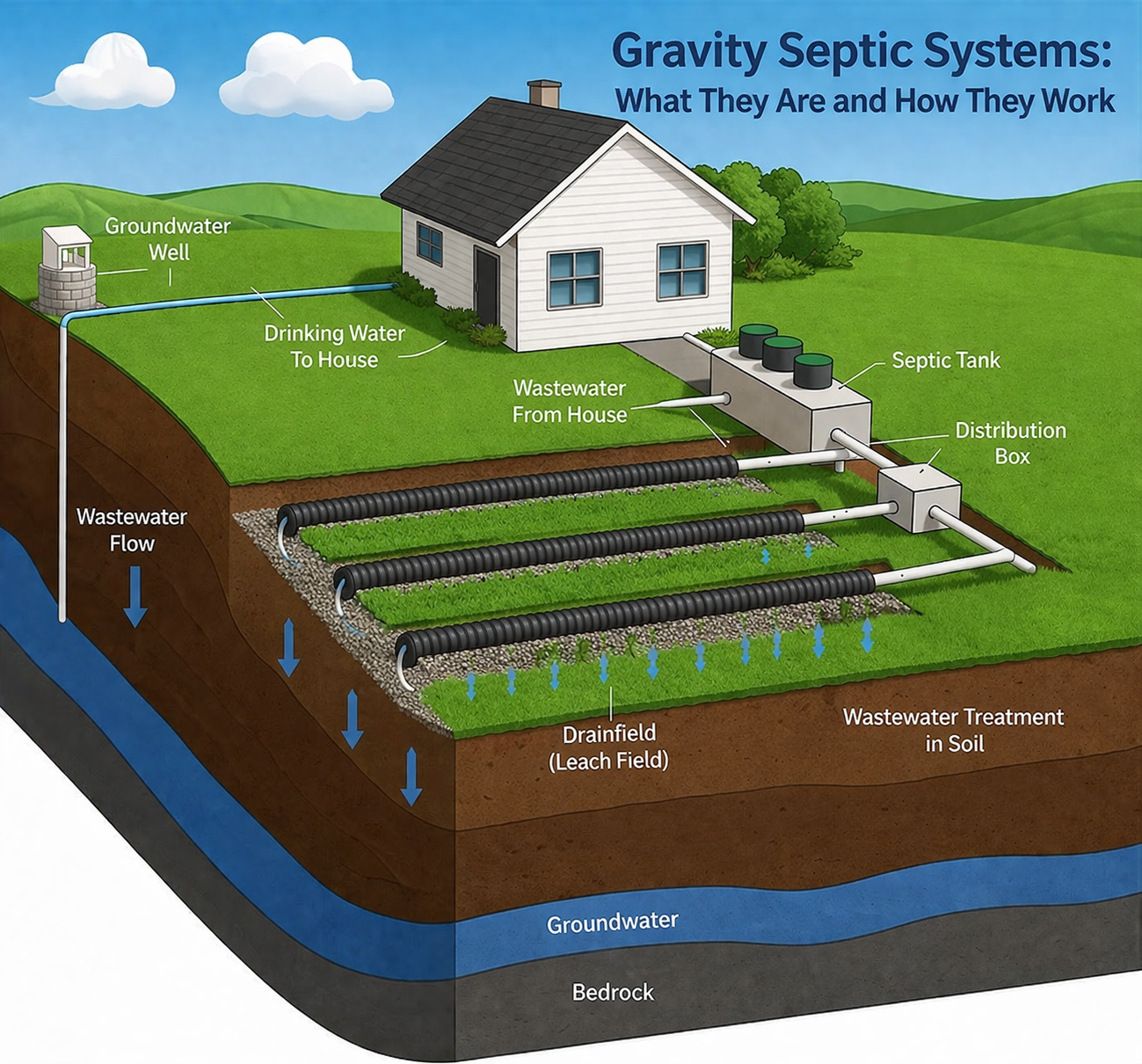
To understand how pumping works, one must first understand what is being pumped. A septic tank is a watertight container, usually made of concrete, fiberglass, or polyethylene. Its primary function is to serve as a settling chamber where solids are separated from liquids.
When wastewater enters the tank from the home, the flow rate slows down significantly. This "retention time" allows the waste to separate into three distinct layers:
- The Scum Layer: This is the top layer consisting of fats, oils, greases, and floatable solids. These materials are lighter than water and rise to the surface.
- The Effluent (Liquid) Layer: The middle layer is relatively clear water containing dissolved nutrients and some organic matter. This is the only layer that should ideally exit the tank into the drain field.
- The Sludge Layer: This bottom layer consists of heavy organic and inorganic solids that sink. Over time, anaerobic bacteria decompose the organic portions of this layer, but the inorganic remains—and the byproduct of decomposition—continually build up.
The pumping process is specifically designed to remove the scum and sludge layers before they become thick enough to interfere with the effluent's passage or exit into the drain field.
The Step-by-Step Septic Pumping Process
A professional septic service in 2026 follows a standardized protocol to ensure the tank is not just emptied, but properly maintained and inspected.
1. Locating and Accessing the Tank
The process begins with locating the tank’s access lids. While many modern systems installed in the last decade have "risers" (plastic or concrete pipes that extend to the surface), older systems may require the technician to use a metal probe or electronic transmitter to find the tank, followed by manual or mechanical digging to uncover the lids.
2. Initial Assessment
Before the vacuum is engaged, the technician observes the liquid level in the tank. If the level is lower than the outlet pipe, the tank may be leaking. If the level is significantly higher than the pipe, it indicates a blockage in the outlet line or a saturated drain field. This diagnostic step is crucial for identifying underlying issues that pumping alone cannot fix.
3. Vacuum Extraction and Agitation
The technician deploys a heavy-duty vacuum truck equipped with a 4-inch diameter suction hose. A common mistake in "discount" pumping services is simply sucking out the liquid. Professional services use a technique called agitation or back-washing. The technician uses the vacuum hose or a specialized "crust buster" tool to stir the sludge into the liquid. By turning the sludge into a slurry, the vacuum can remove nearly 100% of the solids. Without agitation, the thickest, most harmful sludge often remains at the bottom of the tank.
4. Visual Inspection
Once the tank is empty, the technician performs a visual inspection of the tank’s interior. They look for cracks in the walls, signs of corrosion (common in older concrete tanks due to hydrogen sulfide gas), and the condition of the baffles. The baffles are T-shaped pipes located at the inlet and outlet of the tank. The inlet baffle directs incoming waste downward to prevent it from disturbing the scum layer, while the outlet baffle prevents the scum layer from flowing out into the drain field.
5. Cleaning the Effluent Filter
Many modern septic systems are equipped with an effluent filter located in the outlet baffle. This filter provides a secondary barrier against small solids. During the pumping service, this filter is removed, hosed down to remove debris, and reinstalled. A clogged filter is a frequent cause of sewage backups in the home.
Why Regular Pumping is Non-Negotiable
The primary goal of septic pumping is the protection of the drain field (also known as a leach field). The drain field consists of a series of perforated pipes buried in gravel-filled trenches. Its job is to allow the effluent to slowly seep into the soil, where naturally occurring microbes finalize the purification process.
If a tank is not pumped regularly, the sludge layer grows too deep, and the scum layer grows too thick. Eventually, these solids are pushed out through the outlet pipe and into the drain field. Once solids enter the drain field, they clog the soil pores and the gravel. This leads to "biomat" buildup that prevents water from soaking into the ground. A failed drain field usually cannot be "cleaned"; it must be replaced, which in 2026 can cost between $10,000 and $30,000 depending on local environmental codes and soil types.
Frequency: How Often Should You Pump?
The general rule of thumb is to pump every three to five years. However, this is a broad estimate. The actual frequency depends on three primary variables:
- Tank Capacity: Smaller tanks fill up faster. A 1,000-gallon tank serving a large family will require more frequent service than a 1,500-gallon tank.
- Household Size: More occupants mean more wastewater and more solids entering the system.
- Waste Composition: The use of garbage disposals can increase the rate of sludge accumulation by up to 50%. Similarly, flushing "flushable" wipes—which do not break down—necessitates much more frequent pumping.
Recommended Pumping Intervals (Years)
| Household Size | 1,000 Gallon Tank | 1,250 Gallon Tank | 1,500 Gallon Tank |
|---|---|---|---|
| 1-2 People | 5.5 Years | 7.5 Years | 9.0 Years |
| 3 People | 3.5 Years | 4.5 Years | 5.5 Years |
| 4 People | 2.5 Years | 3.5 Years | 4.0 Years |
| 5 People | 2.0 Years | 2.5 Years | 3.0 Years |
| 6 People | 1.5 Years | 2.0 Years | 2.5 Years |
Note: These estimates assume no garbage disposal use. If a disposal is used, frequency should increase by approximately 30%.
Technical Equipment Used in 2026
Modern septic services utilize advanced technology to ensure precision.
- Digital Crust Meters: These tools allow technicians to measure the exact thickness of the scum and sludge layers before pumping, providing data-driven proof of the need for service.
- Sewer Cameras: If a blockage is suspected in the main line from the house to the tank, a waterproof camera is fed through the line to identify root intrusions or pipe collapses.
- High-CFM Vacuum Trucks: Current trucks utilize high cubic-feet-per-minute (CFM) blowers that can pull waste even if the truck is parked 100 feet or more from the tank, protecting the homeowner's landscaping from heavy vehicle weight.
Indicators That You Need Immediate Service
While following a schedule is best, certain symptoms suggest your system is reaching its capacity or failing:
- Slow Drains: If multiple toilets, sinks, and tubs are draining slowly, the blockage is likely in the septic tank or the main line rather than a single pipe.
- Lush Green Grass: If the grass over the septic tank or drain field is noticeably greener and taller than the rest of the yard, it may indicate that the soil is being over-saturated with nutrient-rich wastewater.
- Odors: Persistent sewage smells around the tank or inside the home near drains indicate that gases are not being properly vented or that the tank is overflowing.
- Surging Water: If water gurgles in the pipes when you flush the toilet or run the washing machine, it often means the tank is "air-bound" because the liquid level is too high.
Cost Considerations in 2026
The cost of septic pumping varies based on region, tank size, and the depth of the lids. In 2026, the national average for a standard 1,000 to 1,500-gallon tank pumping ranges from $350 to $700.
Additional costs may include:
- Digging Fees: If the technician must manually excavate the lids (usually $50–$150).
- Filter Cleaning: Often included, but sometimes a separate $25–$50 fee.
- Disposal Fees: Some municipalities charge the pumping company for waste offloading, which is passed to the consumer.
- Emergency Service: Same-day or weekend calls can double the standard rate.
The Environmental Protection Agency (EPA) emphasizes that the cost of regular pumping is a fraction of the cost of system replacement, making it one of the most high-return maintenance tasks a homeowner can perform.
Common Mistakes to Avoid
To ensure the pumping service is effective, homeowners should avoid several common pitfalls. First, do not allow the technician to pump through the 4-inch "inspection pipe" (the small pipe often visible at the surface). Pumping should only occur through the large manhole covers (usually 20-24 inches in diameter). Pumping through the small inspection pipe can damage the baffles and does not allow the technician to see the sludge or properly agitate the solids.
Second, avoid using "septic additives" or "starters" that claim to eliminate the need for pumping. While some biological additives are harmless, many contain harsh chemicals that can actually kill the beneficial bacteria in your tank or emulsify the grease, allowing it to pass into the drain field and cause clogs.
Frequently Asked Questions
Can I pump my own septic tank?
No. Septic pumping requires specialized high-volume vacuum equipment and a legal permit to transport and dispose of biohazardous waste. Furthermore, septic tanks contain toxic gases (methane and hydrogen sulfide) that can be fatal in a matter of seconds if inhaled in a confined space.
Does the weather affect septic pumping?
In 2026, most professional services can pump year-round. However, extreme freezing can make uncovering the lids difficult, and heavy rain can saturate the ground, making it risky to drive heavy vacuum trucks onto the lawn. It is generally best to schedule pumping during dry, moderate weather.
What should I do after the tank is pumped?
Immediately after pumping, the tank will be empty. It is normal for the tank to fill back up with liquid within a few days of regular household use. You do not need to add any chemicals or "seeds" to the tank; the natural bacteria from human waste will quickly re-establish the biological colony.
How long does the pumping process take?
For a standard residential tank with accessible lids, the entire process usually takes between 45 and 90 minutes. This includes setup, agitation, pumping, inspection, and cleanup.
Recommendation for Homeowners
To maximize the lifespan of your septic system, keep a detailed map of your tank’s location and a log of every service performed. If your tank does not have risers, consider having them installed during your next pumping service; this will eliminate future digging costs and make it easier to inspect the system in an emergency. Finally, treat your septic system as a living organism: avoid flushing non-biodegradable items and limit the use of heavy cleaners that disrupt the bacterial balance.
Image Gallery