Who Is the Owner of Victoria's Secret Company?
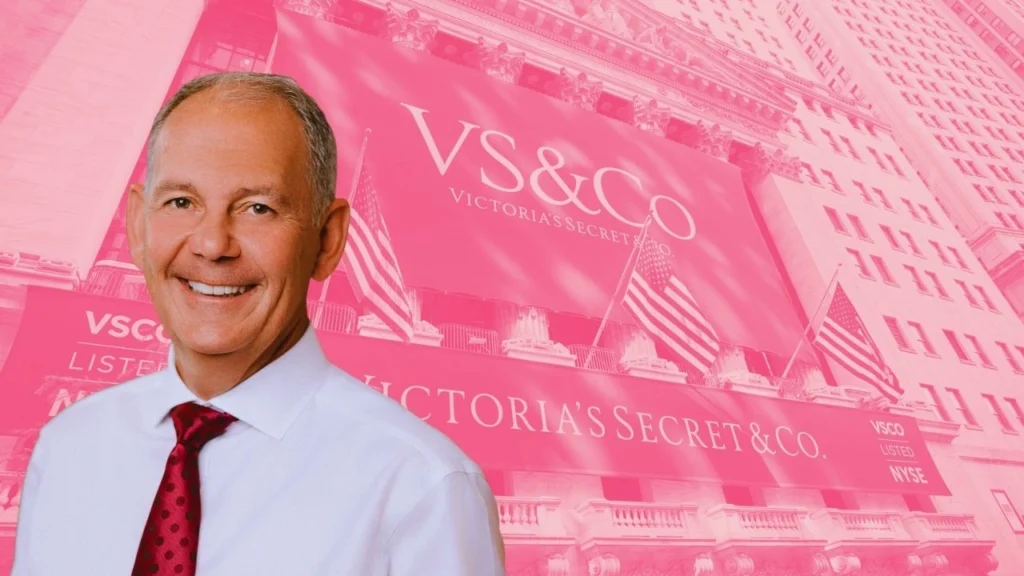
As of 2026, Victoria’s Secret is a standalone, publicly traded company officially known as Victoria’s Secret & Co. (NYSE: VSCO). It is no longer owned by a single individual or a parent corporation like L Brands; instead, it is owned b...
As of 2026, Victoria’s Secret is a standalone, publicly traded company officially known as Victoria’s Secret & Co. (NYSE: VSCO). It is no longer owned by a single individual or a parent corporation like L Brands; instead, it is owned by its shareholders, with major institutional investors holding the largest stakes.
Contents
For decades, the name Victoria’s Secret was synonymous with its longtime parent company, L Brands, and its founder, Leslie Wexner. However, the corporate landscape of the lingerie giant underwent a fundamental transformation in the early 2020s. To understand who "owns" Victoria’s Secret today, one must look at its status as an independent entity and the institutional forces that govern its board of directors.
The Transition from Private Influence to Public Independence
The journey of Victoria’s Secret's ownership is a narrative of rapid expansion, followed by a period of stagnation, and finally, a strategic separation. Originally founded by Roy Raymond in 1977, the company was sold to Leslie Wexner’s The Limited (later L Brands) in 1982 for $1 million. For nearly 40 years, Wexner was the de facto owner and face of the company.
In August 2021, L Brands officially completed a spin-off that separated Victoria’s Secret from its sister brand, Bath & Body Works. This move created two independent, publicly traded companies. Consequently, Victoria’s Secret & Co. emerged as a separate entity encompassing Victoria’s Secret Lingerie, PINK, and Victoria’s Secret Beauty.
The Role of Institutional Shareholders
Because Victoria’s Secret & Co. is a public company, its ownership is distributed among thousands of individual and institutional investors. Institutional investors—large organizations such as mutual funds, pension funds, and insurance companies—currently hold the vast majority of the company's shares.
As of the 2025-2026 fiscal cycles, the largest shareholders typically include:
- The Vanguard Group: Often the largest holder of VSCO stock, reflecting its position as a global leader in index fund management.
- BlackRock, Inc.: A major institutional player that exerts influence through significant equity holdings.
- State Street Corporation: Another primary institutional holder that maintains a seat at the table regarding corporate governance.
These entities do not "own" the company in the way a founder does; rather, they exercise their ownership through voting rights on the Board of Directors, influencing everything from executive compensation to long-term brand strategy.
The Legacy of L Brands and Leslie Wexner
To fully grasp the current ownership structure, it is essential to understand why the previous model was dismantled. For much of its history, Victoria’s Secret was the crown jewel of L Brands. Under Leslie Wexner’s leadership, it became a global powerhouse, defining beauty standards through its televised fashion shows and "Angels" marketing campaigns.
However, by the late 2010s, the brand faced significant headwinds, including declining sales, criticism regarding a lack of inclusivity, and Wexner’s personal associations with controversial figures. In 2020, L Brands initially reached a deal to sell a 55% majority stake in Victoria’s Secret to Sycamore Partners, a private equity firm, for approximately $525 million.
This deal would have taken the company private, giving Sycamore Partners primary ownership. However, the COVID-19 pandemic led to a legal dispute, and Sycamore Partners eventually backed out of the acquisition. This failed sale forced L Brands to pivot, leading directly to the 2021 spin-off that established Victoria’s Secret as an independent public company. Today, Leslie Wexner has stepped down from his executive roles and has significantly reduced his ownership stake, marking the end of the founder-led era.
Current Corporate Leadership and Governance
While shareholders are the technical owners, the day-to-day operations and strategic direction are managed by the executive team and overseen by the Board of Directors. As of 2026, the leadership structure is designed to reflect a "new" Victoria's Secret—one focused on inclusivity and digital transformation.
Executive Leadership
In late 2024, the company appointed Hillary Super as Chief Executive Officer. Super, formerly the CEO of Rihanna’s Savage X Fenty and a veteran of Anthropologie Group, was brought in to accelerate the brand’s "transformation" strategy. Her leadership represents a shift away from the traditional male-centric marketing of the Wexner era toward a more contemporary, diverse retail model.
The Board of Directors
The Board of Directors acts as the representative body for the shareholders. The board is responsible for:
- Hiring and evaluating the CEO.
- Approving major corporate pivots and acquisitions.
- Ensuring financial transparency and regulatory compliance.
- Setting the dividend policy for investors.
By 2026, the board has become increasingly diverse, intentionally moving away from the historical leadership demographics of the 1990s and 2000s to better align with the brand's target consumer base.
Victoria’s Secret & Co. Portfolio Growth
"Ownership" of Victoria's Secret also includes ownership of several sub-brands and recent acquisitions. The company has expanded its footprint to remain competitive against digital-native lingerie startups.
PINK
PINK remains a vital part of the VS&Co portfolio. Launched in 2002, it targets the collegiate and "gen-Z" demographic. While PINK operates as a distinct brand with its own identity, it is fully owned and managed by Victoria’s Secret & Co.
The Acquisition of Adore Me
In early 2023, Victoria’s Secret & Co. completed the acquisition of Adore Me, Inc., a digitally native intimate apparel brand. This acquisition was a strategic move to bolster VS&Co’s technology platform and "try-at-home" services. By owning Adore Me, Victoria’s Secret gained access to a younger, tech-savvy audience and sophisticated data-driven marketing tools, further diversifying what the company "owns" in the broader marketplace.
Ownership and Financial Milestones: A Summary
The following table outlines the ownership transitions of Victoria's Secret from its inception to its current status in 2026.
| Period | Primary Owner / Entity | Ownership Type | Key Outcome |
|---|---|---|---|
| 1977–1982 | Roy Raymond | Private / Founder | Founded the brand in San Francisco. |
| 1982–2021 | L Brands (Leslie Wexner) | Parent Company | Expanded globally; dominated the market. |
| 2020 | Sycamore Partners (Proposed) | Private Equity | Deal cancelled due to COVID-19 litigation. |
| 2021–Present | Public Shareholders (NYSE: VSCO) | Publicly Traded | Independent entity; spin-off from L Brands. |
| 2023–2026 | Victoria's Secret & Co. | Public Parent | Acquired Adore Me; expanded digital footprint. |
The Impact of Public Ownership on Brand Strategy
The shift from a private, founder-led company to a publicly traded entity has had profound effects on how Victoria's Secret operates. When a company is owned by the public, it is subject to intense scrutiny from Wall Street analysts and ESG (Environmental, Social, and Governance) investors.
Transparency and Accountability
Public ownership requires Victoria’s Secret & Co. to file quarterly reports with the SEC. This transparency has forced the company to be more vocal about its turnaround efforts, its commitment to ethical sourcing, and its progress in diversifying its workforce.
The "VS Collective"
One of the most visible changes under public ownership was the retirement of the "Angels" in favor of the VS Collective. This group of ambassadors, featuring prominent women such as athletes, activists, and entrepreneurs, was a direct response to shareholder and consumer demands for a more modernized brand image. The ownership group (the shareholders) prioritizes long-term brand health and social relevance over the niche aesthetics of the past.
Frequently Asked Questions
Does Leslie Wexner still own Victoria’s Secret?
No, Leslie Wexner is no longer the owner. While he may still hold individual shares of the public company (VSCO), he stepped down as Chairman and CEO of the former parent company, L Brands, and does not hold an executive or controlling position in Victoria's Secret & Co.
Is Victoria’s Secret owned by Bath & Body Works?
No. Previously, both brands were under the L Brands umbrella. In August 2021, they were split into two entirely separate, independent public companies. Bath & Body Works, Inc. and Victoria’s Secret & Co. now trade under different stock tickers and have separate management teams.
Who is the largest shareholder of Victoria’s Secret?
As of 2026, the largest shareholders are typically large institutional investment firms. The Vanguard Group and BlackRock frequently hold the largest percentages of shares, often ranging between 5% and 12% each, depending on recent market activity.
Is Victoria’s Secret a private company?
Victoria’s Secret is not a private company. It is a public company listed on the New York Stock Exchange under the ticker symbol VSCO. Anyone with a brokerage account can buy shares and technically become a partial owner of the company.
Who is the current CEO of Victoria's Secret?
Hillary Super is the current CEO of Victoria's Secret & Co. She took over the role in late 2024, tasked with leading the brand's next phase of growth and enhancing its appeal to a broader, more inclusive audience.
Next Steps for Interested Investors or Consumers
For those looking to track the ownership or financial health of Victoria's Secret & Co. in 2026, the best resource is the Investor Relations section of their official corporate website. There, you can find:
- Annual Reports (Form 10-K): Detailed breakdowns of ownership, risks, and financial performance.
- Proxy Statements: Information on board members and major shareholder voting items.
- Quarterly Earnings Calls: Updates from CEO Hillary Super regarding the brand’s trajectory.
If you are a consumer, the "ownership" change is most visible in the product lines and marketing—expect to see continued integration of the Adore Me technology and a focus on the VS Collective ambassadors as the company distances itself from its historical ownership structure.
Image Gallery