FBI Headquarters: Location, History, and Modern Operational Standards in 2026
The Federal Bureau of Investigation (FBI) headquarters serves as the central command hub for the United States' premier domestic intelligence and law enforcement agency. Currently operating out of the aging J. Edgar Hoover Building in...
The Federal Bureau of Investigation (FBI) headquarters serves as the central command hub for the United States' premier domestic intelligence and law enforcement agency. Currently operating out of the aging J. Edgar Hoover Building in Washington, D.C., the headquarters directs national security operations, cyber defense initiatives, and federal criminal investigations across 56 field offices nationwide.
Contents
The Evolution and Strategic Importance of the FBI Headquarters
The operational nerve center of federal law enforcement has undergone profound structural transformations since the inception of the Bureau in 1908. Initially established as the Bureau of Investigation under Attorney General Charles Joseph Bonaparte, the agency required a centralized command structure to coordinate multi-jurisdictional investigations. Over decades of shifting geopolitical threats—ranging from organized crime and domestic subversion to modern cyber-espionage and international terrorism—the headquarters has evolved from a simple administrative office into a heavily fortified nexus of intelligence gathering and crisis management.
Today, the national headquarters coordinates intelligence sharing between local, state, federal, and international partners. The facility houses executive leadership, including the Office of the Director, the Deputy Director, and various specialized branches such as the National Security Branch, the Criminal, Cyber, Response, and Services Branch, and the Science and Technology Branch. These divisions synthesize incoming data streams to preempt threats against national infrastructure, democratic institutions, and civilian populations.
Architectural Legacy and Operational Limitations of the J. Edgar Hoover Building
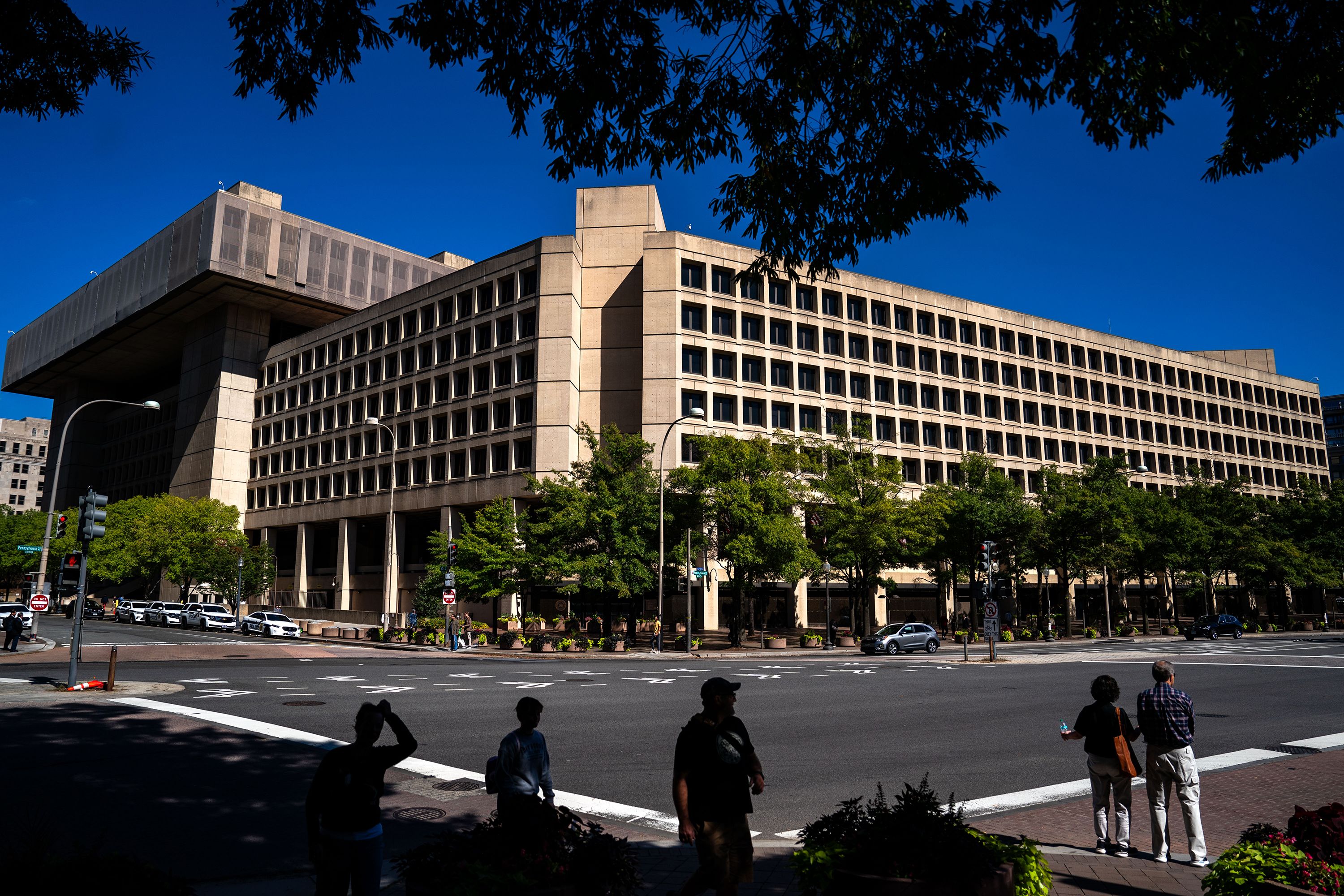
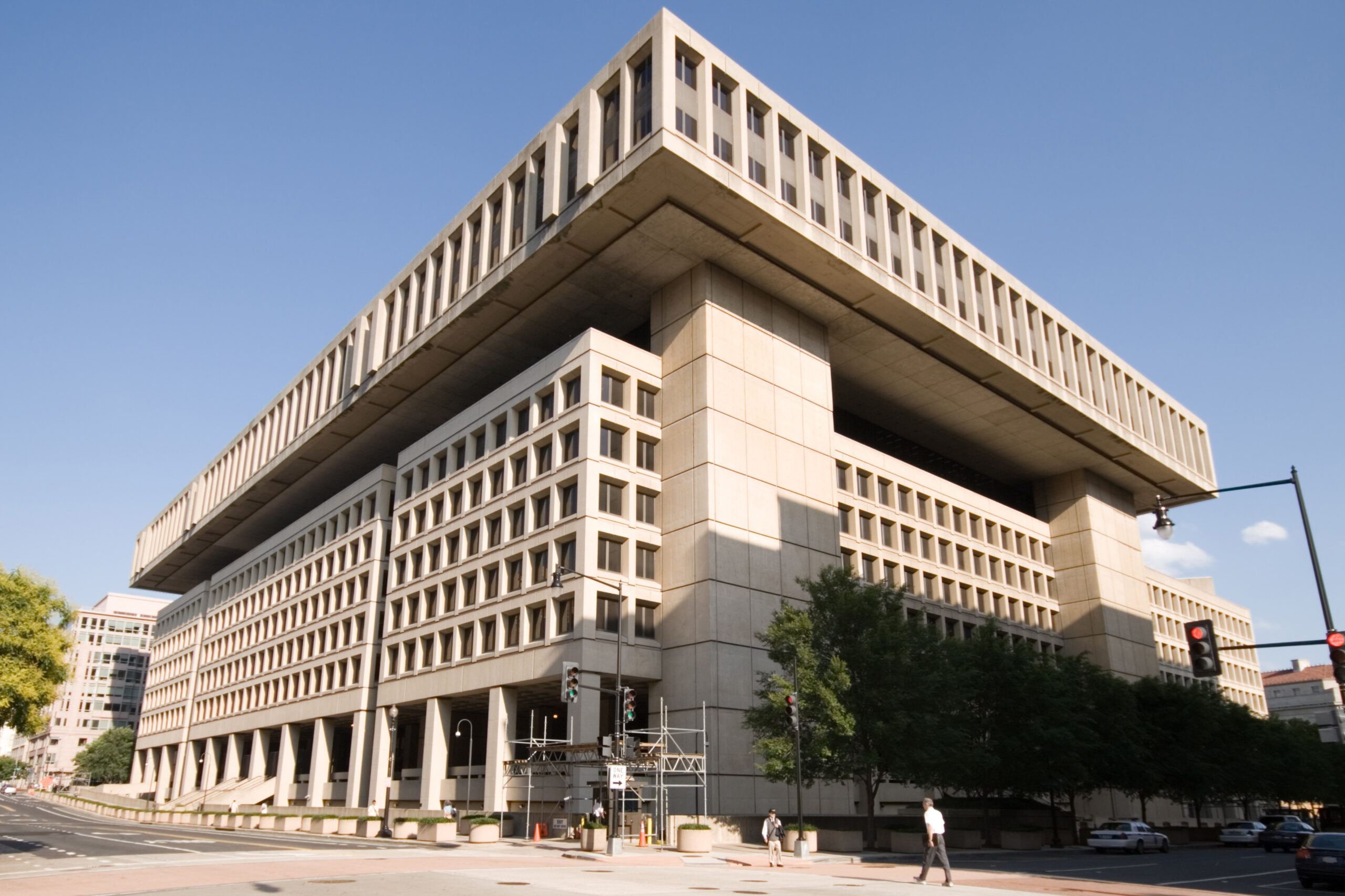
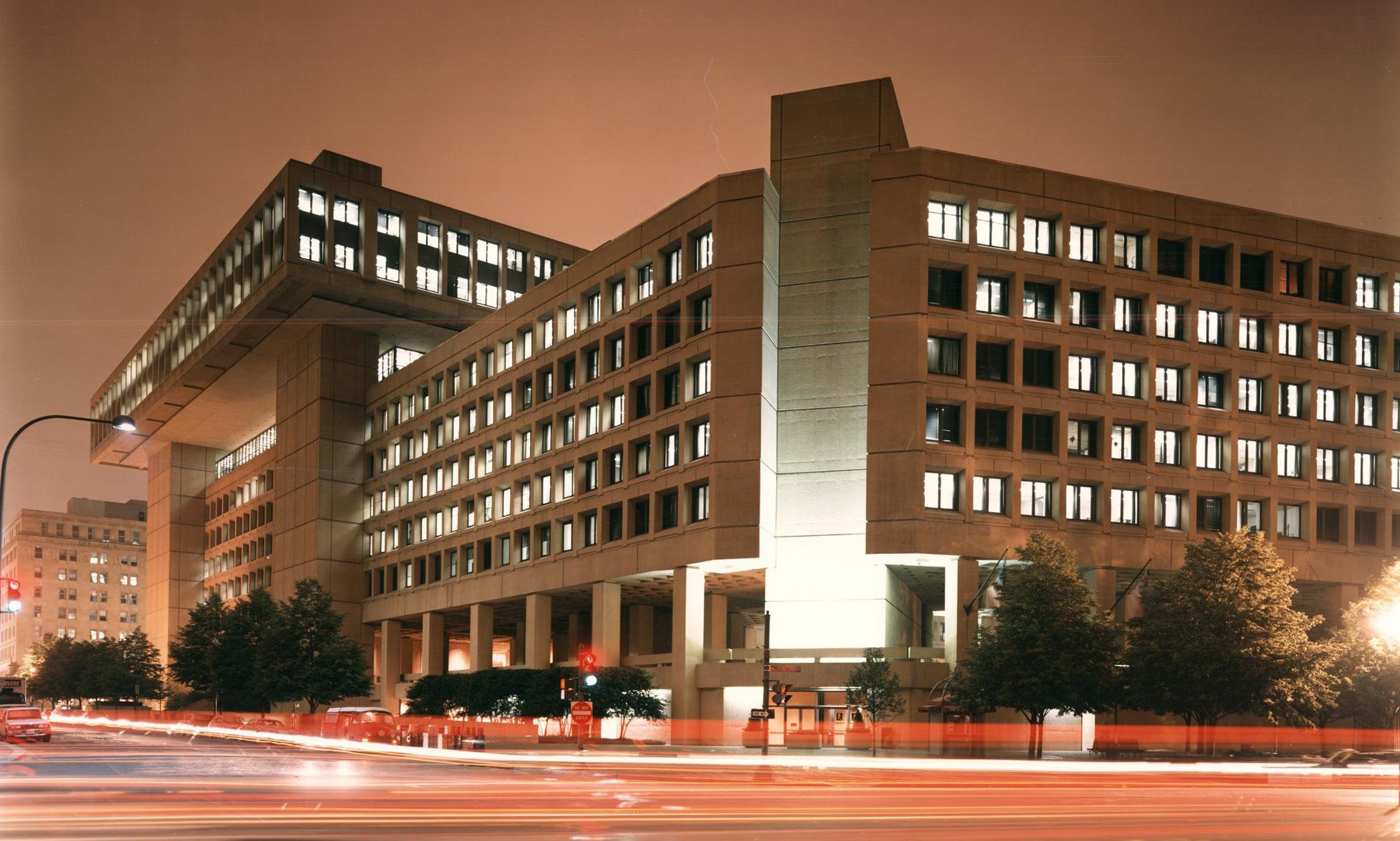
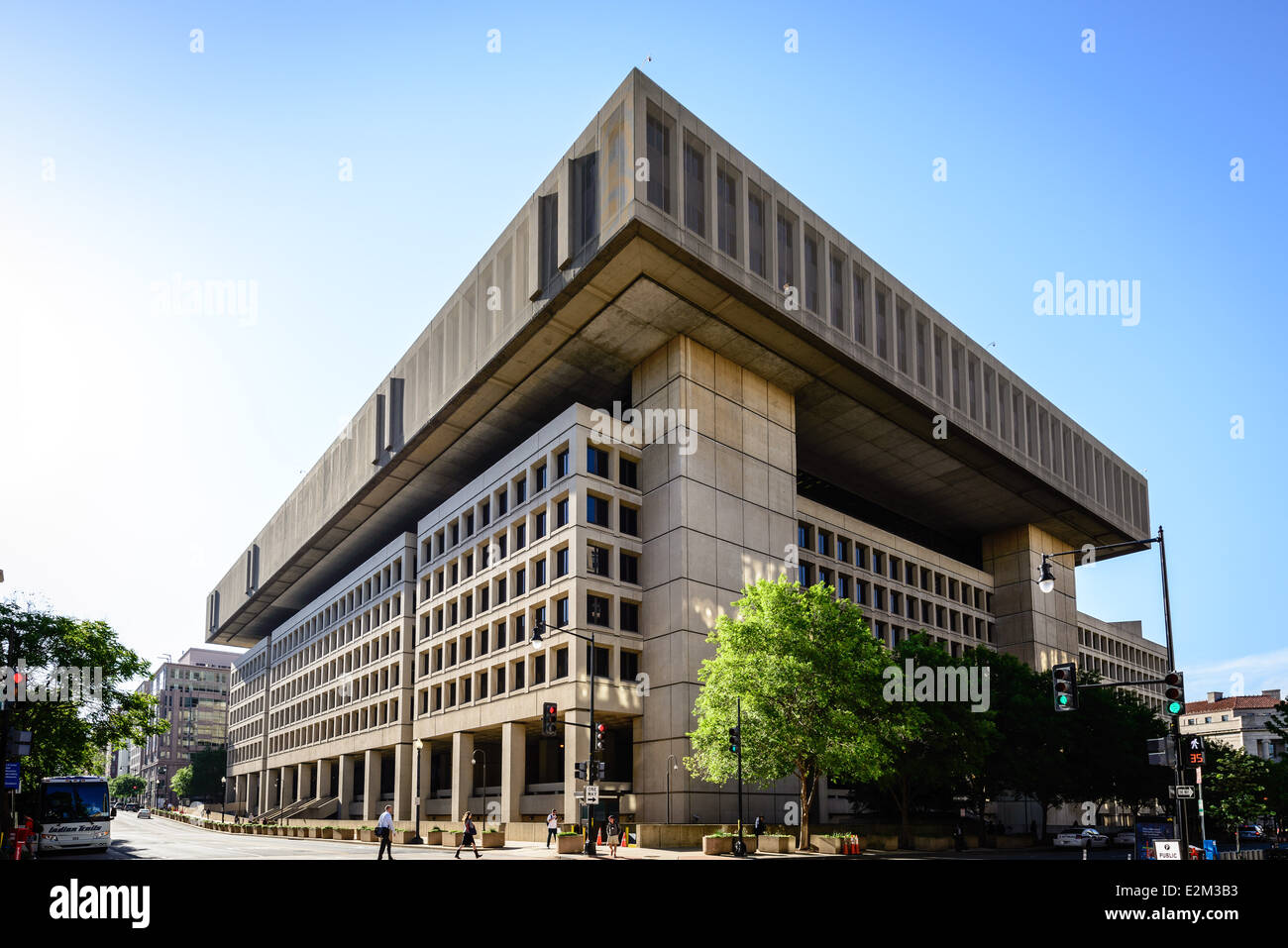
Located at 935 Pennsylvania Avenue NW in Washington, D.C., the J. Edgar Hoover Building has served as the iconic physical address of the FBI since its dedication in 1975. Designed in the Brutalist architectural style by architect Charles F. Murphy, the massive concrete structure was engineered to project institutional strength, security, and permanence. However, the physical reality of the building has fallen short of modern operational demands.
- Structural Aging: Decades of deferred maintenance have led to chronic infrastructure failures, including persistent plumbing issues, facade deterioration, and outdated HVAC systems that struggle to support modern server banks.
- Security Deficiencies: Built during a different era of security threats, the building sits too close to public thoroughfares, failing modern setback standards established by the Interagency Security Committee.
- Spatial Inefficiencies: The sprawling, compartmentalized layout hinders cross-functional collaboration among digital analysts, field agents, and administrative personnel, creating operational silos within the agency.
- Technological Constraints: Integrating modern fiber-optic networks, secure server rooms, and advanced SCADA-compliant facility management systems into the aging brutalist frame has proven increasingly difficult and cost-prohibitive.
Ongoing Relocation Initiatives and Suburban Consolidation Plans
For over a decade, the search for a modern replacement facility has dominated federal infrastructure discussions. The endeavor to relocate the thousands of personnel stationed in the National Capital Region involves complex negotiations between federal lawmakers, the General Services Administration (GSA), and competing state delegations.
The logistical hurdles of consolidating a massive federal workforce have centered on selecting a secure site that balances accessibility, employee retention, and counter-threat engineering. The chosen suburban footprint aims to decentralize key intelligence assets while maintaining close operational proximity to the Department of Justice and the White House.
| Facility Attribute | J. Edgar Hoover Building (Current) | Proposed Suburban Replacement |
|---|---|---|
| Location | 935 Pennsylvania Avenue NW, Washington, D.C. | Greenbelt, Maryland (Selected Site) |
| Primary Limitation | Non-compliant setbacks and aging infrastructure | Transition logistics and regional employee commute impact |
| Security Standards | Outdated perimeter defense metrics | Modern Interagency Security Committee (ISC) Level V compliance |
| Operational Capacity | Fragmented workforce across multiple regional annexes | Fully consolidated, purpose-built campus architecture |
Core Administrative Divisions Housed at National Command
The organizational hierarchy operating within the central command structure is divided into distinct functional directorates. Each division manages specialized portfolios designed to protect the United States from multifaceted threats.
- Intelligence Directorate: Responsible for the collection, analysis, and strategic dissemination of domestic and foreign intelligence, ensuring that actionable threat warnings reach relevant operational units.
- Criminal Investigative Division (CID): Oversees complex, long-term investigations targeting public corruption, civil rights violations, organized crime, white-collar crime, and violent transnational gangs.
- Cyber Division: Coordinates national and international investigations into state-sponsored cyber attacks, critical infrastructure intrusions, ransomware syndicates, and sophisticated digital espionage campaigns.
- Critical Incident Response Group (CIRG): Deploys specialized tactical units—including the Hostage Rescue Team (HRT) and the SWAT operations unit—to manage high-risk dynamic crises, hostage situations, and counter-terrorism interventions worldwide.
Comparison of Federal Law Enforcement Command Structures
Understanding how the primary federal investigative agency operates requires contextualizing its structural relationship with other federal entities. While other departments focus on border security, tax compliance, or protective services, the Bureau maintains broad jurisdiction over domestic federal violations.
| Agency Name | Primary Focus | Headquarters Location | Jurisdictional Scope |
|---|---|---|---|
| Federal Bureau of Investigation (FBI) | Domestic intelligence, federal crimes, national security | Washington, D.C. | Broad federal criminal code and domestic counter-terrorism |
| U.S. Secret Service (USSS) | Financial infrastructure protection, dignitary security | Washington, D.C. | Currency counterfeiting and designated official protection |
| Drug Enforcement Administration (DEA) | Controlled substances, international narcotics cartels | Arlington, Virginia | Domestic and international drug trafficking networks |
| Bureau of Alcohol, Tobacco, Firearms and Explosives (ATF) | Firearms regulation, explosives tracking, arson investigation | Washington, D.C. | Federal firearms laws, explosives control, and arson forensics |
Step-by-Step Guide for Public Engagement and Inquiries
Navigating the federal investigative apparatus requires adherence to strict bureaucratic procedures, whether for filing public records requests, seeking employment, or reporting criminal activity.
- Identify the Proper Channel: Determine whether your inquiry requires a local field office or the national command structure. Standard criminal tips should be submitted via the official digital portal rather than mailed to the D.C. address.
- Submit Freedom of Information Act (FOIA) Requests: For historical records or declassified documents, utilize the online eFOIA electronic submission system to ensure proper tracking and processing under the Freedom of Information Act.
- Report Cyber Threats: Incidents involving ransomware, business email compromise, or malicious cyber activity must be channeled through the Internet Crime Complaint Center (IC3) for rapid threat analysis.
- Follow Media and Public Affairs Guidelines: Press inquiries, public speaking requests, and educational tour applications must be directed through the Office of Public Affairs at headquarters.
Frequently Asked Questions
Can the general public visit the FBI headquarters for tours?
Public tours of the headquarters building have remained suspended for security reasons since the post-9/11 security enhancements of 2001. Interested individuals can instead explore the educational exhibits at the free public museum experiences in the Washington, D.C. area or access virtual digital resources.
What is the exact address of the current FBI headquarters?
The current primary administrative facility is located at 935 Pennsylvania Avenue NW, Washington, D.C. 20535. This location houses executive leadership and core analytical divisions pending the completion of the planned suburban campus consolidation.
How does the public report a federal crime or terrorist threat?
Citizens can report threats, suspicious activities, or federal crimes by visiting tips.fbi.gov, contacting their nearest regional field office, or calling the 24/7 national threat intake line. Immediate emergencies should always be directed to local 911 dispatchers first.
Why is the bureau relocating its main facility?
The relocation initiative is driven by severe infrastructure degradation, outdated physical security perimeters that fail modern anti-terrorism standards, and the need to consolidate a fragmented regional workforce into a unified, technologically advanced campus.
How many field offices operate under the national headquarters?
The central command oversees 56 major field offices strategically positioned across all major U.S. metropolitan areas, along with over 350 smaller resident agencies and numerous legal attaché offices operating internationally at U.S. embassies abroad.
Strategic Operational Recommendations
For researchers, legal professionals, and journalists interacting with federal law enforcement infrastructure, direct engagement with local field offices yields faster administrative responses than attempting correspondence with national headquarters leadership. Utilizing digital portals for tip submissions, FOIA requests, and threat reporting guarantees cryptographic data integrity and ensures your submission enters the appropriate queue without unnecessary bureaucratic delay.
Image Gallery